Award-Winning AP Italian Language and Culture Tutors
serving San Jose, CA
AP Italian Language and Culture
Tutors in San Jose
Private 1-on-1 tutoring, weekly live classes for academic support, test prep & enrichment, practice tests and diagnostics, and more to elevate grades and test scores.
Based on 3.4M Learner Ratings
UniversitiesSchools & Universities
DeliveredHours Delivered
ProficiencyGrowth in Proficiency
Who needs tutoring?
No obligation. Takes ~1 minute.
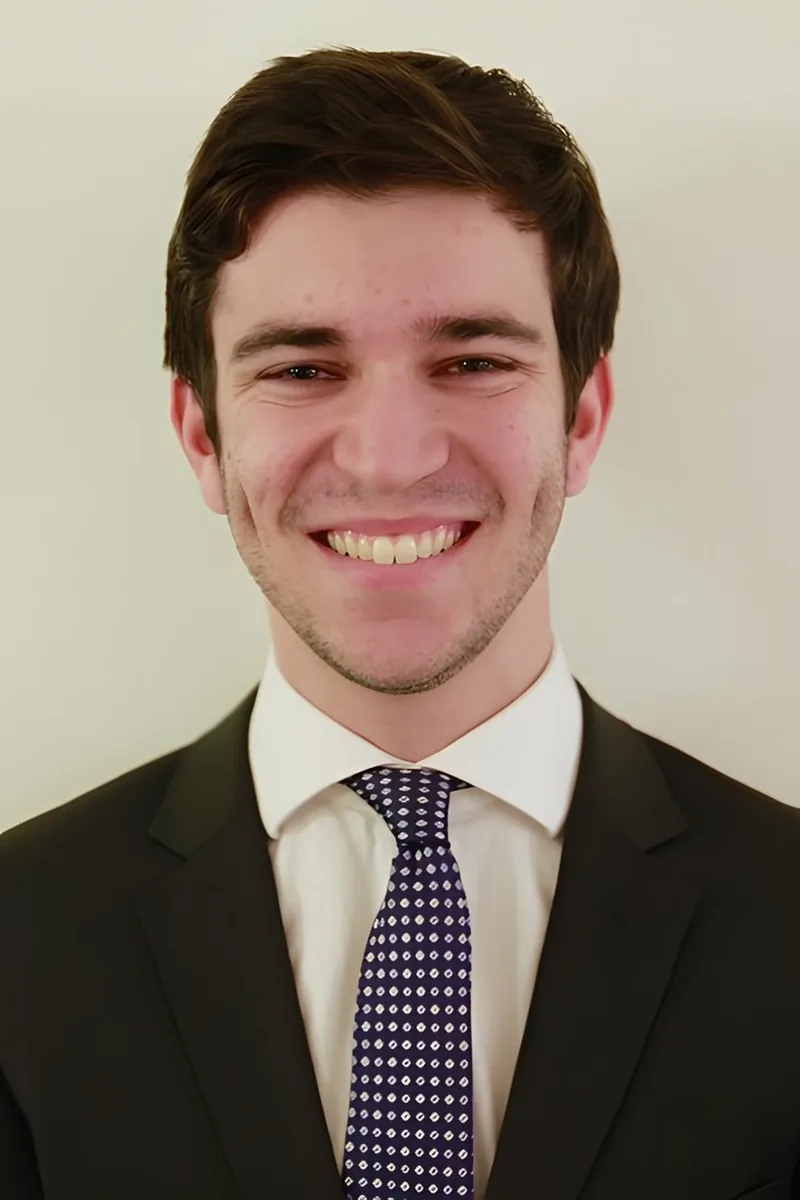
Daniel's language background spans Italian, French, and Spanish, and his neuroscience training at Penn gives him a research-backed understanding of how second-language acquisition actually works in the brain — useful when students are trying to internalize subjunctive constructions or retain vocabulary under exam pressure. He approaches the AP Italian cultural comparison task analytically, teaching students to build structured arguments in Italian rather than stringing together memorized phrases.

Earning a European M.A. in Italian Philology and holding Italian citizenship, Petra tackles the AP Italian exam from a place of deep fluency — not just in the language but in the art, music, and cultural traditions the exam tests. She digs into the presentational writing and interpersonal speaking tasks that tend to separate 4s from 5s, drilling the idiomatic expressions and register shifts that sound authentically Italian. Rated 4.9 by students.
Italian isn't Danielle's core language, but her coursework across more than ten colleges in Europe and the U.S. gave her direct exposure to Romance language structures and cross-cultural communication — both relevant to the AP Italian exam's cultural comparison and presentational tasks. She brings strong rhetorical and analytical skills from her English literature training, which translates well to coaching students through the timed essay and speaking components where organized argumentation matters most.
Scoring well on AP Italian Language and Culture requires more than vocabulary lists — students need to interpret authentic audio, write persuasive emails, and deliver a two-minute cultural comparison presentation on the spot. Jamie's language teaching philosophy centers on comprehensible input and immersion in real cultural material, which builds the listening fluency and spontaneous speaking ability the exam rewards. He structures practice around the six AP themes so every conversation and reading exercise maps directly to test content.
David studied Dante under a specialist in Bologna and holds a degree in Italian from Wesleyan, which means his command of the language goes well beyond conversational fluency into literary and cultural depth. For AP Italian Language and Culture, he tackles the presentational writing and speaking tasks by connecting grammar and vocabulary to the cultural themes — Italian identity, contemporary society, beauty and aesthetics — that the exam actually tests. Rated 5.0 by students.
While Italian isn't Jennifer's primary area of expertise, her communications degree and extensive experience with language arts give her a structured approach to the interpretive and presentational communication tasks the AP exam requires. She's particularly useful for the essay and speaking components, where organizing a clear argument in a second language draws on the same rhetorical skills she teaches across her English subjects.
Claudia speaks Italian fluently, which gives her an ear for the nuances AP Italian examiners test — subjunctive mood in formal writing, idiomatic expressions in audio clips, and the cultural knowledge woven into presentational speaking prompts. She scored a 1510 on the SAT and understands standardized test strategy, so she approaches the AP exam with the same structured preparation she applies to any high-stakes assessment.
Cornell's Italian minor program gave Michael formal training in the language's grammar, literature, and cultural context — exactly the combination the AP Italian exam demands across its interpretive, presentational, and interpersonal tasks. His philosophy minor also sharpens the argumentative structure needed for the cultural comparison essay, where building a coherent case in Italian under time pressure separates strong scores from average ones. Rated 5.0 by students.
AP Italian demands more than conversational fluency — it requires formal register, cultural analysis of Italian media, and timed written responses. Sarina, who counts Italian among her strongest subjects, digs into the presentational and interpersonal communication tasks that drive the exam score, drilling idiomatic accuracy alongside cultural content.
I am a second year medical student at the University of Kansas School of Medicine with an interest in surgery. I hope to make a difference in the world, be it large or small and through teaching I can accomplish that!
There aren't many AP Italian tutors who are actively completing a PhD in Italian Studies at Columbia. Nicole brings doctoral-level command of the language to every aspect of the exam — from dissecting literary passages and audio sources to coaching students through the persuasive essay and simulated conversation tasks that determine a 4 or 5.
Testimonials
Because the right AP Italian Language and Culture tutor makes all the difference.
Average Session Rating – Based on 3.4M Learner Ratings
Nearby AP Italian Language and Culture Tutors
Other San Jose Tutors
Related Languages Tutors in San Jose
Frequently Asked Questions
The AP Italian exam focuses on five themes: Global Challenges, Science and Technology, Contemporary Life, Personal and Public Identities, and Families and Communities. You'll be tested across three modes of communication—interpretive (reading and listening), interpersonal (speaking and writing), and presentational (speaking and writing)—with emphasis on real-world Italian language use. The exam includes multiple-choice sections for reading and listening comprehension, free-response writing tasks, and a speaking component where you'll participate in conversations and deliver presentations.
Score improvement depends on your starting point and commitment level, but personalized 1-on-1 instruction typically helps students identify and close specific gaps—whether that's vocabulary retention, grammar accuracy, or speaking fluency. Many students see meaningful gains by focusing on their weakest communication mode and practicing with authentic exam materials under timed conditions. A tutor can create a targeted study plan that addresses your individual challenges rather than a one-size-fits-all approach.
Speaking anxiety is common, and tutors help by providing a low-pressure environment to practice conversation repeatedly before test day. You'll work through the specific speaking tasks (interpersonal conversations and presentational speeches) multiple times, receive immediate feedback on pronunciation and grammar, and build confidence through structured rehearsal. Regular practice with a tutor also helps you internalize common phrases and response patterns, reducing the mental load during the actual exam.
Effective listening preparation involves exposure to authentic Italian audio—news broadcasts, podcasts, interviews, and exam-style passages—combined with active note-taking practice and immediate feedback. A tutor can help you develop strategies for understanding main ideas versus details, recognize common Italian speech patterns and accents, and practice the specific question formats you'll encounter on test day. Consistent, targeted listening practice over several months is more effective than cramming, as it trains your ear to process Italian at natural speed.
Common writing errors include verb conjugation mistakes, incorrect article usage, and awkward phrasing that doesn't reflect natural Italian expression. Many students also struggle with organizing their thoughts within the time limit or fail to address all parts of the prompt. A tutor can help you develop a writing checklist, practice timed essays with immediate correction, and learn to self-edit for grammar and coherence before submitting your response.
Most students benefit from 3-4 months of consistent preparation, though your timeline depends on your current proficiency level and target score. If you're starting from a solid foundation in Italian, focused tutoring 1-2 times per week can help you refine skills and master exam-specific strategies. If you need more foundational work, starting earlier with more frequent sessions gives you time to build vocabulary and grammar confidence before shifting to exam-style practice.
Look for tutors with native or near-native Italian fluency, experience teaching the AP Italian curriculum, and familiarity with the specific exam format and scoring rubrics. Ideally, they've helped other students prepare for the exam and understand the nuances of what College Board is testing—not just general Italian proficiency. Varsity Tutors connects you with expert tutors in San Jose who specialize in AP Italian and can tailor instruction to your learning style and goals.
Your first session typically includes an assessment of your current Italian level, a discussion of your target score and timeline, and an overview of the exam format. The tutor will identify your strongest and weakest areas—whether that's speaking, writing, listening, or specific grammar concepts—so you can prioritize your study plan. You'll leave with a clear roadmap for what to focus on and when, plus any initial homework or practice materials to start building momentum.
Let’s find your perfect tutor
Answer a few quick questions. We’ll recommend the right plan and match you with a top 5% tutor.