Award-Winning MCAT Biological and Biochemical Foundations of Living Systems Tutors
serving Toledo, OH
Who needs tutoring?
FEATURED BY


TUTORS FROM
- YaleUniversity
- PrincetonUniversity
- StanfordUniversity
- CornellUniversity
Award-Winning MCAT Biological and Biochemical Foundations of Living Systems Tutors serving Toledo, OH
Certified Tutor
6+ years
Rhea
Biochemistry pathways, molecular biology, and organ system physiology all collide on the MCAT's Biological Foundations section, and knowing each topic in isolation isn't enough. Rhea's biology degree and pre-med coursework at the University of Chicago mean she can connect amino acid chemistry to pro...
University of Chicago
Bachelor of Science, Biology, General
Certified Tutor
10+ years
Samantha
As a current medical student who studied Global Health at Duke, Samantha is actively immersed in the biochemistry, cell biology, and organ systems that dominate the MCAT's Biological and Biochemical Foundations section. She breaks down dense topics like enzyme kinetics, amino acid structure, and met...
Duke University
Bachelors in Global Health Determinants, Behaviors, and Interventions
Harvard Medical School
Current Grad Student, MD
Certified Tutor
Tony
This section is where Tony's background lines up most directly — his Yale biology degree covered the biochemistry, molecular biology, and organ systems physiology that form the backbone of the Biological and Biochemical Foundations section. He digs into amino acid structures, metabolic pathways like...
Yale University
Bachelor of Science in Biology
Certified Tutor
10+ years
Zachary
Amino acid structures, metabolic pathways, and molecular biology techniques dominate the Bio/Biochem section, and Zachary's undergraduate work in biochemistry and biophysics means he can unpack these topics from firsthand academic experience rather than secondhand review. He teaches students to trac...
Yale University
Bachelors, Biochemistry and Biophysics
Certified Tutor
6+ years
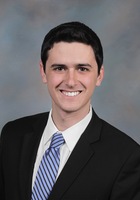
David
This section is where David's neuroscience training pays off most directly. He digs into the molecular biology, biochemistry, and organ-system physiology that dominate the Bio/Biochem section, from DNA replication and gene expression to metabolic pathways and nervous system signaling. Students get s...
Yale University
Bachelor of Science in Neuroscience
Harvard University
Current Grad Student, Bioethics and Medical Ethics
Certified Tutor
9+ years
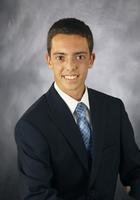
Benjamin
Benjamin's neuroscience degree at Vanderbilt means he didn't just memorize biochemical pathways and cellular mechanisms — he used them daily to understand how neurons signal, how drugs cross membranes, and how genetic mutations cause disease. That background translates directly to the MCAT's Biologi...
Vanderbilt University
Bachelor's degree in neuroscience and Russian
Certified Tutor
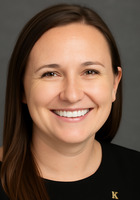
Laura
Amino acid structures, metabolic pathways, DNA replication mechanics — the Bio/Biochem section of the MCAT covers an enormous amount of content, and knowing how to prioritize what matters is half the battle. Laura teaches students to build concept maps linking molecular biology to organ-system physi...
Massachusetts Institute of Technology
Bachelors, Economics
Certified Tutor
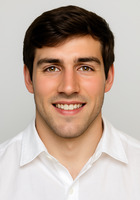
James
As a Harvard chemistry graduate heading to Columbia Medical School, James recently prepared for this exact MCAT section — and knows which biochemical pathways, enzyme kinetics concepts, and amino acid properties the exam hammers hardest. He connects molecular-level detail to biological systems so th...
Harvard University
Bachelor in Arts, Chemistry
Certified Tutor
8+ years
Amanda
Scoring well on the Biological and Biochemical Foundations section means connecting amino acid structures to enzyme function, understanding signal transduction pathways, and recalling organ system physiology — all while interpreting experimental passages at speed. As a medical student who has taught...
The University of Alabama
Bachelor of Science, Biology, General
Baylor College of Medicine
Doctor of Medicine, Public Health
Certified Tutor
6+ years
Having studied biochemistry and molecular biology at Rice before completing medical school, Sanjay knows the Bio/Biochem section of the MCAT from both the academic and the test-taking side. He tackles high-yield areas like amino acid chemistry, enzyme regulation, and metabolic integration by linking...
Rice University
Bachelor in Arts
Nearby MCAT Biological and Biochemical Foundations of Living Systems Tutors
Other Toledo Tutors
Related Graduate Test Prep Tutors in Toledo
Frequently Asked Questions
This section tests your understanding of cellular and molecular biology, biochemistry, physiology, and genetics. You'll encounter questions on enzyme kinetics, protein synthesis, cellular respiration, photosynthesis, homeostasis, and organ system functions. The section also includes passage-based questions that require you to apply biological concepts to real-world scenarios, so strong foundational knowledge combined with critical reading skills is essential.
Score improvement depends on your starting point and study consistency, but students typically see gains of 2-4 points on this section with focused, personalized instruction. Tutors can help you identify knowledge gaps, develop efficient study strategies, and practice high-yield topics—the areas that appear most frequently on test day. Your improvement timeline usually spans 4-12 weeks depending on your baseline and study schedule.
Many students struggle with pacing—the section requires you to quickly read dense passages and answer questions in limited time. Others find it difficult to distinguish between high-yield topics (like enzyme mechanisms and cellular respiration) and lower-yield details. Additionally, applying biochemistry concepts to unfamiliar biological contexts trips up many test-takers. A tutor can help you prioritize what to study, develop faster reading strategies, and practice integrating concepts across topics.
Practice tests are critical—they help you identify weak areas, build test-day stamina, and get comfortable with the question format and pacing demands. Most students benefit from taking full-length practice tests every 1-2 weeks during their preparation period. Tutors can review your practice test performance with you, pinpoint patterns in your mistakes, and guide targeted review of specific topics before your next attempt.
Your first session typically includes a diagnostic assessment—either a practice test section or targeted questions—to understand your current strengths and knowledge gaps. You'll discuss your target MCAT score, timeline, and study habits. From there, tutors create a personalized study plan that prioritizes high-yield topics, addresses your specific weak areas, and fits your schedule. This foundation helps make every subsequent session more efficient and focused.
Most students preparing for the MCAT spend 3-4 months in total preparation, dedicating 8-12 hours per week to all sections combined. For Biological Sciences specifically, plan to spend 25-30% of your study time on this section if it's a weaker area for you. Consistent, focused study—supported by personalized tutoring—is more effective than cramming. Tutors can help you develop a realistic schedule that balances content review, practice questions, and full-length tests.
Look for tutors with strong science backgrounds—ideally a degree in biology, biochemistry, or a related field—and proven experience preparing students for the MCAT. They should understand the specific demands of this section: passage analysis, time management under pressure, and integration of multiple concepts. Tutors who have scored well on the MCAT themselves often bring valuable test-taking insights and can model effective strategies for you.
Test anxiety often stems from feeling unprepared or uncertain about your knowledge. Personalized tutoring builds genuine confidence by closing knowledge gaps, helping you master high-yield topics, and giving you repeated practice with the actual test format. Tutors can also teach you specific test-taking strategies—like how to manage difficult passages, when to skip and return to questions, and how to pace yourself—so you feel more in control on test day.
Connect with MCAT Biological and Biochemical Foundations of Living Systems Tutors in Toledo
Get matched with local expert tutors