Award-Winning Special Education Tutors
serving Mesa, AZ
Special Education
Tutors in Mesa
Private 1-on-1 tutoring, weekly live classes for academic support, test prep & enrichment, practice tests and diagnostics, and more to elevate grades and test scores.
Based on 3.4M Learner Ratings
UniversitiesSchools & Universities
DeliveredHours Delivered
ProficiencyGrowth in Proficiency
Who needs tutoring?
No obligation. Takes ~1 minute.
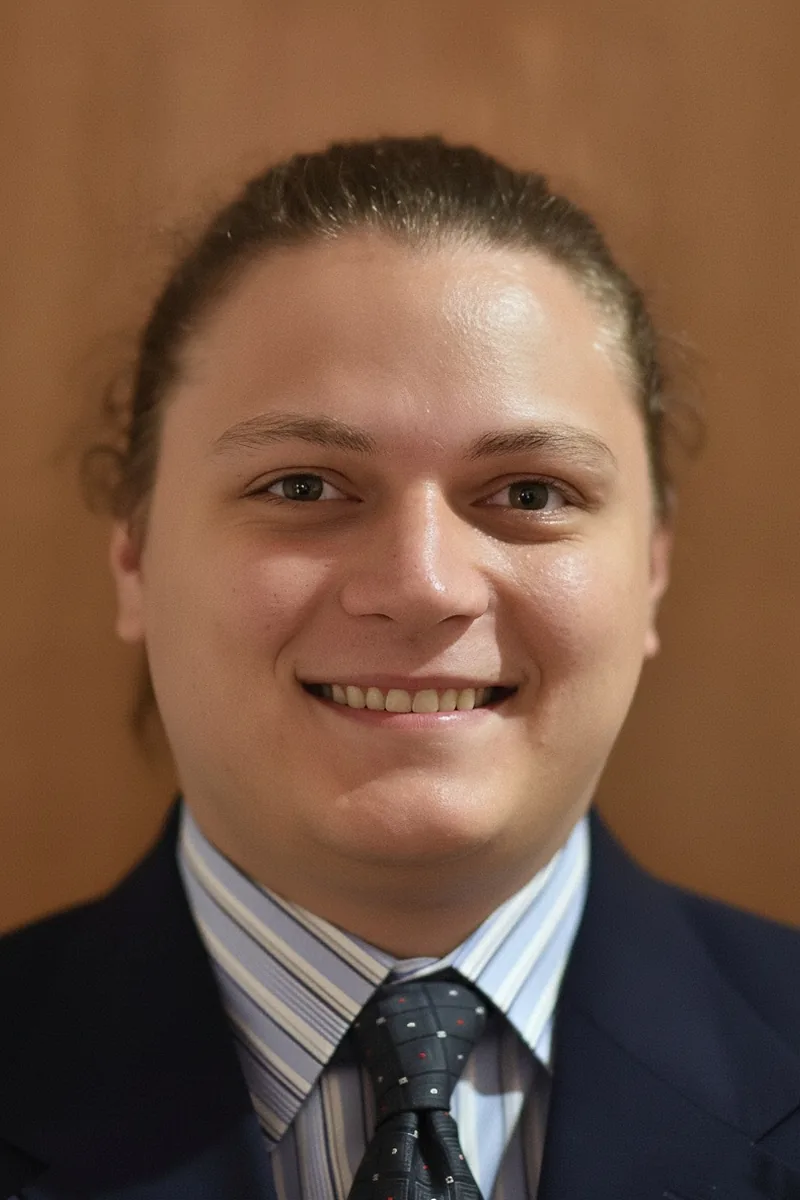
Creating a comfortable, low-pressure environment is central to how Adrian teaches — he's naturally attuned to students who need more processing time, alternative explanations, or simply patience that a crowded classroom doesn't offer. He adapts math and reading concepts into smaller, scaffolded steps, checking understanding at each stage before moving forward so nothing gets lost in translation.

Maurice earned his Master's in Special Education specifically to understand how different learners process information — and he builds that knowledge into every session. Whether a student needs modified pacing, multi-sensory instruction, or alternative ways to demonstrate understanding, he designs lessons around how each individual actually learns rather than forcing a one-size-fits-all approach.
Every learner processes information differently, and Kate's years in the classroom have sharpened her ability to adapt explanations on the fly — whether that means using visual organizers for a student with ADHD or scaffolding a reading passage into smaller chunks for someone with a processing difference. She builds lessons around each student's strengths rather than forcing a one-size-fits-all approach.
Liz has hands-on experience working with children and young adults with ADHD, autism spectrum needs, and other learning and behavioral differences. She adapts pacing, instructions, and materials to each student's processing style — whether that means building in movement breaks, using visual organizers, or restructuring a task so it feels less overwhelming. Rated 4.9 by families she's worked with.
As a state-certified teacher with special education experience, Marina adapts lessons to match each learner's processing style — whether that means breaking multi-step directions into smaller chunks, using visual supports for abstract concepts, or building in movement breaks that reset focus. Her UCLA background in public health sharpened her understanding of how environment and individual needs shape learning outcomes.
Liz holds a master's in Special Education (Mild to Moderate Disabilities, grades 5–12) from Simmons College and has worked extensively with students who have learning disabilities, ADHD, dyslexia, and emotional impairments. That clinical training, paired with her hands-on experience teaching and directing tutors at a charter school in Boston, means she knows how to adapt instruction on the fly — whether that's restructuring a math lesson for a student with dyscalculia or building reading fluency strategies for a student with dyslexia. She designs individualized approaches grounded in each student's IEP goals and actual learning profile.
Every learner processes information differently, and Ominira's master's degree in Multicultural Education gave her deep training in adapting instruction to fit diverse cognitive and linguistic needs. She breaks down assignments into structured, manageable steps — whether that means scaffolding a reading passage or using visual models for math concepts — so students with IEPs or 504 plans can access grade-level content with confidence.
Victoria spent three years as a certified classroom teacher through Teach for America, working with first through third graders who had a wide range of learning needs, including IEP-supported students. She adapts lessons to different processing styles and paces, breaking academic content into structured, manageable steps that build genuine understanding rather than frustration.
Ivan holds a master's degree in both General and Special Education for grades 5–9 and has taught in self-contained classrooms, Collaborative Team Teaching settings, and Resource Rooms across New York City. That range means he can adapt pacing, modify assignments, and scaffold reading or writing tasks based on each student's IEP goals and learning profile. Rated 4.8 by families he's worked with.
Katie's Master of Social Work gives her structured training in individualized support, behavioral strategies, and understanding how learning differences like ADHD, dyslexia, and processing disorders affect a student's experience in the classroom. She adapts lessons to each student's pace and learning style, breaking tasks into smaller steps and using multisensory techniques to reinforce concepts. That combination of clinical knowledge and teaching experience makes her especially effective with students who need more than a one-size-fits-all approach.
Rather than pushing through a one-size-fits-all lesson plan, Evan adapts pacing, materials, and communication style to match how each learner processes information. His experience across subjects from reading comprehension to math means he can identify where a gap starts and build understanding from that exact point.
I am a graduate of UC San Diego with a Bachelors in Neuroscience through the Psychology department. After graduating, I went to Michigan Technological University and did some graduate work, before moving to Texas to be closer to my parents. I did my alternative certification program through Texas Teachers and am highly qualified to teach Science for grades 7-12. I have been a teacher in public and charter schools for the last four years, and have tutoring experience extending over ten years behind me as well.
As a practicing Special Education Social Worker in Minneapolis, Emily understands IEPs, accommodations, and learning differences from the inside — not just as theory. She adapts her approach to each student's specific needs, whether that means breaking reading passages into smaller chunks, using visual supports for math, or building executive functioning skills like task initiation and self-monitoring.
Sophia earned her Master's in Education with a focus that included understanding diverse learning profiles — from dyslexia and ADHD to processing differences that require adapted instruction. She modifies reading and writing lessons using multisensory techniques, scaffolded tasks, and individualized pacing so students with IEPs or 504 plans can access grade-level content on their own terms.
Testimonials
Because the right Special Education tutor makes all the difference.
Average Session Rating – Based on 3.4M Learner Ratings
Other Mesa Tutors
Frequently Asked Questions
Special education tutoring addresses individualized learning needs for students with disabilities, learning differences, or developmental delays. Tutors work with students across various areas including reading and literacy, math, executive functioning, social-emotional skills, and speech-language support. The focus is on meeting each student where they are and building confidence while working toward their specific IEP (Individualized Education Program) goals.
Personalized tutoring complements IEP services by providing targeted, one-on-one instruction focused on your student's specific goals and learning style. Tutors can work directly with your student's IEP team, review documented goals, and use strategies recommended by special educators and therapists. This coordination ensures tutoring reinforces classroom learning and helps students make measurable progress toward their IEP objectives.
While classroom special education provides essential services and accommodations, personalized tutoring offers dedicated one-on-one attention tailored entirely to your student's pace and learning preferences. With a typical student-teacher ratio of 15.7:1 in Mesa schools, classroom teachers manage many students simultaneously. Tutors can spend focused time on specific skill gaps, use multisensory approaches, break concepts into smaller steps, and adjust strategies in real time based on your student's response.
Students often struggle with foundational skills like phonemic awareness, decoding, and basic math facts, which can compound into larger gaps over time. Many also face challenges with executive functioning—organization, time management, and working memory—that impact academic performance across subjects. Social-emotional difficulties, attention regulation, and building confidence after repeated academic struggles are equally important to address. Personalized tutoring can target these specific areas with proven strategies like explicit instruction, frequent practice opportunities, and immediate feedback.
The first session focuses on getting to know your student, understanding their strengths, learning style, and specific challenges. Tutors will review any available information about your student's IEP, previous assessments, or documented learning differences to establish a baseline. This initial meeting helps tutors develop a personalized plan and identify the best instructional approaches, so subsequent sessions can begin making targeted progress on your student's priority goals.
Varsity Tutors connects you with tutors who have specialized training and experience in special education, learning disabilities, and evidence-based intervention strategies. When you describe your student's specific needs—whether that's dyslexia support, autism-friendly instruction, ADHD strategies, or speech-language reinforcement—we match you with tutors qualified in those areas. You can discuss your student's IEP goals and learning style to ensure the right fit from the start.
Tutors use progress monitoring tools and regular check-ins to track measurable improvements in targeted skills. You'll see concrete evidence through work samples, skill assessments, and documented progress toward IEP goals. Many tutors also provide session summaries and feedback so you can reinforce learning at home and communicate progress to your student's IEP team and classroom teachers.
Frequency depends on your student's specific needs, IEP goals, and the skill gaps being addressed. Some students benefit from 1-2 sessions per week for targeted support, while others may need more intensive instruction. Tutors can recommend a schedule based on your student's current performance level and the complexity of skills being taught, and you can adjust frequency as progress is made.
Let’s find your perfect tutor
Answer a few quick questions. We’ll recommend the right plan and match you with a top 5% tutor.