Award-Winning Special Education Tutors
serving Denver, CO
Special Education
Tutors in Denver
Private 1-on-1 tutoring, weekly live classes for academic support, test prep & enrichment, practice tests and diagnostics, and more to elevate grades and test scores.
Based on 3.4M Learner Ratings
UniversitiesSchools & Universities
DeliveredHours Delivered
ProficiencyGrowth in Proficiency
Who needs tutoring?
No obligation. Takes ~1 minute.
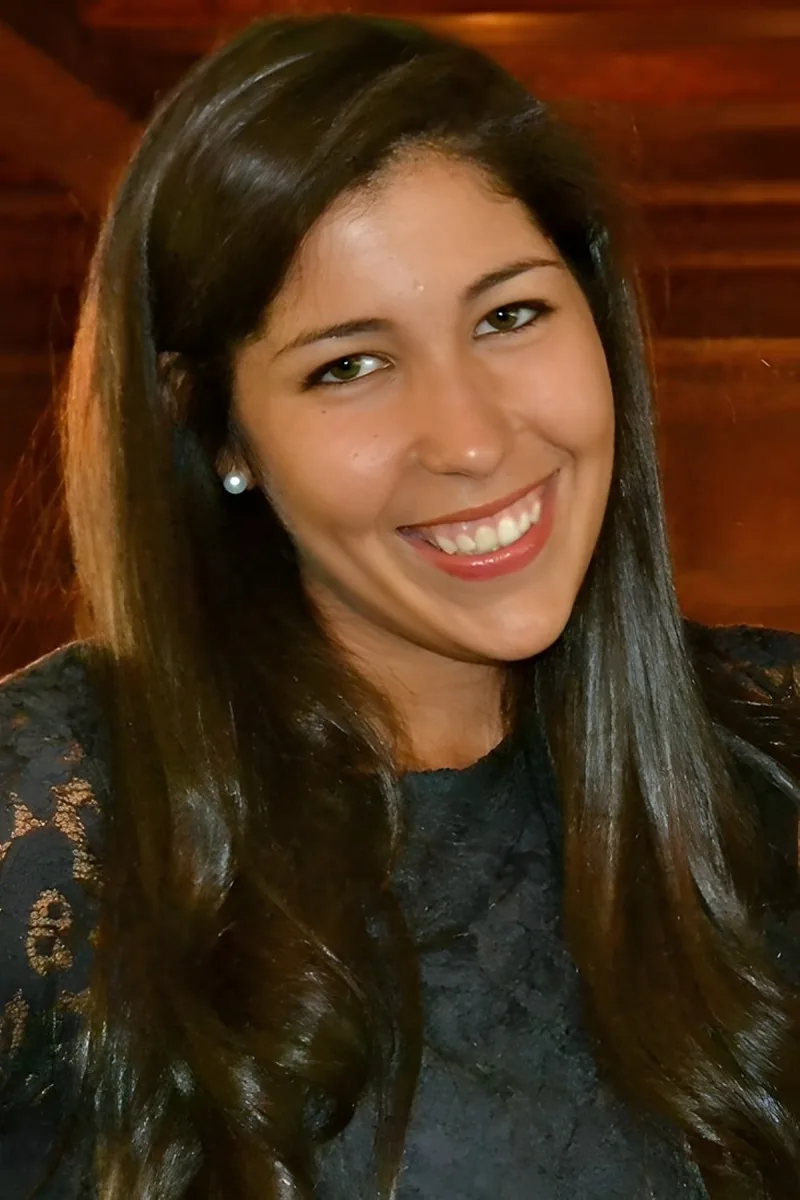
Victoria spent three years as a certified classroom teacher through Teach for America, working with first through third graders who had a wide range of learning needs, including IEP-supported students. She adapts lessons to different processing styles and paces, breaking academic content into structured, manageable steps that build genuine understanding rather than frustration.

As a practicing Special Education Social Worker in Minneapolis, Emily understands IEPs, accommodations, and learning differences from the inside — not just as theory. She adapts her approach to each student's specific needs, whether that means breaking reading passages into smaller chunks, using visual supports for math, or building executive functioning skills like task initiation and self-monitoring.
As a state-certified teacher with special education experience, Marina adapts lessons to match each learner's processing style — whether that means breaking multi-step directions into smaller chunks, using visual supports for abstract concepts, or building in movement breaks that reset focus. Her UCLA background in public health sharpened her understanding of how environment and individual needs shape learning outcomes.
A PhD in neuropsychology means Bill understands learning differences — ADHD, dyslexia, processing speed challenges — at the neurological level, not just as labels on an IEP. He adapts his teaching to how each student's brain actually processes information, whether that means restructuring how material is presented or building in specific compensatory strategies for memory and attention.
Trained in special education at Vanderbilt and currently teaching in the field, Alexandra designs instruction around how each learner processes information — not around a one-size-fits-all curriculum. She adapts materials for students with learning disabilities, ADHD, and other differences, breaking academic content into manageable, scaffolded steps that build genuine understanding.
A PhD in neuroscience means Elliot understands learning differences at the biological level — how attention, working memory, and processing speed vary across brains and what that means for instruction. He explicitly welcomes learners on the spectrum and tailors pacing, scaffolding, and sensory considerations to each student rather than defaulting to one-size-fits-all methods. His 5.0 rating speaks to that individualized care.
Clinical psychology training fundamentally changes how you understand a struggling learner — Danny's PhD work gives him insight into the cognitive, emotional, and behavioral dimensions that shape how students with learning differences engage with academic material. He draws on formal counseling psychology methods to identify what's actually getting in the way, then adapts instruction accordingly, whether the barrier is processing speed, attention, anxiety around schoolwork, or something else entirely. Rated 5.0 by families.
Every learner processes information differently — some through auditory explanation, some through visual mapping, others through hands-on activity — and Harry builds each session around identifying what actually works for that student. His background in theater and education at Northwestern trained him to read an audience and adapt in real time, a skill that translates directly to adjusting pacing, modality, and complexity for students with diverse learning needs.
A psychology degree gave Maggie a deep understanding of how learning differences — from ADHD to processing disorders — affect the way students absorb and retain information. She adapts lessons using multi-sensory techniques, scaffolded instructions, and frequent check-ins that keep students engaged without overwhelming them. Her approach is patient and structured, building skills at a pace that respects each learner's needs.
During her years teaching second through fourth grade, Molly worked daily with students who had a wide range of learning needs, from reading intervention to modified math instruction. She pulls from multiple curricula and adapts materials on the fly — adjusting pacing, breaking tasks into smaller steps, and using multisensory approaches to make concepts accessible. Her 5.0 rating speaks to how well that individualized approach works.
Five years of working specifically with students who have learning differences — dyslexia, ADHD, processing disorders — taught Sydney that the content isn't usually the problem; it's the delivery. She redesigns how material is presented, using multisensory techniques and scaffolded instructions so that a student with an IEP or 504 plan can access the same curriculum their classmates see. Rated 4.9 by families.
I am a graduate of UC San Diego with a Bachelors in Neuroscience through the Psychology department. After graduating, I went to Michigan Technological University and did some graduate work, before moving to Texas to be closer to my parents. I did my alternative certification program through Texas Teachers and am highly qualified to teach Science for grades 7-12. I have been a teacher in public and charter schools for the last four years, and have tutoring experience extending over ten years behind me as well.
Testimonials
Because the right Special Education tutor makes all the difference.
Average Session Rating – Based on 3.4M Learner Ratings
Nearby Special Education Tutors
Other Denver Tutors
Frequently Asked Questions
Special education tutoring provides personalized 1-on-1 instruction tailored to a student's Individualized Education Program (IEP) goals, learning differences, and unique needs. Tutors work with students on academic skills, social-emotional development, executive functioning, and self-advocacy—adapting teaching methods and pacing to match how each student learns best. This targeted approach helps bridge gaps between classroom instruction and individual learning profiles.
Denver's 9 school districts serve over 116,000 students with varying levels of special education support. While classroom teachers manage large groups with an average of 14.4 students per teacher, personalized tutoring fills critical gaps by providing focused, one-on-one attention on specific IEP goals, reinforcing classroom concepts, and building confidence in areas where students struggle. Tutors can also work directly with IEP teams to ensure tutoring aligns with school-based interventions.
Students with disabilities often struggle with attention and focus, processing complex information at classroom pace, retaining multi-step instructions, managing frustration with academic tasks, and building confidence after repeated struggles. Many also face social-emotional challenges like anxiety, low self-esteem, and difficulty with peer relationships. Personalized tutoring addresses these challenges by breaking skills into smaller steps, providing immediate feedback, celebrating progress, and creating a low-pressure environment where students can ask questions without embarrassment.
During an initial session, tutors connect with the student to understand their learning style, strengths, challenges, and specific IEP goals. They review relevant school records, assess current skill levels, and build rapport in a judgment-free setting. This foundation allows tutors to create a personalized plan that targets priority areas while building on what the student does well—ensuring tutoring is directly aligned with meaningful progress.
Yes. Varsity Tutors connects you with tutors who understand IEP development and can target specific goals in reading, math, writing, executive functioning, speech/language, or other areas outlined in your child's plan. Tutors can also communicate with your child's school team to ensure tutoring reinforces classroom instruction and contributes to measurable progress on IEP objectives. This coordination helps maximize the impact of both school and tutoring support.
Tutors working with students who have special needs typically hold special education certification, experience with specific disabilities (autism, ADHD, dyslexia, etc.), training in evidence-based interventions, and expertise in differentiated instruction. Many have backgrounds in speech-language pathology, occupational therapy, or related fields. Varsity Tutors matches you with tutors whose qualifications and experience align with your child's specific needs and learning profile.
Progress in special education tutoring is tracked through concrete measures: improved performance on IEP goal assessments, increased accuracy and speed in targeted skills, better organization and time management, reduced anxiety during academic tasks, and stronger confidence and self-advocacy. Tutors provide regular updates on what your child is learning, areas of growth, and next steps—so you have clear visibility into how tutoring is supporting your child's development and school success.
Special education tutors support students across core academics—reading, writing, and math—as well as executive functioning skills like organization, planning, and task initiation. Many also help with study strategies, test-taking skills, social-emotional learning, and self-advocacy. Tutors can focus on foundational skills for younger students or help high schoolers prepare for transition planning and post-secondary goals. The specific focus depends on your child's IEP priorities and individual needs.
Let’s find your perfect tutor
Answer a few quick questions. We’ll recommend the right plan and match you with a top 5% tutor.