Award-Winning Elementary School Reading Tutors
serving Bridgeport, CT
Elementary School Reading
Tutors in Bridgeport
Private 1-on-1 tutoring, weekly live classes for academic support, test prep & enrichment, practice tests and diagnostics, and more to elevate grades and test scores.
Based on 3.4M Learner Ratings
UniversitiesSchools & Universities
DeliveredHours Delivered
ProficiencyGrowth in Proficiency
Who needs tutoring?
No obligation. Takes ~1 minute.

Early reading clicks when a child connects decoding skills to actual meaning — sounding out a word and understanding what it says in context. Tolu works on phonics patterns, sight word recognition, and read-aloud fluency, adjusting her pace to each student's comfort level. Her 5.0 rating speaks to her patience and ability to make reading sessions feel like discovery rather than drill.
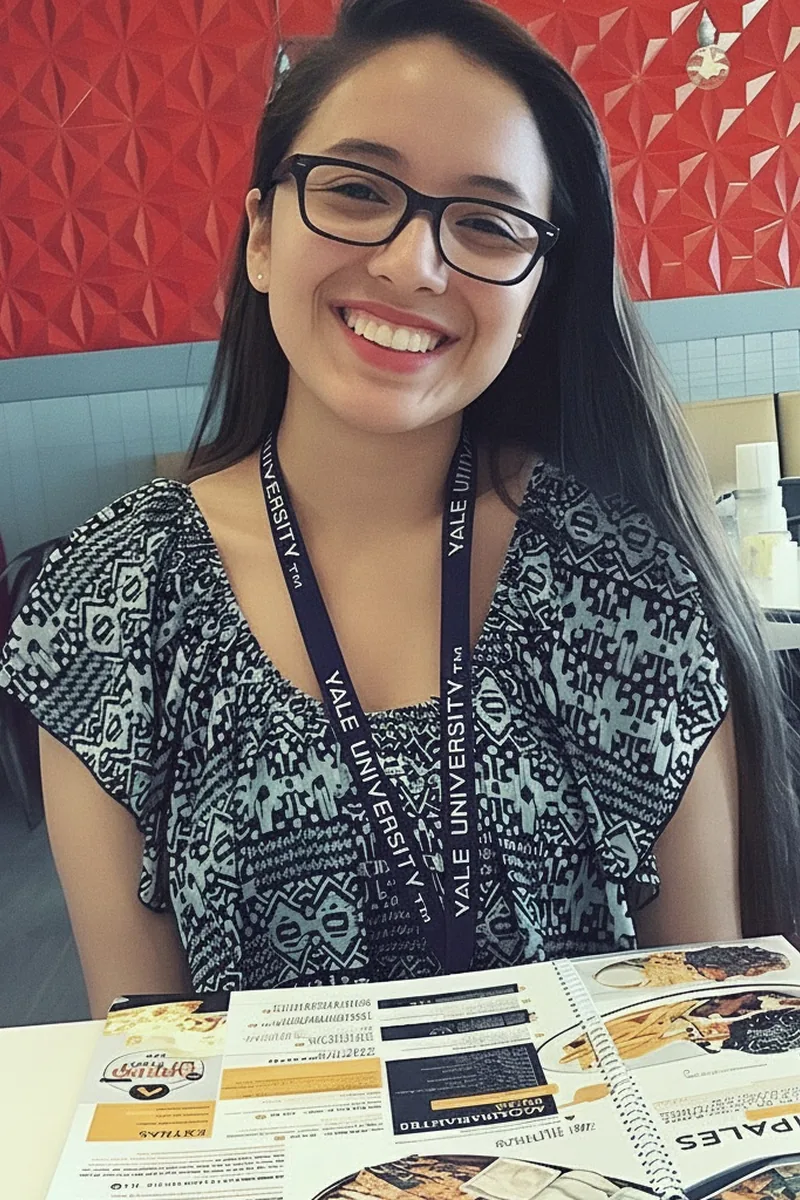
A self-described book lover studying at Yale, Stephanie knows that early reading skills — phonics, sight words, fluency, and basic comprehension — shape everything that comes after in a student's academic life. She makes reading practice engaging by connecting stories to what kids already care about, building the kind of confidence that turns reluctant readers into curious ones.
Early reading clicks when a child connects decoding skills to actual meaning — sounding out a word and understanding why it matters in the story. Mia's approach pairs phonics and sight-word practice with engaging read-alouds that build vocabulary and comprehension together. Her experience as a performer gives her a natural energy with younger learners that keeps reading sessions lively.
I am a musician, educator, and philosopher based in New Haven, Connecticut. I studied at UCLA graduating Cum Laude with degrees in Music Performance, Education, and Philosophy. I have been tutoring private music lessons and academic subjects for over 5 years now, and I work as a substitute teacher across Connecticut. My favorite subjects to tutor are Music, English, and Reading/Writing Skills, but I am capable of tutoring various Historical subjects, Math, and Science as well.
Before a student can love books, they need to feel confident picking one up. Sophie's Humanities background at Yale started with a deep love of reading, and she channels that into building fluency, vocabulary, and comprehension strategies tailored to each young reader's level.
Throughout the ages, the religious and philosophical leaders of the Far East considered teaching the noblest occupation-- one of true wisdom and selflessness. Having had the great fortune to experience the transformative power of wonderful teachers, I've come to agree with this viewpointI've found my calling in education. I haven't always known that teaching was the vocation for me. Even though I've always taught, on some level, as a T.A., a private tutor, a classroom teacher, or a friend, I tried different jobs in the private sector for several years. However, upon much introspectionmy own enlightenmentI realized that teaching is my true calling. I have a passion for teaching, which is unmatched by any other field. Why do I teach? I teach because I know that I will learn something new from each teaching experience, with every student, with every day, without exception, and because this path is one that I know is beneficial to others and to society as a whole. I teach, because I believe I can do it well. I approach the job with a balance of both diligence and patience, and confidence and humility, with extreme focus and an open mind. I am very patient, which is incredibly important, because learning takes time and involves challenges. When I teach I project a sense of confidence, because as a lifelong perfectionist, I really do my homework! Before each lesson, I make sure I am thoroughly prepared so that I can teach lucidly and coherently and know how to anticipate questions and readily answer them. My confidence helps establish my authority in the classroom. I also strive to make what I teach relevant to my students' lives by drawing on my experiences as a student and teacher. I strive to be an educator like my own favorite teachersa teacher who is passionate about and has profound knowledge of his specialty, who believes in the unparalleled importance of education, and who inspires his students with his devotion.
Phonics and decoding are only half the equation — elementary readers also need to understand what a story is actually saying and why it matters. Ryan teaches kids to make predictions, identify character motivations, and retell events in sequence, building the comprehension habits that carry through every grade. His psychology background gives him a strong sense of how young learners process new information.
Two years of teaching ancient history to elementary students taught Julia something crucial about early reading: kids engage when the material connects to a story they care about. She uses that instinct to build phonics, fluency, and comprehension skills through texts that actually hold a young reader's attention — not just worksheets.
Phonics patterns, sight words, and reading fluency each require a different kind of practice, and Tiffany tailors her approach depending on where a young reader is struggling. She uses context clues and guided questioning to build comprehension alongside decoding skills. Her organized, patient teaching style is a natural fit for elementary learners who need consistency.
Early readers need someone patient enough to sit with a tricky word and turn it into a small victory. Agustin breaks phonics patterns and sight words into manageable chunks, building fluency through repetition that feels like a game rather than a chore. His experience across multiple languages gives him an intuitive sense for how young learners process sounds and letter combinations.
Early reading skills like phonics and sight words are only part of the picture — Angela also digs into comprehension strategies like predicting, summarizing, and making connections to a story's characters. Her psychology background at the University of Pennsylvania gives her insight into how young learners process new information and build vocabulary. She's rated 5.0 by the families she tutors.
Young readers build confidence when someone sits with them through the tricky parts — decoding unfamiliar words, making predictions about what happens next, and connecting a story's events to their own experiences. Alice's background as a K-12 math center instructor taught her how to match explanations to a child's level, and she brings that same patience and adaptability to reading comprehension and fluency.
Early reading confidence often comes down to one thing: whether a child feels safe stumbling through a tricky passage out loud. Solange pairs phonics and vocabulary work with stories that actually interest kids, turning decoding practice into something closer to a conversation than a drill. Her background as an avid reader and writer gives her a deep library of texts to pull from at every level.
Years of volunteering in elementary classrooms taught Gloria that reading clicks when kids connect stories to their own curiosity — whether that means predicting what happens next, sounding out tricky vowel combinations, or retelling a chapter in their own words. Her neuroscience background also gives her insight into how young brains process phonics and comprehension differently at each developmental stage. Rated 5.0 by students and families.
I am a graduate of the University of Pennsylvania with a Masters degree in Education and have been an Elementary and Middle School educator for over thirty years. I have worked with students in the inner city, suburbs, Appalachia, and Deep South. I love teaching and children, and have discovered my passion in tutoring students who are struggling in Reading and Math. I have taught children with learning disabilities to read, and coached students with dyscalculia in math and reading. I worked as a principal for the past eight years, so was working with students from Pre-K to 8th grade, coaching teachers, analyzing data, and tutoring individual students in math and reading. I have worked as a national park ranger in the past, so social studies and history are areas of strength. Students that I teach respond well to my teaching style and enjoy working with me. I believe that education is extremely important for children's futures and do everything that I can to help them be successful.
Early reading is where kids learn that letters represent sounds, sounds build words, and words carry meaning — and each of those steps can become a sticking point. Andrew uses his science background to approach phonics and comprehension systematically, breaking decoding strategies into small, repeatable steps that build a young reader's confidence with each session.
Early reading instruction is about building the habits that make everything else in school possible: decoding unfamiliar words, tracking a character's actions across pages, and retelling what happened in sequence. Margaret's experience volunteering in after-school programs with elementary students means she understands how to keep younger readers engaged and moving forward. She adapts her approach to each child's reading level and interests.
Reading intervention has been a core part of Molly's classroom work across 2nd, 3rd, and 4th grade, so she's fluent in phonics-based decoding, sight word fluency, and comprehension strategies like predicting and retelling. She pulls from multiple curricula to match the approach that clicks for each reader rather than defaulting to one program.
Teaching a young reader to decode words is only half the job — the other half is making reading feel rewarding. Kevin pairs phonics and fluency practice with age-appropriate stories that spark curiosity, so students build speed and comprehension at the same time. His experience creating a summer tutoring program for younger students gave him a practical toolkit for keeping elementary readers motivated.
Early reading clicks when a child learns to connect sounds, letters, and meaning — not just decode words on a page. Pinelopi uses her psychology background from Duke to tailor phonics, vocabulary, and comprehension strategies to how each young reader actually processes information. Rated 5.0 by students and families.
Testimonials
Because the right Elementary School Reading tutor makes all the difference.
Average Session Rating – Based on 3.4M Learner Ratings
Nearby Elementary School Reading Tutors
Other Bridgeport Tutors
Related English Tutors in Bridgeport
Frequently Asked Questions
Many elementary readers struggle with phonics foundations, fluency, and comprehension—especially when transitioning from learning to read to reading to learn. Students may also face challenges with vocabulary development, making inferences, and engaging with different text types. Personalized 1-on-1 instruction helps identify exactly where a student is stuck and builds confidence through targeted practice.
Expert tutors use evidence-based strategies like guided reading, think-aloud modeling, and comprehension questioning to help students understand what they read more deeply. Tutors also teach students how to preview texts, ask questions while reading, and make connections—skills that transfer across all subjects. With personalized feedback and practice, students develop stronger critical thinking and retention.
The first session focuses on understanding your child's current reading level, strengths, and specific challenges. Tutors typically assess fluency, comprehension, and decoding skills through informal reading activities and conversation. From there, they create a personalized plan targeting your child's needs and goals.
Tutors select texts and strategies based on your child's independent, instructional, and frustration reading levels—ensuring materials are challenging enough to build skills but not so difficult that they discourage engagement. This personalized approach, combined with ongoing assessment, allows instruction to adjust as your child progresses. The 13.6:1 average student-teacher ratio in Bridgeport schools makes individualized tutoring especially valuable for catching gaps early.
Yes. Fluency—reading smoothly and with expression—is a key foundation for comprehension. Tutors use repeated reading, modeling, and guided practice to help students read faster and more naturally. As fluency improves, students can focus more mental energy on understanding meaning rather than decoding words.
Rather than isolated word lists, tutors teach vocabulary in context through reading and discussion, helping students understand word meanings, relationships, and how to use new words in their own speaking and writing. Strategies like morphology (breaking words into roots and affixes) and semantic mapping make vocabulary stick. This approach supports both reading comprehension and academic success across subjects.
As students build foundational fluency and comprehension skills, tutors introduce literary elements like character, plot, setting, theme, and author's purpose. Even early elementary readers can begin noticing how authors make choices to create meaning. Personalized tutoring allows this progression to happen at your child's pace, building confidence alongside analytical thinking.
Varsity Tutors connects you with expert tutors who specialize in elementary reading and understand the Bridgeport area. After you share your child's grade level, reading challenges, and goals, you'll be matched with a tutor who fits your needs. You can then schedule your first session at a time that works for your family.
Let’s find your perfect tutor
Answer a few quick questions. We’ll recommend the right plan and match you with a top 5% tutor.