Award-Winning AP English Literature and Composition Tutors
serving Cape Coral, FL
AP English Literature and Composition
Tutors in Cape Coral
Private 1-on-1 tutoring, weekly live classes for academic support, test prep & enrichment, practice tests and diagnostics, and more to elevate grades and test scores.
Based on 3.4M Learner Ratings
UniversitiesSchools & Universities
DeliveredHours Delivered
ProficiencyGrowth in Proficiency
Who needs tutoring?
No obligation. Takes ~1 minute.
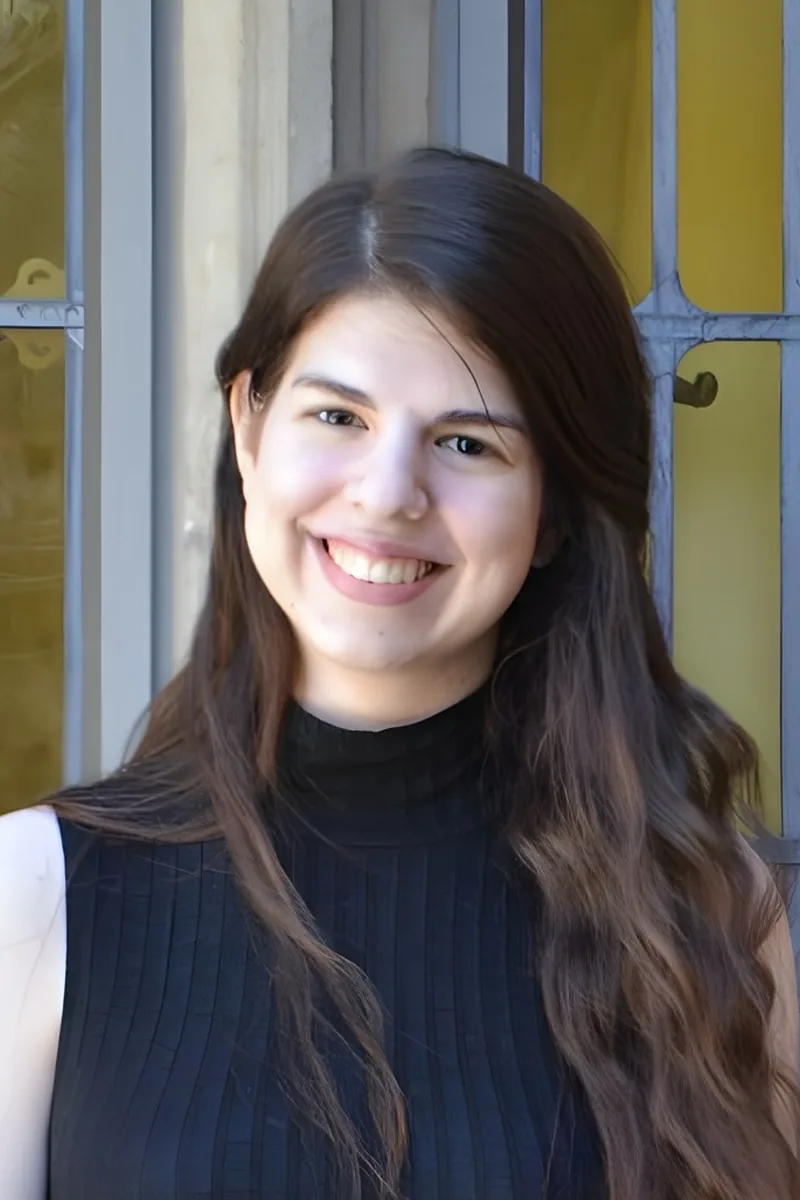
AP Lit asks students to do something most haven't practiced: write a persuasive literary argument under time pressure, using textual evidence with precision. Olivia teaches the difference between summarizing a poem or passage and actually analyzing how its language produces meaning — the skill that separates 3s from 5s on the free-response questions. She's particularly strong on poetry analysis, where students tend to freeze up without a clear method for unpacking imagery, tone, and structure.

AP Lit asks students to do something most of their English classes haven't prepared them for: build an original interpretive argument about a poem or passage they've never seen before, in 40 minutes. Amanda's dual background in psychology and literary study gives her a distinctive angle on close reading — she teaches students to track how a character's interiority or a narrator's tone functions as evidence for a thesis. That analytical precision is what earns 7s, 8s, and 9s on the free-response questions.
AP Lit's free-response questions reward students who can move beyond plot summary and build an argument about how literary devices shape meaning — a skill that takes practice with close reading and thesis construction. Emerson scored a 1560 on the SAT and studied at the University of Chicago, where rigorous textual analysis is woven into nearly every course. Rated 5.0 by students, he brings that analytical precision to poetry explication, prose passage work, and the open-ended essay.
AP English Literature asks students to do something genuinely difficult: read a poem or prose passage they've never seen and produce a polished analytical essay under time pressure. Muriel's degree in Spanish and Italian literature means she's spent years doing exactly this kind of close reading across multiple literary traditions, spotting how imagery, tone, and structure carry meaning. She teaches students to build arguments around textual evidence rather than plot summary — the skill that separates 3s from 5s.
A BA in English with a critical writing concentration gave Jess years of practice doing exactly what AP Lit demands: close reading a passage, identifying how literary techniques function, and constructing a thesis under time pressure. She digs into poetry and prose analysis with students, sharpening the interpretive instincts that earn high marks on the free-response essays.
Cracking open a passage from Beloved or Hamlet under timed conditions requires more than close reading — it demands a thesis that emerges fast and an argument built on literary devices, not plot summary. Nicole earned her English degree at the University of Miami, where she spent four years dissecting prose and poetry at the analytical level the AP Lit exam rewards. Rated 5.0 by students, she zeroes in on the free-response essays that make or break a 4 or 5.
I am passionate about learning and assisting others with the intention of becoming an excellent physician in the future. I am eager to apply the knowledge and skills that I have learned along the way to improve the lives of those looking to better themselves.
AP English Literature asks students to do something genuinely difficult: read a poem or passage cold and produce a polished analytical essay in 40 minutes. Parker's studio art training sharpened his ability to interpret layered works — spotting how imagery, tone shifts, and structural choices create meaning. He teaches students to build arguments around specific literary devices rather than summarizing plot.
AP English Lit asks students to do something most haven't practiced: construct a literary argument on the spot, weaving close reading of diction, imagery, and structure into a coherent thesis under timed conditions. Harrison's honors thesis work sharpened his ability to build evidence-driven arguments quickly, and he applies that same discipline to poetry analysis, prose passages, and the open-ended essay.
I am a law student, but I took an unusual route to get there. I used to attend medical school but had a change of heart in my career path. Part of this was due to my political science major (double major with biology) in college as well as a number of Spanish and other courses that I took. Tutoring is something, I feel, that has come naturally to me, even back to my high school days. My goal is to help you learn as much as you can and reach your true potential. I will work hard to make sure that this happens, as long as you put in the work, too! We will work together to tailor your learning experience to your needs.
AP Lit essays live or die on how precisely a student can connect a literary device to its effect on meaning — not just naming a metaphor but explaining what it does in context. Leslie's Classics degree trained her to do exactly this kind of close textual analysis across poetry, drama, and prose. She teaches students to build arguments around specific passages and craft thesis statements that go beyond surface-level observations.
AP Lit's free-response prompts demand more than plot summary; they want students to analyze how literary devices like imagery, tone shifts, and narrative structure create meaning. Kat's background across literature, expository writing, and essay editing means she tackles both the close-reading and the essay-craft sides of the exam in tandem, showing students how a sharp thesis and well-chosen textual evidence turn a mediocre response into a high-scoring one.
AP English Literature asks students to do something genuinely difficult: write a persuasive analytical essay about a poem or novel passage under time pressure. Alyssa teaches students to build arguments around literary devices like imagery, tone shifts, and structural choices rather than just summarizing plot. Her 4.9 rating speaks to how well that analytical approach clicks with students preparing for the exam.
AP Lit asks students to do something most haven't practiced: build a literary argument under a ticking clock, using specific textual evidence and sophisticated analysis of devices like imagery, tone shifts, and narrative structure. Jonathan is an active fiction writer studying at The Writers Studio in Manhattan, which means he reads prose the way the exam demands — with an eye toward how authors construct meaning at the sentence level. That craft-level awareness translates directly into the kind of close reading the free-response essays reward.
AP Lit asks students to do something genuinely difficult: read a poem or prose passage cold and produce a polished analytical essay under time pressure. Merav's MFA in Theater Arts means she spent years dissecting dramatic texts for subtext, imagery, and structural choices — exactly the interpretive muscles this exam tests. She teaches students to build a thesis from a single, well-chosen literary device rather than summarizing plot.
AP Lit asks students to do something genuinely difficult: read a poem or prose passage cold and produce a coherent literary argument in 40 minutes. Michelle, whose background spans history and comparative literature, teaches students to build claims around specific devices — imagery patterns, shifts in tone, narrative framing — rather than summarizing plot. That analytical muscle is what earns 4s and 5s.
AP English Literature asks students to do something genuinely difficult: read a poem or prose passage they've never seen and write a polished analytical essay in forty minutes. Amy digs into the specific skills that earn high scores — identifying literary devices like free indirect discourse or shifts in tone, then weaving those observations into a thesis-driven argument. As a college English major and lifelong reader, she knows this territory intimately.
Earning a Secondary Teacher's certification while studying English means Hailey is learning not just how to analyze literature but how to teach that analysis — breaking down why a particular stanza's enjambment or a narrator's shifting reliability matters, then coaching students to articulate those insights in timed, thesis-driven essays. Her 32 ACT and 5.0 tutoring rating back up an approach rooted in making the leap from 'I noticed something' to 'here's my argument about what it means.'
AP Lit asks students to do something genuinely difficult: read a poem or prose passage cold and produce a polished literary argument in forty minutes. Jean's dual background in history and law sharpened her ability to construct tight, evidence-driven arguments under pressure — exactly the skill this exam rewards. She teaches students to move past plot summary and dig into how literary devices like imagery, tone shifts, and narrative structure create meaning.
AP Lit asks students to do something genuinely difficult: read a poem or passage they've never seen before and build an analytical argument about it under time pressure. Sydny approaches each essay prompt by teaching students to identify literary devices — imagery, tone shifts, narrative structure — and convert those observations into a thesis that actually says something specific.
AP English Lit lives at the intersection of close reading and persuasive writing, and Joanne has spent years sharpening both skills — first through her English degree at Santa Clara and then through graduate work at Michigan. She digs into how students construct thesis-driven essays on poetry and prose, teaching them to move from surface-level plot summary to arguments about imagery, structure, and narrative voice that earn top scores.
AP English Literature asks students to do exactly what Winnie was trained for: read a poem or prose passage cold and produce a sharp, thesis-driven essay under time constraints. Her comparative literature background means she can teach students to analyze imagery, narrative voice, and structural choices across traditions — from Victorian novels to postcolonial fiction — with the specificity the exam demands.
Poetry analysis is where Carla comes alive. Her deep background in English literature means she can teach students to unpack a Dickinson poem's slant rhyme or trace the symbolic architecture of a Toni Morrison novel — exactly the kind of close reading that earns high marks on AP Lit free-response essays. She also coaches students on managing the multiple-choice section's time pressure without sacrificing careful reading.
AP English Lit demands more than plot summary — it asks students to analyze how literary devices create meaning in poetry and prose, then argue that analysis under timed conditions. Jonathan's University of Chicago education, heavy in literature and philosophy, trained him to do exactly that: construct a tight, evidence-driven essay about tone, imagery, or narrative structure in under forty minutes. His debate background also sharpens the thesis-building skills that earn top scores on the free-response section.
Teaching literature courses at UVA and the North Carolina Governor's School gave Anna a front-row seat to the exact skills AP Lit demands: reading a poem or passage cold, identifying how literary devices generate meaning, and building an argument about it under time pressure. Her dissertation on 20th-century American fiction means she's deeply familiar with the novels and movements that frequently appear on the exam. She treats literary analysis as a learnable craft, not an innate talent.
Testimonials
Because the right AP English Literature and Composition tutor makes all the difference.
Average Session Rating – Based on 3.4M Learner Ratings
Practice AP English Literature and Composition
Free practice tests, flashcards, and AI tutoring for AP English Literature and Composition
Nearby AP English Literature and Composition Tutors
Other Cape Coral Tutors
Related English Tutors in Cape Coral
Frequently Asked Questions
The AP English Literature and Composition exam tests your ability to analyze and interpret literature through close reading and essay writing. The exam has two sections: a multiple-choice section (45 questions in 60 minutes) where you analyze poetry, prose, and drama, and a free-response section (3 essays in 135 minutes) covering literary analysis, argument, and synthesis. Success requires understanding literary devices, textual evidence, and the ability to construct clear arguments about what you've read.
Personalized 1-on-1 instruction focuses on your specific weaknesses—whether that's identifying literary devices quickly, managing essay timing, or developing stronger thesis statements. Tutors work with you on close reading strategies, help you practice with released exam materials, and provide feedback on your essays to strengthen your analytical writing. For students in Cape Coral preparing for this demanding exam, targeted tutoring can build the confidence and skills needed to perform well on test day.
Many students struggle with pacing during the multiple-choice section—60 minutes to read passages and answer 45 questions requires efficient close reading skills. The free-response essays are another challenge; students often write plot summaries instead of analytical arguments, or fail to support claims with specific textual evidence. Time management across all three essays (literary analysis, argument, and synthesis) is critical, as is understanding how to adapt your writing approach for each essay type.
Score improvement depends on your starting point and how consistently you engage with tutoring and practice. Students who work with tutors on targeted strategies—like annotation techniques, essay structure, and timed practice—typically see meaningful gains. Most importantly, tutoring helps you identify which specific skills need work (close reading, thesis development, evidence integration) so your study time is focused and efficient rather than scattered.
Your first session focuses on assessment and planning. Expect to discuss your current reading level, any previous AP exam experience, and specific areas where you feel less confident. Tutors will likely have you work through a sample passage or essay prompt to understand your analytical process and identify immediate opportunities for improvement. This diagnostic approach helps create a personalized study plan tailored to your needs.
Practice tests are essential—they build familiarity with the exam format, help you develop pacing strategies, and reveal specific weak areas before test day. Taking full-length, timed practice tests under realistic conditions shows you where you need to focus your efforts. Tutors use practice test results to guide instruction, helping you understand not just what you got wrong, but why, and how to apply those lessons to future passages and essays.
Strong essays start with a clear, arguable thesis that directly addresses the prompt—avoid plot summary. Spend 5-10 minutes planning your essay and identifying specific textual evidence before you write. Each body paragraph should focus on one literary device or technique with concrete examples from the text. Tutors help you develop a consistent essay template that works across all three prompt types, so you can write with confidence and clarity under time pressure.
Varsity Tutors connects you with tutors who have deep expertise in AP English Literature and Composition and understand the specific skills this exam requires. When you get matched with a tutor, you can discuss their experience with the AP exam, their approach to teaching close reading and essay writing, and how they structure sessions. Finding the right fit means having someone who can explain literary concepts clearly and give you actionable feedback on your writing.
Let’s find your perfect tutor
Answer a few quick questions. We’ll recommend the right plan and match you with a top 5% tutor.