Award-Winning Microbiology Tutors
serving Albany, NY
Microbiology
Tutors in Albany
Private 1-on-1 tutoring, weekly live classes for academic support, test prep & enrichment, practice tests and diagnostics, and more to elevate grades and test scores.
Based on 3.4M Learner Ratings
UniversitiesSchools & Universities
DeliveredHours Delivered
ProficiencyGrowth in Proficiency
Who needs tutoring?
No obligation. Takes ~1 minute.
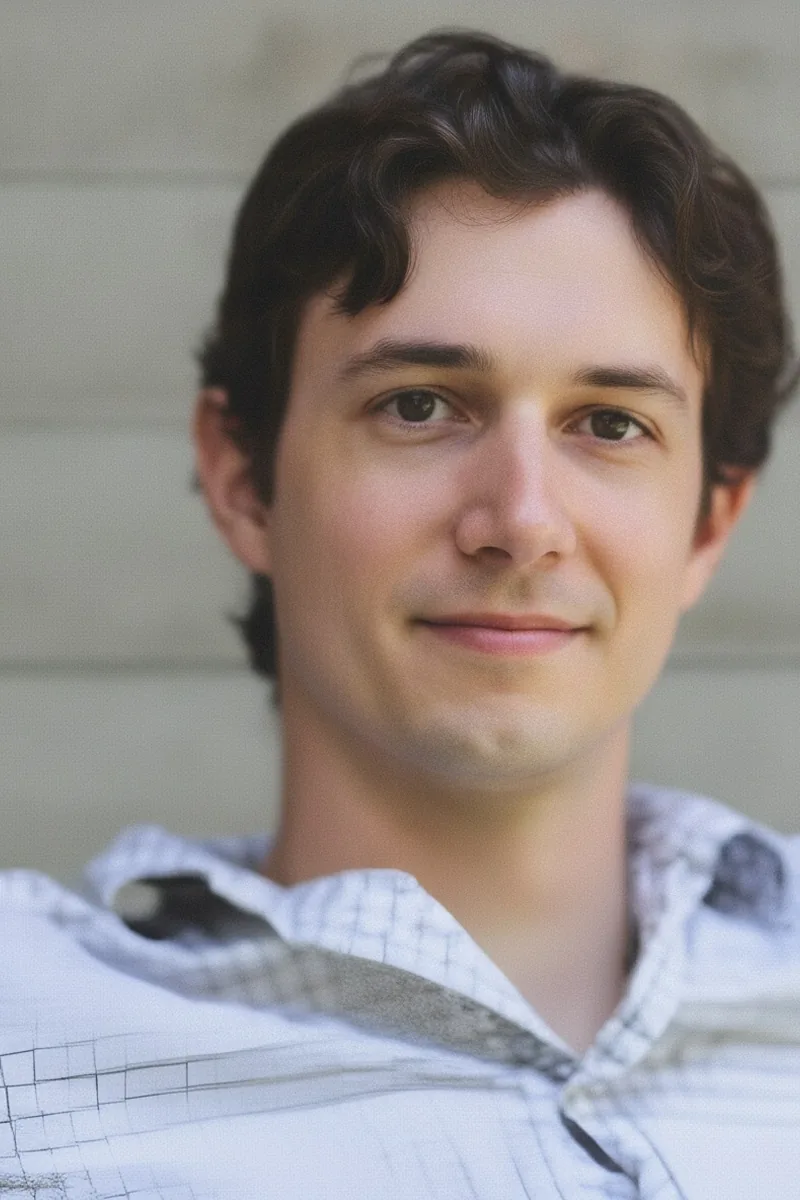
Josef's life sciences research at Cornell gave him hands-on familiarity with microbial systems, from bacterial cell structure and gram staining to pathogenic mechanisms and antibiotic resistance. He teaches microbiology by linking each organism's biology to its clinical or ecological significance, which makes classification and virulence factors far easier to retain.
Garrett's biology degree paired with his coursework in physiology and anatomy means he understands microorganisms in the context of the systems they infect — not as isolated names on a flashcard. He walks through topics like microbial cell structure, pathogen life cycles, and immune evasion strategies by anchoring each organism to the tissue-level damage it actually causes, which turns a massive taxonomy into something students can reason through.
A Stanford Human Biology degree with a concentration in bioinformatics gave Matthew a computational angle on microbiology — he thinks about microbial populations in terms of gene expression data, genomic analysis, and the quantitative patterns underlying concepts like antibiotic resistance and pathogen evolution. That top-down, systems-level perspective is especially useful for students who struggle to see how individual topics like bacterial metabolism or viral replication fit into the bigger biological picture. Rated 4.9 by students.
Understanding bacterial metabolism, viral replication cycles, and immune response pathways requires more than memorizing diagrams — it requires seeing how microorganisms interact with living systems. Li's training in both speech-and-hearing science and medicine gives her a clinical lens that makes microbiology concepts feel relevant and interconnected.
Ryan's master's work in cellular and molecular biology at Stanford, combined with hands-on synthetic biology research at NASA Ames, gave him deep fluency in microbial genetics, metabolic pathways, and laboratory techniques like PCR and gene cloning. He unpacks topics like bacterial pathogenesis and antimicrobial resistance by connecting them to the molecular mechanisms driving each process. Rated 5.0 by students.
Gram stains, bacterial metabolic pathways, and viral replication cycles all require a kind of systematic memorization that falls apart without conceptual scaffolding. Anni's graduate work in biomedical sciences at UMDNJ gave her direct experience with microbial concepts, and she teaches them by linking each organism's structure to its clinical significance.
Rebecca tutored microbiology throughout her time at Cornell while completing her biological sciences degree, so she knows exactly where students get lost — distinguishing bacterial metabolic pathways, interpreting Gram stain results, or connecting virulence factors to clinical outcomes. She teaches the subject by building a logical framework around microbial structure and function, which makes memorizing hundreds of organisms far more manageable.
Sam's Yale degree in Molecular Biophysics and Biochemistry gave him deep exposure to the cellular and molecular mechanisms that microbiology courses demand — membrane transport, metabolic pathways, bacterial genetics, and immune response. He connects these topics to their biochemical underpinnings, which makes processes like quorum sensing or antibiotic resistance easier to understand at a mechanistic level rather than through rote memorization.
A Harvard-trained biologist with classroom teaching experience, Elizabeth digs into microbial structure, metabolism, and pathogenesis with genuine enthusiasm for the subject. She's particularly strong at connecting micro-level processes — bacterial gene regulation, viral replication cycles — to the bigger biological picture. Her science teaching background means she can unpack dense material without losing the thread.
Her global health minor at Cornell meant Emily spent real time studying how pathogens spread, how immune responses work, and why microbial ecology matters beyond the lab. She digs into topics like bacterial cell structure, viral replication cycles, and antimicrobial resistance with the kind of context that makes memorization-heavy material more intuitive.
Medical school at Jefferson means Jamie is learning microbiology the way clinicians actually use it — identifying pathogens, understanding infection mechanisms, and connecting antimicrobial treatments to the specific vulnerabilities of each organism. That clinical lens, built on top of pre-med coursework in biology, biochemistry, and physiology, lets her trace a concept like bacterial virulence from the molecular machinery driving it all the way to the patient outcome it produces.
Most microbiology students drown in taxonomic details without a framework for why organisms behave differently — Miguel cuts through that by linking microbial concepts like metabolic pathways and cell structure back to the chemistry and biology principles that explain them. His broad science teaching background across biology, chemistry, and college-level courses means he can trace a topic like bacterial resistance or gram staining down to the molecular logic underneath.
AP Biology and general biology tutoring gave Hali a working fluency with cell structure, genetics, and organismal interactions — the building blocks that microbiology layers on top of when tackling topics like bacterial reproduction or prokaryotic gene regulation. Her visual arts background also turns out to be surprisingly useful for sketching out microbial structures and metabolic pathways in ways that make complex diagrams easier to internalize. Rated 5.0 by students.
I am and have always been committed to education and helping students in any way I can to achieve their academic goals.
I'm here to help them along the way!
I am highly praised by my students and supervisors. Even today I still kept the communication with many students.
Gram stains, virulence factors, antibiotic resistance mechanisms — microbiology throws a wall of terminology at students before they've had time to build a framework for organizing it. Rachel's medical school training required mastering microbial pathogenesis in clinical context, so she teaches each organism through the lens of how it actually causes disease and how the immune system responds.
Susan's biology concentration at NYU's Gallatin School, combined with her interest in public health, puts her right at the center of microbiology's most relevant material — bacterial pathogenesis, immune response, and microbial ecology. She unpacks topics like gram staining, metabolic pathways in prokaryotes, and viral replication cycles by tying them back to real disease mechanisms. Students preparing for exams or working through lab concepts get someone who genuinely lives in this material.
Between his biology degree and medical training, Umar has spent years with bacteria, viruses, and fungi — from gram staining techniques to understanding how antibiotic resistance develops at the genetic level. He connects microbiology concepts like pathogenesis and immune evasion to real clinical scenarios, turning what can feel like a massive memorization course into something with narrative structure.
Keeping bacterial classification, viral replication cycles, and immune response pathways straight requires more than flashcards — it requires seeing how each mechanism connects to the bigger picture. Sima's pre-med training and current research at Mount Sinai Medical Center give her a clinical lens on microbiology that ties pathogens, host interactions, and lab techniques into a coherent narrative.
Kellyann studied microbiology as part of her Physician Assistant training, where understanding bacterial pathogenesis, immune responses, and antimicrobial mechanisms wasn't academic — it was clinical. She brings that applied perspective to topics like gram staining, microbial metabolism, and viral replication cycles, connecting lab concepts to how infections actually behave in the body.
Ruby's pre-med coursework at Columbia covers microbial pathogenesis, bacterial cell structure, and immune response — topics she tackles alongside her broader interest in medicine and public health. Her experience teaching health curricula to ninth graders through Columbia's Peer Health Exchange sharpened her ability to explain complex host-microbe interactions in plain language.
Bacterial morphology, Gram staining protocols, and metabolic pathways like the Krebs cycle can blur together without a clear organizational framework. Chijioke holds a master's in biology and digs into microbiology by linking each organism's structure to its function and ecological niche, turning a massive amount of content into a coherent story.
Three years teaching high school biology in New Jersey meant Sasha regularly broke down cell structure, genetics, and metabolic processes — the exact building blocks that make microbiology coursework manageable when students hit topics like bacterial classification or microbial growth dynamics. Her master's in science education shapes how she sequences those concepts, layering each new idea onto what a student already understands rather than dumping terminology all at once.
Teaching introductory chemistry lab at Grand Valley State University meant Michael worked closely with bacterial cultures, aseptic technique, and growth curve analysis — exactly the hands-on context that makes microbiology concepts stick. His cellular and molecular biology background lets him explain everything from Gram staining mechanisms to metabolic pathways at the molecular level, not just as procedures to memorize.
Medical school at SUNY Downstate gave Jay a clinician's perspective on microbiology — he learned bacterial pathogenesis, viral replication cycles, and immune evasion strategies in the context of actual disease. That clinical framing makes it easier to teach concepts like Gram staining classification or antibiotic resistance mechanisms, because there's always a concrete reason behind the science.
Medical school gave Jeffrey a clinical lens on microbiology — identifying bacterial virulence factors, understanding antibiotic resistance mechanisms, and distinguishing viral replication cycles aren't abstract concepts when you've studied them in the context of patient care. He unpacks topics like gram staining, pathogen classification, and immune evasion strategies by tying them to the infectious disease cases that make the material memorable.
Bacterial genetics, viral replication cycles, and host-pathogen interactions can feel overwhelming when every organism seems to play by different rules. Michael's biology training at Columbia gives him a framework for organizing microbiology's complexity — he teaches students to spot the underlying patterns that connect Gram staining results to cell wall structure, or plasmid transfer to antibiotic resistance.
Gram stains, metabolic pathways, virulence factors, antibiotic resistance mechanisms — microbiology asks students to think at a scale they can't see, which makes it uniquely challenging. Alexey's biology background gives him a framework for connecting microbial behavior to the larger physiological and ecological systems students already understand, making the material more intuitive.
Having conducted molecular biology research in college, Scott understands microbial life at the cellular and genetic level — not just from a textbook but from time spent at the bench. He unpacks topics like bacterial gene regulation, microbial metabolism, and host-pathogen interactions by grounding them in the experimental logic that produced our knowledge of them.
A master's degree in biology gave Madeline graduate-level depth in the cellular and molecular processes that microbiology hinges on — membrane transport, metabolic pathways, and the structural differences between bacterial and eukaryotic cells. Her bilingual education certification also means she's practiced at breaking down dense scientific terminology for students who need concepts unpacked clearly, not just translated from the textbook.
Micheal's biotechnology degree and his work at Massachusetts General Hospital mean microbiology isn't theoretical for him — it's the daily reality of understanding bacterial pathogenesis, culture techniques, and antimicrobial resistance. He unpacks dense topics like metabolic pathways and microbial genetics by tying them to clinical scenarios students can visualize.
Medical school at Drexel meant Prateek had to master the clinically relevant microbiology — knowing which organisms cause what, how they evade the immune system, and why specific antibiotics work against specific bugs. His neuroscience background from Johns Hopkins adds depth when explaining topics like CNS infections and how pathogens interact with neural and immune tissue, turning what feels like rote memorization of bacterial families into a set of logical, mechanism-driven stories.
Gram staining, metabolic pathways in prokaryotes, viral replication cycles — microbiology requires holding a lot of interconnected detail in your head at once. Amelia's chemistry and biology training gives her a molecular-level fluency that lets her unpack topics like bacterial genetics or host-pathogen interactions without oversimplifying the underlying biochemistry.
Emily studied molecular, cellular, and developmental biology at Yale and then earned her MPH in epidemiology, giving her a dual lens on microbiology — she knows the bench science of bacterial genetics and viral replication cycles, and she understands how those organisms behave in populations. She digs into topics like gram staining, metabolic pathways, and host-pathogen interactions with the detail a college-level course demands.
As a second-year medical student with an undergraduate degree in Molecular, Cell, & Developmental Biology from UCLA, Vinay brings clinical context to microbiology topics like bacterial pathogenesis, viral replication cycles, and antimicrobial resistance mechanisms. He connects each organism's structure to its behavior — explaining *why* gram-negative bacteria respond differently to antibiotics, not just *that* they do. His pharmacology knowledge adds an extra layer for students studying micro in a pre-health context.
Few tutors have a dedicated microbiology credential — Felix earned an Associate in Science specifically in microbiology and taught biology at the university level as a TA. He digs into bacterial morphology, staining techniques, metabolic pathways, and microbial genetics with the kind of detail that lecture halls often gloss over. Whether it's understanding biofilm formation or interpreting antibiotic susceptibility results, he connects lab concepts to the underlying theory.
From bacterial gene regulation to viral replication strategies, microbiology demands comfort with both molecular detail and big-picture ecology. Zachary's graduate work in molecular biology gave him hands-on familiarity with the techniques and concepts — Gram staining, quorum sensing, antibiotic resistance mechanisms — that form the backbone of most microbiology courses.
Understanding microbiology means more than memorizing bacterial classifications — it requires seeing how metabolic pathways, genetic regulation, and environmental pressures shape microbial behavior. Alec studied genetics, genomics, and development at Cornell and taught biology content in both lecture and small-group settings, giving him a knack for making concepts like quorum sensing or virulence factor regulation feel intuitive rather than overwhelming.
The IB Biology program — both SL and HL — drills deep into microbial topics like cell theory, pathogen classification, and antibiotic resistance, and Kinjal completed that rigorous track before earning her biology degree at Texas A&M. That combination means she can walk through bacterial structure, microbial metabolism, and host-pathogen dynamics with the kind of layered understanding that comes from studying the material twice at increasing depth. Rated 5.0 by students.
Testimonials
Because the right Microbiology tutor makes all the difference.
Average Session Rating – Based on 3.4M Learner Ratings
Nearby Microbiology Tutors
Other Albany Tutors
Related Science Tutors in Albany
Frequently Asked Questions
The first session is an opportunity to discuss your current challenges, whether that's understanding bacterial cell structure, grasping metabolic pathways, or preparing for exams. Your tutor will assess your background knowledge and learning style, then create a personalized plan that targets your specific needs—whether you're strengthening foundational concepts or diving deeper into advanced topics like microbial genetics or immunology.
Absolutely. Microbiology labs involve hands-on techniques like culturing, staining, and identifying microorganisms—skills that require both theoretical understanding and practical knowledge. Tutors can help you interpret lab results, understand the scientific reasoning behind experimental design, and connect what you're observing under the microscope to the concepts you're learning in class. This bridges the gap between theory and real-world application, making lab work more meaningful and less intimidating.
Memorizing pathogen names or antibiotic classes won't help you solve problems or think like a microbiologist. Expert tutors focus on building conceptual understanding by connecting individual facts to bigger ideas—like how bacterial structure relates to antibiotic resistance, or how immune responses work against specific pathogens. Through guided practice and strategic questioning, you'll develop the ability to reason through unfamiliar scenarios rather than relying on rote recall.
Microbiology is full of abstract concepts—from flagella and pili to biofilm formation and viral replication—that are hard to picture without guidance. Tutors use diagrams, animations, models, and real-world examples to help you build mental images of these structures and processes. Breaking down complex mechanisms step-by-step and connecting them to observable phenomena makes the microscopic world feel concrete and easier to understand.
Students often struggle with balancing chemical equations in metabolic pathways, understanding the logic behind classification systems, and connecting microbial behavior to real-world contexts like disease transmission or food safety. Many also find it challenging to interpret lab data or apply concepts to novel situations on exams. Personalized tutoring addresses these specific pain points by building problem-solving skills alongside content knowledge.
Effective exam prep goes beyond reviewing notes—it involves practicing application questions, working through past exams under timed conditions, and identifying conceptual gaps before test day. Tutors help you develop study strategies tailored to your learning style, prioritize high-impact topics, and build confidence in your ability to reason through unfamiliar questions. This approach typically leads to stronger performance and deeper retention of material.
Look for tutors with strong backgrounds in microbiology or related sciences—ideally with experience teaching or tutoring the specific level you're studying (high school, college, or advanced). They should be able to explain complex concepts clearly, connect theory to real-world applications, and adapt their teaching to your learning style. Varsity Tutors connects you with expert tutors who have demonstrated expertise and a track record of helping students succeed.
Yes—ongoing tutoring is often more effective than cramming before exams. Regular sessions help you build understanding incrementally, stay on top of challenging topics as they're introduced, and develop strong scientific reasoning skills over time. Whether you need weekly support or targeted help with specific units, you can customize your tutoring schedule to fit your needs and keep pace with your coursework.
Let’s find your perfect tutor
Answer a few quick questions. We’ll recommend the right plan and match you with a top 5% tutor.