Award-Winning Elementary School Reading Tutors
serving New York, NY
Elementary School Reading
Tutors in New York
Private 1-on-1 tutoring, weekly live classes for academic support, test prep & enrichment, practice tests and diagnostics, and more to elevate grades and test scores.
Based on 3.4M Learner Ratings
UniversitiesSchools & Universities
DeliveredHours Delivered
ProficiencyGrowth in Proficiency
Who needs tutoring?
No obligation. Takes ~1 minute.
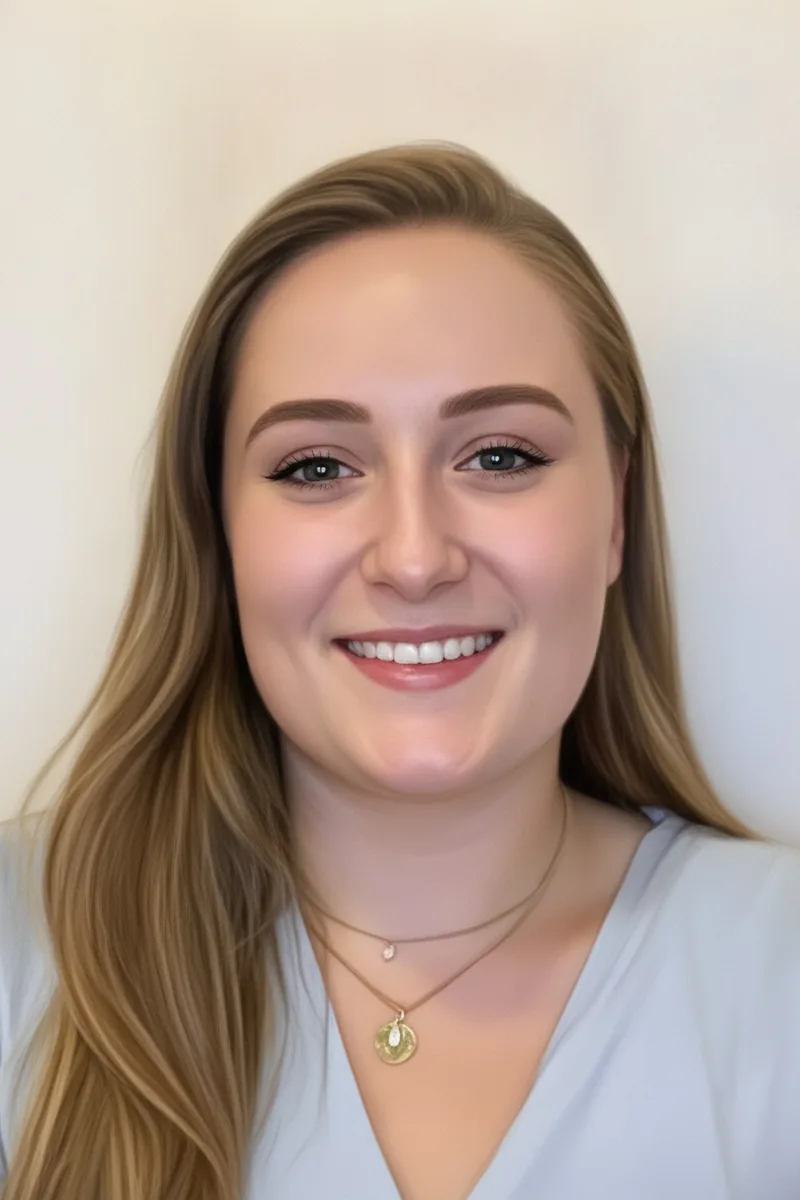
Object-based learning — examining a picture, artifact, or illustration before diving into text — is one of the most effective ways to build reading skills in younger students. Mimi developed this technique through years of museum education work and refined it during her master's program at Harvard. She applies it to phonics, vocabulary, and comprehension so that early readers connect words to meaning, not just sound.
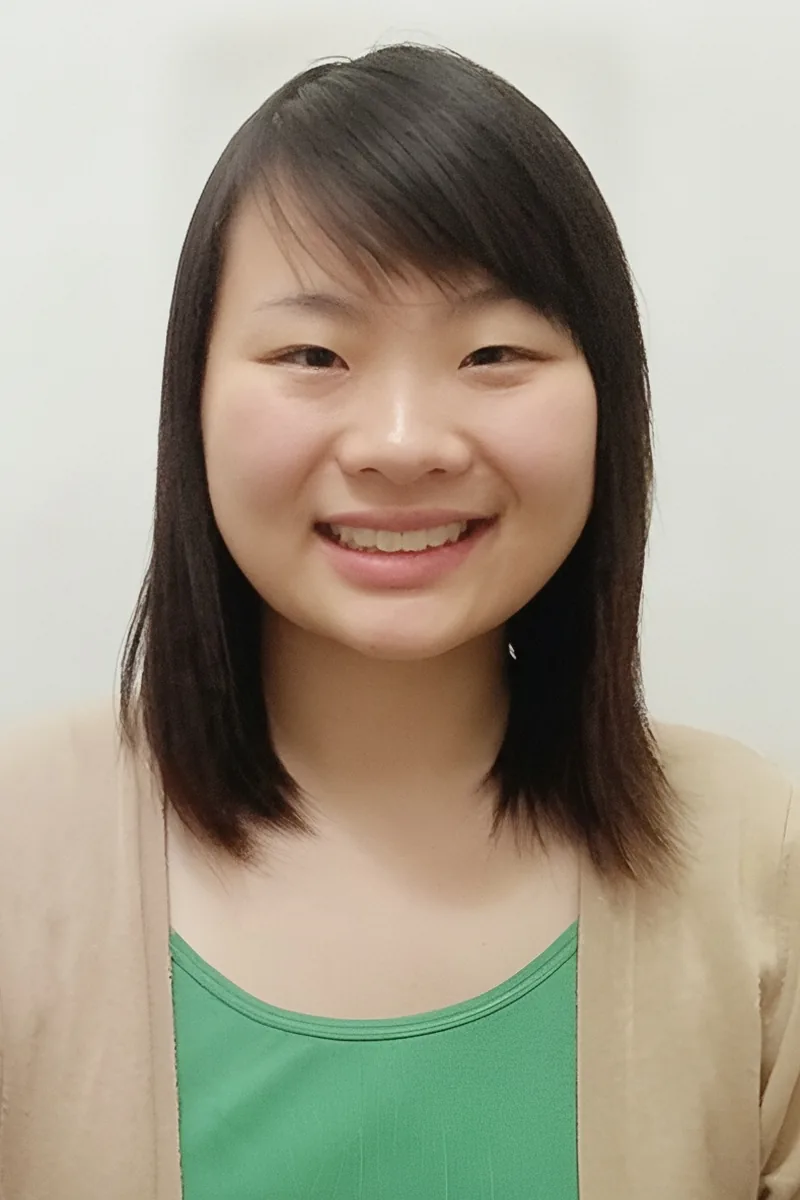
Sherry is pursuing a master's in speech-language pathology at Columbia's Teachers College, which means she understands the cognitive mechanics behind how young readers decode words, build fluency, and develop comprehension. She teaches phonics patterns, sight-word recognition, and read-aloud strategies tailored to each child's reading level. Her 5.0 rating speaks to how well she connects with elementary-age learners.
Building real reading confidence at the elementary level means more than just decoding words — it means learning to make predictions, ask questions about characters, and connect stories to personal experience. Vivian teaches these comprehension strategies explicitly, giving young readers tools they can use every time they pick up a book.
Early reading clicks when a child connects decoding skills to actual meaning — sounding out words matters, but so does understanding what a sentence is saying. Julia's mentoring work with elementary students gave her practice making that bridge, using context clues, picture cues, and guided questions to build both fluency and comprehension at the same time. She's patient and adaptive, adjusting her approach based on what each reader needs.
Before a child can love reading, they need to feel successful at it. Vansh zeroes in on the specific skill holding a young reader back — whether that's decoding unfamiliar words, tracking a character's motivations, or retelling a story in sequence — and builds confidence around that one thing before moving on.
Learning to read confidently means more than sounding out words — it's building the comprehension skills to retell a story, identify a main idea, and make predictions about what comes next. Natalie spent years tutoring young readers in West Philadelphia, where she developed a patient, encouraging approach to phonics, fluency, and vocabulary that keeps kids engaged rather than frustrated.
Early reading is all about building momentum: phonics, sight words, and fluency need to click before comprehension can take off. Esther's 5.0 rating speaks to her warmth and patience, two qualities that make a real difference when a young reader is sounding out unfamiliar words or tackling their first chapter book.
Early reading is as much about confidence as it is about decoding words, and Zachary's cognitive science background gives him insight into how young minds build connections between sounds, letters, and meaning. He teaches phonics patterns, sight-word recognition, and basic comprehension strategies through interactive, story-driven sessions. His 4.8 rating speaks to how well he keeps younger learners focused and motivated.
Early reading confidence comes from connecting sounds, vocabulary, and comprehension in a way that feels like discovery rather than drills. Maddy's background in theater and storytelling gives her a natural ability to bring texts alive for young readers, making it easier for them to engage with characters, follow plot sequences, and start building the habit of reading for meaning.
When a young reader stumbles over a word or loses track of a story's plot, the instinct is often to just move on. Dakota slows those moments down, teaching decoding strategies, vocabulary context clues, and comprehension checks that turn confusion into understanding. A lifelong reader with a background in literature and philosophy, Dakota brings genuine enthusiasm to every reading session.
Early reading instruction is all about building fluency and comprehension simultaneously — decoding words on the page while actually understanding what's happening in the story. Sharon's City Year experience placed her in daily, one-on-one work with students performing well below grade level, and one-fourth of her students jumped roughly 15 percentile points by year's end.
Phonics, sight words, and reading fluency each require a different approach depending on where a child is in their reading journey. Noah has worked with kids from kindergarten through elementary school and knows how to match the right strategy to the right moment — whether that's sounding out unfamiliar words or starting to make predictions about what happens next in a story.
Early reading is as much about confidence as it is about phonics. Tess's performance training at Northwestern gave her a knack for making stories come alive through character voices and dramatic pacing, which keeps young readers engaged while they practice decoding, fluency, and comprehension skills.
Growing up immersed in literature at Brearley and now studying anthropology at Carleton, Victoria brings a storyteller's instinct to elementary reading — she knows how to make a book feel like an invitation rather than an assignment. She teaches young readers to track characters, ask questions about what's happening on the page, and build the vocabulary that makes the next book a little easier than the last. Rated 5.0 by students.
Rachel approaches early reading by connecting phonics and sight words to stories kids actually want to read, building the kind of momentum that turns reluctant readers into curious ones. Her background in literature and theater means she brings characters to life during read-alouds, which strengthens comprehension and keeps young learners engaged with the text.
An avid reader herself, Margaret connects early readers with strategies like context clues, sounding out unfamiliar words, and retelling stories in their own words. She taught in elementary classrooms and knows how to match a child's reading level with texts that actually hold their attention. Rated 5.0 by families she's worked with.
Early reading skills like phonics, fluency, and comprehension don't develop at the same pace for every child, and Caleigh adjusts her approach based on where each reader currently is. Her 5.0 rating comes from making sessions feel more like shared exploration of a story than a drill, while still targeting specific skills like decoding unfamiliar words and retelling key details.
Building reading confidence early changes a child's entire academic trajectory. Jing teaches phonics, sight words, and comprehension strategies with patience and structure, drawing on her own experience learning to read fluently in two very different languages. She holds a 5.0 rating from the families she's worked with.
Early readers need someone who makes the jump from decoding words to understanding sentences feel natural and fun. Melody tackles phonics patterns, sight word recognition, and basic comprehension questions by connecting stories to things kids already care about. Her patience and 4.9 rating show she knows how to keep younger learners engaged without turning reading into a chore.
Phonics, sight words, and early fluency are the building blocks, but Emily also knows that elementary readers need to start asking questions about what they read — why did the character do that? What might happen next? She connects decoding skills to comprehension from the very beginning, so students don't just sound out words but actually engage with stories.
Early reading is all about building confidence — sounding out unfamiliar words, recognizing sight words automatically, and starting to understand what a sentence means as a whole. Shin keeps lessons interactive, using questions and predictions to turn passive decoding into active comprehension. His wide-ranging love of books gives him a deep well of age-appropriate texts to match each student's interests.
Early reading clicks when a child connects decoding skills to actual meaning — sounding out a word and understanding why it matters in the sentence. Jordan's background in anthropology and philosophy makes him especially attentive to how context shapes comprehension, and he uses that lens to teach vocabulary, main-idea identification, and inference at an age-appropriate level.
Early reading clicks when a child starts connecting sounds to letters and letters to meaning — and that process takes patience and repetition done right. Katie's love of patterns makes her a natural fit for phonics and sight-word recognition, and her performance background means she reads aloud with the kind of expression that makes stories come alive. She builds fluency by making each session feel less like drilling and more like discovery.
Early reading confidence comes from connecting sounds to letters, letters to words, and words to meaning — and Morgan approaches each stage with patience and structure. Whether a student is sounding out phonics patterns or learning to identify the main idea in a short passage, Morgan keeps sessions interactive and low-pressure. A 5.0 client rating speaks to that ability to make young readers feel capable rather than frustrated.
I am too. I would ask about what classes they like or don't like, what their interests are, why they think they might be struggling in a certain subject, what they are doing to excel in a different subject, what they would want me to do to help, what they want to do, and what goals they have for themselves both in the short term and long term, etc.
Early readers need someone patient enough to sit with a tricky word and curious enough to make the story exciting. Malik's experience in after-school programs and substitute teaching gave him plenty of practice turning phonics drills and sight-word practice into something kids actually want to do. He connects reading to storytelling so that young learners start to see books as fun, not homework.
Early reading skills like phonics, sight words, and basic comprehension questions set the stage for everything a student will do in school. Connor spent his senior year of high school working directly with elementary students as a volunteer assistant, building the kind of one-on-one rapport that makes young readers feel safe sounding out tough words and asking questions.
Early reading instruction is where Meredith's Child Development expertise matters most. She understands the progression from phonemic awareness through fluency and comprehension, and she's applied that knowledge in real classroom settings — adjusting decoding strategies, building sight-word recognition, and asking the kinds of questions that teach young readers to think about what a text actually means.
Early reading is where a child's entire relationship with books takes shape, and Cassandra treats it with that kind of seriousness. Her TESOL certification means she understands phonemic awareness, sight-word acquisition, and fluency-building at a technical level, while her actor's instinct for expression and pacing turns read-alouds into the kind of experience that makes kids want to pick up the next book themselves.
Early reading clicks when a child connects sounds to meaning and starts to feel like a real reader, not just someone sounding out words. Amanda's hands-on experience with 4th grade ELA and younger learners means she knows how to teach phonics, sight words, and reading fluency while keeping sessions playful and encouraging. Rated 5.0 by the families she's worked with.
Getting young readers to decode words is only half the job; the other half is building comprehension habits like predicting, summarizing, and making connections to the story. Kierra's Master's in Urban Education gave her targeted strategies for working with early readers at different levels, and her 5.0 rating speaks to how well those strategies land with families.
Younger readers often need someone who can make phonics patterns and sight words feel like a game rather than a chore. Andrea draws on her trilingual background — she's fluent in English, Spanish, and Galician — to explain how sounds and letters connect, building the kind of decoding confidence that turns reluctant readers into curious ones.
Young readers often need someone patient enough to sit with a tricky passage and turn confusion into curiosity. Mo uses read-aloud strategies, context-clue exercises, and vocabulary games to get elementary students comfortable decoding unfamiliar words and retelling what they've read in their own words.
Yasmeen breaks early reading into manageable pieces: decoding unfamiliar words, making predictions before turning the page, and retelling a story's key events in order. Her dual background in psychology and the arts means she understands how kids process language differently and can adapt her approach — phonics-heavy for one learner, context-clue strategies for another.
Early reading skills like phonics, sight word recognition, and basic comprehension set the trajectory for everything that comes later in school. Akanksha takes a patient, step-by-step approach with elementary readers, using read-aloud exercises and targeted questions to build vocabulary and strengthen the habit of checking for understanding. She keeps sessions engaging so younger students stay focused and actually enjoy the process.
Phonics, sight words, fluency, and that pivotal shift from learning to read to reading to learn — elementary reading covers enormous ground. Lauren's deep background in English and her experience managing tutors at a high-end NYC firm taught her how to identify exactly where a young reader is getting stuck and adjust on the spot. Rated 5.0 by students and families.
Early reading skills like phonics, sight words, and basic fluency set the trajectory for everything that comes later in school. Danya's extensive experience tutoring ESL learners — many of whom are building these foundational skills regardless of age — gives her a deep toolkit for making decoding and comprehension feel like a game rather than a chore. She's patient, creative, and rated 4.9 by the families she's worked with.
Ivy League professor offering customized academic support. I completed both my Bachelor's and Master's degrees at Columbia University, where I have taught writing, literature, and literary translation. I have been helping students hone their writing skills in various formats since 2005. Through customized tutoring and in the classroom, my passion is helping students in high school, college, and graduate school with all things writing-related. Whether you need to craft the perfect college application essay, are preparing for the SATs, APs, or GREs, or would like support writing your doctoral dissertation, I'd love to design a custom course of study to help you build your skills and achieve your goals. I also offer tutoring for language acquisition in Spanish and in English. Based on my 15+ years of experience teaching in Los Angeles, New York City, and Mexico, I believe every student can succeed with the proper support and encouragement. Over the years, I have taught essay writing, critical reading, creative writing, English, Spanish, translation, test preparation, and more, helping hundreds of students to reach their goals. Let's plan your success story today!
Early reading clicks when a child can connect sounds to meaning — not just decode words on a page but actually understand what a story is telling them. Jayla breaks reading into manageable pieces, working through phonics, sight words, and comprehension questions so young readers build genuine confidence with every book they pick up.
Getting a young reader to love books starts with matching them to stories that actually spark curiosity — not just assigning leveled readers and hoping for the best. Ayomide turns reading sessions into something her students look forward to, building phonics, fluency, and comprehension through texts kids genuinely want to talk about. Rated 5.0 by families she's worked with.
Testimonials
Because the right Elementary School Reading tutor makes all the difference.
Average Session Rating – Based on 3.4M Learner Ratings
Nearby Elementary School Reading Tutors
Other New York Tutors
Related English Tutors in New York
Frequently Asked Questions
Elementary readers often struggle with phonics and decoding, comprehension of longer texts, and building reading fluency at grade level. Many students also have difficulty understanding what they read—they can decode words but don't grasp the main idea or remember key details. Personalized tutoring can target these specific gaps, whether a student needs help with foundational skills or strategies to understand more complex stories and informational texts.
During the first session, a tutor will assess your child's current reading level, identify specific strengths and areas for improvement, and learn about their interests and learning style. This helps create a personalized plan tailored to your child's needs—whether that's building phonics skills, improving fluency, or developing comprehension strategies. Varsity Tutors connects you with tutors who take time to understand each student as an individual.
Tutors use targeted strategies like asking guiding questions before, during, and after reading to help students think actively about texts. They teach techniques like predicting, visualizing, summarizing, and making connections—skills that transform passive reading into engaged learning. With personalized 1-on-1 instruction, students get immediate feedback and practice applying these strategies to books at their level, building confidence and deeper understanding.
Most students show noticeable progress in fluency and confidence within 4-6 weeks of consistent, personalized tutoring—though the timeline depends on where your child is starting and how frequently they receive instruction. Regular practice with a tutor, combined with reading at home, accelerates improvement. The key is targeted instruction that addresses your child's specific needs rather than generic practice.
Expert tutors working with Varsity Tutors have deep knowledge of reading instruction, literacy development, and age-appropriate strategies. Many have backgrounds in education, English, or specialized reading instruction. Varsity Tutors matches you with tutors who have experience working with elementary students and understand New York's curriculum standards, ensuring your child gets instruction from someone who knows how to teach reading effectively.
Yes. Personalized tutoring is especially valuable for students who are behind, because tutors can slow down, break skills into smaller steps, and build confidence alongside competency. Rather than moving at a classroom pace, tutors work at your child's speed, celebrate progress, and adjust instruction based on what's working. Many students who felt discouraged about reading discover they can learn when instruction is tailored to their needs.
Reading together daily is one of the most powerful things you can do—it builds fluency, vocabulary, and a love of reading. Ask your child questions about what they're reading, let them choose books they're interested in, and read aloud together even if they can read independently. Your tutor can suggest specific strategies and books matched to your child's level, turning home reading time into an extension of their personalized tutoring.
Varsity Tutors makes it easy to connect with an expert reading tutor for your child. You can reach out with details about your student's grade level and reading needs, and we'll match you with a tutor who's a great fit. From there, you'll schedule your first session and begin personalized instruction designed to help your child become a more confident, capable reader.
Let’s find your perfect tutor
Answer a few quick questions. We’ll recommend the right plan and match you with a top 5% tutor.