Award-Winning MCAT Chemical and Physical Foundations of Biological Systems Tutors
serving Rochester, NY
Who needs tutoring?
FEATURED BY


TUTORS FROM
- YaleUniversity
- PrincetonUniversity
- StanfordUniversity
- CornellUniversity
Award-Winning MCAT Chemical and Physical Foundations of Biological Systems Tutors serving Rochester, NY
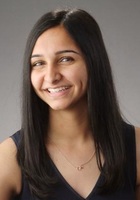
Certified Tutor
6+ years
Rhea
The MCAT's Chemical and Physical Foundations section blends general chemistry, organic chemistry, physics, and biochemistry into passage-based problems that reward fast, integrated thinking. As a pre-med biology major at the University of Chicago, Rhea has recently worked through this exact content ...
University of Chicago
Bachelor of Science, Biology, General
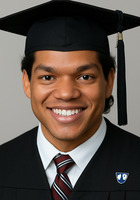
Certified Tutor
Tony
Tackling the Chemical and Physical Foundations section requires connecting general chemistry and physics concepts to biological systems — something Tony did routinely as a biology major at Yale preparing for medical school. He breaks down high-yield topics like enzyme kinetics, fluid dynamics, and e...
Yale University
Bachelor of Science in Biology
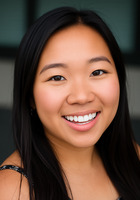
Certified Tutor
10+ years
Samantha
The Chem/Phys section of the MCAT demands more than content recall — it requires applying general chemistry, organic chemistry, and physics concepts within passage-based experimental scenarios. Samantha, currently in medical school, unpacks how to read data tables mid-passage, connect them to underl...
Duke University
Bachelors in Global Health Determinants, Behaviors, and Interventions
Harvard Medical School
Current Grad Student, MD
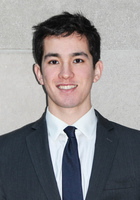
Certified Tutor
10+ years
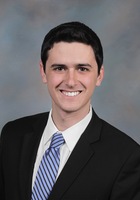
Zachary
The Chem/Phys section of the MCAT demands more than knowing general chemistry and physics — it requires applying those principles to biological systems under time pressure, from enzyme kinetics and thermodynamics to fluid dynamics in the circulatory system. Zachary's biochemistry and biophysics degr...
Yale University
Bachelors, Biochemistry and Biophysics
Certified Tutor
6+ years
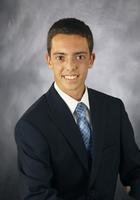
David
Covering everything from Newtonian mechanics to amino acid chemistry, the Chem/Phys section demands fluency across disciplines that most students studied years apart. David's neuroscience background at Yale included heavy coursework in general chemistry, organic chemistry, and physics, so he connect...
Yale University
Bachelor of Science in Neuroscience
Harvard University
Current Grad Student, Bioethics and Medical Ethics
Certified Tutor
9+ years
Benjamin
Preparing for the MCAT's Chemical and Physical Foundations section requires connecting general chemistry, organic chemistry, and physics to biological systems — exactly the kind of cross-disciplinary thinking Benjamin's Vanderbilt neuroscience degree demanded. He breaks down passage-based questions ...
Vanderbilt University
Bachelor's degree in neuroscience and Russian
Certified Tutor
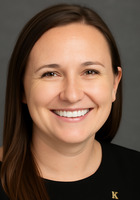
Laura
The Chem/Phys section of the MCAT throws biochemistry, general chemistry, organic chemistry, and physics at students in passage-based formats that demand fast analytical reading as much as content knowledge. Laura breaks down complex passages — enzyme kinetics graphs, electrochemistry calculations, ...
Massachusetts Institute of Technology
Bachelors, Economics
Certified Tutor
6+ years
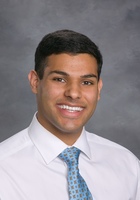
The Chem/Phys section of the MCAT demands rapid passage interpretation layered on top of general chemistry, organic chemistry, and physics — and Sanjay has been through it himself with a biochemistry degree and medical school under his belt. He breaks down passage-based reasoning strategies for topi...
Rice University
Bachelor in Arts
Certified Tutor
8+ years
Amanda
The Chemical and Physical Foundations section throws organic chemistry, physics, and general chemistry at students in passage-based formats that reward fast, accurate reasoning under pressure. Amanda tackled the MCAT herself on the path to her MD and knows which high-yield topics — enzyme kinetics, ...
The University of Alabama
Bachelor of Science, Biology, General
Baylor College of Medicine
Doctor of Medicine, Public Health
Certified Tutor
Jean
Having taken the MCAT and earned admission to Harvard Medical School, Jean knows firsthand how the Chemical and Physical Foundations section blends general chemistry, organic chemistry, and physics into passage-based reasoning problems. She teaches students to decode experimental setups quickly and ...
Harvard College
Bachelor in Arts, Sociology
Harvard Medical School
Doctor of Medicine, Medicine
Nearby MCAT Chemical and Physical Foundations of Biological Systems Tutors
Other Rochester Tutors
Related Graduate Test Prep Tutors in Rochester
Frequently Asked Questions
This section tests your understanding of general chemistry, organic chemistry, biochemistry, and physics as they apply to biological systems. Key topics include atomic structure, bonding, thermodynamics, kinetics, acid-base chemistry, enzyme mechanisms, and fluid dynamics. The section is designed to assess how well you can apply chemical and physical principles to real biological processes—a critical skill for medical school success.
Score improvement depends on your starting point, study consistency, and the specific concepts you need to strengthen. Many students see 3-5 point improvements on this section after focused tutoring, particularly when working with a tutor who identifies whether your gaps are in foundational chemistry, problem-solving strategy, or test-taking pacing. The key is targeted practice on your weakest areas rather than reviewing material you already know well.
Students typically struggle with three main areas: (1) integrating chemistry and physics concepts to solve unfamiliar biological problems, (2) managing the time pressure—this section requires both conceptual understanding and quick calculation skills, and (3) distinguishing between questions that test pure chemistry versus those requiring biological context. Many students also find the organic chemistry mechanisms and biochemical pathways challenging because they require both memorization and application.
Varsity Tutors connects you with expert tutors who specialize in MCAT preparation and can customize sessions to your needs. Your tutor will typically start by assessing your strengths and weaknesses through practice problems, then focus on targeted concept review, problem-solving strategies, and timed practice. Sessions often include working through released MCAT questions, building shortcuts for common problem types, and developing a study schedule that fits your timeline.
Both are important, but they serve different purposes. Section-specific practice helps you build mastery of individual topics and test-taking strategies without fatigue, while full-length practice tests build stamina and help you identify pacing issues across all sections. Most students benefit from starting with section-specific practice to strengthen weak areas, then incorporating full-length tests every 2-3 weeks as test day approaches. Your tutor can help you determine the right balance based on your timeline and current performance.
Pacing challenges often stem from spending too long on difficult questions or getting caught up in complex calculations. Effective strategies include: (1) reading the question stem first before diving into the passage, (2) flagging harder questions and returning to them after easier ones, (3) knowing when to estimate rather than calculate precisely, and (4) practicing with a timer to build speed without sacrificing accuracy. A tutor can help you identify which types of questions slow you down and develop personalized strategies to address them.
Many pre-med students need to refresh foundational chemistry before tackling MCAT-level problems. Tutors can help you quickly rebuild concepts like molarity, equilibrium, and acid-base chemistry, then immediately apply them to MCAT-style questions. Rather than spending weeks on general chemistry review, targeted tutoring focuses on the specific concepts tested on the MCAT and bridges the gap between general chemistry and how it appears in biological contexts.
Look for tutors with strong chemistry and physics backgrounds who have successfully prepared students for the MCAT. Ideally, they've scored well on the MCAT themselves and understand both the content and test-taking strategies. For students in Rochester, Varsity Tutors connects you with tutors who have experience with this specific section and can explain complex concepts clearly while also teaching you how to approach unfamiliar problem types efficiently.
Connect with MCAT Chemical and Physical Foundations of Biological Systems Tutors in Rochester
Get matched with local expert tutors