Award-Winning AP English Literature and Composition Tutors
serving Staten Island, NY
AP English Literature and Composition
Tutors in Staten Island
Private 1-on-1 tutoring, weekly live classes for academic support, test prep & enrichment, practice tests and diagnostics, and more to elevate grades and test scores.
Based on 3.4M Learner Ratings
UniversitiesSchools & Universities
DeliveredHours Delivered
ProficiencyGrowth in Proficiency
Who needs tutoring?
No obligation. Takes ~1 minute.
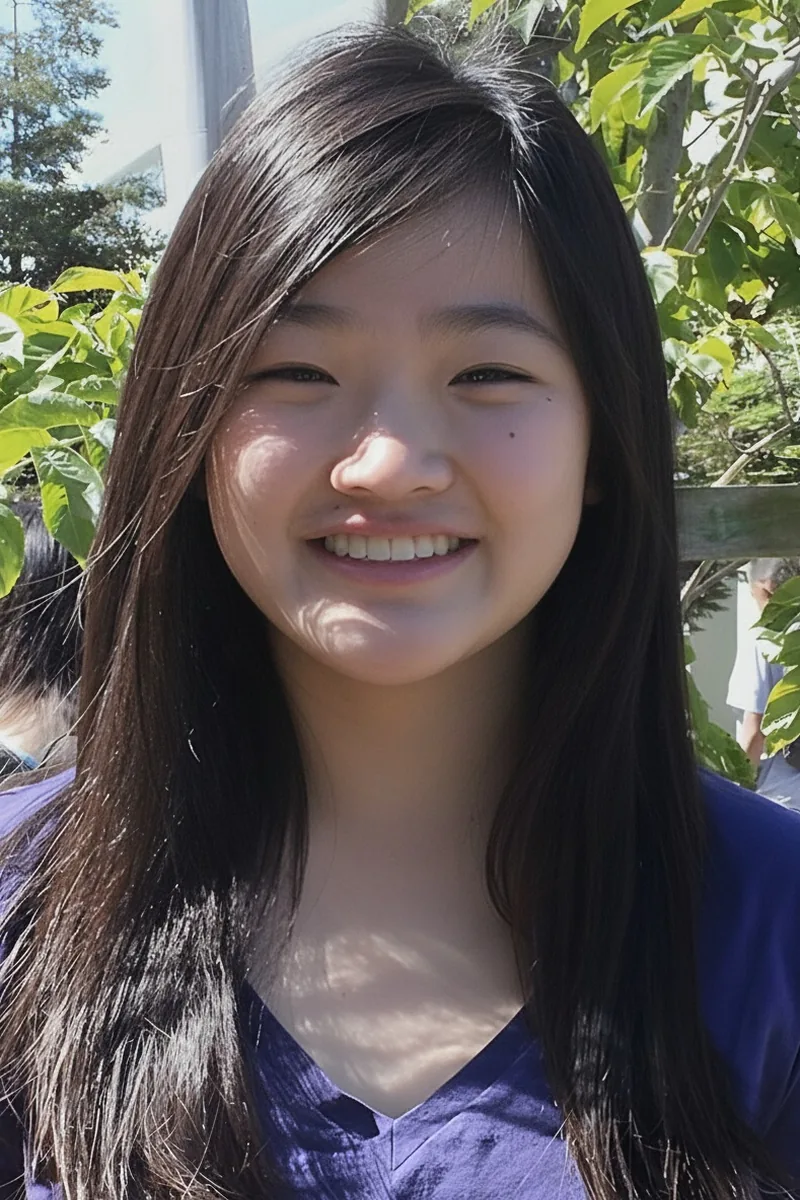
AP Lit essays live or die on how well a student can connect a specific literary device — a symbol, a shift in narrative voice, an ironic reversal — to the work's larger meaning. Julie's philosophy background at Princeton trained her to construct tight, thesis-driven arguments from textual evidence, exactly the skill the exam's free-response questions demand.
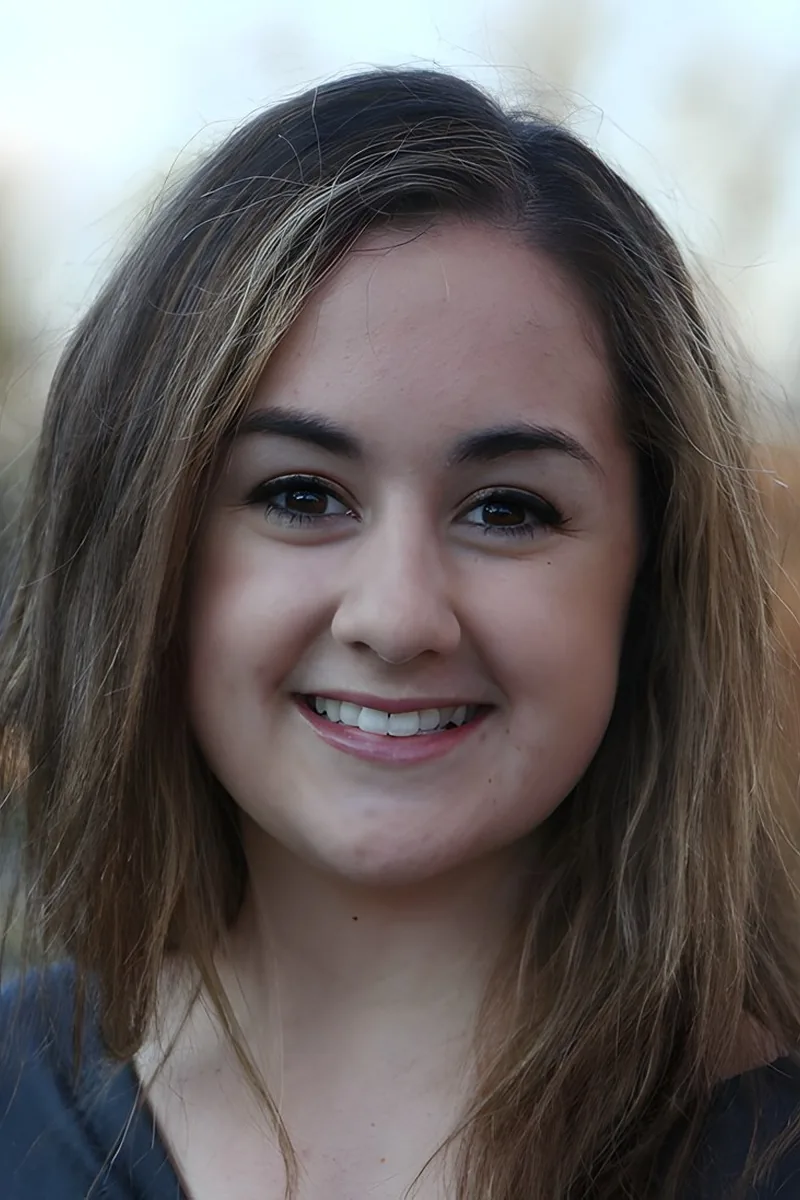
Spending a semester at Madrid's top-ranked university reading literature alongside Spanish students sharpened Meghan's ability to dissect texts across cultural contexts — exactly the close-reading skill AP Lit demands. She teaches students to build thesis-driven essays around literary devices like imagery, tone shifts, and narrative structure, not just plot summary. Her 5.0 rating speaks to how well that translates in practice.
AP Lit asks students to do something most haven't practiced: write a polished literary argument under pressure, using textual evidence with precision. David breaks down each essay type — the poetry analysis, the prose fiction analysis, the literary argument — and shows how to build a thesis that goes beyond plot summary into genuine interpretation.
AP Lit's free-response questions reward students who can move beyond plot summary and build arguments around literary devices — symbolism, tone shifts, narrative structure. Priscilla's Harvard coursework in government and economics trained her to construct tight, evidence-driven essays under pressure, a skill she applies directly to poetry and prose analysis on exam day.
AP English Lit asks students to do something genuinely difficult: read a poem or passage cold and produce a polished analytical essay under time pressure. Sarah's BA in English from Oberlin and her ongoing PhD work at Harvard mean she can teach students to unpack figurative language, track shifts in tone, and build thesis-driven arguments about texts they've never seen before. Her poetry background is especially useful for the notoriously challenging poetry analysis prompt.
AP Lit essays live or die on how well a student can connect a specific literary device to a work's larger meaning — not just identify a metaphor, but explain what it's doing. Sophia, an award-winning creative writer with a Vanderbilt humanities background, teaches students to build that kind of argument under timed conditions, whether they're tackling a poetry analysis or an open-ended prompt. Her own writing practice gives her a sharp eye for the difference between summary and genuine literary analysis.
AP English Literature asks students to do something most haven't been trained for: write a polished literary argument under time pressure about a poem or passage they've never seen. Maddy wrote an honors thesis on art criticism at Harvard and spent years analyzing fiction, poetry, and Shakespeare — she teaches the close-reading instincts and essay structures that earn high scores on the free-response section.
AP English Lit asks students to do something genuinely difficult: write a persuasive analytical essay about a poem or passage they've never seen, under time pressure. Elijah's MFA in Acting means he's spent years unpacking subtext, figurative language, and narrative structure in scripts — the same close-reading muscles the exam demands. He teaches students to build arguments around literary devices like imagery, tone shifts, and irony rather than defaulting to plot summary.
AP English Lit asks students to do something Malina has done thousands of times: take a piece of literature apart and explain how its language creates meaning. Her Yale Classics training in close reading poetry and prose — tracking meter, diction, imagery, and narrative structure — maps directly onto the skills the free-response essays demand. She's particularly strong at teaching students to write thesis-driven analyses under timed conditions.
AP Lit demands more than understanding a poem — it requires writing a timed, thesis-driven essay that makes an interpretive argument about how literary techniques create meaning. Jamie's English degree from Birmingham-Southern and law training at Fordham built exactly that skill set: close reading combined with persuasive, evidence-based writing under pressure. Rated 4.9 by students.
AP English Literature rewards the kind of close, critical reading Victoria has spent years perfecting as a PhD candidate at Columbia, where she routinely dissects dense ethnographic and theoretical texts. She teaches students to build literary arguments that go beyond plot summary — analyzing how imagery, structure, and narrative voice create meaning in poetry and prose. Rated 5.0 by students.
AP Lit rewards the student who can dig beneath a poem or passage and articulate how literary devices create meaning — not just identify them. Kimberly approaches close reading as an analytical skill, teaching students to build arguments about tone, structure, and figurative language that hold up under the pressure of timed essays. Her arts background at Wesleyan and strong writing instincts make her especially effective at sharpening the interpretive thinking the exam demands.
Breaking apart a poem or novel for the AP Lit exam requires more than summarizing plot — it means identifying how an author's diction, syntax, and imagery build meaning. James pairs his love of literary analysis with the structured thinking from his science background, teaching students to construct tight, evidence-driven essays under timed conditions.
AP English Lit asks students to do something genuinely difficult: read a poem or passage they've never seen and produce a polished analytical essay under time pressure. Leonard digs into the close-reading skills that make this possible — identifying how an author's diction, syntax, and figurative language create meaning, then translating that observation into a thesis with teeth. An avid reader and writer himself, he treats each practice essay as a chance to sharpen argumentation, not just check a rubric box.
AP English Lit asks students to do something genuinely difficult: read a poem or prose passage cold and produce a polished analytical essay in 40 minutes. Olivia, an NYU arts and literature student, teaches the close-reading instincts that make this possible — how to trace imagery patterns, unpack syntax choices, and build a thesis that goes beyond surface-level theme statements. She holds a 5.0 rating from students.
AP English Literature asks students to do something genuinely difficult: write a polished analytical essay about a poem or passage they've never seen before, in under 40 minutes. Emily's drama degree at Vassar trained her to close-read scripts for subtext, imagery, and structural choices — exactly the skills the free-response questions reward. She walks students through how to build an argument around literary devices rather than just summarizing plot.
AP Lit asks students to do something most haven't practiced: write a tightly argued essay about a poem or prose passage under serious time pressure. Kunal's communication studies at Baruch's Macaulay Honors College trained him in close textual analysis, and he applies that to teaching students how to build a thesis from literary devices like imagery, tone shifts, and narrative structure. His tutoring background with AP exam prep means he knows what the rubric actually rewards.
AP English Literature demands more than plot summaries — the exam wants students to dissect how imagery, syntax, and narrative structure create meaning in poetry and prose. Dustin studied Classical Civilization at Loyola Chicago and is pursuing an MFA in Fiction, so he lives inside the kind of close-reading work this course requires. He teaches students to build arguments around literary devices rather than retell the story, which is exactly what earns high marks on the free-response essays.
AP Lit asks students to do something genuinely difficult: read a poem or prose passage cold and produce a polished argument about how its literary devices create meaning. Johnna's graduate work in Comparative Literature — spanning American Romanticism and Spanish-language texts — gives her a wide lens for teaching students to analyze imagery, structure, and tone across genres. She walks through timed essay strategies that turn scattered annotations into cohesive, thesis-driven responses.
AP Lit demands something most English classes don't: writing a polished analytical essay under brutal time pressure about a text you may have never seen. Jackson studied English and American Literature at Middlebury, where close reading was the foundation of every class, and he teaches students to quickly identify literary devices, build a defensible thesis, and structure a timed essay that earns top marks. His approach to the open-ended Question 3 is especially detailed, covering how to choose the right novel and frame an argument efficiently.
AP Lit's free-response questions ask students to do something genuinely difficult: build a literary argument about a poem or passage they've never seen before, in forty minutes, with specific textual evidence. Frank approaches this by teaching students to read like writers — noticing how syntax, diction, and structure create meaning — so that analysis flows from observation rather than formulaic templates. His English degree and love of close reading make the poetry question feel less like a guessing game.
AP Lit asks students to do something genuinely difficult: read a poem or prose passage cold and produce a coherent argument about how literary devices create meaning — all under timed conditions. Brendon was admitted to Columbia as a pre-law writing student, and that analytical writing background shapes how he teaches students to construct thesis-driven essays about symbolism, narrative structure, and figurative language. His 5.0 rating speaks to how well that approach translates for students tackling the free-response section.
AP English Literature demands more than plot summary — students need to write timed essays that analyze how devices like imagery, syntax, and narrative structure create meaning in poetry and prose. Marisa designed Common Core–aligned lesson plans during her teacher preparation at Stony Brook and led literary discussions as president of the university's Book Club, giving her a sharp eye for the kind of close textual analysis the exam rewards.
AP Lit asks students to do something Alexander has trained for twice over — once as a creative writing major at Seattle Pacific and again as a philosophy graduate student dissecting arguments at CUNY. He teaches close reading techniques for poetry and prose that go beyond identifying literary devices to explaining how those devices shape meaning, which is what the free-response essays actually reward. Rated 5.0 by students.
Literary analysis at the AP level requires more than summarizing plot — it demands close reading of how an author's syntax, imagery, and structure create meaning. Meghna's interdisciplinary background at Barnard, where humanities and science students share seminars, sharpened her ability to unpack prose and poetry passages with the precision the AP Lit exam rewards.
AP Lit asks students to do something genuinely difficult — read a poem or prose passage they've never seen and produce a polished analytical essay in 40 minutes. Lia approaches this by teaching close-reading techniques that zero in on imagery, tone shifts, and narrative structure, so students walk into the exam knowing how to build an argument from textual evidence rather than summarizing plot.
AP English Lit rewards students who can do more than summarize a poem or novel — they need to analyze how literary devices like imagery, tone shifts, and narrative structure create meaning. Sam's background in sociology sharpens his approach to character and theme analysis, and he spends significant time on the free-response essays where most students leave points on the table.
AP Lit demands more than plot summary; it asks students to dissect how an author's diction, imagery, and structure create meaning under timed pressure. Matt's BFA background trained him to analyze creative works at a granular level, and he applies that same close-reading instinct to poetry explication and prose analysis essays. He teaches students to build arguments from textual evidence quickly and persuasively.
AP Lit asks students to do something genuinely difficult: read a poem or prose passage they've never seen and produce a polished analytical essay in forty minutes. Allison's English degree and comparative literature background mean she can teach students to spot literary devices like free indirect discourse or shifts in meter and then articulate why those choices matter — which is exactly what earns the top scores.
AP English Literature demands more than plot summaries — the exam wants students to dissect how imagery, syntax, and structure create meaning in a poem or prose passage. Olga's English Literature degree from the University of Miami gave her deep experience with close reading across periods from Shakespeare to contemporary fiction. She teaches students to build the kind of tightly argued, evidence-rich essays that score 7s and above.
AP Lit asks students to do something Dan does professionally: dig into a text's structure, voice, and imagery and articulate how those choices create meaning. From scanning meter in Shakespeare's sonnets to unpacking symbolism in Toni Morrison, he connects literary analysis to the kind of interpretive thinking the exam's free-response questions demand. His career spans Broadway and productions grounded in serious literary material, so these conversations come naturally.
I am a graduate of Fordham University where I earned a Bachelor's degree with a major in History. In particular, I focused my energies on the study of American History. I have tutored as a part of the National Honor Society on topics such as AP Literature, AP American History, AP American Government, and the SAT. I am incredibly passionate about History and Literature and could easily discuss these topics for hours on end. I truly believe that history is fascinating, interesting, and wholly deserving of our attention. I hope I can share this passion and create tutoring sessions that are as engaging as they are informative. With my free time I enjoy reading, especially science fiction, and also exercise regularly, but admit a certain weakness for video games and good TV.
AP Lit asks students to do something genuinely difficult: read a poem or prose passage cold and produce a polished argument about how literary devices create meaning — all under time pressure. Anya's Theatre Arts degree means she spent years pulling apart dramatic structure, figurative language, and authorial intent in works from Shakespeare to Suzan-Lori Parks. She applies that same close-reading instinct to teaching students how to write essays that earn 7s and above.
AP Lit asks students to do something most haven't practiced: read a poem or prose passage cold and produce a polished argument about how it works in under 40 minutes. Hannah's studies in media, culture, and the arts — plus a philosophy minor — trained her to dissect how form, tone, and figurative language create meaning in a text. She walks students through close-reading techniques and thesis construction that translate directly to the free-response section.
AP English Literature demands more than plot summaries — it asks students to analyze how literary devices like free indirect discourse, enjambment, and symbolic imagery create meaning. Joseph's BFA in Creative Writing means he's spent years studying these techniques from the inside, crafting prose and poetry with the same tools students need to identify on the exam.
AP Lit's free-response questions demand more than plot summary — they require students to argue how literary devices like imagery, tone shifts, and narrative structure create meaning. Vicquaja's background in both psychology and literature gives her a sharp eye for character motivation and thematic complexity, which translates directly into stronger analytical essays on exam day.
AP Lit essays live or die on how well a student can connect a specific literary device to a work's larger meaning — not just identify a metaphor, but explain what it's doing. Isabel's double major in International Developmental Relations and Classical Bassoon Performance at McGill means she reads texts through multiple lenses, pulling thematic connections across cultures and time periods. She teaches students to build tight, evidence-driven essays on poetry and prose that go beyond surface-level summary.
AP English Literature asks students to do something genuinely difficult: read a poem or prose passage they've never seen and produce a polished analytical essay under time pressure. Muriel's degree in Spanish and Italian literature means she's spent years doing exactly this kind of close reading across multiple literary traditions, spotting how imagery, tone, and structure carry meaning. She teaches students to build arguments around textual evidence rather than plot summary — the skill that separates 3s from 5s.
AP English Literature demands more than summarizing a novel — it requires close reading that connects imagery, diction, and structure to a text's deeper argument. Stephanie's Princeton coursework sharpened her ability to analyze poetry and prose at the college level, and she applies that same rigor when walking students through timed essay responses and multiple-choice passage analysis.
AP English Literature demands more than summarizing a novel — it asks students to dissect how imagery, tone, and narrative structure produce meaning in a specific passage. David's English degree and his graduate work with rare books and manuscripts gave him a close-reading discipline that translates directly into the kind of textual analysis the free-response essays reward. He teaches students to build arguments from the text outward, anchoring every claim in concrete literary evidence.
Testimonials
Because the right AP English Literature and Composition tutor makes all the difference.
Average Session Rating – Based on 3.4M Learner Ratings
Practice AP English Literature and Composition
Free practice tests, flashcards, and AI tutoring for AP English Literature and Composition
Nearby AP English Literature and Composition Tutors
Other Staten Island Tutors
Related English Tutors in Staten Island
Frequently Asked Questions
AP English Literature and Composition focuses on close reading and literary analysis of prose, poetry, and drama from various time periods and cultures. The course emphasizes understanding literary devices, narrative techniques, and how authors create meaning through language. Students learn to construct well-supported arguments about texts and develop writing skills across multiple essay formats, including timed responses on the AP exam.
The exam consists of two sections: a 1-hour multiple-choice section with 52 questions focused on reading comprehension and literary analysis, and a 2-hour free-response section with three essays (prose analysis, poetry analysis, and open-choice argument). Success requires both strong analytical skills and the ability to write clearly under time pressure, which is why many students benefit from targeted practice with timed essays.
Many students struggle with close reading—extracting nuanced meaning from complex texts and identifying subtle literary techniques. Time management is another major challenge, as the exam requires analyzing unfamiliar passages and writing three essays in just two hours. Additionally, students often have difficulty moving beyond surface-level observations to develop sophisticated, evidence-based arguments that demonstrate genuine literary understanding.
Personalized 1-on-1 instruction can significantly strengthen your analytical skills, essay structure, and test-taking strategies. Many students see meaningful score improvements by working with expert tutors who identify specific weaknesses—whether that's analyzing poetry, managing essay timing, or crafting stronger thesis statements. The key is consistent practice with feedback on your actual writing and reading comprehension, not just passive test prep.
Your first session typically involves an assessment of your current reading and writing skills, often through a practice passage and timed essay. The tutor will identify your strengths and specific areas for improvement—such as understanding figurative language, organizing arguments, or managing pacing during the exam. From there, you'll develop a personalized study plan focused on the skills and content areas where you need the most support.
Look for tutors with strong backgrounds in literature and composition, ideally with experience teaching or tutoring AP-level courses. Expert tutors understand the specific demands of the AP exam—including how to teach close reading, essay structure, and time management—and can provide targeted feedback on your writing. They should also be familiar with the range of texts and authors covered in the AP curriculum and able to help you develop analytical frameworks you can apply to unfamiliar passages.
Most students benefit from beginning focused AP exam prep 8-12 weeks before the test, though this depends on your current skill level and target score. If you're starting from a weaker foundation in literary analysis or essay writing, starting earlier allows time to build core skills before diving into full-length practice exams. Consistent weekly tutoring sessions combined with independent reading and writing practice tend to produce the strongest results.
Varsity Tutors connects you with expert tutors who specialize in AP English Literature and Composition and work with students throughout Staten Island. You can share your goals and current challenges, and we'll match you with a tutor whose expertise and teaching style fit your needs. The process is straightforward—once matched, you can start personalized instruction on your schedule, focusing on the specific skills and content areas where you need support most.
Let’s find your perfect tutor
Answer a few quick questions. We’ll recommend the right plan and match you with a top 5% tutor.