Award-Winning AP English Literature and Composition Tutors
serving Dallas, TX
AP English Literature and Composition
Tutors in Dallas
Private 1-on-1 tutoring, weekly live classes for academic support, test prep & enrichment, practice tests and diagnostics, and more to elevate grades and test scores.
Based on 3.4M Learner Ratings
UniversitiesSchools & Universities
DeliveredHours Delivered
ProficiencyGrowth in Proficiency
Who needs tutoring?
No obligation. Takes ~1 minute.
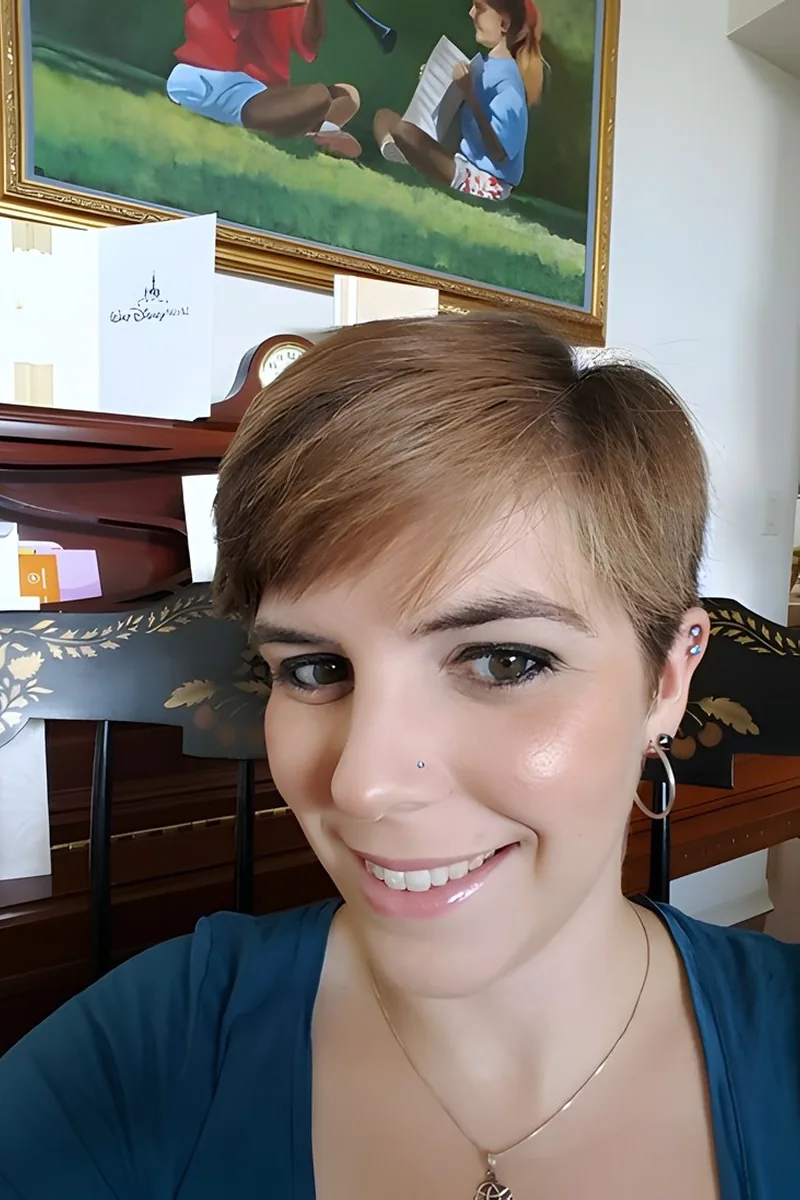
AP English Literature asks students to do what Toni does professionally: analyze poetry, prose, and drama with precision and write about it persuasively under pressure. As a college English professor with expertise spanning medieval, British, and comparative literature, she teaches students to build arguments around literary devices like free indirect discourse, enjambment, and unreliable narration — the kind of specificity that earns 8s and 9s on the essays.
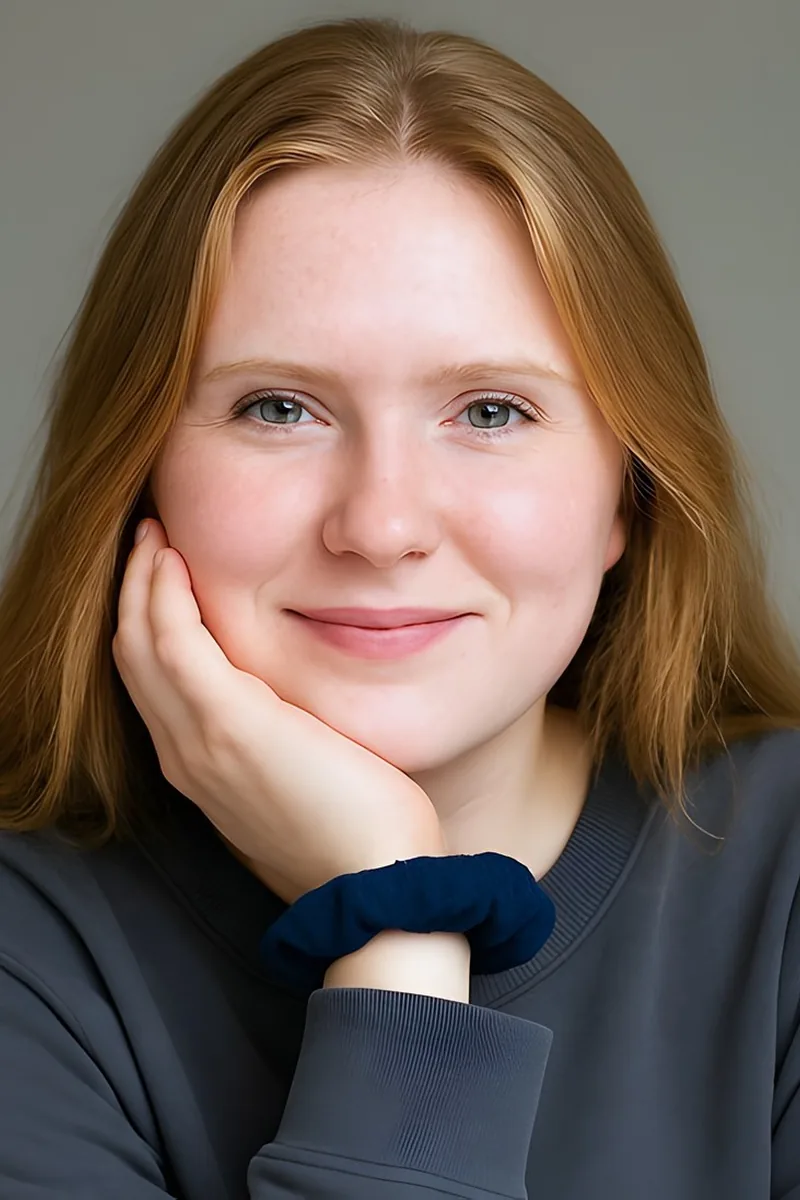
AP Lit demands more than understanding a novel — it requires writing essays that dissect how an author's choices in structure, imagery, and tone create meaning under timed pressure. Alexandra, a Creative Writing major who also writes poetry and screenplays, brings a writer's instinct for craft that sharpens how students analyze prose and verse passages. Her 4.9 rating speaks to how effectively she translates that instinct into exam-ready close reading and argumentation skills.
Close reading is the backbone of AP Lit, and Elena's graduate training in art history taught her to analyze visual and written texts with the same forensic attention to detail. She teaches students to unpack poetic structure, narrative voice, and figurative language in ways that translate directly into high-scoring free-response essays. Her approach treats each passage like an artifact worth investigating, not just a prompt to answer.
AP Lit is Meagen's sweet spot. As an English major at Carleton College who genuinely lights up over close reading, she digs into how literary devices function within a text — not just identifying a metaphor but explaining what it accomplishes in the passage's argument or characterization. Her sessions on the free-response essays zero in on crafting a defensible thesis and weaving textual evidence into every body paragraph.
AP Lit essays live or die on how well a student can connect a specific literary device to the text's larger meaning — not just spotting the metaphor, but explaining what it *does*. Kenan's background across literature and analytical writing means he can coach both the close-reading instinct and the timed-essay structure the exam demands, from poetry analysis to the open-ended prompt.
Hello, students! My name is Pranav, and I'm so excited to be tutoring with Varsity Tutors. I have vast experience tutoring both personally and professionally; I've held officer positions in several nonprofit organizations, including STEMpals and The Do Re Mi Project, teaching courses ranging from biology to music theory. I took 16 AP courses throughout high school with all 5s, and I earned a 1570 on my SAT, so I'm pretty familiar with the majority of academic subjects! I have experience tutoring any and all skill levels, and I'm always open to expanding my horizons, so please don't hesitate to book your first lesson. I'm looking forward to meeting with you!
AP Lit asks students to do something most of them have never been taught — read a poem or passage cold and build an argument about how it works in under 40 minutes. Kristina's background in contemporary studies and language arts sharpens that skill, walking students through close reading techniques for prose, poetry, and drama so they can identify literary devices and connect them to meaning under timed conditions.
AP English Literature asks students to do something genuinely difficult: read a poem or prose passage cold and produce a polished analytical essay in 40 minutes. Meghana unpacks how to move beyond plot summary by teaching students to anchor claims in specific literary devices — shifts in tone, narrative perspective, figurative language patterns — and connect them to a coherent thesis. Her English studies at Texas A&M keep her actively engaged with the close-reading skills this exam demands.
AP English Literature asks students to do something genuinely difficult: read a poem or prose passage they've never seen and produce a polished analytical essay in 40 minutes. Deb's MFA in Shakespeare and Performance from Mary Baldwin College trained her in exactly this kind of rapid close reading — identifying how imagery, syntax, and structure create meaning. She teaches students to move from gut reaction to a defensible thesis quickly, which is the skill that separates 4s and 5s from 3s.
AP English Lit asks students to do something genuinely difficult: build a persuasive argument about a poem or novel passage in forty minutes under pressure. Lauren, who studies and writes about cultural narratives at the graduate level, unpacks how to identify literary devices like irony, symbolism, and shifts in tone and then convert those observations into thesis-driven essays that score well. She's particularly sharp on the open-ended Question 3, where choosing the right text makes all the difference.
AP English Literature demands more than plot summary — it asks students to dissect how a poet's enjambment creates tension or how a novelist's shifting point of view reshapes meaning. Jacob's English minor and editorial background give him a sharp eye for the craft-level details that earn high marks on free-response essays. He digs into passages line by line, teaching students to build arguments around literary technique.
AP English Lit asks students to do two hard things at once: read a poem or passage with real precision and then write a polished essay under time pressure. Emily's UT Austin English degree gave her deep experience with close reading across genres — from Shakespeare's sonnets to postcolonial fiction — and she unpacks how to build a thesis that goes beyond plot summary. Her pharmacy school training in structured argumentation also sharpens the way she teaches essay organization.
AP English Literature asks students to do something most high schoolers haven't practiced: write a polished analytical essay about a poem or prose passage they've never seen before, in 40 minutes. Lillian spent her undergraduate years editing for UT Austin's literary journal, close-reading everything from contemporary fiction to dense academic prose. She teaches students to identify literary devices like free indirect discourse, shifts in meter, and symbolic imagery — and then turn those observations into a thesis that actually argues something.
AP Lit asks students to do something most haven't practiced: build a literary argument under time pressure using only the text in front of them. Rebecca teaches close-reading strategies for poetry and prose — identifying shifts in tone, tracking imagery patterns, and constructing thesis-driven free-response essays that earn high marks.
AP Lit asks students to do something genuinely difficult: read a poem or prose passage cold and produce a polished analytical essay under time pressure. Noelle unpacks literary devices like imagery, tone shifts, and narrative structure by showing how each one serves the author's larger argument — the kind of close reading that earns high marks on the free-response questions. Her love of reading and writing gives her a natural ear for the nuances the exam rewards.
Spending a semester at Madrid's top-ranked university reading literature alongside Spanish students sharpened Meghan's ability to dissect texts across cultural contexts — exactly the close-reading skill AP Lit demands. She teaches students to build thesis-driven essays around literary devices like imagery, tone shifts, and narrative structure, not just plot summary. Her 5.0 rating speaks to how well that translates in practice.
Poetry analysis is where Carla comes alive. Her deep background in English literature means she can teach students to unpack a Dickinson poem's slant rhyme or trace the symbolic architecture of a Toni Morrison novel — exactly the kind of close reading that earns high marks on AP Lit free-response essays. She also coaches students on managing the multiple-choice section's time pressure without sacrificing careful reading.
AP Lit rewards the student who can dig beneath a poem or passage and articulate how literary devices create meaning — not just identify them. Kimberly approaches close reading as an analytical skill, teaching students to build arguments about tone, structure, and figurative language that hold up under the pressure of timed essays. Her arts background at Wesleyan and strong writing instincts make her especially effective at sharpening the interpretive thinking the exam demands.
AP Lit asks students to do something genuinely difficult: read a poem or prose passage cold and produce a polished literary argument in forty minutes. Jean's dual background in history and law sharpened her ability to construct tight, evidence-driven arguments under pressure — exactly the skill this exam rewards. She teaches students to move past plot summary and dig into how literary devices like imagery, tone shifts, and narrative structure create meaning.
AP English Lit asks students to do something Malina has done thousands of times: take a piece of literature apart and explain how its language creates meaning. Her Yale Classics training in close reading poetry and prose — tracking meter, diction, imagery, and narrative structure — maps directly onto the skills the free-response essays demand. She's particularly strong at teaching students to write thesis-driven analyses under timed conditions.
AP English Lit demands more than plot summary — it asks students to analyze how literary devices create meaning in poetry and prose, then argue that analysis under timed conditions. Jonathan's University of Chicago education, heavy in literature and philosophy, trained him to do exactly that: construct a tight, evidence-driven essay about tone, imagery, or narrative structure in under forty minutes. His debate background also sharpens the thesis-building skills that earn top scores on the free-response section.
AP English Literature demands more than plot summary — it asks students to write about how a poem's enjambment creates tension or how a novel's narrative voice shapes meaning. Cynthia studied Folklore & Mythology at the college level, giving her deep experience with close reading across genres and centuries. She teaches students to build literary arguments that earn high marks on both the multiple-choice and free-response sections.
AP Lit asks students to do something genuinely difficult: read a poem or prose passage cold and produce a polished analytical essay under time pressure. Merav's MFA in Theater Arts means she spent years dissecting dramatic texts for subtext, imagery, and structural choices — exactly the interpretive muscles this exam tests. She teaches students to build a thesis from a single, well-chosen literary device rather than summarizing plot.
AP English Literature asks students to do something most haven't been trained for: write a polished literary argument under time pressure about a poem or passage they've never seen. Maddy wrote an honors thesis on art criticism at Harvard and spent years analyzing fiction, poetry, and Shakespeare — she teaches the close-reading instincts and essay structures that earn high scores on the free-response section.
AP Lit asks students to do something genuinely difficult: read a poem or prose passage cold and produce a coherent literary argument in 40 minutes. Michelle, whose background spans history and comparative literature, teaches students to build claims around specific devices — imagery patterns, shifts in tone, narrative framing — rather than summarizing plot. That analytical muscle is what earns 4s and 5s.
Testimonials
Because the right AP English Literature and Composition tutor makes all the difference.
Average Session Rating – Based on 3.4M Learner Ratings
Practice AP English Literature and Composition
Free practice tests, flashcards, and AI tutoring for AP English Literature and Composition
Nearby AP English Literature and Composition Tutors
Other Dallas Tutors
Related English Tutors in Dallas
Frequently Asked Questions
AP English Literature and Composition focuses on close reading, literary analysis, and essay writing across multiple genres including poetry, prose, and drama. The course emphasizes understanding how authors use literary devices, rhetorical strategies, and narrative techniques to create meaning. Students learn to construct evidence-based arguments about texts and develop their own analytical voice through frequent writing practice.
The exam consists of two sections: a 1-hour multiple-choice section with 55 questions on passages you'll read during the test, and a 2-hour free-response section with three essay prompts (poetry analysis, prose analysis, and open-choice argument). Time management is critical—you'll need to read passages carefully, analyze them quickly, and write three well-developed essays. Many students find the pacing challenging, which is why practice tests and timed writing are essential preparation strategies.
Students often struggle with close reading under time pressure, distinguishing between surface-level observations and deeper literary analysis, and maintaining consistent essay quality across all three prompts. Many also find it difficult to identify and articulate how specific literary devices contribute to an author's overall purpose. Personalized tutoring helps you develop a systematic approach to annotation, thesis construction, and evidence selection so you can tackle unfamiliar passages with confidence.
Score improvement depends on your starting point and how much you engage with targeted practice. Students who work with tutors typically see gains of 1-2 score points (on the 1-5 scale) by focusing on their specific weaknesses—whether that's essay structure, evidence integration, or multiple-choice strategy. The key is identifying exactly where you're losing points and practicing those skills repeatedly with expert feedback before test day.
Each essay requires a different approach: the poetry analysis and prose analysis essays demand close reading of provided texts with strong topic sentences and specific textual evidence, while the open-choice argument lets you select your own text. A effective strategy is to spend 2-3 minutes planning (thesis and evidence), 25-30 minutes writing, and 2-3 minutes reviewing each essay. Tutors can help you develop a template that works for your writing style, practice under timed conditions, and learn to prioritize quality analysis over word count.
Practice tests are essential—they help you build stamina for the 3-hour exam, identify which question types trip you up, and reveal patterns in your mistakes. Taking full-length, timed practice tests every 2-3 weeks lets you track progress and adjust your study strategy. Working with a tutor means you get detailed feedback on your essays and multiple-choice reasoning, not just a score, so you can target improvements more effectively than studying alone.
Varsity Tutors connects you with expert tutors for students in Dallas who specialize in AP English Literature and Composition and understand the specific challenges of the exam. You can share your goals, schedule preferences, and areas where you need the most support, and you'll get matched with a tutor who fits your needs. Whether you're preparing months in advance or need intensive support closer to test day, tutors can customize their approach to your timeline and learning style.
Your first session typically focuses on understanding your current strengths, identifying specific challenges, and establishing goals for your AP English Literature preparation. A tutor might have you analyze a passage or review one of your essays to see where you excel and where you need targeted work. From there, they'll create a personalized study plan that might include practice essays, multiple-choice strategy drills, close reading techniques, or test anxiety management—whatever will have the biggest impact on your score.
Let’s find your perfect tutor
Answer a few quick questions. We’ll recommend the right plan and match you with a top 5% tutor.