Award-Winning Middle School Math Tutors
serving Dallas, TX
Middle School Math
Tutors in Dallas
Private 1-on-1 tutoring, weekly live classes for academic support, test prep & enrichment, practice tests and diagnostics, and more to elevate grades and test scores.
Based on 3.4M Learner Ratings
UniversitiesSchools & Universities
DeliveredHours Delivered
ProficiencyGrowth in Proficiency
Who needs tutoring?
No obligation. Takes ~1 minute.
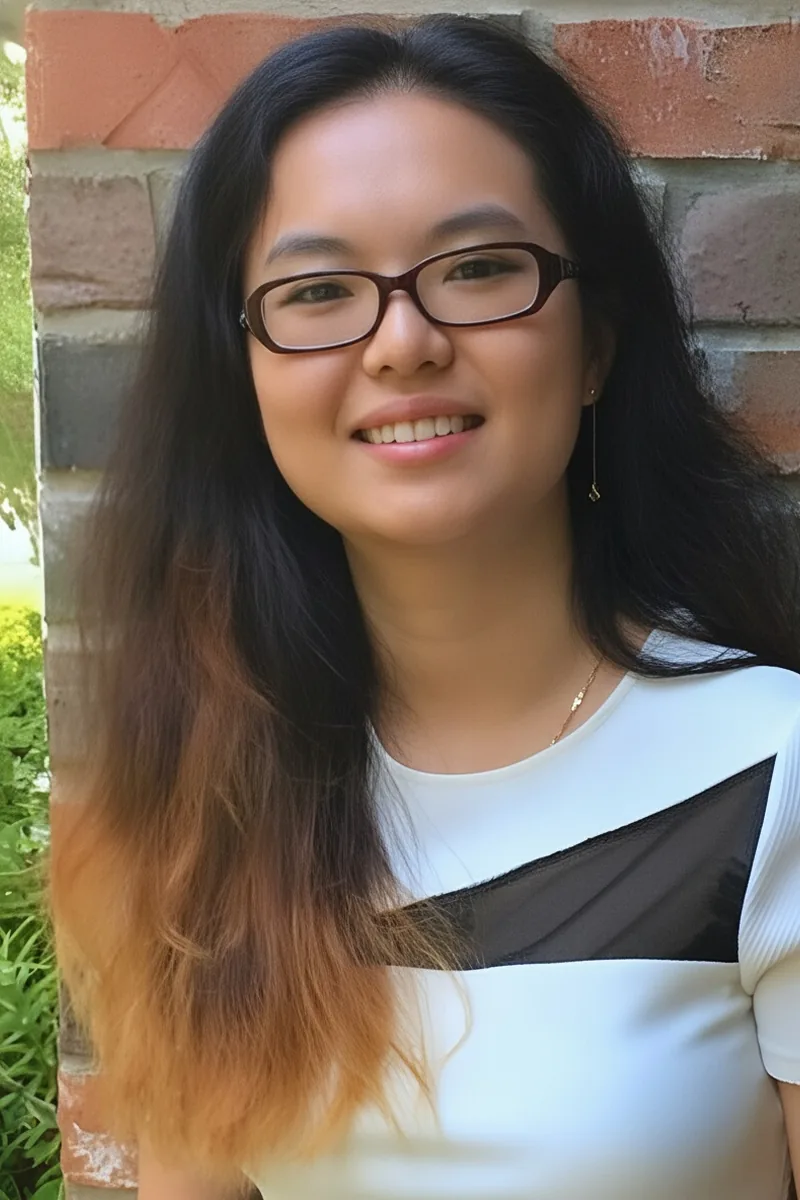
From fractions and ratios to introductory geometry and linear equations, middle school math covers a huge range of ideas in a short time. Si tackles each topic by writing out every step so students can see exactly where their reasoning goes right or wrong. His 5.0 rating speaks to an approach that adapts to how each learner processes new material.
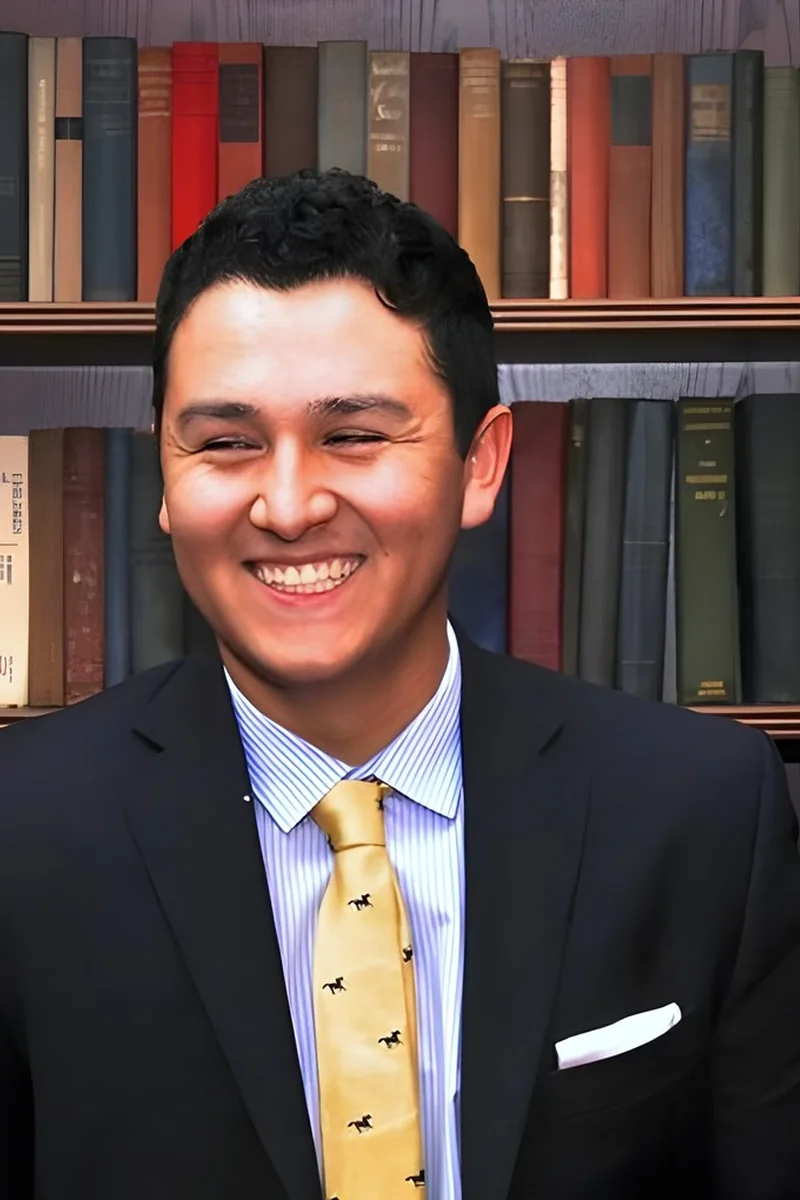
From fractions and ratios to early linear equations, middle school math covers a huge range of skills that all need to click before high school. Misael approaches each topic by identifying exactly where a student's reasoning breaks down — whether it's proportional thinking or translating word problems into expressions. His 1420 SAT score speaks to the kind of mathematical fluency he brings to every session.
Having studied human biology, Angela spent years working with ratios, unit conversions, and data interpretation — the same quantitative skills middle schoolers are formalizing when they hit proportional reasoning and basic equations. Her 1550 SAT score speaks to serious mathematical fluency, and her 4.9 rating suggests she knows how to make that fluency accessible to younger learners still building comfort with abstract thinking.
Pre-med coursework at Duke means Sarah is constantly converting chemistry and biology problems into math — balancing equations, calculating concentrations, interpreting data — so she can show middle schoolers that the ratios, decimals, and expressions they're learning actually power the science they'll encounter next. Her psychology major also gives her a real understanding of how younger students build confidence with material that feels intimidating, especially during the jump from straightforward arithmetic into more abstract thinking.
Fractions, ratios, and proportions don't have to feel like a guessing game — Kari breaks each concept into concrete steps so students actually understand the reasoning behind the math. Her MBA background means she naturally connects topics like percentages and data analysis to real-world scenarios that make the material click.
I am a graduate of UC San Diego with a Bachelors in Neuroscience through the Psychology department. After graduating, I went to Michigan Technological University and did some graduate work, before moving to Texas to be closer to my parents. I did my alternative certification program through Texas Teachers and am highly qualified to teach Science for grades 7-12. I have been a teacher in public and charter schools for the last four years, and have tutoring experience extending over ten years behind me as well.
From fractions and decimals to early equation-solving, middle school math piles on new concepts fast. Cameron's approach is to make each topic feel connected to the last — showing, for instance, how proportional reasoning links to the graphing students will encounter next. He's been tutoring since high school and knows how to keep sessions productive without making them feel like more homework.
At the middle school level, math shifts from arithmetic to reasoning — fractions become ratios, numbers become variables, and word problems start requiring multi-step logic. Snipta tackles that transition by teaching students to think through problems structurally, building the kind of organized problem-solving habits that carry through high school and beyond.
Fractions, ratios, and proportional reasoning are the concepts that either solidify or crumble a student's confidence heading into high school math. Daniel zeroes in on the specific gaps — whether it's converting between fractions and decimals or setting up word problems — and patches them before they compound. He scored a 1500 on the SAT, so he knows exactly where these fundamentals lead.
From ratios and proportional reasoning to early work with expressions and equations, middle school math is where students either build real number sense or start falling behind. Shyon tutored students across age groups at a dedicated math tutoring center, so he knows how to adjust pacing and explanations for younger learners who need concepts made concrete before they go abstract.
The jump from arithmetic to middle school math catches a lot of students off guard, especially when proportions, coordinate graphing, and negative numbers enter the picture. Erin breaks these topics down interactively rather than lecturing through them, building the kind of number sense that makes seventh- and eighth-grade math feel manageable.
Fractions, ratios, and pre-algebra concepts click faster when a student can see how they connect to real situations — something Alexandra picked up from years of nannying and tutoring kids across the DFW area. She breaks down word problems step by step so that translating English into math expressions becomes second nature. Rated 4.9 by students and families.
Ratios, proportional reasoning, and early geometry proofs are where many students either build real mathematical confidence or start to disengage. Muhammad approaches middle school math by connecting each topic to something tangible — using proportions in scaling problems, for example, or showing how negative numbers behave in real circuits. He keeps explanations stripped down so the logic stays visible.
Medical school entrance exams forced Brianna to revisit every foundational math concept she'd ever learned — and that process gave her a clear map of which middle school skills (ratio reasoning, integer operations, basic equation manipulation) actually matter most for what comes next. Her biology degree and 32 ACT score back up the content knowledge, but it's her experience tutoring this age group since high school that makes her effective at catching the small misunderstandings that snowball into bigger problems by algebra. Rated 4.9 by families.
From proportional reasoning to basic geometry and introductory statistics, middle school math covers a surprisingly wide range of skills in a short time. Clairemarie breaks each topic into clear steps and ties them back to earlier concepts so students see how the pieces fit together rather than treating every unit as a standalone challenge.
Fractions, ratios, and proportions trip up a lot of middle schoolers not because the math is impossibly hard, but because the concepts weren't fully cemented earlier. Maleah's chemistry background means she constantly uses these exact skills — unit conversions, percentages, interpreting data — and she teaches them in ways that click. She's especially effective at connecting abstract operations to real-world scenarios students actually care about.
Fractions, ratios, and proportions trip up a lot of middle schoolers because the concepts feel abstract until someone connects them to something concrete. Bryan's biochemistry training at Texas Tech means he uses math daily in lab calculations, and he brings that practical mindset to breaking down pre-algebra and early geometry problems. He's especially good at showing students why a method works, not just how to get the answer.
A microbiology background means Adeyemi has spent years calculating dilutions, converting units, and interpreting data — all skills rooted in the same proportional reasoning and decimal/fraction fluency that middle schoolers are working to lock down. He also teaches biostatistics and AP Statistics, so he can trace a concept like ratios or percentages forward to show students exactly what they're building toward. That bigger picture tends to make the day-to-day practice feel less like busywork.
Medical school at UT Southwestern means Samantha still uses ratios, unit conversions, and proportional thinking daily — she just happens to apply them to drug dosages and lab values instead of homework sets. That fluency lets her teach middle school topics like fractions, decimals, and early equation-solving with a speed and comfort that makes the material feel straightforward rather than scary. Her 4.9 rating and 33 ACT speak to someone who can break down quantitative ideas clearly.
Fractions, decimals, ratios, and early equation-solving can feel overwhelming when a student's confidence is shaky. Maftuna turns each problem into a conversation — asking students to explain their thinking out loud so she can pinpoint exactly where a concept stopped making sense and rebuild from there.
Katherine's engineering degree from Northwestern means she solved math problems daily that started with the exact foundations middle schoolers are building — integer operations, proportional thinking, and translating word problems into equations. She breaks multi-step problems into a clear sequence of smaller decisions, teaching students to trust a process instead of guessing at answers. That structured, engineering-minded approach is especially useful for kids transitioning from straightforward arithmetic into the more layered reasoning pre-algebra demands.
The middle school math years — ratios, proportions, integer operations, intro to linear equations — set the trajectory for everything that comes after. Sugi approaches these topics by building the reasoning behind each procedure, so a student doesn't just cross-multiply but understands why it works. Rated 5.0 by her students, she keeps sessions structured without making them feel like a lecture.
The jump from elementary math to middle school math introduces fractions, decimals, ratios, and negative numbers all at once, and it's easy for gaps to snowball. Maggie has spent years working with middle schoolers on exactly this transition, pinpointing where a concept broke down and rebuilding fluency from that point forward. Her 5.0 rating speaks to how well that approach lands with students and families.
Economics majors spend their days building models out of exactly the kind of math middle schoolers are learning — graphing relationships, manipulating equations, interpreting data — so Mackenzie can show students where skills like proportional reasoning and solving for unknowns actually lead. Her 35 ACT score speaks to rock-solid fundamentals, and she's particularly effective at helping kids organize their scratch work so careless mistakes stop eating into their grades. Rated 4.8 by students.
The jump from elementary math to middle school math piles on new territory fast: ratios, negative numbers, coordinate graphing, basic geometry. Paul's economics background means he's comfortable translating abstract math into real-world examples — percentages become budgets, rates become speed problems, and the math starts to make sense.
Fractions, ratios, and proportional reasoning trip up a lot of middle schoolers not because the math is hard, but because it's often taught as disconnected procedures. Aadith ties these concepts together so students see how multiplying fractions and setting up ratios are really the same kind of thinking. His physics and math background at Rice means he's full of real-world examples that make abstract ideas click.
Fractions, ratios, and proportional reasoning are the skills that quietly determine whether a student thrives or struggles in every math class that comes after middle school. William spent time tutoring younger students at his high school and at-risk youth programs, so he's practiced at making these foundational topics feel approachable rather than intimidating. He keeps sessions relaxed and builds confidence alongside competence.
Fractions, ratios, and proportional reasoning trip up a lot of middle schoolers because the concepts feel abstract until someone connects them to something concrete. Tegan's experience tutoring middle school students means she knows exactly where those stumbling blocks are and how to reframe problems so they click. Rated 4.9 by students.
Biochemistry at Rice means Sajel solves equations and manipulates variables every day in coursework — so the pre-algebraic skills middle schoolers are developing around expressions, fractions, and ratios are things she uses constantly and can explain with genuine fluency. Her 35 ACT score speaks to sharp quantitative instincts, and having tutored a younger sibling through similar material gives her a practical sense of where kids this age tend to get stuck and how to unstick them.
Fractions, ratios, and integer operations tend to trip students up not because they're hard, but because earlier gaps in number sense compound quietly over time. Patricia is especially good at pinpointing exactly where a concept went sideways and rebuilding understanding from that point forward. Her patience and structured approach make even topics like proportional reasoning and basic geometry click.
Premed neuroscience coursework at Rice means Aditi is neck-deep in the quantitative reasoning that middle school math is quietly building toward — she can show a student working through ratios or basic equations exactly how that same logic reappears in science and beyond. Her 1570 SAT score speaks to her own comfort with math under pressure, and her psychology training gives her a practical sense of how to reframe a confusing problem so it actually lands. Rated 4.8 by students.
Getting a sixth or seventh grader comfortable with variables, negative numbers, and basic geometric reasoning sets the trajectory for everything that follows in math. Ainsley has tutored middle school students through state standardized test prep and knows how to make abstract ideas concrete — using visual models and real-world examples that stick. She also has specific experience supporting students with dyslexia and ADHD.
English and computer science at Carleton College might seem like an unlikely combination for middle school math, but the CS side means Meagen thinks in logic, sequences, and variables every day — exactly the reasoning that kicks in when students move from arithmetic into pre-algebra. She scored a 34 on the ACT, so the quantitative skills are genuine, and her 5.0 rating suggests she communicates them clearly. Her strength is in making the abstract notation of expressions and equations feel like a language students can actually read.
As experienced and passionated educator with a Bachelor's degree in Computer Science from Rice University, I am passionate about empowering students to achieve their academic goals. With over 3 years of tutoring experience in subjects such as AP Computer Science A, Machine Learning, and SAT Math, I adapt to different learning styles and create a supportive learning environment. My teaching philosophy centers on personalized instruction, where I connect with each student to understand their unique learning styles and challenges. I take pride in guiding students through the complexities of computer science and college application essays, equipping them with the skills they need for future success. Outside of tutoring, I enjoy exploring new technologies and engaging in coding projects to improve my teaching approach.
Cognitive science at Rice taught Adam how people actually learn — how working memory handles new information, where misconceptions form, and what makes a concept stick versus vanish after the test. He applies that understanding directly when teaching topics like integer operations and early equation-solving, adjusting his explanations based on how a student is thinking, not just whether they got the right answer. His 34 ACT and math tutoring background mean the content itself is second nature, so his attention stays on the learner.
The jump from arithmetic to algebraic thinking is one of the biggest shifts in a student's math life, and it happens in middle school. Zhengdong takes concepts like proportional reasoning, integer operations, and introductory equations and ties them to tangible problems — distances, speeds, simple machines — drawing on his physics background to make abstract ideas feel concrete.
Having earned a 1410 SAT — a score that demands solid quantitative reasoning — Iselee knows the foundational skills middle schoolers need to lock in, particularly around fractions, decimals, and the transition into working with variables. Her Spanish degree sharpened her ability to teach systematic rule-following (verb conjugations and mathematical operations aren't as different as they sound), and she brings that same structured, step-by-step clarity to breaking down pre-algebraic concepts. Rated 4.8 by students.
At the middle school level, math confidence matters almost as much as math skill — a student who shuts down at fractions or proportional reasoning carries that anxiety into every future course. Sakibul has tutored since high school and approaches these foundational topics with patience, using visual models and real-world scenarios to make ratios, percentages, and integer operations feel intuitive rather than intimidating.
A decade of teaching students with learning differences — including a full year at a private academy for students with disabilities — gave Emily a deep toolkit for breaking down concepts like integer operations and proportional reasoning in multiple ways until one clicks. Her Classics training at Texas A&M built the kind of precise, logical thinking that transfers surprisingly well to mathematical problem-solving, and she brings that same rigor to middle school math. Rated 5.0 by students.
Fractions, ratios, and proportional reasoning trip up a lot of middle schoolers not because the math is hard, but because the concepts are often taught too abstractly. Jennifer connects these ideas to real scenarios — unit pricing, recipe scaling, sports statistics — so the logic clicks before the formulas come out. Her 4.9 rating from students speaks to how well that approach lands.
Testimonials
Because the right Middle School Math tutor makes all the difference.
Average Session Rating – Based on 3.4M Learner Ratings
Nearby Middle School Math Tutors
Other Dallas Tutors
Related Math Tutors in Dallas
Frequently Asked Questions
Middle school math shifts from learning procedures (like "how to divide") to understanding the "why" behind those procedures. Students begin working with variables, equations, and abstract reasoning—moving from concrete problems to more conceptual thinking. This transition can feel challenging, but personalized tutoring helps students build confidence by connecting new concepts to what they already know, making abstract ideas more concrete and manageable.
Word problems, multi-step equations, and graphing are frequent challenge areas—students often know individual skills but struggle to apply them together. Many students also hit a wall with fractions and ratios, which are foundational for algebra. Working with an expert tutor helps students develop problem-solving strategies and see how different concepts connect, building both skills and confidence.
Showing work reveals your thinking process and helps teachers identify where misunderstandings occur—it's not just about getting the right answer. This skill becomes critical in algebra and beyond, where complex problems require organized, step-by-step approaches. Tutors help students develop clear problem-solving strategies and organizational habits that make showing work easier and more natural.
Varsity Tutors connects you with expert tutors who work with students across Dallas's 22 school districts and understand the different curricula they use. During an initial consultation, tutors learn which textbook and approach your student's school uses, then tailor instruction to align with classroom lessons while filling knowledge gaps. This targeted approach helps students succeed on classroom assignments and assessments.
Math anxiety often stems from feeling lost or behind, which personalized 1-on-1 instruction directly addresses. Tutors work at your student's pace, celebrate small wins, and help them see patterns and connections they might miss in a classroom setting. As students experience success and understand concepts more deeply, confidence builds naturally—transforming "I can't do math" into "I can figure this out."
The first session focuses on understanding where your student is strong and where they need support. Tutors typically review recent classwork, identify specific gaps, and get to know your student's learning style and goals. This foundation helps tutors create a personalized plan that targets your student's needs while building on their existing strengths.
Proofs require students to think differently—moving from "calculate the answer" to "justify why this is true." This shift in reasoning is challenging for many middle schoolers. Expert tutors break down the logic step-by-step, teach students how to organize their thinking, and help them see proofs as puzzles to solve rather than impossible tasks.
Progress shows up in multiple ways: improved grades on quizzes and tests, increased confidence when tackling homework, and a willingness to try harder problems. Tutors track specific skills and concepts, providing regular feedback on what's improving and what needs more focus. Most families see meaningful progress within 4-6 weeks of consistent tutoring.
Let’s find your perfect tutor
Answer a few quick questions. We’ll recommend the right plan and match you with a top 5% tutor.