Award-Winning AP Environmental Science Tutors
serving San Antonio, TX
AP Environmental Science
Tutors in San Antonio
Private 1-on-1 tutoring, weekly live classes for academic support, test prep & enrichment, practice tests and diagnostics, and more to elevate grades and test scores.
Based on 3.4M Learner Ratings
UniversitiesSchools & Universities
DeliveredHours Delivered
ProficiencyGrowth in Proficiency
Who needs tutoring?
No obligation. Takes ~1 minute.

Having sat for 17 AP exams in high school — including AP Environmental Science — and competed in Science Bowl, Beau knows exactly how APES blends ecology, earth systems, and policy into one fast-paced exam. He tackles topics like biogeochemical cycles, biodiversity loss calculations, and energy resource trade-offs by connecting them to real-world data rather than isolated textbook definitions.
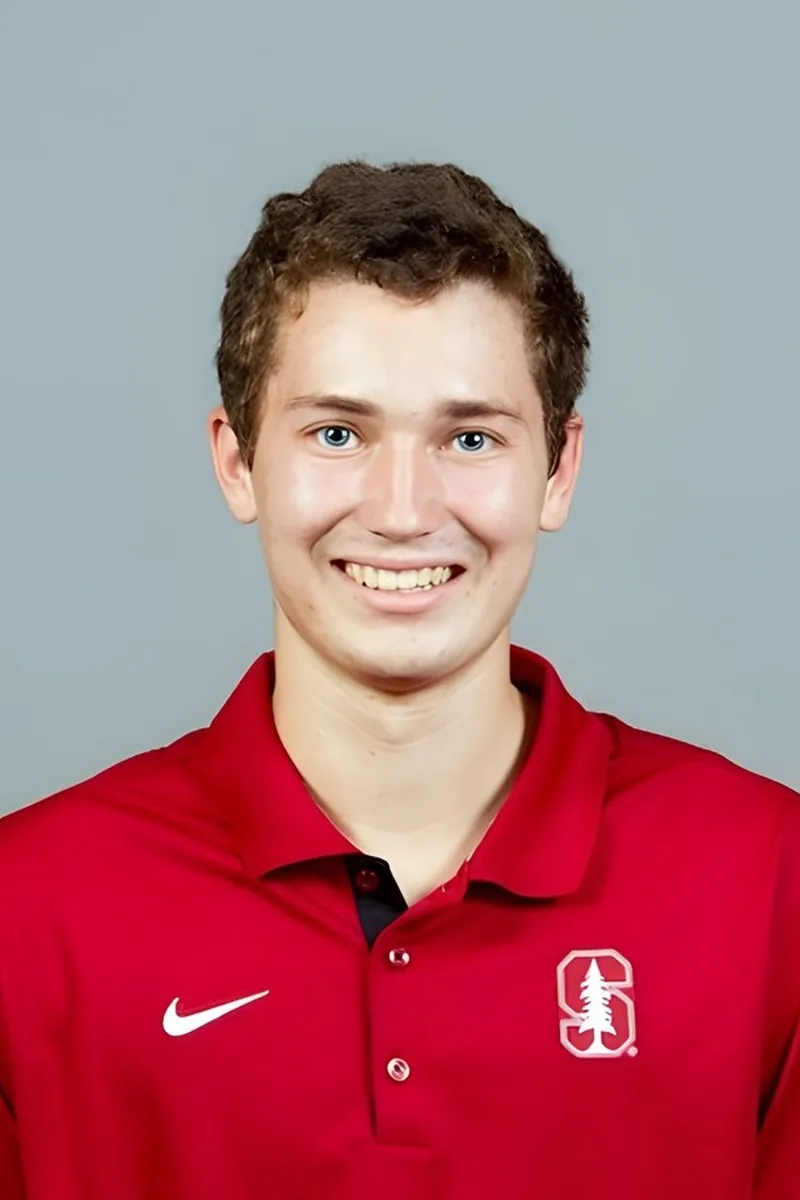
Studying Human Biology at Stanford with a concentration in health policy gives Jake a direct line into the APES units on public health, pollution, and environmental legislation — he understands how ecological disruptions translate into real human consequences, which is exactly the kind of reasoning the free-response section rewards. His 34 ACT and 5.0 tutoring rating back up an approach that emphasizes connecting biological systems to their policy implications rather than treating each unit as isolated material.
Having earned her bachelor's in Environmental Science, Patricia didn't just survey APES topics — she studied biogeochemical cycles, soil science, and ecosystem dynamics at the college level they're drawn from. She zeroes in on the quantitative side students often underestimate, like calculating energy transfer efficiency or interpreting species diversity indices, while also sharpening the cause-and-effect reasoning the free-response section demands.
Kelsey earned her Master of Science in Environmental Sciences and Policy from Johns Hopkins, which means she doesn't just know the APES curriculum — she's done the fieldwork and data analysis behind it. From biogeochemical cycles to environmental legislation and ecological footprint calculations, she teaches students to think like environmental scientists, not just memorize vocabulary for the exam. Rated 4.9 by students.
Training as a family medicine resident means Jordan regularly encounters the real-world health consequences of environmental issues — lead exposure, air quality-driven asthma, waterborne illness — which gives her a clinical lens on APES units covering pollution, toxicology, and human impact that most tutors can't offer. She teaches students to think through dose-response relationships and environmental health data the way a physician evaluates a patient, building the cause-and-effect reasoning that free-response questions reward. Rated 5.0 by students.
Hello, students! My name is Pranav, and I'm so excited to be tutoring with Varsity Tutors. I have vast experience tutoring both personally and professionally; I've held officer positions in several nonprofit organizations, including STEMpals and The Do Re Mi Project, teaching courses ranging from biology to music theory. I took 16 AP courses throughout high school with all 5s, and I earned a 1570 on my SAT, so I'm pretty familiar with the majority of academic subjects! I have experience tutoring any and all skill levels, and I'm always open to expanding my horizons, so please don't hesitate to book your first lesson. I'm looking forward to meeting with you!
Most APES tutors come at the subject from biology or policy — Courage holds a Master's in Environmental Science, meaning he studied climate systems, land degradation, and resource management as his primary discipline, not a sidebar. He digs into the interconnections between Earth systems that the exam's free-response questions demand, teaching students to trace how a single disruption — deforestation, nutrient runoff, atmospheric CO₂ increases — ripples across multiple units.
Biomedical engineering trains you to think about how biological systems interact with their surroundings — and Huan brings that lens to APES topics like bioaccumulation, toxicology, and how pollutants move through food webs and water systems. His chemistry-focused coursework strengthens the quantitative side students often stumble on, from pH calculations in acid deposition problems to interpreting LD50 data on the free-response section. Rated 5.0 by students.
Geophysics sits at the intersection of earth systems and physical processes — so when Derrick teaches APES topics like plate tectonics, soil formation, or how geological activity shapes resource distribution, he's drawing on coursework that goes well beyond the AP curriculum. He also brings strong math and physics chops to the quantitative side of the exam, tackling energy budget calculations and atmospheric modeling problems that pure memorization won't solve. Rated 5.0 by students.
Biochemistry gives Don a molecular-level understanding of the processes APES only scratches the surface of — he can explain why dissolved oxygen drops downstream of a nutrient spill by walking through the actual chemistry of eutrophication and aerobic decomposition, not just labeling a diagram. That depth, plus a 35 ACT and 5.0 rating from students, makes him especially sharp on the exam's quantitative pieces like calculating biomass transfer between trophic levels or interpreting water quality data sets.
The free-response questions on APES reward students who can trace an environmental problem from its biological roots through its human consequences — and Devon's broad science background spanning biology, anatomy, physiology, and genetics gives her the ecological literacy to teach those connections across units like energy flow, nutrient cycling, and biodiversity loss. She also brings strong writing chops to FRQ prep, coaching students to build structured, evidence-driven answers that earn full credit. Rated 4.9 by students.
Microbiology and cell science training at the University of Florida means Maria learned the biological processes — decomposition, nutrient cycling, microbial roles in soil and water systems — that underpin much of what APES covers at the ecosystem scale. She brings that lab-science precision to topics like water quality analysis and biogeochemical cycles, where understanding what's actually happening at the cellular level turns vague definitions into clear, scoreable FRQ answers. Rated 5.0 by students.
Christopher is studying molecular and environmental biology at UC Berkeley with an emphasis on human health and the environment — AP Environmental Science is essentially his major in AP form. He digs into the specific FRQ skills the exam demands, from analyzing biogeochemical cycles to interpreting data on biodiversity loss and pollution, connecting each topic to current research.
Hi! My name is Lexie and I am a current college student studying biomedical and mechanical engineering. I try to make the STEM subjects (math, environmental science) as approachable and intuitive as possible. Feel free to book a session!
Biochemistry gives Jalen a molecular-level grasp of the processes that underpin APES — the chemistry of ocean acidification, how fertilizer runoff triggers eutrophication, or why certain pollutants bioaccumulate through food webs. He unpacks these mechanisms so students can explain the science behind environmental problems on free-response questions, not just name them. Rated 5.0 by students.
Earning her biology degree with high honors from New Mexico State gave Kayley a deep grounding in the ecological systems, biogeochemical cycles, and biodiversity concepts that drive the AP Environmental Science curriculum. She unpacks topics like nutrient cycling and population dynamics by tying them to current environmental case studies, making the material stick for both the FRQs and multiple-choice sections. Her adaptable teaching style means she adjusts explanations based on whether a student thinks better in diagrams, data, or narrative.
Grady's master's in zoology gave him deep fieldwork knowledge of the ecological systems that drive AP Environmental Science — biogeochemical cycles, biodiversity loss, trophic dynamics, and human land-use impacts. He teaches students to connect these concepts so they can tackle the free-response questions with real scientific reasoning, not just memorized vocabulary.
Organismal physiology — Steven's concentration at Drexel — is essentially the study of how living systems respond to their environments, which maps directly onto APES topics like how pollutants move through organisms, how species adapt to habitat changes, and why bioaccumulation works the way it does. That biological depth, paired with a 34 ACT and 5.0 tutoring rating, means he can teach both the conceptual ecology and the math-heavy questions on energy calculations and resource analysis that the exam increasingly emphasizes.
Neuroscience teaches you to think about interconnected systems — how a single disruption cascades through networks of dependent processes — and Ankit applies that same framework to APES topics like trophic cascades, biogeochemical disruptions, and feedback loops in climate systems. His dual background in neuroscience and computer science at Duke, combined with a perfect 36 ACT, means he's comfortable with both the conceptual modeling and the quantitative problem-solving the exam demands.
Most APES students can memorize vocabulary lists but freeze when a free-response question asks them to explain how a neurotoxin moves through a food web or why bioaccumulation affects top predators disproportionately — Jhonatan's neuroscience specialization means he actually understands those biological mechanisms at the molecular level. He teaches students to trace environmental disruptions through living systems rather than treating each unit as isolated content, which is the connective thinking the exam scores highest. Rated 5.0 by students.
Supervising an AmeriCorps conservation program in New Mexico means Rachel doesn't just teach APES concepts like land management, resource depletion, and habitat restoration — she manages real projects dealing with them daily. Her Johns Hopkins master's in Environmental Health Sciences adds the scientific rigor behind topics like pollution pathways and risk assessment, while her public health training sharpens the kind of systems-level thinking the exam's free-response questions demand.
Between his Biology Honors program at UIUC and his time hiking and studying ecosystems firsthand, Ian tackles AP Environmental Science with both academic rigor and genuine enthusiasm for the material. He breaks down FRQ-heavy topics like biogeochemical cycles, biodiversity loss, and environmental legislation so students can construct the kind of evidence-based arguments the exam rewards.
Scott earned his Master's in Ecology studying exactly the systems the AP Environmental Science exam tests — biogeochemical cycles, biodiversity loss, population dynamics, and resource management. He breaks down free-response questions by teaching students to connect data interpretation with the underlying ecological principles, which is where most points are won or lost on exam day.
Running experiments in a cellular and molecular biology lab at Harvard Medical School means Patrick deals daily with the biological mechanisms — photosynthesis efficiency, cellular respiration pathways, microbial nutrient cycling — that APES only touches at the ecosystem level. He unpacks those processes so students understand *why* energy transfer is inefficient or *how* nitrogen moves through soil, which turns vague textbook definitions into answers that earn full marks on free-response questions. Rated 5.0 by students.
Katie holds a master's in science education and a bachelor's in natural resources and conservation — meaning she didn't just study APES topics like land use, biodiversity, and resource management as exam content; they were her actual field of study. She teaches students to think in cause-and-effect chains across units, connecting deforestation to soil erosion to water quality decline, which is exactly the kind of multi-step reasoning the free-response rubrics reward. Rated 5.0 by students.
Having spent a year as a climate change researcher at the University of Helsinki — where she completed PhD-level atmospheric science coursework — Marika brings firsthand lab and field experience to AP Environmental Science. She digs into biogeochemical cycles, energy flow, and climate modeling with the depth the AP exam demands, connecting FRQ strategies to the actual science behind each topic.
Shea's Sustainable Communities minor at Georgia Tech gives her direct academic grounding in the ecosystems, resource cycles, and policy frameworks that drive AP Environmental Science. She unpacks topics like biogeochemical cycles and human impact on biodiversity by connecting them to real sustainability case studies rather than treating them as isolated vocabulary lists. That cross-disciplinary perspective is exactly what the APES free-response questions reward.
Pharmacy students spend semesters on toxicology, chemical fate in biological systems, and dose-response relationships — concepts Amy applies directly to APES units on pollution, bioaccumulation, and human health impacts. Her biology minor at Northeastern reinforces the ecological side, from nutrient cycling to population dynamics, and a 1550 SAT signals the quantitative precision needed for the exam's calculation-heavy free-response questions. Rated 4.9 by students.
Computer science and environmental science don't often overlap — until the APES exam asks students to interpret large data sets on biodiversity indices, model population growth curves, or analyze trends in atmospheric CO₂ concentrations, which is where Firas's PhD-level data analysis and machine learning research at Princeton becomes genuinely useful. He teaches students to read graphs and tables with the systematic precision of a data scientist, breaking down the quantitative free-response questions that catch memorization-focused students off guard. Rated 5.0 by students.
Testimonials
Because the right AP Environmental Science tutor makes all the difference.
Average Session Rating – Based on 3.4M Learner Ratings
Practice AP Environmental Science
Free practice tests, flashcards, and AI tutoring for AP Environmental Science
Nearby AP Environmental Science Tutors
Other San Antonio Tutors
Related Science Tutors in San Antonio
Frequently Asked Questions
Score improvements depend on your starting point and consistency with tutoring. Students who work with tutors on understanding core concepts, practicing free-response questions, and mastering data analysis typically see meaningful gains. Many students improve by 1-2 score points (on the 1-5 scale) when they focus on their weakest units and practice exam-style questions regularly throughout the year.
Yes. AP Environmental Science covers eight units: The Living World, Ecosystems, Populations, Earth Systems and Resources, Land and Water Use, Energy Resources and Consumption, Atmospheric Pollution, and Global Change. Tutors work with you to master content across all units while identifying which areas need the most focus based on your strengths and weaknesses.
Free-response questions require you to explain concepts, analyze data, and support claims with evidence—skills that benefit greatly from personalized feedback. Tutors help you structure clear, concise answers, practice interpreting graphs and data sets, and learn how to allocate time effectively across the three FRQ sections. Regular practice with timed responses and detailed feedback on your reasoning is key to improvement.
Many students struggle with interpreting graphs, calculating rates of change, and applying quantitative reasoning to environmental scenarios. The exam expects you to analyze real-world data sets and explain what they mean for environmental systems. Tutors break down these skills step-by-step, helping you recognize common graph types, practice calculations in context, and explain your reasoning clearly.
Ideally, consistent tutoring throughout the school year gives you time to master each unit, practice full-length exams, and refine weak areas before May. If you're starting closer to exam day, tutors can prioritize high-yield topics and focus on test-taking strategies. Even a few months of targeted tutoring can help you feel more confident and prepared.
Test anxiety often stems from uncertainty about content or unfamiliarity with question formats. Working with a tutor builds confidence through repeated exposure to exam-style questions, understanding what to expect, and developing a solid study plan. Tutors also help you practice pacing strategies and breathing techniques so you can manage stress on test day and focus on what you know.
Varsity Tutors connects you with expert tutors in San Antonio who specialize in AP Environmental Science. You can describe your goals and current challenges, and we'll match you with a tutor experienced in preparing students for the AP exam. Tutoring is personalized to your schedule and learning style, whether you need help with specific units or comprehensive exam preparation.
Your first session is a chance for your tutor to understand your current knowledge, identify your strongest and weakest units, and learn about your exam goals and timeline. You'll discuss which topics feel most confusing, review your recent test scores or practice exam results, and create a personalized study plan. This foundation helps your tutor focus on the areas where you'll gain the most improvement.
Let’s find your perfect tutor
Answer a few quick questions. We’ll recommend the right plan and match you with a top 5% tutor.