Award-Winning AP Biology Tutors
serving Mesa, AZ
AP Biology
Tutors in Mesa
Private 1-on-1 tutoring, weekly live classes for academic support, test prep & enrichment, practice tests and diagnostics, and more to elevate grades and test scores.
Based on 3.4M Learner Ratings
UniversitiesSchools & Universities
DeliveredHours Delivered
ProficiencyGrowth in Proficiency
Who needs tutoring?
No obligation. Takes ~1 minute.
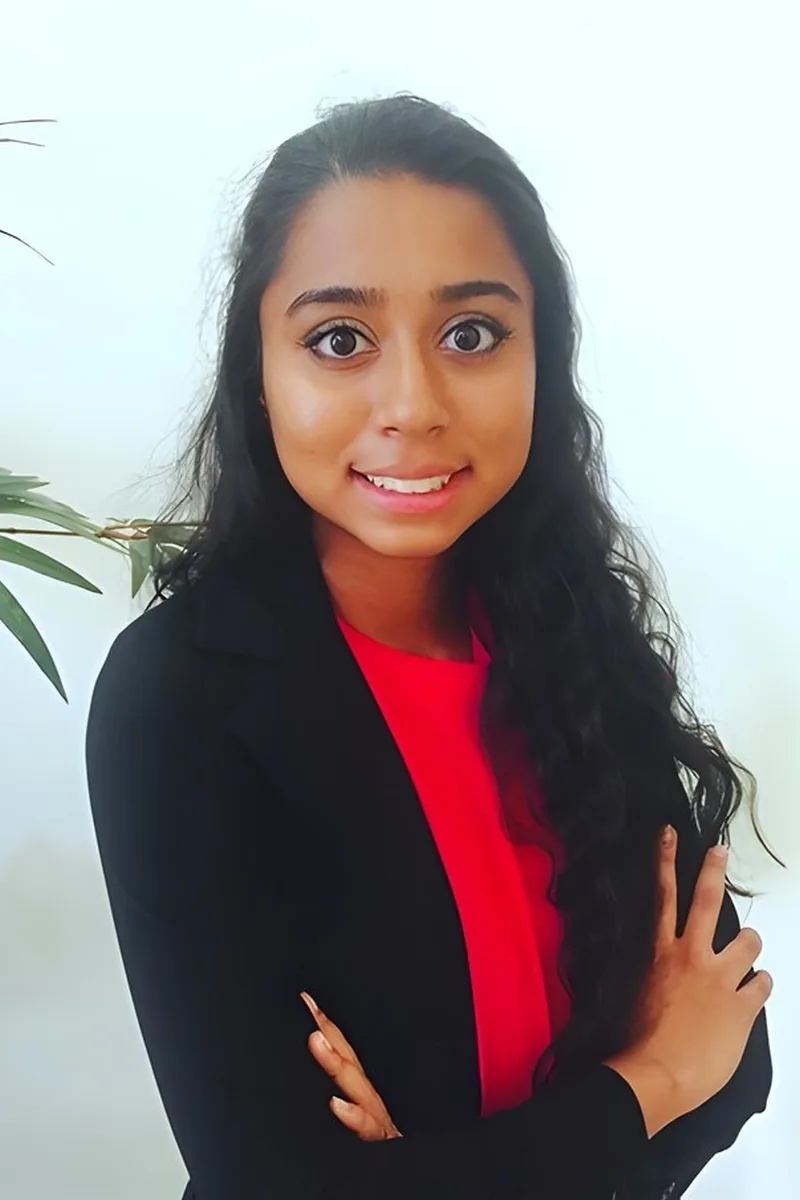
Having taken 10 AP courses in high school — including AP Biology — Thara knows the exam inside out, from the free-response rubric expectations to the way the multiple-choice questions test application over recall. She's now deepening that knowledge on Duke's pre-med track, which means topics like cellular respiration, gene regulation, and ecology aren't just test material for her — they're concepts she uses daily in college-level biology.
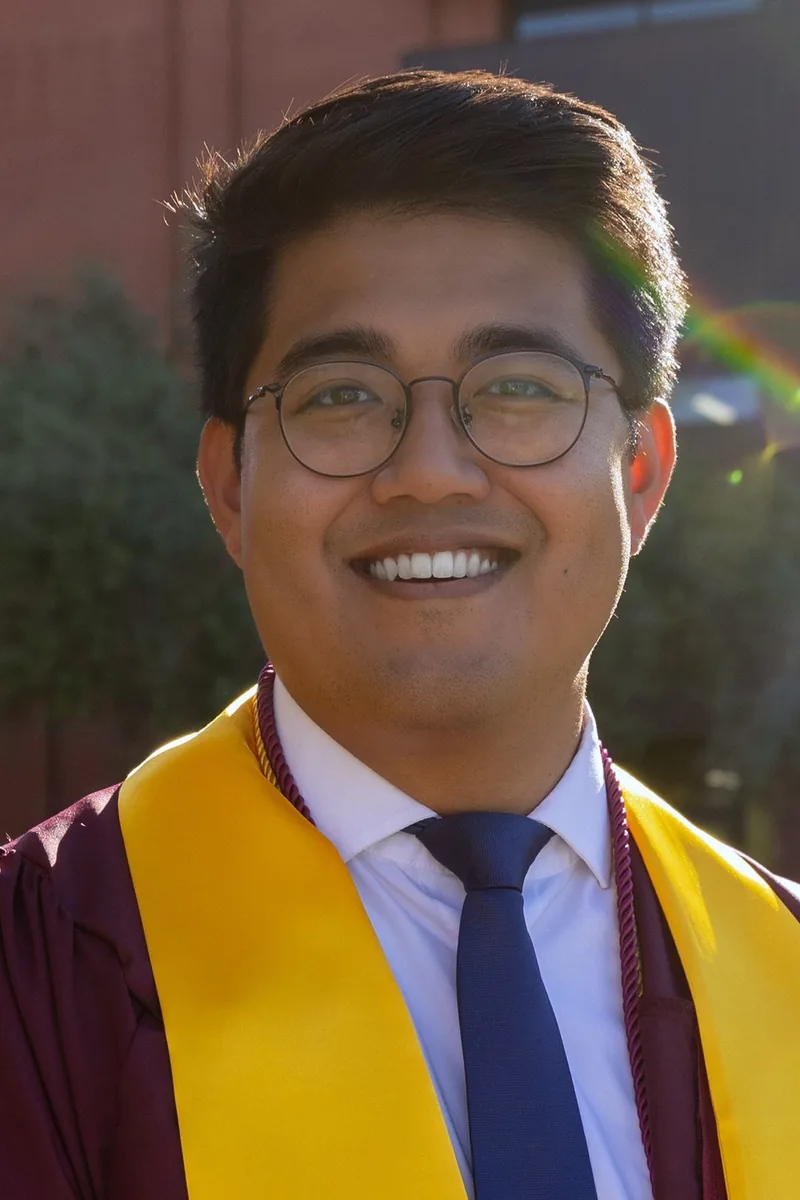
Every AP Biology free-response question rewards students who can connect molecular details to large-scale biological outcomes — explaining how a point mutation disrupts protein folding, or tracing energy flow from photosystem II through an entire ecosystem. Gordon earned his B.S. in Biological Sciences from Arizona State and has mentored premed undergraduates through this exact material, so he knows which experimental design and data-analysis skills the College Board actually tests.
Four years studying conservation biology at ASU means River didn't just learn AP Bio content — he lived in it, from cellular respiration pathways to ecological modeling and evolutionary mechanisms. He breaks down the exam's emphasis on experimental design and data interpretation by walking students through how actual biologists think about controls, variables, and evidence. That lab-trained instinct for analyzing figures is exactly what the AP Bio free-response section rewards.
Pursuing a B.S. in Biology at the University of Houston, Pooja is immersed daily in the same cellular processes, genetics pathways, and ecological concepts that dominate the AP Bio exam. She unpacks dense topics like signal transduction and gene regulation by tying them to experimental design questions — the format that trips up most AP students on free-response sections.
AP Bio covers a massive range, but the units that trip students up most — cellular energetics, gene expression, and ecology modeling — all reward the kind of quantitative thinking Yuxuan brings from his biochemistry training at UC Berkeley. He teaches students to interpret data-driven free-response questions the way a lab scientist would: identify variables, trace cause and effect, then build an argument from evidence. Rated 4.9 by students.
As an aspiring physician currently pursuing my Bachelor's in Physiology and Medical Sciences at the University of Arizona, I am passionate about empowering students to achieve their academic and personal aspirations. With over 5 years of tutoring experience across a diverse range of subjects including ACT, SAT, AP exams, and college application essays. I have developed a keen understanding of the unspoken rules that govern these assessments. My approach is student-centered and adaptive; I tailor my strategies to meet individual learning styles, whether that means incorporating engaging games for those with attention challenges or allowing self-directed learners to guide our sessions. Having recently navigated the same academic landscape as my students, I am intimately familiar with the pressures they face, and I strive to demystify the testing process. I am particularly excited about tutoring AP Biology, AP Calculus, and college applications, as these areas require not just content mastery but also strategic insight into what admissions officers are truly seeking. Outside of tutoring, I enjoy cooking, 3D printing, and weightlifting, all of which enrich my perspective and foster a supportive learning environment. Through tutoring, my goal is not just to teach but to mentor, equipping students with the tools they need to thrive in their educational journeys.
The best part of tutoring is promoting students' long-term success through mastery of reading, writing, math, study skills, organization, and critical thinking. In particular, I enjoy helping students build test-taking strategies and core skills for the ACT, SAT, and other admissions tests. I also support pre-K and K-12 students learning math and ELA. Before joining Varsity, I tutored in a Reading and Writing Lab for university students with learning disabilities where I earned a College Reading and Learning Association (CRLA) certification. Since joining Varsity, I have completed continuing education through the Lastinger Center for Learning. I graduated from the University of Arizona in 2021 with a BA in Cultural Anthropology. In addition to tutoring, I have worked as an instructional aide for an art program, an applied anthropology researcher, and a nonprofit program coordinator. Out of all these experiences, I enjoy tutoring the most. I look forward to working with you!
Nicolette's bioengineering degree from Rice meant she didn't just memorize biological systems — she had to model them, which is exactly the kind of mechanistic thinking AP Bio's free-response questions demand when students need to explain processes like signal transduction or feedback in gene regulation. Her engineering training makes her especially sharp at teaching students to reason through experimental design and data interpretation questions, where you have to connect variables to biological outcomes rather than just recall facts. Rated 5.0 by students.
Studying biology and chemistry on the pre-med track at Northwestern means Kade is immersed daily in the exact material the AP Bio exam tests — from cellular respiration and signal transduction to gene regulation and evolutionary mechanisms. He also runs study groups at his university, so he's practiced at explaining dense concepts like feedback inhibition or Hardy-Weinberg equilibrium in ways that actually stick. That combination of current coursework and teaching experience makes a real difference on exam day.
Between his neuroscience research at the Jungers Center and molecular biology work at the Oregon Stem Cell Center, Daniel has lived the content that shows up on the AP Biology exam — from cellular signaling pathways to gene expression and evolution. He teaches the free-response section by connecting big biological ideas to the experimental design skills the College Board actually tests for.
Biophysics at Rice means Aadith studies biological systems through a quantitative lens — analyzing protein folding energetics, membrane dynamics, and molecular interactions — which gives him an unusual edge on AP Bio's units covering macromolecule structure, enzyme kinetics, and cellular energetics. He's also actively taking biochemistry coursework alongside his physics major, so he can explain concepts like the chemiosmotic mechanism or allosteric regulation with the kind of molecular-level precision that earns full credit on free-response questions.
A molecular biology degree means Andrew has worked through the central dogma, cell division, and metabolic pathways at the bench level — exactly the content AP Bio's exam leans on hardest. His PhD training in law and management might seem unrelated, but it sharpened the argumentative writing skills that translate directly to constructing the multi-part explanations free-response questions demand. Rated 4.8 by students.
As a premed biosciences student at Rice University, Jessy is actively working through the same molecular biology, genetics, and physiology content that AP Bio covers — which means she can pinpoint exactly where textbook explanations lose students and rephrase them on the fly. She recently peer-tutored classmates through AP-level coursework in high school and earned a 34 ACT, so she understands both the science and the test-taking strategy behind interpreting data sets and constructing free-response answers. Rated 5.0 by students.
Laura's economics background might seem like an odd fit for AP Bio, but it actually sharpens one of the exam's trickiest skills: interpreting data sets, reading graphs under pressure, and constructing logical arguments from evidence — exactly what the free-response section demands. She also tutors the SAT Bio Subject Test and college biology, so she's comfortable with content from ecology and population dynamics to cellular processes. Rated 5.0 by students.
Cellular respiration, gene regulation, ecological energy flow — AP Biology demands that students think across scales, from molecules to ecosystems, often within a single free-response question. Sharan is deep in this material as a Human Biology major on the premed track at Cornell, and she unpacks complex processes like signal transduction by walking through each step with clear cause-and-effect reasoning.
Teaching has been a lifelong passion of mine. What drives me is sharing knowledge while genuinely connecting with others. I discovered my love for tutoring in high school and have been dedicated to it ever since. At Stanford University, I earned a BS in Human Biology and Chemistry while continuing to tutor throughout, advancing to Lead Tutor. After graduation, I spent a year as a Teaching Associate, designing and delivering course content which significantly broadening my pedagogical approach. What sets me apart is my versatility. Having served as both tutor and instructor, I can adapt my teaching style to each student's unique needs, whether that be building up foundational skills or pursuing advanced mastery. I'm now pursuing graduate studies at The Johns Hopkins School of Medicine, staying engaged with cutting-edge science while maintaining my commitment to education. I look forward to helping you achieve your academic goals!
Succeeding on the AP Biology exam means going beyond memorizing cell structures and metabolic pathways — it means interpreting experimental data, constructing explanations, and reasoning across biological scales from molecules to ecosystems. Jake studies Human Biology at Stanford, where his coursework in genetics, physiology, and ecology maps directly onto the AP curriculum's four big ideas.
Christina's computer science background gives her an unusual edge for AP Bio's data analysis and experimental design questions — she's comfortable with statistical reasoning, interpreting graphs, and the kind of algorithmic thinking that makes tracing metabolic pathways or gene expression cascades more systematic. Her ACT score of 34 also signals strong science reading skills, which matters for an exam where decoding dense passages and pulling evidence from figures is half the battle.
Studying biology at Washington University in St. Louis means Laura encounters AP Bio topics like cell signaling, gene regulation, and metabolic pathways in her own coursework every week — so she knows which details matter at the AP level and which are just noise. Her 35 ACT reflects the same kind of precise, analytical reading that the exam's data-interpretation and experimental-design questions demand. Rated 5.0 by students.
Testimonials
Because the right AP Biology tutor makes all the difference.
Average Session Rating – Based on 3.4M Learner Ratings
Practice AP Biology
Free practice tests, flashcards, and AI tutoring for AP Biology
Other Mesa Tutors
Related Science Tutors in Mesa
Frequently Asked Questions
AP Biology covers eight major units: chemistry of life, cell structure and function, cellular transport, cell communication and division, heredity, gene expression and regulation, natural selection, and ecology. The course emphasizes understanding biological concepts at the molecular and organism levels, with heavy focus on lab work and data analysis. Success requires mastery of both content knowledge and the ability to apply concepts to unfamiliar scenarios on the exam.
The AP Biology exam consists of two sections: a multiple-choice section (60 questions in 90 minutes) and a free-response section (6 questions in 90 minutes). The multiple-choice questions test recall and conceptual understanding, while free-response questions require you to analyze data, design experiments, and explain biological processes in detail. Pacing is critical—students often struggle with time management on both sections, which is where targeted practice and strategy work makes a real difference.
Students typically struggle with three main areas: memorizing the vast amount of content (cellular processes, genetics pathways, ecological concepts), interpreting graphs and data sets on the exam, and applying concepts to novel situations rather than just recalling definitions. Additionally, many find the free-response section intimidating because it requires clear written explanations of complex biological processes. Personalized tutoring helps identify which specific topics are causing confusion and builds confidence through targeted practice.
Score improvement depends on your starting point and how consistently you engage with tutoring and practice. Students who work with tutors typically see gains of 1-3 points on the AP scale (which ranges from 1-5), though some improve more significantly with focused preparation starting early in the year. The key is identifying weak areas early, creating a structured study plan, and practicing with released AP exams under timed conditions. Most students benefit most from starting tutoring in the fall or early winter to allow time for concept mastery before the May exam.
In your first session, a tutor will assess your current understanding of AP Biology concepts, discuss your goals (score target, timeline), and identify which topics feel most challenging. They'll review your class notes, recent tests, or practice problems to pinpoint gaps in understanding. From there, you'll develop a personalized study plan that prioritizes the concepts you need to master most, ensuring your tutoring time is spent efficiently on areas that will have the biggest impact on your exam score.
Lab work is central to AP Biology—the course requires hands-on investigations that teach you to design experiments, collect data, and draw conclusions. While the AP exam itself doesn't directly test lab procedures, understanding experimental design and data interpretation is crucial for the free-response section, which frequently includes lab-based questions. Tutors can help you connect lab concepts to exam questions and practice analyzing real experimental data under timed conditions.
Ideally, you should start dedicated exam prep in January or February, giving yourself 3-4 months to review all eight units, take full-length practice tests, and refine your test-taking strategy. If you're starting later, focus on high-yield topics first and maximize your practice test attempts. Students in Mesa have access to tutors who can create an accelerated study plan if you're starting closer to the May exam, though starting earlier allows for deeper concept mastery and less stress.
Varsity Tutors connects you with expert tutors for students in Mesa who specialize in AP Biology and understand the specific challenges of the curriculum. When you get matched with a tutor, you can discuss their experience with AP exam prep, their approach to teaching difficult concepts, and how they structure sessions to maximize your score improvement. The best tutors combine deep subject knowledge with the ability to explain complex biological processes clearly and help you develop effective test-taking strategies.
Let’s find your perfect tutor
Answer a few quick questions. We’ll recommend the right plan and match you with a top 5% tutor.