Award-Winning AP Chinese Language and Culture Tutors
serving Boston, MA
AP Chinese Language and Culture
Tutors in Boston
Private 1-on-1 tutoring, weekly live classes for academic support, test prep & enrichment, practice tests and diagnostics, and more to elevate grades and test scores.
Based on 3.4M Learner Ratings
UniversitiesSchools & Universities
DeliveredHours Delivered
ProficiencyGrowth in Proficiency
Who needs tutoring?
No obligation. Takes ~1 minute.
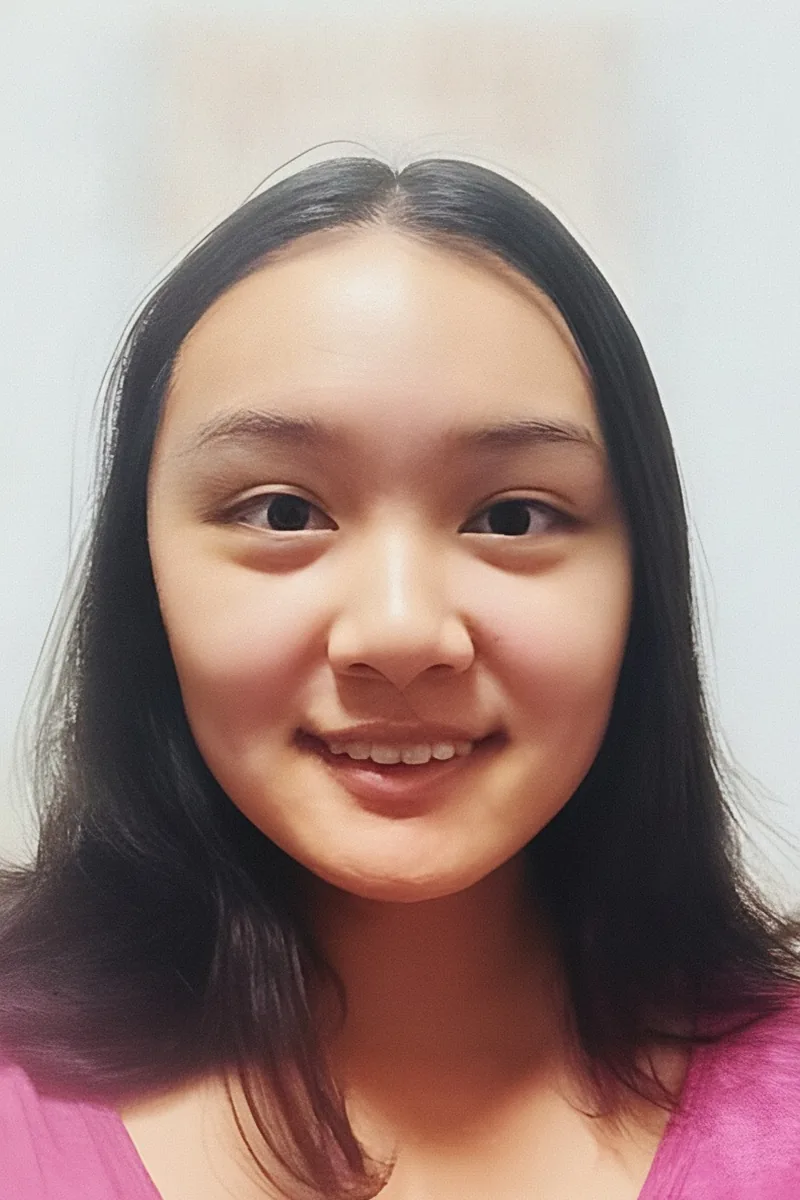
Minoring in Chinese at Northeastern while pursuing a pharmacy degree, Amy uses the language daily in academic contexts — reading research, discussing coursework — which builds the kind of formal register fluency the AP Chinese exam's interpretive reading and presentational writing sections actually test. Her 4.9 rating from students reflects a knack for breaking complex characters and grammatical structures into manageable patterns, and she draws on her own experience as a heritage learner to bridge gaps between conversational Mandarin and the academic-level precision the exam demands.

The AP Chinese Language and Culture exam tests more than vocabulary — it requires students to compare cultural practices, narrate stories in real time, and write structured responses under pressure. Yiyu, educated in Beijing before earning her M.S. in Education, unpacks the cultural knowledge embedded in each task type and drills the specific speaking and writing patterns that earn top scores.
With dual degrees in Chinese Studies — both a bachelor's and a master's — Ting brings academic depth to the interpretive reading passages on the AP Chinese exam, where students encounter literary and historical texts that go beyond conversational Mandarin. She teaches across five levels of Mandarin Chinese, so she can pinpoint exactly where a student's grammar or character recognition is falling short and address it before exam day. Rated 5.0 by students.
A molecular biology degree from UC Berkeley might seem unrelated to AP Chinese, but Caroline's background teaching Mandarin across four levels — plus her fluency in the language — means she knows how to bridge the gap between conversational Mandarin and the formal, academic register the exam's interpretive reading and listening sections demand. She's particularly effective at coaching students through the exam's interpersonal tasks, where her experience mentoring K-12 students in Oakland translates into patient, structured practice that builds confidence under timed conditions. Rated 5.0 by students.
The cultural presentation component of AP Chinese Language and Culture catches many students off guard because it requires genuine knowledge of Chinese traditions, geography, and social customs — not just language proficiency. Christine grew up in Shanghai and brings firsthand cultural context to topics like festival traditions, family structures, and regional differences that students need for both the exam and the interpersonal tasks. Her native fluency means she can coach pronunciation and tonal accuracy in real time.
After a decade teaching middle schoolers in a Chinese immersion school in California, Ruth knows exactly where students' spoken Mandarin starts to buckle under the pressure of timed AP tasks — especially the presentational speaking prompts that demand formal structure and clear tonal precision on the fly. She also taught History and Theater entirely in Chinese, which means her students get exposure to the kind of cross-disciplinary cultural vocabulary that the exam's reading and listening passages actually test. Rated 5.0 by students.
Paul is one of those rare tutors who operates at an advanced level in both Mandarin Chinese and a second foreign language, giving him unusual insight into how tonal languages, character-based writing systems, and cultural frameworks interact on the AP exam. He zeroes in on the interpersonal and presentational communication tasks, coaching students through the real-time speaking and writing prompts that carry the most weight.
Eileen scored well enough on the SAT Subject Test in Chinese with Listening to understand both the language mechanics and the test strategy behind AP Chinese. She tackles the interpersonal and presentational communication tasks by drilling real conversational patterns and teaching students how to structure spoken and written responses under timed conditions.
As a native Mandarin speaker who moved to the U.S. at nine and later studied at Cornell, Jennifer bridges Chinese and American culture in a way that's hard to find in a tutor. She covers all four AP skill areas — interpretive reading, listening, presentational writing, and spoken interpersonal communication — while weaving in the cultural knowledge that the exam's free-response questions specifically test. Rated 5.0 by students.
Eric teaches across three levels of Mandarin Chinese and coaches AP Chinese Language and Culture with a particular edge on the interpersonal speaking tasks, where his conversational fluency and 36 ACT verbal instincts help students think on their feet during timed prompts. His biomedical engineering coursework at Duke also means he can introduce technical and academic vocabulary that gives cultural comparison essays unexpected depth — discussing China's healthcare system, STEM education culture, or scientific collaboration norms rather than recycling the same festival examples every other student writes about.
A native Mandarin speaker with undergraduate roots at Wuhan University — one of China's top ten — Albert brings an insider's grasp of the idiomatic phrasing, formal registers, and cultural references that the AP Chinese exam's interpersonal speaking and listening sections demand. His dual MBA training at UCLA and London Business School also means he can coach the presentational writing tasks with the kind of structured argumentation that earns top rubric scores.
With an economics degree and fluency across four levels of Mandarin Chinese, Alexander brings a practical, content-rich angle to AP Chinese prep — particularly the interpretive listening passages, where students need to process real-world topics like trade, policy, and social trends discussed in rapid, formal Mandarin. He also tackles the exam's cultural comparison essays by drawing on his cross-cultural academic background to teach students how to move beyond surface-level observations and anchor their responses in specific, substantive examples.
Scoring well on AP Chinese Language and Culture means navigating presentational writing, interpersonal speaking prompts, and cultural comparison essays — all in Mandarin. Alex is fluent in Mandarin Chinese and understands the tonal pitfalls and character-recognition challenges that trip up American students. He connects language drills to real cultural contexts so the exam's thematic units feel less like abstract categories and more like actual conversations.
Scoring well on the AP Chinese exam means toggling between reading comprehension, cultural knowledge, and spontaneous speaking — all in one test. Nicole is fluent in both Mandarin and Cantonese and teaches students to navigate the interpersonal and presentational communication tasks the exam demands. She puts particular emphasis on the cultural comparison essay, where strong structure makes all the difference.
Testimonials
Because the right AP Chinese Language and Culture tutor makes all the difference.
Average Session Rating – Based on 3.4M Learner Ratings
Nearby AP Chinese Language and Culture Tutors
Other Boston Tutors
Related Languages Tutors in Boston
Frequently Asked Questions
The AP Chinese Language and Culture exam tests proficiency across five key areas: interpersonal communication (conversations and discussions), interpretive communication (reading and listening comprehension), and presentational communication (speaking and writing). The exam includes multiple-choice sections for reading and listening, plus free-response sections where you'll engage in conversations, write emails, and deliver oral presentations on cultural topics. Success requires not just language skills but also deep knowledge of Chinese culture, current events, and social practices.
Across Boston's 32 schools and 6 school districts, thousands of students are studying Chinese at various levels, with a growing number preparing for the AP exam. The Boston area has strong Chinese language programs, reflecting both the region's academic rigor and its diverse population. With an average student-teacher ratio of 11.2:1 in Boston schools, personalized 1-on-1 instruction can be especially valuable for AP Chinese students who need focused help with specific skills like tonal pronunciation or cultural context.
AP Chinese students typically struggle with three main areas: mastering tones and pronunciation accuracy (which affects listening and speaking scores), managing the volume of vocabulary and characters required (typically 2,500+ characters), and understanding cultural nuances needed for the presentational and interpersonal sections. Time management during the exam is also critical—the listening section moves quickly, and the free-response sections require organized, fluent responses. Personalized tutoring helps identify which specific skills need the most attention and creates targeted practice plans.
Score improvement depends on your starting point and how consistently you engage with tutoring. Students who work with tutors typically see the most gains by focusing on their weakest section—whether that's listening comprehension, writing fluency, or cultural knowledge—rather than trying to improve everything at once. Many students improve by 1-2 score points (on the 1-5 scale) over a few months of focused preparation, though some see even larger jumps when addressing fundamental skill gaps. The key is identifying exactly where you're losing points and building targeted practice around those areas.
Most students benefit from 3-4 months of focused AP Chinese preparation, though this varies based on your current proficiency level and how much you studied Chinese in previous years. If you're taking the course, you'll have the full school year, which allows time to build both language skills and cultural knowledge gradually. A typical preparation schedule includes weekly tutoring sessions, regular practice with past exam questions, consistent listening practice, and monthly practice tests to track progress and adjust your study plan as needed.
Work with a tutor to prioritize based on your diagnostic practice test results. If listening is weak, dedicate sessions to understanding rapid speech and regional accents; if speaking is the challenge, focus on fluency drills and cultural discussion topics; if writing lags, practice email and essay structures with feedback. Most students benefit from a mix of skill-building (pronunciation, grammar review) and exam-strategy work (understanding question formats, managing time during the speaking section). Your tutor can help you identify which sections will give you the biggest score boost with focused effort.
Practice tests are essential for AP Chinese because they reveal exactly which question types, cultural topics, or language skills are costing you points. Taking a full practice test every 2-3 weeks helps you understand the exam's pacing and format, especially for the listening section where you can't pause or replay. Beyond full tests, targeted practice with individual sections (like 10-minute listening drills or timed writing tasks) helps build confidence and speed. A tutor can review your practice test results to identify patterns in your mistakes and adjust your study plan accordingly.
The AP Chinese exam explicitly tests cultural understanding because language and culture are inseparable—you can't fully understand a conversation or write authentically without knowing the cultural context. Questions about holidays, social customs, historical events, and contemporary issues appear throughout the exam, especially in the interpersonal and presentational sections. Tutors help you build this knowledge by discussing real cultural topics, analyzing authentic Chinese media, and practicing how to express opinions on culturally relevant subjects—skills that boost both your language proficiency and your exam score.
Let’s find your perfect tutor
Answer a few quick questions. We’ll recommend the right plan and match you with a top 5% tutor.