Award-Winning AP English Literature and Composition Tutors
serving Detroit, MI
AP English Literature and Composition
Tutors in Detroit
Private 1-on-1 tutoring, weekly live classes for academic support, test prep & enrichment, practice tests and diagnostics, and more to elevate grades and test scores.
Based on 3.4M Learner Ratings
UniversitiesSchools & Universities
DeliveredHours Delivered
ProficiencyGrowth in Proficiency
Who needs tutoring?
No obligation. Takes ~1 minute.
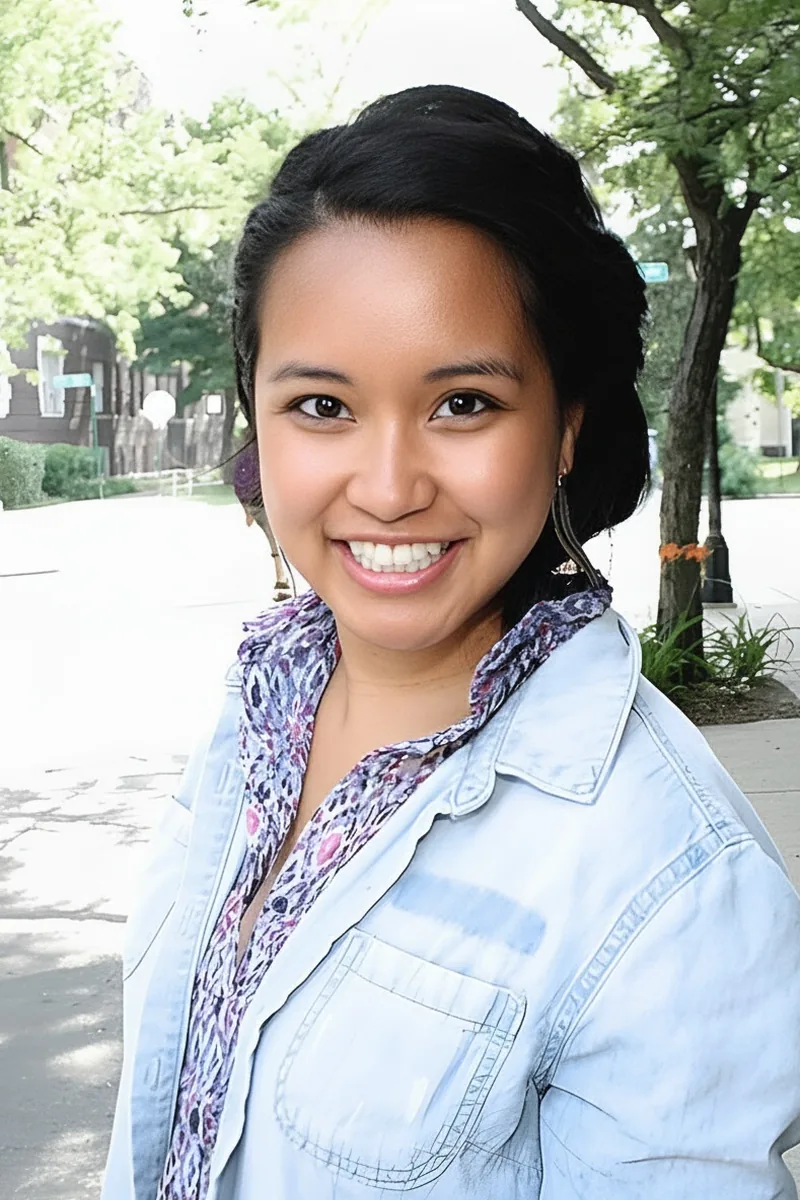
AP English Lit lives at the intersection of close reading and persuasive writing, and Joanne has spent years sharpening both skills — first through her English degree at Santa Clara and then through graduate work at Michigan. She digs into how students construct thesis-driven essays on poetry and prose, teaching them to move from surface-level plot summary to arguments about imagery, structure, and narrative voice that earn top scores.

Analyzing how a poet's syntax mirrors emotional tension, or tracing a novel's symbolic architecture across 300 pages — AP Lit demands close reading at a level most high schoolers haven't encountered before. Martha's experience writing analytical papers at Duke and editing college essays sharpens her ability to teach students how to build a thesis from textual evidence and defend it in a timed essay.
AP Lit asks students to do something genuinely difficult: read a poem or passage they've never seen and produce a persuasive analytical essay in 40 minutes. Allie's Creative Writing degree gives her an insider's understanding of literary craft — how authors manipulate syntax, imagery, and structure to create meaning. She teaches students to move from vague observations like "the tone is dark" to precise claims about diction and figurative language that earn top-tier essay scores.
AP English Lit asks students to do something genuinely difficult: write a persuasive analytical essay about a poem or passage they've never seen, under time pressure. Elijah's MFA in Acting means he's spent years unpacking subtext, figurative language, and narrative structure in scripts — the same close-reading muscles the exam demands. He teaches students to build arguments around literary devices like imagery, tone shifts, and irony rather than defaulting to plot summary.
AP Lit essays live or die on how well a student can connect a specific literary device — a symbol, a shift in narrative voice, an ironic reversal — to the work's larger meaning. Julie's philosophy background at Princeton trained her to construct tight, thesis-driven arguments from textual evidence, exactly the skill the exam's free-response questions demand.
AP Lit asks students to do something genuinely difficult: read a poem or prose passage cold and produce a polished literary argument in forty minutes. Jean's dual background in history and law sharpened her ability to construct tight, evidence-driven arguments under pressure — exactly the skill this exam rewards. She teaches students to move past plot summary and dig into how literary devices like imagery, tone shifts, and narrative structure create meaning.
Spending a semester at Madrid's top-ranked university reading literature alongside Spanish students sharpened Meghan's ability to dissect texts across cultural contexts — exactly the close-reading skill AP Lit demands. She teaches students to build thesis-driven essays around literary devices like imagery, tone shifts, and narrative structure, not just plot summary. Her 5.0 rating speaks to how well that translates in practice.
AP English Literature asks students to do exactly what Winnie was trained for: read a poem or prose passage cold and produce a sharp, thesis-driven essay under time constraints. Her comparative literature background means she can teach students to analyze imagery, narrative voice, and structural choices across traditions — from Victorian novels to postcolonial fiction — with the specificity the exam demands.
AP Lit asks students to do something genuinely difficult: read a poem or prose passage cold and produce a polished analytical essay in forty minutes. Hasan studied Literary Arts at Brown, where his coursework ranged from contemporary American fiction to ancient Indian classics, giving him the interpretive toolkit to teach students how to unpack imagery, structure, and narrative voice under exam conditions.
AP Lit asks students to do something genuinely difficult: read a poem or prose passage cold and produce a polished analytical essay under time pressure. Noelle unpacks literary devices like imagery, tone shifts, and narrative structure by showing how each one serves the author's larger argument — the kind of close reading that earns high marks on the free-response questions. Her love of reading and writing gives her a natural ear for the nuances the exam rewards.
Teaching literature courses at UVA and the North Carolina Governor's School gave Anna a front-row seat to the exact skills AP Lit demands: reading a poem or passage cold, identifying how literary devices generate meaning, and building an argument about it under time pressure. Her dissertation on 20th-century American fiction means she's deeply familiar with the novels and movements that frequently appear on the exam. She treats literary analysis as a learnable craft, not an innate talent.
AP Lit asks students to do something genuinely difficult: write a polished literary argument under time pressure about a poem or passage they've never seen before. Dalton digs into the close-reading mechanics that make that possible — tracking shifts in tone, identifying how figurative language builds meaning, and constructing thesis statements that go beyond plot summary. Rated 4.9 by students.
AP Lit asks students to do something most haven't practiced — write analytically about how a poem's structure or a novel's narrative technique creates meaning, not just summarize plot. As a Yale humanities student and avid reader, Tessa digs into the close-reading skills that earn high marks on the poetry free-response and the open-ended essay. She's particularly sharp on teaching students to move from observation ('there's a metaphor here') to argument ('here's what it does and why it matters').
Close reading is the backbone of AP Lit, and Elena's graduate training in art history taught her to analyze visual and written texts with the same forensic attention to detail. She teaches students to unpack poetic structure, narrative voice, and figurative language in ways that translate directly into high-scoring free-response essays. Her approach treats each passage like an artifact worth investigating, not just a prompt to answer.
AP Lit asks students to do something genuinely difficult: read a poem or prose passage cold and produce a coherent literary argument under time pressure. Rob taught English at Choate Rosemary Hall and holds degrees in English and Philosophy, so he digs into the mechanics of close reading — how meter, diction, and narrative structure generate meaning — and then drills the timed-essay skills that turn that analysis into a 5.
Testimonials
Because the right AP English Literature and Composition tutor makes all the difference.
Average Session Rating – Based on 3.4M Learner Ratings
Practice AP English Literature and Composition
Free practice tests, flashcards, and AI tutoring for AP English Literature and Composition
Nearby AP English Literature and Composition Tutors
Other Detroit Tutors
Related English Tutors in Detroit
Frequently Asked Questions
The AP English Literature and Composition exam tests your ability to analyze and interpret literature across poetry, drama, and prose. The exam has two sections: a 1-hour multiple-choice section (45 questions) where you'll read passages and answer questions about literary devices, tone, and meaning, and a 2-hour free-response section with three essays—analyzing a poem, analyzing a prose passage, and writing an argument about a work of literature you choose.
Most students find the free-response section more challenging than the multiple-choice, especially the argument essay, since it requires deep knowledge of a specific text and the ability to construct a compelling literary analysis under time pressure.
Most students benefit from starting preparation 3-4 months before the May exam, dedicating 5-7 hours per week to studying. This timeline gives you time to work through the curriculum, practice analysis techniques, and complete full-length practice tests. However, your specific timeline depends on your current reading level and familiarity with literary analysis.
Consistent, focused practice is more valuable than cramming—spacing out your study with practice tests, timed essays, and close reading exercises helps develop the analytical skills the exam requires.
The biggest challenge most students encounter is the limited reading time in the multiple-choice section—you typically have only 15 minutes per passage to read carefully and answer questions, which requires strong speed and comprehension skills. Many students also struggle with the argument essay, since it demands that you recall specific textual evidence from a book or play you've read and construct a sophisticated analysis under time constraints.
Additionally, students often misinterpret what the exam is asking for—it's not about your personal opinion of a text, but about identifying and explaining how the author uses literary devices to create meaning. Learning to recognize what each question is really asking, and managing anxiety during the timed sections, are key areas where personalized tutoring can make a real difference.
Strong AP English Literature essays share three things: a clear, specific thesis that responds directly to the prompt; well-chosen textual evidence (quotes or specific scenes) that supports your argument; and sophisticated analysis that explains how the evidence proves your point—not just what happens in the text. Many students lose points by summarizing plot instead of analyzing literary technique.
Timed practice is essential—write essays under exam conditions (40 minutes for poetry analysis, 40 minutes for prose analysis, 60 minutes for the argument essay) and review them with someone who can give you feedback on your thesis clarity, evidence selection, and analytical depth. Working with a tutor who specializes in AP English can accelerate your improvement significantly, since they can identify exactly where your analysis falls short and show you how to strengthen it.
You need genuine familiarity with your chosen text to write a strong argument essay—there are no reliable shortcuts. The exam readers can tell when you know a book well versus when you've only skimmed summaries or SparkNotes. Your argument needs to be supported by specific, accurate evidence from the text, and you need to be prepared for prompts that ask you to analyze characters, themes, or techniques you may not have anticipated.
That said, not every student needs to read every assigned AP English book at the same depth. Some books reward detailed re-reading, while others can be studied more efficiently through focused chapters and key scenes. A tutor can help you develop a reading strategy that balances thoroughness with time management, especially if you're juggling multiple AP classes.
Your AP exam focuses specifically on analyzing how writers create meaning through literary devices—figurative language, imagery, structure, tone, and point of view. Your regular English class might emphasize personal connections to texts, creative writing, or thematic discussions, but the AP exam is rigorous and standardized, with specific scoring rubrics that reward analytical precision.
The pacing is also much faster. You'll need to analyze unfamiliar passages in real time and construct complex arguments under strict time limits. This requires practicing test-specific strategies like annotation techniques, question decoding, and essay outlining—skills that go beyond what you typically do in class. That's why many students in the Detroit area find personalized preparation valuable for bridging the gap between classroom learning and exam performance.
Varsity Tutors connects you with expert tutors for students in Detroit who specialize in AP English Literature and Composition. You can work with a tutor one-on-one to focus on your specific challenges—whether that's improving your multiple-choice pacing, strengthening your essay analysis, or building confidence with unfamiliar texts. Tutors can provide targeted feedback on your writing, teach you strategic reading techniques, and help you develop a personalized study plan based on your timeline and goals.
When you're ready to get started, you can describe your needs and timeline, and you'll be matched with a tutor who has experience preparing students for this specific exam.
Let’s find your perfect tutor
Answer a few quick questions. We’ll recommend the right plan and match you with a top 5% tutor.