Award-Winning AP Spanish Literature and Culture Tutors
serving Minneapolis, MN
AP Spanish Literature and Culture
Tutors in Minneapolis
Private 1-on-1 tutoring, weekly live classes for academic support, test prep & enrichment, practice tests and diagnostics, and more to elevate grades and test scores.
Based on 3.4M Learner Ratings
UniversitiesSchools & Universities
DeliveredHours Delivered
ProficiencyGrowth in Proficiency
Who needs tutoring?
No obligation. Takes ~1 minute.

A biology major who also tutors across five levels of Spanish — from beginner through AP Language and AP Literature — Mikkel brings the same analytical precision he uses in organic chemistry to dissecting how a Borges story or a Sor Juana poem builds its argument through structure and language. His 4.8 rating suggests that methodical, science-trained approach to breaking down texts and constructing timed essays in Spanish works well for students who want clear frameworks rather than impressionistic literary hand-waving.
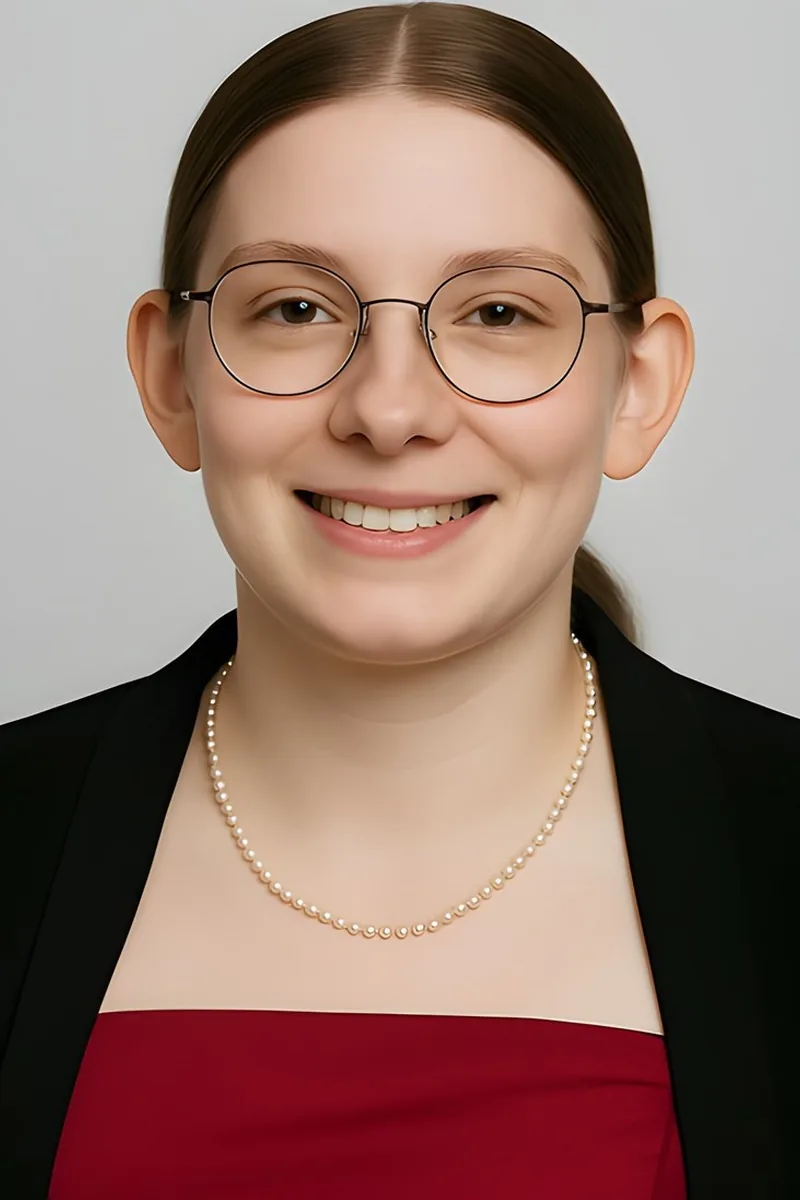
Honestly, AP Spanish Literature and Culture isn't Courtney's deepest specialty — her Spanish minor and SAT Spanish Subject Test tutoring give her solid language skills, but this exam's literary canon demands a level of cultural and analytical depth that goes beyond language proficiency alone. For students who need help with the foundational Spanish reading and writing fluency that supports literary analysis, or who want structured practice organizing timed essays, her 34 ACT and 5.0 rating reflect serious analytical chops she can apply to argument construction and textual evidence work.
Political science and law school prep might seem far from the AP reading list, but Diana's training in constructing tight, evidence-based arguments translates directly to the exam's free-response essays — where a well-structured thesis about a Borges story or a Sor Juana poem matters as much as Spanish fluency. Her background in Latin and AP Spanish coursework gives her the linguistic foundation to coach students through close reading and essay drafting in Spanish, especially on the argumentative structure that separates mid-range scores from top ones.
Studying Latin American Studies at Columbia alongside her American Studies major, Grace reads and analyzes Spanish-language literature at the university level daily. She unpacks the thematic and stylistic demands of the AP exam — from close reading García Márquez's magical realism to writing persuasive literary analysis essays in Spanish — with the cultural context that the rubric rewards.
Medical school sharpens one skill that translates surprisingly well to AP Spanish Literature: reading dense, complex material under pressure and extracting exactly what matters. Brianna's biology degree and Spanish tutoring experience give her the language foundation, while her test-taking discipline (1490 SAT, 32 ACT) carries over to coaching students on structuring timed analytical essays where clear argumentation counts more than literary flourish. This isn't her deepest subject, but for students who need help with the mechanics of building an evidence-based essay under exam conditions, her systematic approach fills a real gap.
Studying four languages — including Armenian, which she's currently acquiring — gives Araxie a firsthand understanding of how grammar, idiom, and cultural context interact in ways that matter for close reading of AP reading list texts in Spanish. Her Linguistics major at the University of Chicago sharpens that instinct: she can teach students to notice how a poet's syntax or verb mood carries meaning, then build that observation into a structured analytical essay entirely in Spanish.
Studying Spanish as a full degree — not just a minor or elective — means Alexandra has spent years reading and analyzing literary works in the original language, from García Márquez to Sor Juana. She teaches students to write the kind of thematic analysis essays the AP exam demands, connecting literary movements like el realismo mágico to their cultural and historical contexts.
Honest assessment: AP Spanish Literature and Culture isn't Morgan's wheelhouse — her strengths are English literature, writing, and standardized test prep (she scored a 34 ACT and holds a 5.0 rating). That said, her English degree at Washington University in St. Louis means she lives inside literary analysis daily, and for students who already have strong Spanish fluency but struggle with essay structure — building a thesis, integrating textual evidence, constructing an argument under time pressure — those skills transfer directly to the AP free-response format.
Having double-majored in Spanish at Washington University, Megan brings deep literary fluency to AP Spanish Literature and Culture — from close reading of García Márquez's magical realism to analyzing the cultural context behind Sor Juana's poetry. She walks students through the essay and presentational speaking rubrics so they know exactly what earns top scores on exam day.
Literary analysis is literary analysis whether it's in English or Spanish — and Stephen's English degree trained him to dissect how authors use structure, tone, and figurative language to build meaning, skills that transfer directly to unpacking AP reading list texts like Borges or Cervantes. His coursework across four levels of Spanish plus AP Spanish Literature and Culture means he can conduct that analysis in the target language, connecting his close-reading instincts to the essay construction the exam demands.
Molecular biology and literary analysis share more than people think — both require pulling apart complex structures to understand how smaller components create meaning. Alana's science training sharpens how she teaches students to dissect a passage's formal choices, and her Spanish coursework through AP-level literature means she can coach essay construction and textual analysis in the target language. Rated 5.0 by students.
Born and raised in San Juan, Puerto Rico, Carla is a native Spanish speaker whose theater background gives her a distinctive angle on literary analysis — she teaches students to read dramatic texts like *La casa de Bernarda Alba* and poetry by Sor Juana as living performances, not just words on a page. That instinct for voice, tone, and subtext translates directly to the close-reading and essay skills the AP exam rewards. Rated 5.0 by students.
Living and traveling in Spanish-speaking countries while pursuing Latin American Studies at Wesleyan gave Reta firsthand immersion in the cultural movements — from colonial legacies to contemporary identity politics — that run through the AP reading list. She's taken both the AP Spanish Language and Literature exams herself and spent a semester tutoring a high school student one-on-one, so she knows where the gap between reading comprehension and genuine literary analysis tends to open up. Her government coursework also sharpens how she teaches students to read texts as arguments about power and society, which strengthens thematic essay writing.
As a native Spanish speaker studying at Yale, Stephanie brings both cultural fluency and literary analysis skills to AP Spanish Literature and Culture — from close readings of García Márquez and Sor Juana to writing persuasive essays in Spanish about themes like "las sociedades en contacto." Her IB Diploma background means she's intimately familiar with the kind of rigorous textual analysis the AP exam demands. Rated 5.0 by students.
Testimonials
Because the right AP Spanish Literature and Culture tutor makes all the difference.
Average Session Rating – Based on 3.4M Learner Ratings
Nearby AP Spanish Literature and Culture Tutors
Other Minneapolis Tutors
Related Languages Tutors in Minneapolis
Frequently Asked Questions
AP Spanish Literature and Culture focuses on analyzing literary texts in Spanish across six thematic units: family and community, personal and public identities, folklore and cultural perspectives, social institutions, beauty and aesthetics, and science and technology. Students read a required reading list of Spanish and Latin American authors, develop close reading skills, and explore how literature reflects cultural values. The exam tests your ability to analyze texts, understand literary devices, and discuss cultural contexts through both multiple-choice questions and free-response essays.
Many students struggle with the combination of advanced Spanish language skills and sophisticated literary analysis—you need both fluency and the ability to interpret complex themes, symbolism, and cultural nuances. The timed essay sections can be particularly challenging since you must write coherent arguments in Spanish under pressure while analyzing unfamiliar texts. Additionally, the required reading list is substantial, and students often find it difficult to balance deep comprehension of assigned works with developing analytical skills for unseen passages on the exam.
Score improvement depends on your starting point and consistency with preparation, but personalized 1-on-1 instruction typically helps students strengthen weak areas significantly—whether that's essay writing, textual analysis, or vocabulary retention. Many students see meaningful gains by working with a tutor to develop systematic approaches to analyzing unfamiliar texts, practicing timed writing, and deepening their understanding of the required reading list. The key is identifying your specific challenges early (essay structure, cultural context comprehension, time management) and addressing them with targeted practice.
Successful test-takers use active reading strategies like annotating for theme, tone, and literary devices before answering multiple-choice questions—this helps you avoid common traps and answer more confidently. For the free-response essays, many students benefit from spending 2-3 minutes planning their argument before writing, which improves coherence and reduces the need for major revisions. Time management is critical: allocate roughly 40 minutes for the multiple-choice section (55 questions) and practice writing essays within the 40-minute time limit so you're comfortable with pacing on test day.
Most students benefit from beginning focused exam preparation 3-4 months before the May test date, though this varies based on your current Spanish proficiency and familiarity with literary analysis. A typical preparation schedule includes completing the required reading list, reviewing literary terminology and analytical frameworks, practicing timed essays weekly, and taking full-length practice tests 4-6 weeks before the exam. If you're working with a tutor, they can help you create a personalized timeline based on which areas need the most attention—whether that's essay writing, reading comprehension, or cultural analysis.
Your first session typically focuses on assessing your current strengths and identifying specific areas for improvement—a tutor might ask you to analyze a sample text, review an essay you've written, or discuss the required reading list to understand your comprehension level. This diagnostic approach helps tutors create a personalized plan targeting your needs, whether that's building essay-writing skills, deepening cultural analysis, or improving reading speed and comprehension. You'll also discuss your goals (target score, timeline) and establish a study schedule that fits your other commitments.
Strong essays require both clear argumentation in Spanish and specific textual evidence—practice structuring your essays with a clear thesis, topic sentences that support your argument, and direct quotes or references to the texts you're analyzing. Many students improve by writing practice essays under timed conditions and getting feedback on organization, grammar, and the depth of literary analysis. Working through the required reading list with close attention to themes, character development, and author's purpose gives you the textual knowledge needed to write confident, detailed essays during the exam.
Varsity Tutors connects Minneapolis students with expert tutors who specialize in AP Spanish Literature and Culture and understand both the curriculum and the exam format. When you get matched with a tutor, you can discuss their experience with the required reading list, their approach to teaching literary analysis, and their track record helping students improve their scores. Personalized 1-on-1 instruction allows tutors to focus on your specific challenges—whether that's essay writing, time management, or deepening your cultural analysis—at your own pace.
Let’s find your perfect tutor
Answer a few quick questions. We’ll recommend the right plan and match you with a top 5% tutor.