Award-Winning Special Education Tutors
serving Rochester, NY
Special Education
Tutors in Rochester
Private 1-on-1 tutoring, weekly live classes for academic support, test prep & enrichment, practice tests and diagnostics, and more to elevate grades and test scores.
Based on 3.4M Learner Ratings
UniversitiesSchools & Universities
DeliveredHours Delivered
ProficiencyGrowth in Proficiency
Who needs tutoring?
No obligation. Takes ~1 minute.
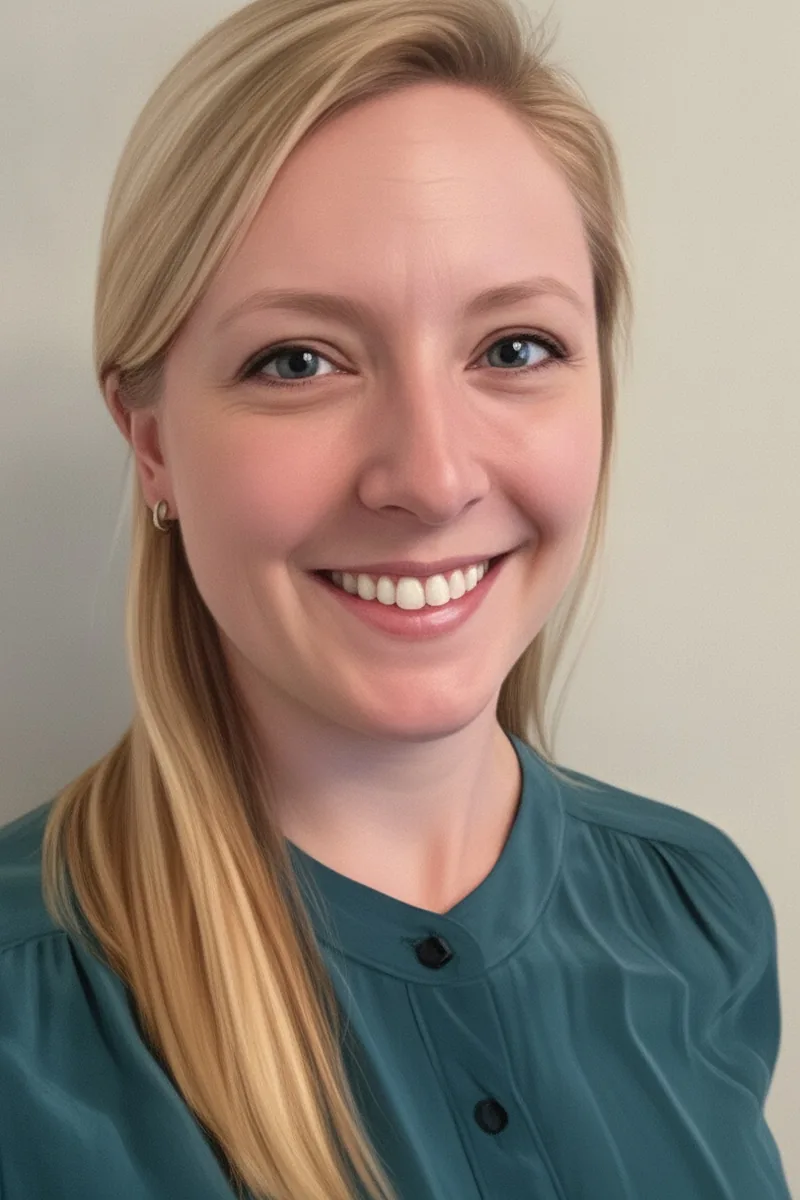
Liz holds a master's in Special Education (Mild to Moderate Disabilities, grades 5–12) from Simmons College and has worked extensively with students who have learning disabilities, ADHD, dyslexia, and emotional impairments. That clinical training, paired with her hands-on experience teaching and directing tutors at a charter school in Boston, means she knows how to adapt instruction on the fly — whether that's restructuring a math lesson for a student with dyscalculia or building reading fluency strategies for a student with dyslexia. She designs individualized approaches grounded in each student's IEP goals and actual learning profile.
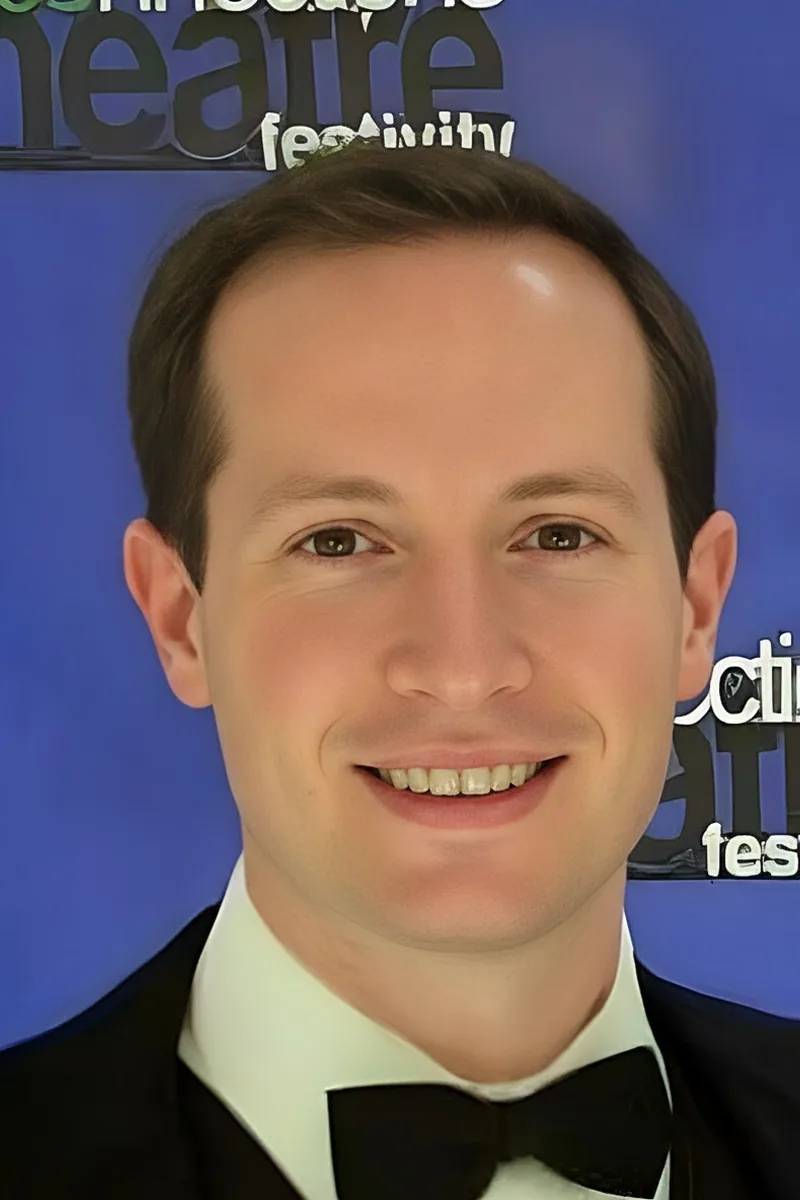
Every learner processes information differently — some through auditory explanation, some through visual mapping, others through hands-on activity — and Harry builds each session around identifying what actually works for that student. His background in theater and education at Northwestern trained him to read an audience and adapt in real time, a skill that translates directly to adjusting pacing, modality, and complexity for students with diverse learning needs.
Victoria spent three years as a certified classroom teacher through Teach for America, working with first through third graders who had a wide range of learning needs, including IEP-supported students. She adapts lessons to different processing styles and paces, breaking academic content into structured, manageable steps that build genuine understanding rather than frustration.
Heather's psychology background gives her real insight into how different learners process information — whether a student needs material broken into smaller chunks, presented visually, or reinforced through repetition. She's especially effective with kids who get frustrated easily, building their confidence alongside their skills in reading, math, or writing. Rated 5.0 by families she's worked with.
Earning her Master's in Elementary Inclusive Education and Special Education at Columbia's Teachers College, Olivia is trained to differentiate instruction across learning profiles — whether a student has an IEP, a 504 plan, or simply learns differently than the standard classroom assumes. She breaks down academic content using multisensory techniques and scaffolded steps, connecting each lesson to the student's strengths rather than defaulting to one-size-fits-all methods.
Charles holds a Master's in Counseling Psychology, which means he understands how different learners process information — not just in theory, but in practice. He adapts pacing, materials, and instruction style to match each student's needs, whether that means breaking a reading passage into smaller chunks or reteaching a math concept through a completely different method.
Colin is a certified special educator whose classroom experience spans multiple grade levels and learning profiles, from students with dyslexia and ADHD to those on the autism spectrum. He designs each session around a student's specific IEP goals and learning style — visual aids for one learner, movement-based activities for another — rather than applying a one-size-fits-all approach. That individualized structure builds both academic skills and the confidence students need to advocate for themselves in the classroom.
Ivan holds a master's degree in both General and Special Education for grades 5–9 and has taught in self-contained classrooms, Collaborative Team Teaching settings, and Resource Rooms across New York City. That range means he can adapt pacing, modify assignments, and scaffold reading or writing tasks based on each student's IEP goals and learning profile. Rated 4.8 by families he's worked with.
Alison spent six years teaching diverse learners in Brooklyn public schools, including students with IEPs and varied learning profiles, so she knows how to adapt pacing, instructions, and materials on the fly. She pairs that classroom experience with formal mindfulness training, which gives her concrete strategies for students dealing with attention challenges, test anxiety, or sensory overwhelm. The goal is always building independence — not just getting through tonight's homework.
Jamie holds a Master's in Special Education, which means he doesn't just adapt lessons on the fly — he designs instruction around how each student processes, retains, and demonstrates understanding. Whether a learner has an IEP addressing executive function challenges, reading disabilities, or autism spectrum needs, Jamie builds structured, multi-sensory approaches that connect to the student's strengths rather than spotlighting gaps.
A PhD in neuropsychology means Bill understands learning differences — ADHD, dyslexia, processing speed challenges — at the neurological level, not just as labels on an IEP. He adapts his teaching to how each student's brain actually processes information, whether that means restructuring how material is presented or building in specific compensatory strategies for memory and attention.
James holds a Master's in Education and brings deep experience adapting lessons for students with diverse learning needs, whether that means restructuring a math problem into smaller visual steps or reframing a reading assignment to reduce cognitive overload. He identifies where a student feels confident and builds outward from that anchor point. His 5.0 rating speaks to the trust and patience he brings to every session.
Every learner absorbs material differently, and Daniel's experience tutoring students from pre-K through 12th grade has given him a practical toolkit for adapting explanations on the fly. He breaks concepts into smaller, more concrete steps and uses real-world examples — from superhero storylines to song lyrics — to make abstract ideas tangible. His goal is always to build a student's confidence in finding answers independently, not just following instructions.
Laura's low-pressure tutoring style is deliberate, not accidental — she paces sessions around each student's comfort level and adjusts explanations on the fly when something isn't landing. Her range across math, science, reading, and writing means she can support students with diverse learning needs without constantly switching tutors. That flexibility, combined with her 5.0 rating, speaks to her ability to adapt material rather than force a one-size-fits-all approach.
I am always seeking out new adventures in New York!
Liz has hands-on experience working with children and young adults with ADHD, autism spectrum needs, and other learning and behavioral differences. She adapts pacing, instructions, and materials to each student's processing style — whether that means building in movement breaks, using visual organizers, or restructuring a task so it feels less overwhelming. Rated 4.9 by families she's worked with.
Co-teaching in NYC public schools means Rhiannon designs lessons daily for classrooms where IEPs, 504 plans, and diverse learning profiles are the norm — not the exception. She breaks down academic content into scaffolded steps, builds in sensory and processing accommodations, and adjusts pacing based on how each student actually learns. That real-world experience with differentiated instruction translates directly into one-on-one sessions where modifications aren't an afterthought.
Every learner processes information differently, and Morgan's Psychology degree provides a grounded understanding of how cognitive and behavioral differences shape the way students engage with material. Morgan adapts explanations, pacing, and task structure to match each student's needs — whether that means breaking reading assignments into smaller chunks or using visual organizers to make abstract concepts concrete.
Katharine brings patience and adaptability to her work with students who have learning differences, adjusting her explanations and pacing based on how each student actually processes information. Her theater training makes her especially attuned to nonverbal cues and communication styles, and she uses multisensory techniques — reading aloud, visual mapping, kinesthetic exercises — to make concepts in reading, writing, and grammar accessible.
During her years as a certified teacher in New Jersey public schools, Sasha worked extensively with students on IEPs and 504 plans, adapting biology and science content for learners with a wide range of processing, attention, and executive-function needs. She knows how to break material into smaller chunks, build in frequent comprehension checks, and use multi-sensory strategies that make abstract concepts accessible without watering them down.
Every learner processes information differently, and Kate's master's degree is specifically in Early Childhood Special and General Education — she didn't add special ed as an afterthought. She designs sessions around each student's IEP goals and learning profile, whether that means multisensory phonics instruction, modified math strategies, or executive functioning support. Her 5.0 rating speaks to the trust families place in her approach.
Rachel brings patience and adaptability to sessions with students who have IEPs or learning differences, adjusting pacing, breaking instructions into smaller steps, and using multisensory approaches to reinforce concepts. Her background in writing and literature means she's especially skilled at making reading and written expression accessible for learners who need material presented in more than one way.
Kay's undergraduate degree in Neuroscience and Behavior gives her a science-grounded understanding of how different learners process information, from attention differences to language processing challenges. Currently earning her Master of Arts in Teaching, she adapts pacing, scaffolding, and instructional strategies to match each student's specific needs rather than applying a one-size-fits-all approach.
Rachel's degree in Communication Sciences & Disorders means she understands the cognitive and language-based challenges that affect learning, from processing delays to difficulties with reading comprehension. She adapts lessons to each student's specific needs, breaking down material into manageable steps and using multisensory strategies to reinforce concepts across subjects.
Amy's neuroscience training means she understands the cognitive and developmental differences behind how individual learners process information, from attention and working memory to executive function challenges. She adapts lesson pacing, breaks tasks into manageable steps, and builds routines that give students real independence rather than dependence on prompts.
Samantha's graduate work in speech-language pathology and her undergraduate counseling concentration give her clinical insight into learning differences that most tutors simply don't have. She's trained to identify how processing challenges — whether in language, attention, or executive function — show up in schoolwork, and she adapts lessons accordingly. Her volunteer work at Variety Child Learning Center provided direct experience supporting children with developmental disabilities.
Specializing in struggling learners and students with learning and developmental disabilities has been central to Lindsay's career as both a teacher and a researcher. Her Ph.D. work in Developmental and Educational Psychology at Boston College informs how she adapts instruction — whether that means restructuring a math problem for a student with dyscalculia or breaking a writing assignment into manageable steps for a student with executive function challenges.
As a certified Special Education teacher and Board Certified Behavior Analyst, Kate designs instruction around how each learner actually processes information — not around a one-size-fits-all curriculum. She adapts academic content across subjects like reading, math, and writing while building the self-regulation and executive functioning skills that underpin classroom success. Her dual expertise in special education and applied behavior analysis means interventions are both evidence-based and practical.
As a state-certified teacher with special education experience, Marina adapts lessons to match each learner's processing style — whether that means breaking multi-step directions into smaller chunks, using visual supports for abstract concepts, or building in movement breaks that reset focus. Her UCLA background in public health sharpened her understanding of how environment and individual needs shape learning outcomes.
A Master's in Education trained Alan in differentiated instruction, IEP-aligned goal setting, and multisensory teaching methods that reach learners who struggle in traditional classroom environments. He adapts pacing and materials to match each student's processing style, whether the challenge involves reading comprehension, mathematical reasoning, or executive function skills. His 4.8 rating speaks to the patience and flexibility he brings to every session.
Twelve years of combined elementary and special education classroom experience give Elizabeth a deep understanding of how learning differences like dyslexia, ADHD, and processing disorders actually show up in day-to-day schoolwork. Now working as an Educational Diagnostician, she identifies where a student's learning profile creates specific barriers and adapts instruction accordingly — adjusting pacing, breaking multi-step tasks into manageable pieces, and choosing strategies matched to how each learner processes information.
During her years teaching second through fourth grade, Molly worked daily with students who had a wide range of learning needs, from reading intervention to modified math instruction. She pulls from multiple curricula and adapts materials on the fly — adjusting pacing, breaking tasks into smaller steps, and using multisensory approaches to make concepts accessible. Her 5.0 rating speaks to how well that individualized approach works.
Clinical psychology training fundamentally changes how you understand a struggling learner — Danny's PhD work gives him insight into the cognitive, emotional, and behavioral dimensions that shape how students with learning differences engage with academic material. He draws on formal counseling psychology methods to identify what's actually getting in the way, then adapts instruction accordingly, whether the barrier is processing speed, attention, anxiety around schoolwork, or something else entirely. Rated 5.0 by families.
Hans completed his Northwestern economics degree in three years rather than four, which required him to develop precise study systems and organizational strategies — skills he now applies when building structured routines for students who need extra support with executive function, task management, and academic planning. His 5.0 rating and broad teaching range across math, reading, and writing mean he can identify where a student is struggling and adjust his approach across multiple subject areas in a single session.
Rebecca's graduate training in social work at the University of Chicago, combined with her undergraduate psychology research, gives her a sharp understanding of how different learners process information and what accommodations actually look like in practice. She adapts pacing, breaks down multi-step instructions, and uses individualized reinforcement techniques to keep students engaged and progressing. Rated 4.9 by families she's worked with.
During her year as a teaching assistant in a first-grade classroom, Molly worked directly with students with special needs, adapting lessons and tracking individual progress toward IEP goals. Her dual major in elementary and special education gives her formal training in differentiated instruction, multisensory learning strategies, and behavior support frameworks. She understands how to modify materials so that a student can access the same content their peers are learning, just through a different pathway.
Every learner processes information differently, and Ominira's master's degree in Multicultural Education gave her deep training in adapting instruction to fit diverse cognitive and linguistic needs. She breaks down assignments into structured, manageable steps — whether that means scaffolding a reading passage or using visual models for math concepts — so students with IEPs or 504 plans can access grade-level content with confidence.
Matthew tutors across a wide range of subjects — math, reading, writing, economics, and test prep — which means he can spot where a student's struggles in one area connect to gaps in another and adjust his approach accordingly. His strength is building rapport quickly; rated 4.8 by families, he's especially effective with learners who shut down in traditional academic settings and need someone who can make material feel less intimidating before diving into skill-building.
Testimonials
Because the right Special Education tutor makes all the difference.
Average Session Rating – Based on 3.4M Learner Ratings
Nearby Special Education Tutors
Other Rochester Tutors
Related Learning Differences Tutors in Rochester
Frequently Asked Questions
Special education tutoring is personalized 1-on-1 instruction designed specifically for students with learning disabilities, developmental delays, autism spectrum disorder, ADHD, and other conditions that affect learning. Unlike general tutoring, special education tutoring incorporates evidence-based interventions, accommodations aligned with IEP or 504 plan goals, and teaching methods tailored to each student's learning profile. Tutors work closely with families and school teams to reinforce skills and bridge gaps between classroom instruction and individual learning needs.
Rochester has 25 school districts serving over 36,000 students, with varying levels of special education resources and support. Personalized tutoring complements classroom instruction by providing one-on-one attention that addresses specific skill gaps, reinforces IEP goals, and builds confidence in areas where students struggle. Whether a student attends a Rochester City School or a suburban district, tutoring can fill gaps in reading, math, writing, executive function, and social-emotional skills that may be difficult to address in a classroom setting with a 12.8:1 student-teacher ratio.
Students with special needs often struggle with foundational skills like phonemic awareness, decoding, and math fact fluency, which compound over time and affect academic confidence. Executive function challenges—including organization, time management, and task initiation—are also widespread and impact performance across all subjects. Additionally, many students face social-emotional challenges, difficulty generalizing skills across settings, and frustration when they can't keep pace with peers. Personalized tutoring addresses these specific challenges through targeted, repetitive practice and strategies that help skills stick and transfer to real-world situations.
Yes. Varsity Tutors connects you with tutors who understand how to work with IEPs and 504 plans and can align instruction with your child's documented goals and accommodations. During the first session, tutors will discuss your child's plan, learning profile, and specific areas of focus so that tutoring directly supports what's outlined in their formal documentation. This coordination ensures consistency between school and tutoring and maximizes progress toward measurable goals.
The first session is an assessment and relationship-building opportunity. The tutor will learn about your child's strengths, challenges, learning style, IEP or 504 plan goals, and any specific concerns you have. They'll observe how your child approaches tasks, what motivates them, and where gaps exist—then develop a personalized plan for moving forward. This foundation ensures that subsequent sessions are purposeful and targeted to your child's actual needs, not generic instruction.
Progress is tracked through multiple methods: baseline assessments at the start, regular progress monitoring on specific skills (like fluency, accuracy, or task completion), and ongoing communication with families and schools. Tutors use data-driven approaches like curriculum-based measurement, observation notes, and work samples to document growth. Clear, measurable progress helps adjust instruction as needed and demonstrates whether tutoring is effectively supporting IEP goals and academic development.
Varsity Tutors connects you with tutors who have expertise in special education, learning disabilities, and evidence-based interventions. Many have backgrounds in special education teaching, speech-language pathology, school psychology, or related fields, and understand how to implement accommodations, use structured literacy approaches, and teach to individual learning profiles. Tutors are matched to your child based on their specific needs, ensuring a strong fit between student and instructor.
The sooner skill gaps are addressed, the better—early intervention prevents frustration and prevents gaps from widening. If your child has been identified as needing special education services, is struggling in core subjects like reading or math, or isn't meeting IEP goals despite classroom instruction, tutoring can help immediately. Many families find that starting tutoring at the beginning of a school year or right after an IEP meeting allows for clear goal-setting and momentum building.
Let’s find your perfect tutor
Answer a few quick questions. We’ll recommend the right plan and match you with a top 5% tutor.