Award-Winning AP Japanese Language and Culture Tutors
serving Raleigh, NC
AP Japanese Language and Culture
Tutors in Raleigh
Private 1-on-1 tutoring, weekly live classes for academic support, test prep & enrichment, practice tests and diagnostics, and more to elevate grades and test scores.
Based on 3.4M Learner Ratings
UniversitiesSchools & Universities
DeliveredHours Delivered
ProficiencyGrowth in Proficiency
Who needs tutoring?
No obligation. Takes ~1 minute.
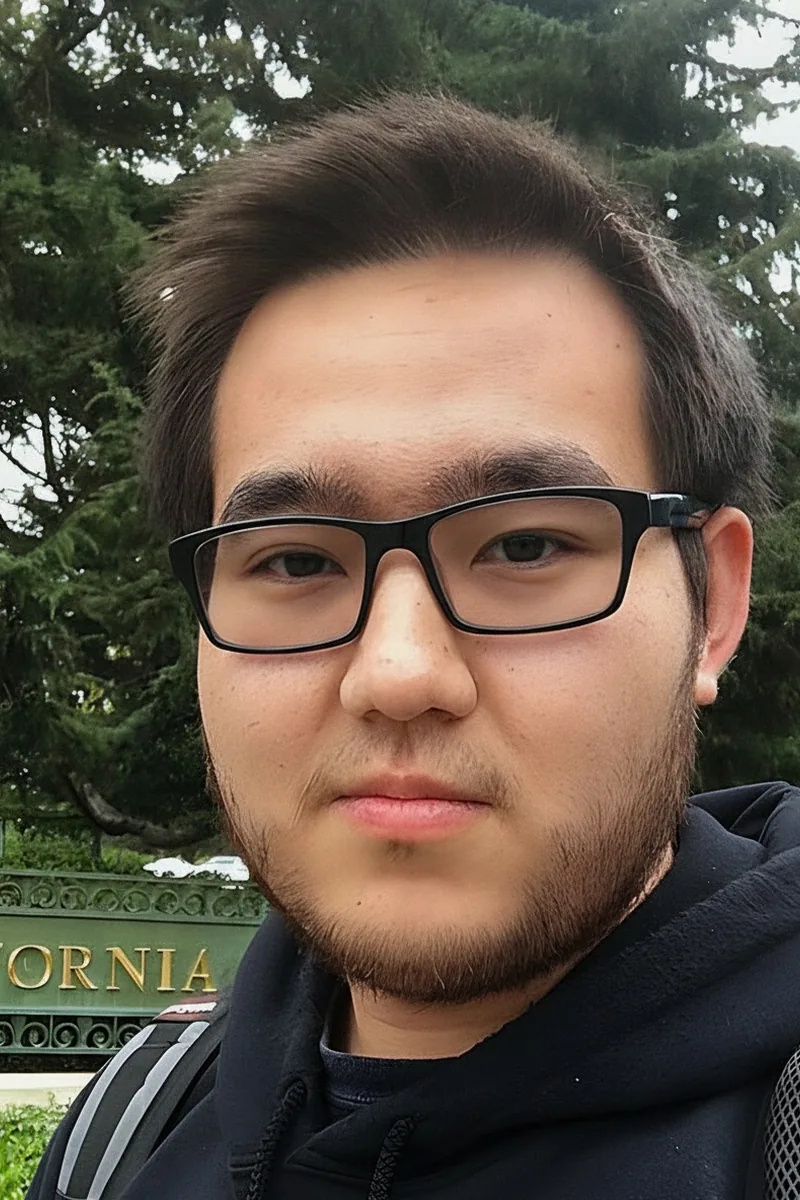
Yuxuan scored well enough on the SAT Subject Test in Japanese with Listening to demonstrate real proficiency, and she brings an analytical mindset from her science training to language study — parsing grammar structures and kanji patterns methodically. For AP Japanese, she can walk students through the presentational writing and speaking tasks that require not just vocabulary recall but cultural framing.

As a Linguistics and Japanese double major at the University of Vermont who also conducts research in both departments, Alyssa brings genuine academic depth to AP Japanese prep — not just conversational ability but an understanding of how the language's grammar, phonology, and writing systems actually work. She scaffolds exam preparation through students' existing interests in Japanese film, food, and literature, which makes memorizing vocabulary and internalizing sentence patterns far more durable than rote drilling.
Scoring well on the AP Japanese Language and Culture exam means navigating interpersonal, interpretive, and presentational communication tasks — all under time pressure. Anna's experience with the SAT Subject Test in Japanese with Listening gives her deep familiarity with the listening and reading formats that trip students up most. She zeroes in on keigo usage, kanji recognition strategies, and cultural comparison essays.
Shin is a Japanese minor at Columbia University who engages with the language daily through academic coursework and cultural study, giving him real fluency with the keigo, kanji readings, and cultural comparison essays that dominate the AP exam. He breaks down the presentational speaking and writing tasks into repeatable frameworks so students can respond confidently under timed conditions. Rated 5.0 by students.
This isn't Alexander's core area — his strengths sit squarely in standardized test prep (1590 SAT), programming, and history. That said, his liberal arts studies at NYU and experience with foreign language tutoring mean he can bring structured analytical thinking to grammar patterns and kanji study, which may suit students who respond better to a systematic, logic-driven approach than a purely immersive one.
Pursuing Japanese as one of his primary fields at Brown, Felix tackles AP Japanese Language and Culture from both the linguistic and cultural sides — keigo usage, kanji reading strategies, and the cultural context that shows up in the presentational and interpersonal communication tasks. He's especially sharp on the exam's free-response section, where cultural comparison prompts require more than surface-level knowledge.
Shona's semester abroad in Seville proved that immersive language study — learning to think in a new grammar system, not just translate — transfers across languages, and she applies that same approach to Japanese. Her background teaching AP Japanese draws on structured study habits from her applied math training at Johns Hopkins, which turns out to be surprisingly useful for systematizing kanji memorization and particle logic. Rated 4.9 by students.
As a native Japanese speaker who reads, writes, and speaks the language fluently, Rei brings an insider's command of keigo (formal speech levels), kanji usage, and cultural nuance that the AP Japanese exam specifically tests. He also scored 800 on the SAT Japanese with Listening subject test, so he knows exactly how standardized exams frame questions around listening comprehension and cultural comparison prompts.
I am open to tutoring in a broad range of subjects, including Algebra, Spanish I/II, ESL and Biology (SAT II, AP, and MCAT).
Andrew's subject list doesn't include Japanese, and his academic background is in molecular biology, literature, law, and management — so this isn't a natural fit. That said, his strong standardized test performance and analytical training mean he can support students with the structured, logic-driven aspects of language study like grammar patterns and exam strategy, even if he's not the right choice for building fluency or navigating keigo.
As president of the Japanese Student Association, Kai designed and led Japanese language lessons from scratch for members who had no classroom option at their university. That hands-on teaching experience maps directly onto the AP exam's demands: keigo usage, cultural comparison essays, and the interpersonal speaking tasks that require real conversational instinct, not just textbook grammar.
I'm a student at Brown University with an eclectic set of interests. I am trilingual, analytical, and creative and look forward to tutoring you! :)
Testimonials
Because the right AP Japanese Language and Culture tutor makes all the difference.
Average Session Rating – Based on 3.4M Learner Ratings
Nearby AP Japanese Language and Culture Tutors
Other Raleigh Tutors
Related Languages Tutors in Raleigh
Frequently Asked Questions
The AP Japanese Language and Culture exam tests proficiency across three modes of communication: interpersonal (conversations and discussions), interpretive (reading and listening comprehension), and presentational (speaking and writing). The exam includes multiple-choice sections on reading and listening, plus free-response sections requiring you to write emails, give presentations, and participate in conversations. Cultural knowledge is woven throughout—you'll need to understand Japanese customs, traditions, and contemporary society alongside language skills.
According to language learning research, achieving professional-level proficiency in Japanese typically requires 600+ hours of study due to its writing systems (hiragana, katakana, and kanji) and complex grammar structures. Most students who start Japanese in 9th grade and study consistently through 12th grade can reach AP-level proficiency, but individual timelines vary based on prior language experience and study intensity. Personalized tutoring can accelerate progress by targeting your specific weak areas—whether that's kanji recognition, listening comprehension, or speaking fluency.
Most students struggle with kanji recognition under timed conditions, since the exam expects knowledge of roughly 300+ kanji characters. Listening comprehension is another common challenge—the audio moves quickly and covers various accents and speaking styles. Many students also find the free-response speaking section intimidating because it requires spontaneous conversation without preparation time. Working with a tutor who specializes in AP Japanese can help you build speed with kanji, train your ear to different speech patterns, and practice speaking responses until they feel natural.
AP scores range from 1-5, with a 3 or higher typically earning college credit. Most colleges grant credit for a 4 or 5, though policies vary by institution. Your target score depends on your college goals and major—students pursuing Japanese studies or international business often aim for a 4 or 5, while others may be satisfied with a 3. A tutor can help you understand your current level, identify realistic improvement targets, and create a study plan to reach your goal by test day.
Effective AP Japanese preparation typically spans 3-6 months of consistent study, with daily practice in all four skills: reading, writing, listening, and speaking. A strong schedule includes regular kanji review (using spaced repetition), listening to authentic Japanese media, writing practice with feedback, and speaking opportunities. Many students benefit from dedicating 1-2 hours daily, with longer sessions closer to the exam. Personalized tutoring helps you prioritize based on your strengths and weaknesses—if listening is your weak point, your tutor can focus sessions there while you maintain other skills independently.
Varsity Tutors connects you with expert tutors who specialize in AP Japanese Language and Culture and understand the specific demands of the exam. Tutors can work with you on targeted skills like timed reading comprehension, natural conversation practice, or kanji mastery depending on your needs. You can get matched with a tutor who fits your schedule and learning style, whether you prefer to meet multiple times weekly leading up to the exam or have intensive sessions closer to test day.
Your first session is typically an assessment and planning meeting. The tutor will evaluate your current proficiency level across reading, writing, listening, and speaking to identify your strengths and gaps. You'll discuss your target AP score, timeline, and learning preferences, then create a customized study plan together. This foundation helps ensure every subsequent session builds directly toward your goals rather than covering material you've already mastered.
Speaking is crucial—the free-response section includes two speaking tasks worth a significant portion of your grade. Many students feel less confident speaking than reading or writing, which makes regular practice essential. Working with a tutor gives you a native or near-native speaker to practice with, receive real-time feedback, and build confidence before exam day. Consistent speaking practice also improves your listening skills since you become more familiar with natural speech patterns and pronunciation.
Let’s find your perfect tutor
Answer a few quick questions. We’ll recommend the right plan and match you with a top 5% tutor.