Award-Winning AP Chinese Language and Culture Tutors
serving Nashville, TN
AP Chinese Language and Culture
Tutors in Nashville
Private 1-on-1 tutoring, weekly live classes for academic support, test prep & enrichment, practice tests and diagnostics, and more to elevate grades and test scores.
Based on 3.4M Learner Ratings
UniversitiesSchools & Universities
DeliveredHours Delivered
ProficiencyGrowth in Proficiency
Who needs tutoring?
No obligation. Takes ~1 minute.
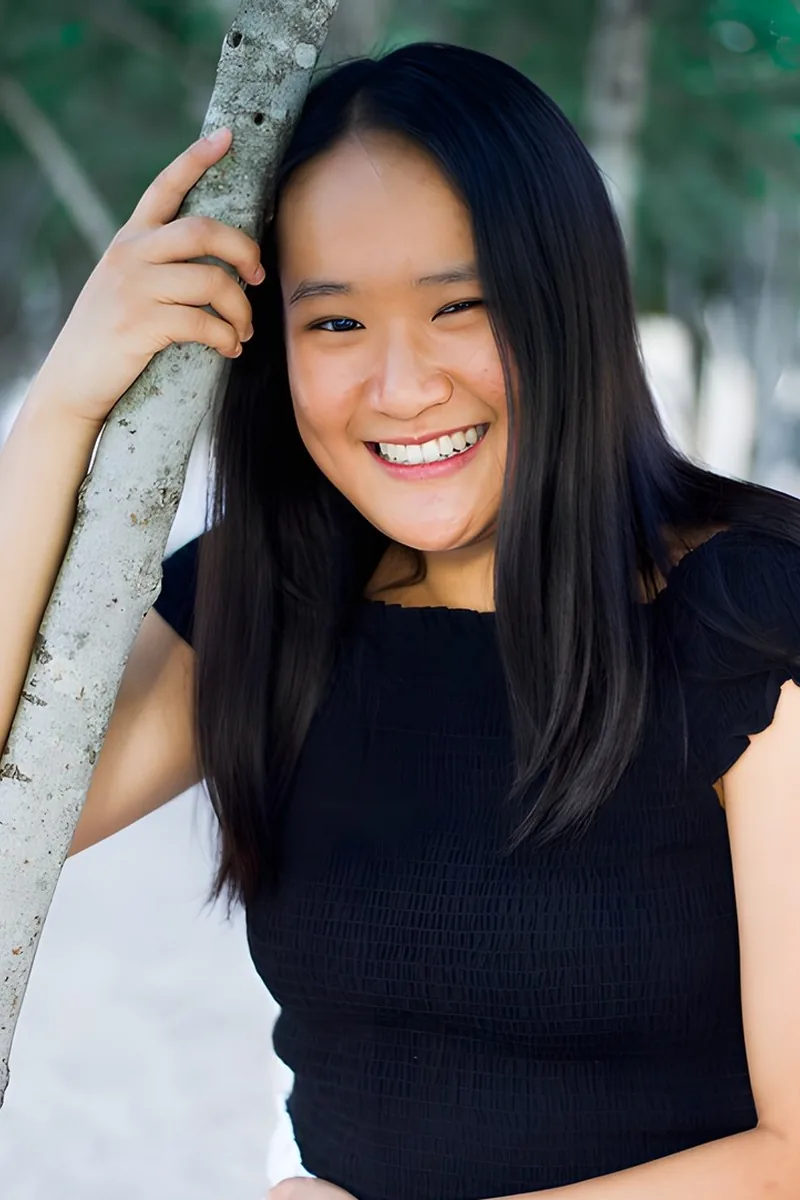
Eileen scored well enough on the SAT Subject Test in Chinese with Listening to understand both the language mechanics and the test strategy behind AP Chinese. She tackles the interpersonal and presentational communication tasks by drilling real conversational patterns and teaching students how to structure spoken and written responses under timed conditions.
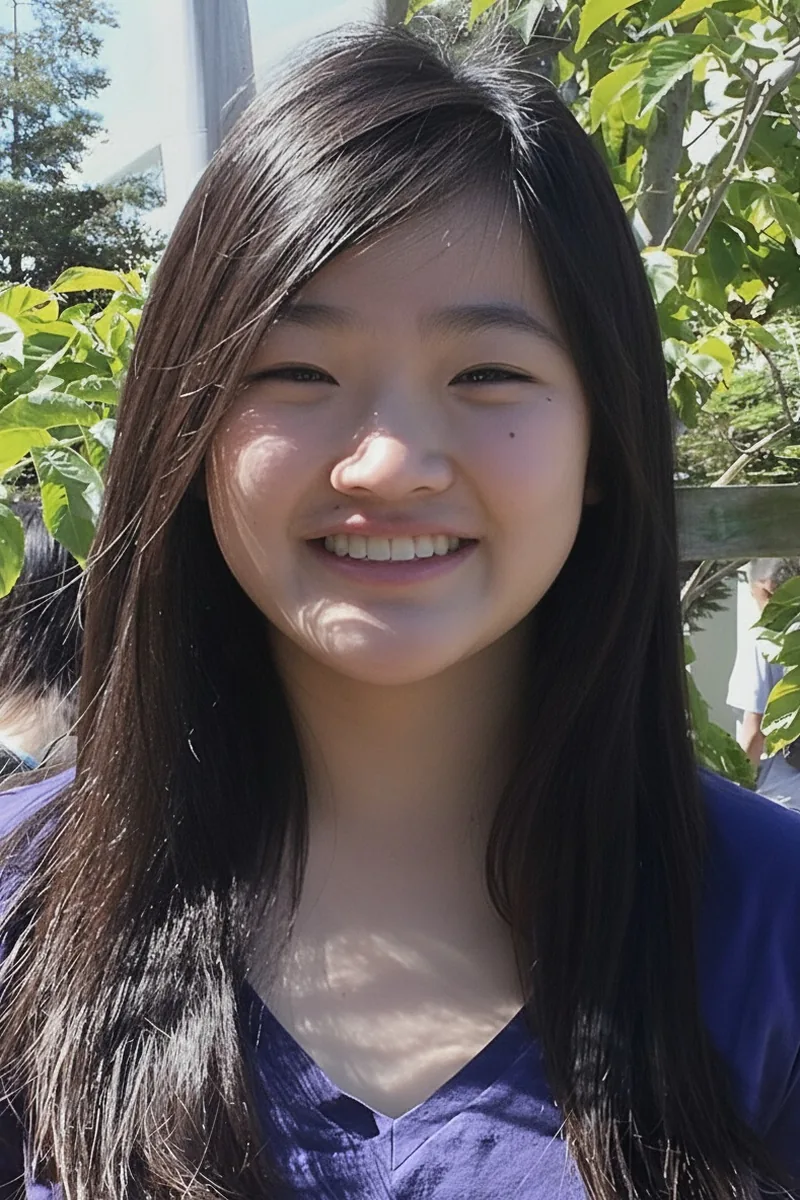
The cultural comparison essay on the AP Chinese Language and Culture exam trips up even strong speakers because it requires analytical writing, not just language proficiency. Julie's philosophy training at Princeton sharpens exactly that skill — breaking down a prompt, organizing a clear argument, and supporting it with specific cultural knowledge. She brings that structured thinking to every section of the exam.
I'm Jay! I'm currently going to college at the University of Texas at Austin. I am majoring in fine arts and I am also in the pre-medical program. Even though I'm not done with college, I have already published papers in the field of epigenetics since my freshmen year of college. Even though I consider myself to have an expertise in languages, I decided to teach areas in the field of natural sciences because those are the subjects that I am most passionate about.
With an economics degree and fluency across four levels of Mandarin Chinese, Alexander brings a practical, content-rich angle to AP Chinese prep — particularly the interpretive listening passages, where students need to process real-world topics like trade, policy, and social trends discussed in rapid, formal Mandarin. He also tackles the exam's cultural comparison essays by drawing on his cross-cultural academic background to teach students how to move beyond surface-level observations and anchor their responses in specific, substantive examples.
Eric teaches across three levels of Mandarin Chinese and coaches AP Chinese Language and Culture with a particular edge on the interpersonal speaking tasks, where his conversational fluency and 36 ACT verbal instincts help students think on their feet during timed prompts. His biomedical engineering coursework at Duke also means he can introduce technical and academic vocabulary that gives cultural comparison essays unexpected depth — discussing China's healthcare system, STEM education culture, or scientific collaboration norms rather than recycling the same festival examples every other student writes about.
Melody teaches Mandarin Chinese and is currently studying at Columbia, where her coursework in AP Chinese Language and Culture aligns closely with the exam's cultural comparison prompts — the section where students need to articulate specific, nuanced differences between Chinese and American practices rather than recite generalities. Her 4.9 rating from students speaks to her ability to break down both the interpretive listening tasks and the presentational speaking prompts, where tonal clarity and organized delivery under timed pressure make the difference.
As a native Mandarin speaker who moved to the U.S. at nine and later studied at Cornell, Jennifer bridges Chinese and American culture in a way that's hard to find in a tutor. She covers all four AP skill areas — interpretive reading, listening, presentational writing, and spoken interpersonal communication — while weaving in the cultural knowledge that the exam's free-response questions specifically test. Rated 5.0 by students.
The AP Chinese Language and Culture exam tests far more than vocabulary — it demands cultural literacy and the ability to switch between interpersonal, interpretive, and presentational communication modes. As a fluent Mandarin speaker with a science-trained discipline for systematic preparation, Jing tackles each section's unique format so students know exactly what the exam expects.
Paul is one of those rare tutors who operates at an advanced level in both Mandarin Chinese and a second foreign language, giving him unusual insight into how tonal languages, character-based writing systems, and cultural frameworks interact on the AP exam. He zeroes in on the interpersonal and presentational communication tasks, coaching students through the real-time speaking and writing prompts that carry the most weight.
Scoring well on AP Chinese Language and Culture means navigating presentational writing, interpersonal speaking prompts, and cultural comparison essays — all in Mandarin. Alex is fluent in Mandarin Chinese and understands the tonal pitfalls and character-recognition challenges that trip up American students. He connects language drills to real cultural contexts so the exam's thematic units feel less like abstract categories and more like actual conversations.
The AP Chinese Language and Culture exam uniquely blends language proficiency with cultural comparison, asking students to present on practices and perspectives across Chinese-speaking communities. Christina's Mandarin instruction spans beginner through advanced levels, giving her a clear sense of where students' gaps tend to hide — whether it's measure words, aspect markers, or the formal tone the exam's interpersonal writing section expects. She builds targeted practice around the exam's six themes so students aren't just fluent but exam-ready.
Xiansheng's cellular and molecular biology degree might seem like an odd fit here, but he teaches across five levels of Mandarin Chinese and scored 1450 on the SAT — the analytical rigor carries over directly to coaching the AP exam's interpretive reading section, where students must parse dense, formal Mandarin and extract meaning under strict time limits. He's especially useful for students whose conversational Mandarin is solid but who stumble on the written exam components that demand precise character recognition and grammatical accuracy. Rated 4.7 by students.
Having studied French through level 4 and Mandarin Chinese across multiple levels, Noah approaches AP Chinese prep as someone who understands the mechanics of learning tonal languages from the inside — particularly the listening comprehension sections where untrained ears miss contextual shifts in rapid spoken Mandarin. His actuarial science training also lends an unusually methodical structure to exam prep, breaking the cultural comparison essays into scoreable components so students know exactly what earns points.
Testimonials
Because the right AP Chinese Language and Culture tutor makes all the difference.
Average Session Rating – Based on 3.4M Learner Ratings
Nearby AP Chinese Language and Culture Tutors
Other Nashville Tutors
Related Languages Tutors in Nashville
Frequently Asked Questions
The AP Chinese Language and Culture exam tests proficiency across four key skills: listening, reading, writing, and speaking. The exam includes multiple-choice sections for listening and reading comprehension, a free-response writing section, and a speaking portion with interpersonal and presentational components. The test emphasizes real-world communication in Mandarin Chinese and cultural understanding, requiring students to demonstrate proficiency at the intermediate-high level on the ACTFL proficiency scale.
Most students benefit from 6-12 months of focused preparation, though this depends on your current proficiency level and study intensity. If you're starting from an intermediate level, consistent practice over a full academic year allows time to strengthen all four skills and build cultural knowledge. Personalized tutoring can help you identify which areas need the most attention—whether that's expanding vocabulary, improving tones, or mastering written characters—so you can allocate study time effectively.
Many students struggle with the speaking section, particularly maintaining fluency under timed conditions and organizing thoughts quickly in Mandarin. The reading comprehension section challenges learners with authentic, fast-paced audio and complex written passages that require cultural context. Writing essays with proper grammar, tone, and cultural nuance also trips up test-takers. Working with a tutor who understands these specific pain points can help you practice timed responses, build listening stamina, and develop strategies for each section.
A score of 3 or higher is considered passing and earns college credit at most institutions, though competitive colleges often prefer scores of 4 or 5. Your target score depends on your college goals and current proficiency level. A tutor can assess your baseline skills and help you set a realistic goal based on your strengths and areas for growth, then create a study plan to reach that target.
The speaking section requires you to respond to prompts in real-time, which demands both fluency and cultural awareness. Practicing with timed mock questions, recording yourself, and getting feedback on pronunciation and pacing are essential. Personalized instruction allows you to practice conversational scenarios, receive immediate corrections on tones and grammar, and build confidence speaking under pressure—skills that translate directly to test day.
You don't need to write thousands of characters, but the AP exam requires you to recognize and understand characters in context across reading passages and listening comprehension. You'll typically need to recognize 2,500+ characters and be able to write 500-800 characters accurately. A tutor can help you prioritize high-frequency characters, understand character components to boost recognition, and develop efficient study methods so character learning doesn't become a bottleneck.
Cultural understanding is woven throughout the exam—it's not a separate section but rather integrated into reading passages, listening prompts, and speaking scenarios. You'll encounter authentic materials about Chinese holidays, traditions, current events, and social practices. Tutors can expose you to real Chinese media, discuss cultural nuances that affect language use, and help you develop the contextual knowledge that makes comprehension easier and responses more authentic.
Practice tests are crucial for understanding the exam format, building stamina for the full 2.5-hour exam, and identifying weak areas before test day. Take full-length practice tests under timed conditions every 2-3 weeks, then review errors to spot patterns—are you missing listening details, struggling with specific grammar, or running out of time on writing? A tutor can help you analyze practice test results, target your weaknesses with focused drills, and adjust your strategy based on what the data reveals about your performance.
Let’s find your perfect tutor
Answer a few quick questions. We’ll recommend the right plan and match you with a top 5% tutor.