Award-Winning AP English Language and Composition Tutors
serving Mesa, AZ
AP English Language and Composition
Tutors in Mesa
Private 1-on-1 tutoring, weekly live classes for academic support, test prep & enrichment, practice tests and diagnostics, and more to elevate grades and test scores.
Based on 3.4M Learner Ratings
UniversitiesSchools & Universities
DeliveredHours Delivered
ProficiencyGrowth in Proficiency
Who needs tutoring?
No obligation. Takes ~1 minute.
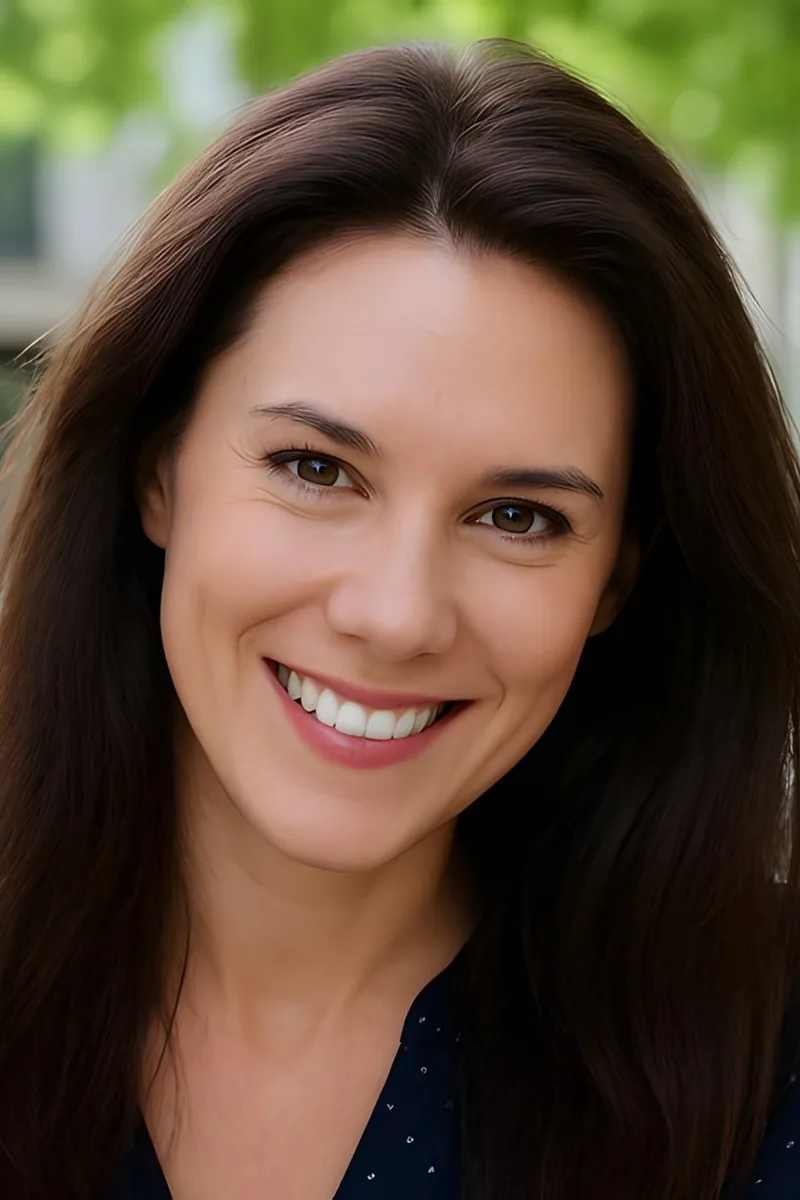
Rhetorical analysis is the backbone of AP Lang, and most students struggle not with identifying ethos or logos but with explaining *how* those strategies function in a specific argument. Michelle digs into the synthesis and argument essays as well, showing students how to weave source material into a thesis without letting it take over. Her writing background makes her especially sharp on voice and structure.

Rhetorical analysis is the backbone of AP Lang, and most students struggle not with identifying devices but with explaining *why* an author's choices matter for a specific audience. Jake unpacks arguments piece by piece — ethos appeals in an opening anecdote, strategic concessions in a counterargument — and teaches students to write analysis that goes beyond labeling techniques. His background in marketing gives him a practical lens on persuasion that translates directly to the exam.
Hi! I'm a passionate Spanish, English, and History teacher here in the Phoenix area. I have lived in Europe for 3 years and have 5 years of high school and middle school teaching experience. I have been teaching students for the last 10 years of all levels. I have many great references available and people say that I'm patient, flexible, knowledgeable, kind, and willing to go the extra mile so that the student understands the information. I am also currently completing my PhD in Spanish Linguistics.
AP Lang is ultimately about rhetoric: understanding how writers construct arguments through tone, structure, and strategic evidence. Martha's PhD research at Michigan requires exactly this kind of analytical reading — dissecting published studies for their persuasive strategies — and she applies that same lens to teaching students how to decode synthesis prompts and write arguments that earn top scores on the exam.
Todd's social work training at the University of Chicago — where every case study demanded parsing competing narratives and constructing evidence-backed arguments — maps directly onto what AP Lang asks students to do with nonfiction prose. His biology background also means he's comfortable coaching students through the science-heavy source sets that frequently appear in synthesis prompts, where translating data into persuasive claims is half the battle. Rated 5.0 by students.
I love to help students to do well on the SAT and ACT Verbal, Reading, and English sections. I have tutored these areas of standardized tests for more than 3 years. My approach is not "standardized" because I enjoy working one-on-one with clients to tailor learning experiences that address each person's unique needs. As a former professor of communication, I also have the skills to help professionals and graduate students with their research and writing. I am currently helping a doctoral student with her dissertation.
AP Lang asks students to dissect how authors build arguments — identifying rhetorical strategies, evaluating evidence, and constructing their own persuasive essays under time pressure. Rithi approaches this analytically, teaching students to map an argument's structure before writing about it, a skill she honed through years of reading and critiquing scientific literature in her neuroscience and biotechnology programs.
Years of writing, directing, and performing theater in New York City taught Harry how to construct an argument that lands with a live audience — a skill that translates directly to AP Lang's argument and synthesis essays, where every structural choice needs to serve a persuasive purpose. His Northwestern communications training sharpens his approach to nonfiction prose analysis, particularly when it comes to unpacking how authors calibrate tone and audience awareness to make a case.
Studying linguistics at Yale sharpened William's ability to analyze how language actually functions — why a writer chooses one syntactic structure over another, how tone shifts at the paragraph level, what makes a concession land versus fall flat. That analytical training maps directly onto AP Lang's rhetorical analysis and synthesis essays, where the highest scores go to students who can explain the mechanics behind a writer's persuasive choices. He holds a 5.0 rating and a 1580 SAT, which speaks to his command of both timed writing and close reading under pressure.
AP Lang is fundamentally an argumentation course — every rhetorical analysis and synthesis essay demands that students identify how writers build persuasive cases. Jonathan's background as a competitive debater at the University of Chicago sharpened exactly that skill, and his extensive coursework in philosophy gives him a deep toolkit for teaching logical reasoning, rhetorical strategy, and evidence evaluation. He breaks down the three essay types into repeatable frameworks students can deploy under timed pressure.
Theater training at Northwestern taught Merav something most AP Lang students struggle to learn on their own: how to read a text for its performative dimension — the way a writer's pacing, word choice, and tonal shifts are calculated to produce a specific response in an audience. She brings that performer's ear to the exam's free-response essays, teaching students to articulate not just which rhetorical moves an author makes but why those moves land. Rated 5.0 by students.
Rhetoric is everywhere, and AP Lang is the class that finally makes students see it — in speeches, editorials, even advertisements. Jack's dual background in theatre and economics means he can unpack both the emotional persuasion of a Kennedy address and the logical structure of an economic policy argument. He zeroes in on building the synthesis and argument essays, where students often struggle to integrate sources without losing their own voice.
Rhetorical analysis is the backbone of AP Lang, and Priscilla approaches it by teaching students to dissect how authors use structure, diction, and appeals to build an argument. Currently studying government at Harvard, she regularly breaks down political speeches and persuasive texts — exactly the kind of source material that shows up on the exam.
Medical anthropology trains you to read dense, argument-driven texts and extract how authors position evidence to support a claim — which is exactly what the AP Lang exam's multiple-choice and rhetorical analysis sections test. Katie applies that analytical rigor to teaching students how to unpack an author's strategic choices in nonfiction prose and then replicate those moves in their own timed essays. Rated 5.0 by students.
A licensed English 6-12 teacher with a Vanderbilt degree in English Literature, Karen knows the AP Lang exam inside and out — from dissecting rhetorical strategies in nonfiction passages to crafting airtight synthesis and argument essays under time pressure. She teaches students to identify how authors use diction, tone, and structure as persuasive tools, which is the analytical muscle the exam actually tests.
Testimonials
Because the right AP English Language and Composition tutor makes all the difference.
Average Session Rating – Based on 3.4M Learner Ratings
Practice AP English Language and Composition
Free practice tests, flashcards, and AI tutoring for AP English Language and Composition
Nearby AP English Language and Composition Tutors
Other Mesa Tutors
Related English Tutors in Mesa
Frequently Asked Questions
The AP English Language and Composition exam is 3 hours long and consists of two sections: a 1-hour multiple-choice section with about 45 questions covering rhetoric and argument analysis, and a 2-hour free-response section with three essays (synthesis, rhetorical analysis, and argument). Understanding each section's specific demands—like time management across three different essay types—is crucial for success. Many students find the rhetorical analysis essay particularly challenging because it requires identifying persuasive techniques while maintaining analytical depth under timed conditions.
Varsity Tutors matches you with expert tutors who have deep knowledge of AP English Language and Composition curriculum and exam strategies. The matching process considers your specific needs—whether you're struggling with essay structure, argument analysis, or time management—to find a tutor whose teaching style fits your learning preferences. Once matched, you'll work through personalized 1-on-1 instruction tailored to your strengths and weaknesses.
Many students struggle with distinguishing between the three essay types and applying the right analytical approach to each one. Others find it difficult to identify and explain rhetorical devices under time pressure, or they write arguments that lack sufficient evidence and warrant. Pacing is another major challenge—students often spend too much time on the multiple-choice section and rush through essays, which significantly impacts their ability to develop coherent, well-supported arguments.
Your first session focuses on assessment and goal-setting. A tutor will review your current understanding of rhetorical analysis, ask about your experience with timed writing, and discuss your target score. You might work through a practice essay prompt together to identify specific areas for improvement—whether that's understanding argument structure, recognizing persuasive techniques, or managing time across all three essays. This foundation helps create a personalized study plan for your remaining preparation time.
Practice tests are essential because they simulate real exam conditions and help you identify pacing issues before test day. Taking full-length practice exams under timed conditions reveals whether you're spending too long on multiple-choice, struggling with specific essay types, or running out of time to revise. A tutor can help you analyze your practice test results to pinpoint weak areas—like essay organization, evidence selection, or rhetorical device identification—and develop targeted strategies to address them.
Absolutely. Tutors work with you on the specific demands of each essay type: the synthesis essay (integrating multiple sources into a cohesive argument), the rhetorical analysis essay (identifying and explaining persuasive techniques), and the argument essay (building a compelling, evidence-backed position). You'll practice developing strong thesis statements, organizing evidence logically, and explaining the significance of rhetorical choices. With personalized feedback on your drafts, you'll refine your writing process to produce stronger essays within the 40-minute time frame for each prompt.
Score improvement depends on your starting point, how much time you invest, and how consistently you apply feedback. Students who work with a tutor for 4-8 weeks while completing regular practice essays often see meaningful gains—typically 1-2 points on the 1-5 scale. The biggest improvements come from addressing specific weaknesses (like essay organization or argument development) and practicing under timed conditions with targeted feedback. Consistent practice between sessions is key to translating tutoring insights into exam performance.
Yes. Many students feel anxious about timed writing or worry they won't recognize rhetorical devices under pressure. Tutors build confidence by breaking down the exam into manageable pieces, helping you develop reliable strategies for each essay type, and giving you repeated practice with real exam prompts. As you see improvement in your practice essays and understand the exam's patterns better, anxiety naturally decreases. Knowing you've practiced similar prompts and received expert feedback helps you approach test day with greater composure.
Let’s find your perfect tutor
Answer a few quick questions. We’ll recommend the right plan and match you with a top 5% tutor.