Award-Winning AP Spanish Literature and Culture Tutors
serving Phoenix, AZ
AP Spanish Literature and Culture
Tutors in Phoenix
Private 1-on-1 tutoring, weekly live classes for academic support, test prep & enrichment, practice tests and diagnostics, and more to elevate grades and test scores.
Based on 3.4M Learner Ratings
UniversitiesSchools & Universities
DeliveredHours Delivered
ProficiencyGrowth in Proficiency
Who needs tutoring?
No obligation. Takes ~1 minute.
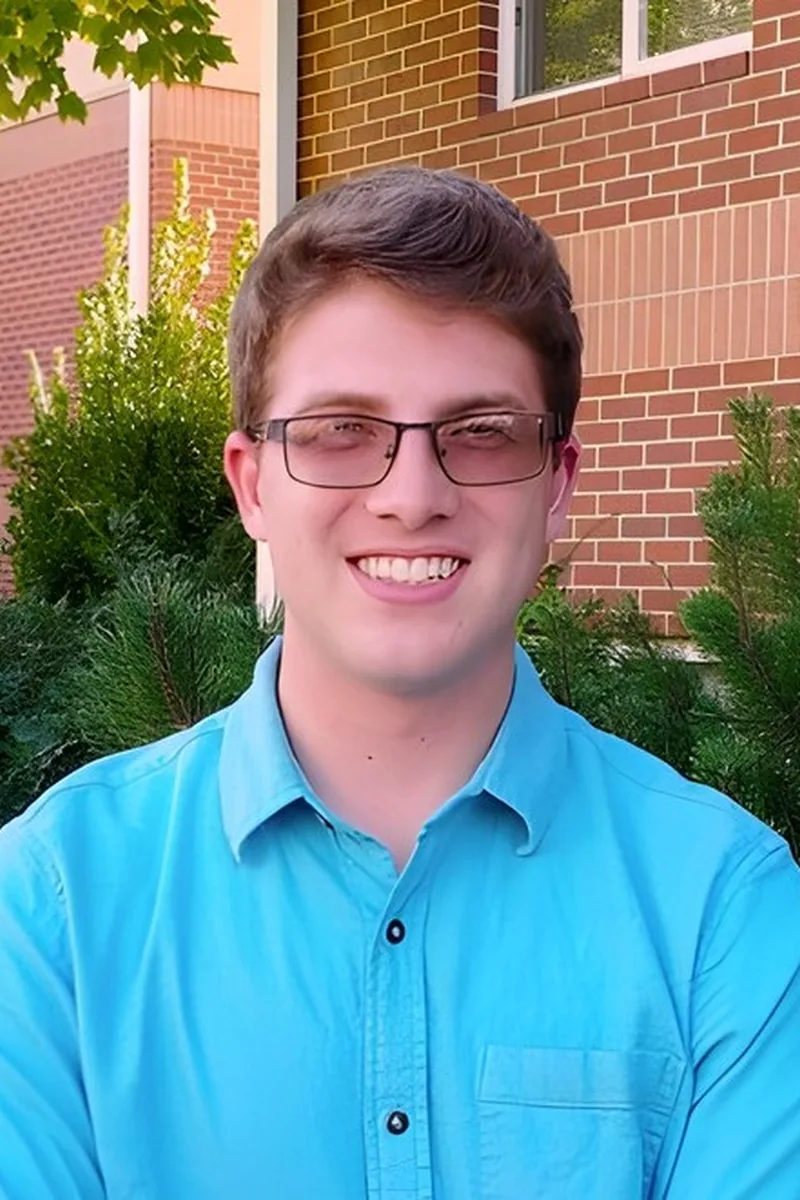
Gavin earned his BA in Spanish and tutors across the full sequence from Spanish 1 through AP Spanish Literature and Culture, so he knows exactly where the jump from language proficiency to literary analysis catches students off guard. He zeroes in on building the interpretive reading habits the exam requires — identifying how an author's use of metaphor or narrative voice ties back to broader cultural themes — and coaches essay responses that move past summary into genuine argumentation. Rated 4.8 by students.

Reading García Márquez or Sor Juana Inés de la Cruz in the original Spanish demands more than translation — it requires understanding the cultural and historical contexts that shaped each work. Caio pairs deep Spanish fluency with his Rice sociology and history training, so he can unpack literary movements like el Boom or colonial-era poetry in terms of the social forces behind them. Rated 5.0 by students.
Medical school sharpens one skill that translates surprisingly well to AP Spanish Literature: reading dense, complex material under pressure and extracting exactly what matters. Brianna's biology degree and Spanish tutoring experience give her the language foundation, while her test-taking discipline (1490 SAT, 32 ACT) carries over to coaching students on structuring timed analytical essays where clear argumentation counts more than literary flourish. This isn't her deepest subject, but for students who need help with the mechanics of building an evidence-based essay under exam conditions, her systematic approach fills a real gap.
A certified former middle-school teacher with a Spanish degree and a 1590 SAT, Meagan brings strong analytical reading and writing chops to a subject that demands both — constructing literary arguments in Spanish under timed conditions. Her education policy Master's and years teaching ESL sharpen her ability to break down how language proficiency and essay structure intersect, coaching students on building thesis-driven responses to reading list texts. Rated 4.9 by students.
Fully fluent in Spanish and studying at the University of Chicago, Emerson brings genuine literary analysis skills to AP Spanish Literature and Culture — from unpacking the magical realism in García Márquez to dissecting the poetry of Sor Juana Inés de la Cruz. He teaches students to write the kind of analytical essays the AP exam rewards, connecting themes across literary periods in clear, well-structured Spanish prose.
Before college, Heather's high school Spanish teacher trusted her enough to refer another student to her for one-on-one tutoring — the kind of endorsement that speaks to genuine command of the language beyond classroom basics. Her psychology training adds a useful angle for AP Literature essays where character motivation and identity themes drive the analysis, and she brings patient, structured coaching to students who get overwhelmed by timed writing in Spanish. Rated 5.0 by students.
Growing up speaking Spanish at home after moving from Chile, then studying abroad in Salamanca, Carlos developed the kind of native-level fluency that catches the subtle register shifts and idiomatic layers in AP reading list works — from colonial poetry to contemporary Latin American prose. His daily work as a bilingual writer at St. Jude Children's Research Hospital keeps his written Spanish sharp and precise, which directly feeds into coaching students on constructing timed analytical essays that move beyond plot summary into genuine literary argumentation.
Four years of TA'ing Spanish at Dartmouth using the Rassias method — an approach built around verb structure, syntax, and pronunciation drills — gave Elise an instinct for how language mechanics shape literary meaning, which is exactly what the AP exam's analytical essays reward. Her Comparative Literature degree with a Spanish concentration means she's trained to read across traditions and trace how formal choices in a Sor Juana sonnet or a Rulfo story carry thematic weight. Rated 5.0 by students.
Pre-med and AP Spanish Literature don't seem like natural companions, but Franshesca's coursework across all levels of Spanish — from introductory through AP — means she's built the language proficiency needed to read and discuss reading list texts in Spanish. Her science-trained habit of methodical analysis carries over surprisingly well to breaking down how a poet structures an argument or how a narrator's choices reveal theme, and she coaches students on organizing timed essays with that same precision. Rated 4.8 by students.
A PhD in Spanish & Portuguese means Casey has spent years inside the texts that define this exam — from medieval romances and Sor Juana's baroque poetry to García Márquez's magical realism and Borges's labyrinths. She teaches students to build the kind of close-reading arguments in Spanish that earn top scores on the literary analysis free-response questions. Rated 5.0 by students.
A double major in Spanish and Government means Sarah studied the language at an advanced level while also learning to build the kind of thesis-driven, evidence-based arguments that the AP exam's free-response essays demand. She's taught across every level of Spanish from introductory through AP Literature and Culture, so she knows exactly where students stumble — whether it's parsing Sor Juana's baroque syntax or structuring a timed essay on "el tiempo y el espacio" without slipping into summary. Rated 5.0 by students.
Living and traveling in Spanish-speaking countries while pursuing Latin American Studies at Wesleyan gave Reta firsthand immersion in the cultural movements — from colonial legacies to contemporary identity politics — that run through the AP reading list. She's taken both the AP Spanish Language and Literature exams herself and spent a semester tutoring a high school student one-on-one, so she knows where the gap between reading comprehension and genuine literary analysis tends to open up. Her government coursework also sharpens how she teaches students to read texts as arguments about power and society, which strengthens thematic essay writing.
As a native Spanish speaker pursuing a PhD at Rice, Mariane conducts literary analysis in the language she grew up thinking in — an advantage when students need to parse the subtle connotations in a Neruda ode or the layered irony of a Borges narrative. Her scientific training in biochemistry might seem unrelated, but it sharpened a habit of precise, evidence-based argumentation that transfers directly to constructing thesis-driven AP essays under timed conditions. Rated 4.9 by students.
Testimonials
Because the right AP Spanish Literature and Culture tutor makes all the difference.
Average Session Rating – Based on 3.4M Learner Ratings
Nearby AP Spanish Literature and Culture Tutors
Other Phoenix Tutors
Related Languages Tutors in Phoenix
Frequently Asked Questions
The AP Spanish Literature and Culture exam tests your ability to read, analyze, and discuss Spanish-language literary texts from Spain and Latin America. You'll encounter poetry, prose, drama, and essays spanning different time periods and genres, and you'll need to demonstrate comprehension, cultural understanding, and the ability to write analytical essays in Spanish. The exam includes multiple-choice questions on reading passages, free-response essay questions, and a spoken response component.
Varsity Tutors connects you with expert tutors who specialize in AP Spanish Literature and Culture. After you reach out, we'll match you with a tutor whose teaching style and expertise fit your needs, and you'll have a chance to discuss your specific goals—whether that's improving your essay writing, building confidence with literary analysis, or mastering particular genres. Your tutor will create a personalized study plan tailored to your strengths and areas for growth.
Many students struggle with the speed and complexity of reading authentic Spanish texts, especially when encountering unfamiliar vocabulary or archaic language in classical works. Writing analytical essays in Spanish under timed conditions is another major challenge—students need to balance grammatical accuracy with sophisticated literary analysis. Additionally, understanding cultural context and historical references across Spanish-speaking regions requires deep preparation beyond just language skills.
A tutor can help you develop a clear essay structure, practice organizing your literary analysis efficiently, and refine your Spanish writing to be both grammatically sound and analytically sophisticated. Through targeted practice with sample prompts and detailed feedback on your drafts, you'll build confidence in expressing complex ideas about literature in Spanish. Your tutor can also help you manage time effectively during the exam so you're not rushing through your final essay.
Effective strategies include active reading techniques like annotating texts, identifying key themes and literary devices as you read, and building context about authors and time periods before diving into passages. Many students benefit from practicing with authentic Spanish texts regularly to build reading speed and confidence with different writing styles. A tutor can teach you how to quickly identify what a passage is asking and which details matter most, helping you answer questions more efficiently under time pressure.
Most students benefit from starting preparation 3-4 months before the exam, dedicating 5-8 hours per week to reading literary texts, practicing essays, and reviewing analysis techniques. If you're starting closer to the exam date or feel less confident, more intensive tutoring can help you focus your study time and make faster progress. The key is consistent, focused practice rather than cramming—regular engagement with Spanish literature builds the cultural knowledge and analytical skills the exam rewards.
Confidence comes from thorough preparation and familiarity with the exam format, which is where tutoring makes a real difference. Your tutor can help you practice with timed essays and multiple-choice sections so the format feels familiar on test day, reducing anxiety. They can also help you develop a pre-exam routine and remind you that the exam is testing your analytical skills in Spanish, not perfection—understanding how to support your ideas with textual evidence matters far more than flawless grammar.
Score improvement depends on where you're starting and how consistently you engage with tutoring and practice. Students who work with a tutor typically see meaningful gains by focusing on their specific weak areas—whether that's essay organization, vocabulary, or literary analysis—rather than trying to improve everything at once. With 3-4 months of focused preparation and regular tutoring sessions, many students move from a 3 or 4 on the exam toward a 4 or 5 by strengthening their analytical writing and reading comprehension.
Let’s find your perfect tutor
Answer a few quick questions. We’ll recommend the right plan and match you with a top 5% tutor.