Award-Winning GRE Quantitative Tutors
serving Phoenix, AZ
GRE Quantitative
Tutors in Phoenix
Private 1-on-1 tutoring, weekly live classes for academic support, test prep & enrichment, practice tests and diagnostics, and more to elevate grades and test scores.
Based on 3.4M Learner Ratings
UniversitiesSchools & Universities
DeliveredHours Delivered
ProficiencyGrowth in Proficiency
Who needs tutoring?
No obligation. Takes ~1 minute.
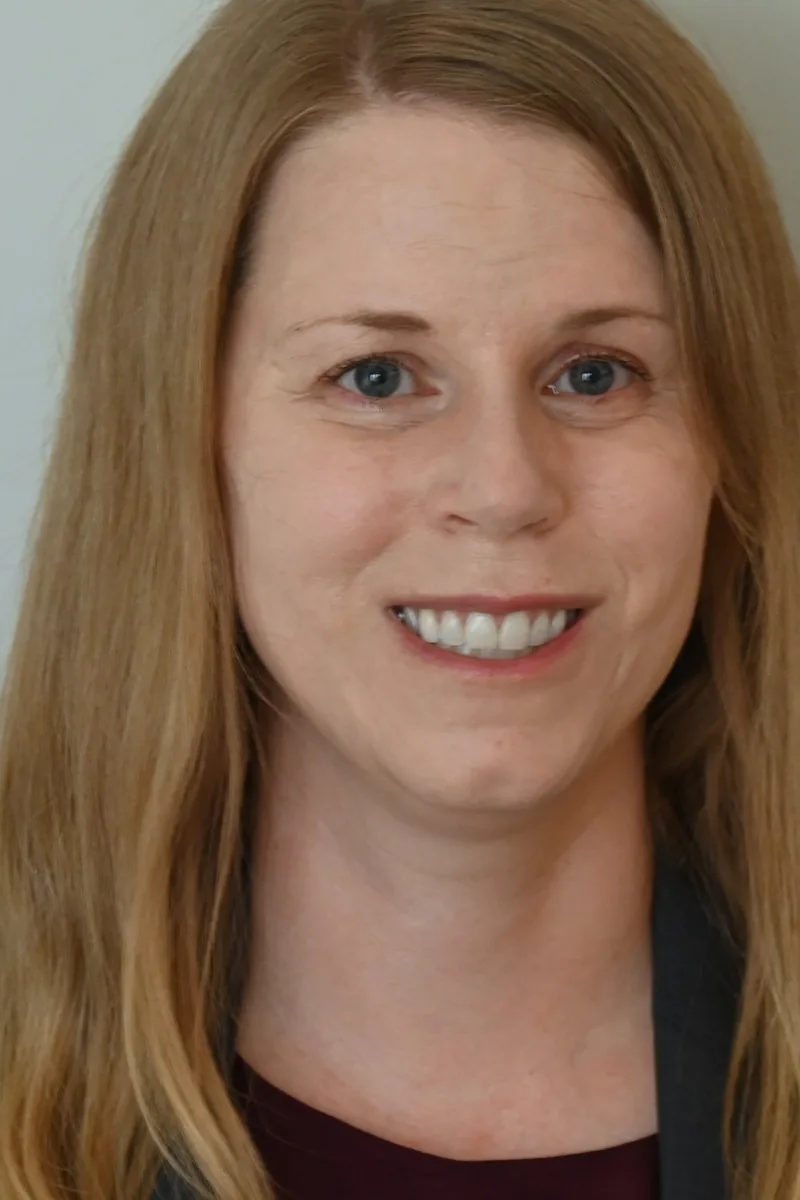
Scoring 770 on her own Quantitative section, Elizabeth knows the GRE math isn't about advanced concepts — it's about recognizing which arithmetic, algebra, geometry, or data analysis principle a question is really testing beneath its wording. She taught GRE prep as an adjunct professor at American University and developed formula guides and shortcut strategies specifically for the Quantitative Comparison and Data Interpretation question types. Her students learn to spot the traps ETS builds into answer choices rather than grinding through brute-force calculations.

Between a biochemistry degree and a master's in biology, Thomas has run enough statistical analyses and quantitative problem sets to recognize the GRE Quant section for what it is — recycled algebra, ratios, geometry, and data interpretation dressed up in deliberately tricky phrasing. He teaches across the full math ladder from pre-algebra through differential equations, which means he can spot exactly where a rusty concept is causing downstream errors and fix it at the root. Rated 4.8 by students.
My teaching philosophy is focused on a single objective - that students learn. I have a Ph.D. in Criminology from the University of Pennsylvania and a J.D. from Temple Law School. My GRE score was a 326, and my LSAT score was a 173. I've tutored over 60 students through Varsity Tutors. I'm committed to helping students reach their full potentials.
Having taught high school math abroad through the Peace Corps and later completed quantitative coursework in her MPH at Emory, Irina has cycled through the exact algebra, ratios, and data analysis concepts the GRE Quant section recycles — multiple times, in multiple contexts. She's especially sharp at diagnosing the specific rusty spots that trip up students who haven't touched formal math since undergrad, then building targeted practice around those gaps.
I am a graduate of Grinnell College, a private liberal arts college located in Grinnell, Iowa. I have a Bachelor of the Arts in Computer Science from Grinnell's Department of Math and Computer Science. Since graduation I have tutored students of a wide variety of ages and background in a number of subjects. I have tutored middle school students in the Chicago area in Math and science and high school students in advanced Math, chemistry, writing, and helped them prepare for standardized tests for college admittance. I have also tutored adults preparing for academic proficiency tests for their jobs and with GRE prep for those interested in going to graduate school. Additionally I have taught English grammar, reading, and conversational skills to ESL students in Chicago, Ecuador, and Colombia. While I tutor a number of subjects, I particularly enjoy helping students with standardized test strategy and following their scores as they increase towards their goal. When I tutor, I aim to lead students to an answer by example so that they can see the reasoning involved themselves, rather than me just telling them the answer. The more the students can come to their own solutions, the more memorable the lessons will be. In my spare time I enjoy reading, playing skill games like scrabble, bridge, and poker, and outdoor activities like biking, camping, and canoeing when the weather is nice.
Hello, my name is Destiny and I graduated from Howard University. I majored in Psychology with a minor in Biology and Administration of Justice. One of the most important lessons I've learned from school is the value of asking for help. This can be the difference between simply memorizing some facts and truly understanding the material given to you. In many cases, learning in a traditional school setting is not effective and students should feel free to reach out for extra guidance. I strive to be that source of guidance for all students who need it. I believe that everyone learns in their own way and that the key to helping someone else lies in finding their unique style of learning. I take great pleasure in finding those styles and using them to enrich students minds. My main areas of expertise are Psychology and English. Ive been reading at a college level since middle school and scored 5s on both AP English tests. I also scored a 5 on the AP Psychology exam in addition to receiving As in all my psychology classes. I have extensive experience with essay writing, essay editing, and researching. Other subjects I can assist with include Algebra I and II, Geometry, and SAT/ACT prep. Outside of class, I like to stay busy with school activities and hobbies. I spend most of my time playing the trumpet in my schools marching band or studying. But when I have free time, I typically catch up with my shows or read.
Reviews from students: "I loved how you explained math. You were able to explain formulas so they made sense and it was engaging. Thank you for making math interesting." - Ferol Conklin "I have published over 20 articles, and no one has ever edited my articles as thoroughly or as helpfully as you did." - Mark Ragel "The instructor was the best I had at this university." - Spanish student, University of Illinois "Elle was kind, patient, and funny. She seemed to really enjoy teaching." - Spanish student, University of Illinois I have three years professional teaching experience and several years of tutoring experience. I have always been a teacher at heart. I feel my biggest strength as a tutor is looking at material from the perspective of the student. I have also been described as a calm, patient, passionate, and fun tutor. I think lesson plans should be interesting to motivate students to care about the subject and engage in the process of learning. I worked as a Spanish TA at the University of Illinois for two years as as the main instructor for over 200 students. I have also worked as a middle school teacher. I have experience tutoring a variety of subjects, including test prep, reading and writing, and various levels of math. My degrees are in Linguistics, Spanish, and Journalism, with a minor in Math.
I have tutored and/or taught mathematics since 2009. I have received graduate degrees in mathematics from Clark Atlanta University and the University of Florida. I am very patient with my students and strive to develop their skills, strategies and critical thinking.
I have always been passionate about math and science. I love to teach others about these subjects so that they can appreciate and understand the material as well. I have a bachelors of science degree in Biology from the University of Florida. I know that many K-12 students loose interest in math and science because of inadequate teaching of these subjects. I want to help students do well in their math and science classes so they can succeed in school and use this knowledge in their future jobs and careers.
Testimonials
Because the right GRE Quantitative tutor makes all the difference.
Average Session Rating – Based on 3.4M Learner Ratings
Practice GRE Quantitative
Free practice tests, flashcards, and AI tutoring for GRE Quantitative
Other Phoenix Tutors
Related Graduate Test Prep Tutors in Phoenix
Frequently Asked Questions
Score improvement depends on your starting point and how consistently you work with a tutor. Most students see meaningful gains—typically 5-10 points on the 130-170 scale—within 8-12 weeks of focused preparation. Students who start further below their target score often see larger improvements, while those already scoring in the 160+ range may see smaller but equally valuable gains. The key is identifying your specific weak areas (geometry, algebra, data interpretation, etc.) and systematically building mastery in those topics through targeted practice and strategy refinement.
The Quantitative section gives you 62 minutes for 40 questions—roughly 90 seconds per question. Expert tutors help you develop a pacing strategy that balances accuracy with speed: knowing which questions to tackle first, when to skip and return to harder problems, and how to avoid time-consuming calculation errors. Many students benefit from learning to recognize question types quickly and apply the most efficient solution method rather than getting stuck on lengthy algebra. Tutors also help you practice under timed conditions so timing pressure becomes less of a factor on test day.
Phoenix students preparing for the GRE typically struggle with word problems that require translating written scenarios into equations, geometry questions involving unfamiliar formulas, and data interpretation under time pressure. Many also find themselves making careless errors when rushing, particularly with negative numbers, fractions, and data analysis. Another frequent challenge is distinguishing between quantitative comparison questions and problem-solving questions—each requires a different approach. A tutor helps you identify which topics cause you the most trouble and builds confidence through targeted practice on those specific question types.
Most students benefit from taking 4-6 full-length GRE practice tests during their preparation, spacing them out over several weeks rather than cramming them together. The first 1-2 tests establish your baseline; subsequent tests help you track improvement and identify remaining weak areas. Between practice tests, you'll focus on targeted skill-building and strategy practice. Tutors typically recommend taking full tests under actual test conditions—timed, with no distractions—to simulate the real experience. This approach helps you get comfortable with the pacing, format, and mental stamina required for test day.
Most students preparing for the GRE benefit from 8-12 weeks of focused study, dedicating 8-10 hours per week to Quantitative preparation. Your timeline depends on your starting score, target score, and background in math. Students with weaker algebra or geometry foundations may need longer; those with strong math backgrounds might prepare in 6-8 weeks. Working with a tutor helps you create a personalized study schedule that builds skills systematically rather than cramming. Many students in Phoenix also benefit from starting preparation 3-4 months before their target test date to allow time for skill development, practice testing, and refinement.
Test anxiety often stems from feeling unprepared or unsure of problem-solving strategies. The best antidote is thorough preparation: knowing you've practiced similar problems, understand the concepts, and have reliable strategies reduces anxiety significantly. Tutors help build this confidence by having you practice under timed conditions regularly, so the test day format feels familiar rather than threatening. They also teach stress-management techniques like taking a few deep breaths when facing a difficult problem, strategic skipping (you don't need to answer every question correctly to do well), and reframing difficult questions as opportunities to apply skills you've practiced. Mental preparation is just as important as content mastery.
Start with a diagnostic test to see which question types and topics give you trouble—geometry, algebra, statistics, or word problems are common problem areas. Analyze not just what you got wrong, but why: did you misunderstand the question, lack a formula, make a calculation error, or run out of time? A tutor helps you systematically review these patterns and address the underlying gaps. Then you practice similar problems repeatedly using spaced repetition, which strengthens long-term retention. This targeted approach is far more efficient than reviewing everything, and it's what separates students who make incremental improvements from those who see significant score gains.
Let’s find your perfect tutor
Answer a few quick questions. We’ll recommend the right plan and match you with a top 5% tutor.