Award-Winning Microbiology Tutors
serving Concord, CA
Microbiology
Tutors in Concord
Private 1-on-1 tutoring, weekly live classes for academic support, test prep & enrichment, practice tests and diagnostics, and more to elevate grades and test scores.
Based on 3.4M Learner Ratings
UniversitiesSchools & Universities
DeliveredHours Delivered
ProficiencyGrowth in Proficiency
Who needs tutoring?
No obligation. Takes ~1 minute.
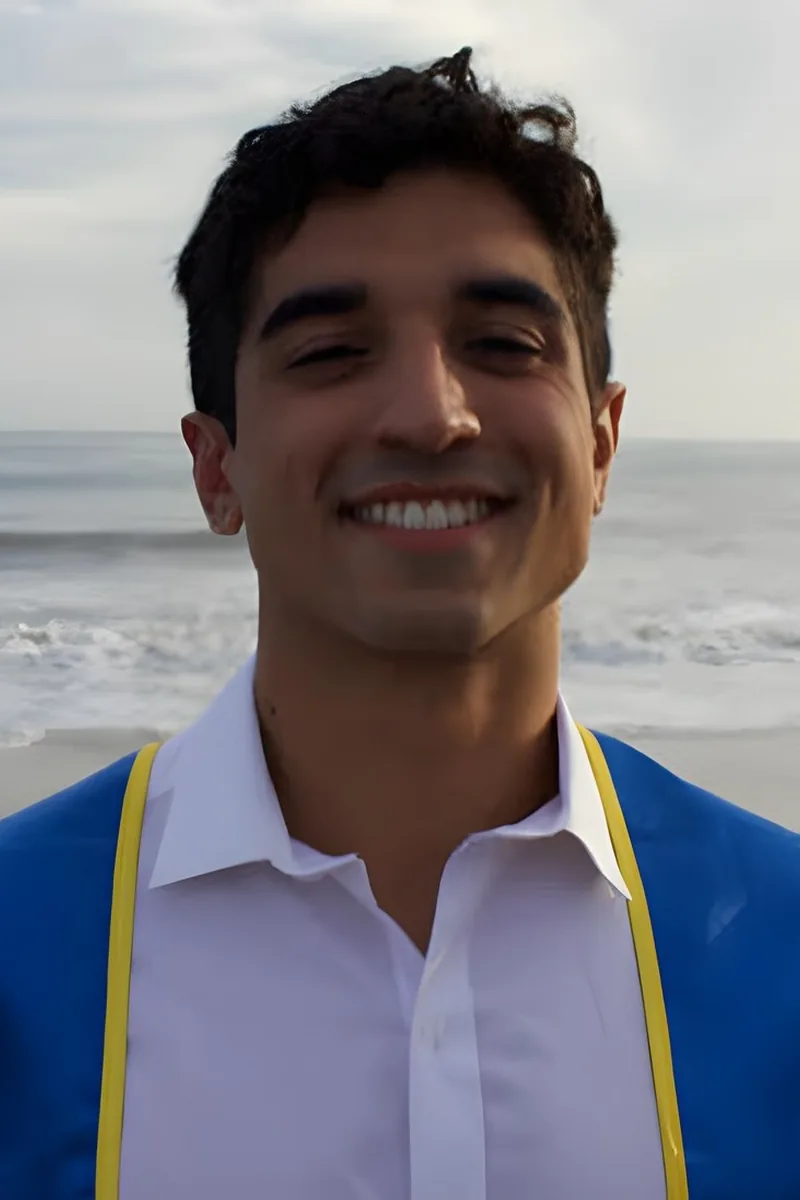
Kevin's honors biology degree from UC Santa Barbara included deep work with microbial systems — bacterial cell structure, metabolic pathways, and the mechanisms behind antibiotic resistance. He unpacks dense topics like gram staining protocols, viral replication cycles, and microbial genetics by connecting each process to its clinical or environmental significance. For pre-med students especially, he knows exactly which concepts carry forward into pathology and pharmacology.
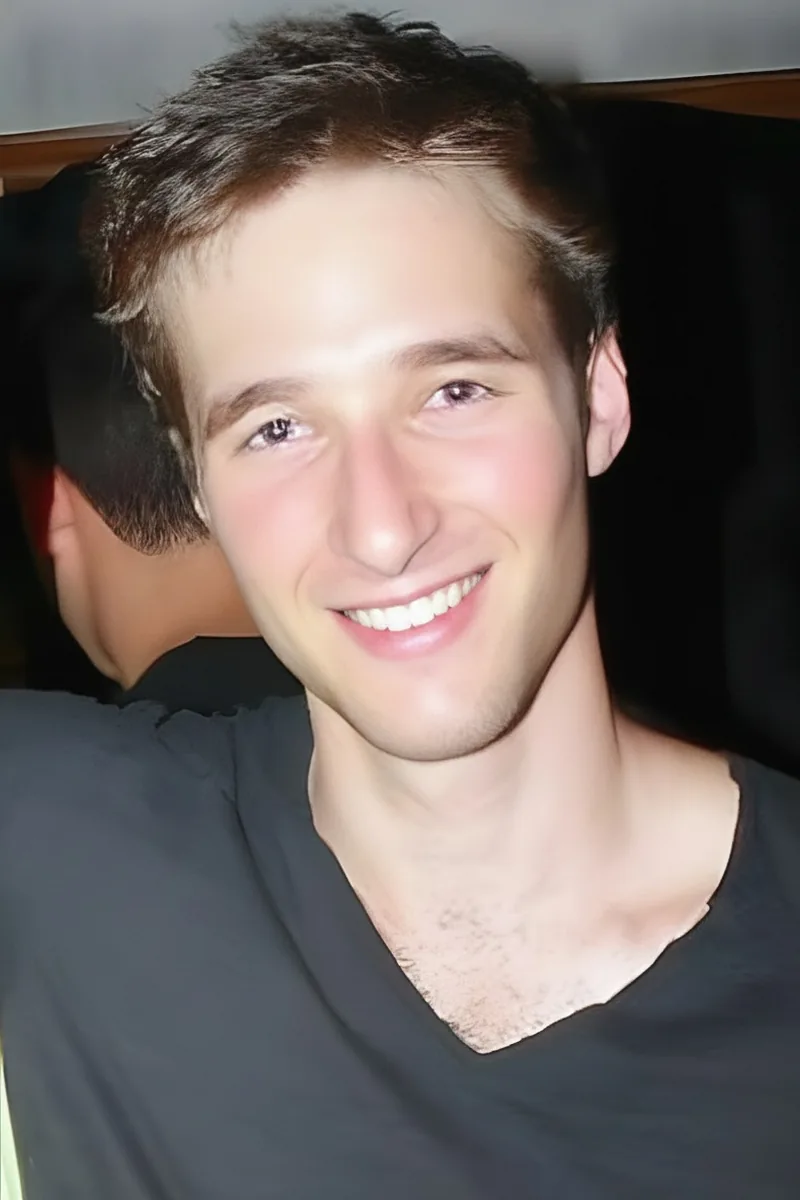
The trick with microbiology is that it sits at the intersection of biology, chemistry, and physics — and Nicholas actually teaches all three, which means he can trace a concept like bacterial membrane transport from the biological function down to the thermodynamics and chemical gradients driving it. His biology degree gave him the core training in cell structure and microbial physiology, while his physical chemistry and organic chemistry background lets him explain mechanisms like cell wall synthesis or metabolic pathways at the molecular level where they actually make sense.
Having completed his biology degree at UCLA with coursework in cell biology and physiology, Nathan can trace microbial processes — like how opportunistic pathogens exploit immune gaps or how metabolic differences between aerobic and anaerobic bacteria shape infection outcomes — back to the underlying biology. He also teaches anatomy, physiology, and nutrition, so he naturally frames microorganisms in terms of the body systems they colonize and disrupt.
Pre-med preparation means Fady has spent real time with the microbial world — learning how pathogens cause disease, how the immune system responds, and how microbial physiology ties into the bigger picture of human health. His biology degree and parallel coursework in anatomy, physiology, and chemistry let him trace concepts like bacterial structure and infection mechanisms back to the underlying science rather than treating them as disconnected vocabulary lists.
Studying biomedical engineering means Cassandra has spent serious time with microbial physiology, from bacterial cell structure and metabolic pathways to how pathogens interact with host immune systems. She teaches microbiology by linking each organism's characteristics to the mechanisms that make it clinically or industrially relevant, turning dense material into a coherent story.
Ryan's master's work in cellular and molecular biology at Stanford, combined with hands-on synthetic biology research at NASA Ames, gave him deep fluency in microbial genetics, metabolic pathways, and laboratory techniques like PCR and gene cloning. He unpacks topics like bacterial pathogenesis and antimicrobial resistance by connecting them to the molecular mechanisms driving each process. Rated 5.0 by students.
Studying both Biology and Political Science at the college level, Andrea is immersed in microbiology coursework — from bacterial cell structure and metabolic pathways to viral replication cycles. She unpacks dense material by tying molecular-level processes to bigger-picture concepts like immune response and antibiotic resistance, which makes the details easier to retain.
Gram stains, bacterial metabolic pathways, and viral replication cycles all require a kind of systematic memorization that falls apart without conceptual scaffolding. Anni's graduate work in biomedical sciences at UMDNJ gave her direct experience with microbial concepts, and she teaches them by linking each organism's structure to its clinical significance.
Few tutors have a dedicated microbiology credential — Felix earned an Associate in Science specifically in microbiology and taught biology at the university level as a TA. He digs into bacterial morphology, staining techniques, metabolic pathways, and microbial genetics with the kind of detail that lecture halls often gloss over. Whether it's understanding biofilm formation or interpreting antibiotic susceptibility results, he connects lab concepts to the underlying theory.
Between bacterial genetics, metabolic pathways, and immune evasion strategies, microbiology covers an enormous range of material in a single semester. Emily's current research position at UTHealth keeps her immersed in lab techniques and microbial concepts daily, so she explains topics like Gram staining, virulence factors, and antibiotic resistance with the fluency of someone who actually uses this knowledge at the bench.
Studying microbiology at the college level means juggling bacterial classification, metabolic pathways, virulence factors, and immune response mechanisms all at once. Kristin earned her biology degree at the University of Chicago and now applies microbiology daily in her nursing graduate program at Penn, where pathogen behavior and infection control are part of clinical reality rather than just textbook diagrams.
I'm a current medical student at VCU School of Medicine, and a graduate of Johns Hopkins University. I received my Bachelor of Science in Molecular and Cellular Biology. I've had the pleasure of tutoring a diverse range of students for 5 years; while I tutor a broad set of subjects, I'm most passionate about biology, psychology, and chemistry. I'm a big proponent of ensuring understanding over memorization and teaching concepts that last for years to come (particularly for other students interested in medicine!) In my free time, I love to write poetry, edit essays, and gush about game writing with friends.
Medical school at Penn's Perelman School of Medicine gave Daniel hands-on exposure to microbiology that goes well beyond a standard textbook — from bacterial virulence factors to antibiotic resistance mechanisms to the clinical presentations they produce. He connects microbial physiology to real infectious disease scenarios, which makes distinguishing gram-positive from gram-negative organisms or understanding viral replication cycles far more intuitive.
Daniel earned his bachelor's degree in microbiology before completing dental school, giving him deep familiarity with bacterial morphology, metabolic pathways, and host-pathogen interactions. He approaches topics like gram staining protocols and viral replication cycles with the kind of specificity that turns a dense subject into something students can reason through rather than just memorize.
Understanding bacterial metabolism, viral replication cycles, and immune response pathways requires more than memorizing diagrams — it requires seeing how microorganisms interact with living systems. Li's training in both speech-and-hearing science and medicine gives her a clinical lens that makes microbiology concepts feel relevant and interconnected.
Richard's PhD research at Northwestern is in microbiology, which means he's not teaching this subject from a textbook — he's living it. He digs into topics like bacterial pathogenesis, microbial genetics, and host-immune interactions with the kind of detail that comes from years at the bench. Students preparing for exams or struggling with lab reports get someone who can connect microscopic mechanisms to the bigger public health picture.
Testimonials
Because the right Microbiology tutor makes all the difference.
Average Session Rating – Based on 3.4M Learner Ratings
Nearby Microbiology Tutors
Other Concord Tutors
Related Science Tutors in Concord
Frequently Asked Questions
Your first session is all about understanding where you are and what you need. A tutor will assess your current grasp of microbiology concepts—whether you're struggling with bacterial classification, understanding metabolic pathways, or preparing for lab practicals—and discuss your specific goals. From there, they'll create a personalized plan that targets your weak spots while building on your strengths, so every session moves you toward real progress.
Absolutely. Lab work is where microbiology becomes real, and tutors can help you understand the scientific method, proper technique, and how to interpret your results. Whether you're learning to culture bacteria, use a microscope, stain slides, or analyze growth patterns, personalized instruction helps you feel confident in the lab and understand the 'why' behind each step, not just the procedure.
Memorization alone won't stick in microbiology—you need to understand how concepts connect. Tutors help you visualize processes like bacterial reproduction, enzyme function, and immune responses, and they connect abstract ideas to real-world applications (like how antibiotic resistance develops or why certain microbes thrive in specific environments). When you understand the 'why,' facts stay with you longer and you can apply them to new problems.
Students often struggle with visualizing microscopic structures and processes that are hard to see directly, balancing chemical equations in metabolic pathways, and connecting theoretical concepts to real lab observations. Many also find it challenging to think like a microbiologist—developing the scientific reasoning skills needed to predict how microbes will behave under different conditions. Personalized tutoring addresses each of these by breaking down complex ideas and building your problem-solving skills.
Varsity Tutors connects you with tutors who have strong backgrounds in microbiology and related sciences—many hold degrees in microbiology, biology, chemistry, or related fields, and many have lab experience or teaching backgrounds. Beyond credentials, the best tutors are skilled at explaining complex concepts clearly and adapting their teaching to how you learn best, so you actually understand the material rather than just memorizing it.
Tutors help you master both content and test-taking strategy. They'll ensure you understand key topics like bacterial structure, metabolism, genetics, and ecology; practice applying concepts to unfamiliar scenarios; and work through past exams so you know what to expect. With personalized instruction, you build the deep understanding and scientific reasoning skills that translate to stronger exam performance.
Pricing varies based on the tutor's experience, your specific needs, and how frequently you meet. Varsity Tutors works with you to find tutoring options that fit your budget and schedule. We recommend starting with a consultation to discuss your goals and get matched with a tutor whose expertise and rates work for you.
Yes. Tutors offer flexible scheduling to fit around your classes, lab sessions, and other commitments. Whether you need help before a big exam, regular weekly sessions to build your skills, or intensive prep for a specific unit, you can work with a tutor at times that work for you. Personalized instruction means you get support when and how you need it most.
Let’s find your perfect tutor
Answer a few quick questions. We’ll recommend the right plan and match you with a top 5% tutor.