Award-Winning AP Biology Tutors
serving Long Beach, CA
AP Biology
Tutors in Long Beach
Private 1-on-1 tutoring, weekly live classes for academic support, test prep & enrichment, practice tests and diagnostics, and more to elevate grades and test scores.
Based on 3.4M Learner Ratings
UniversitiesSchools & Universities
DeliveredHours Delivered
ProficiencyGrowth in Proficiency
Who needs tutoring?
No obligation. Takes ~1 minute.
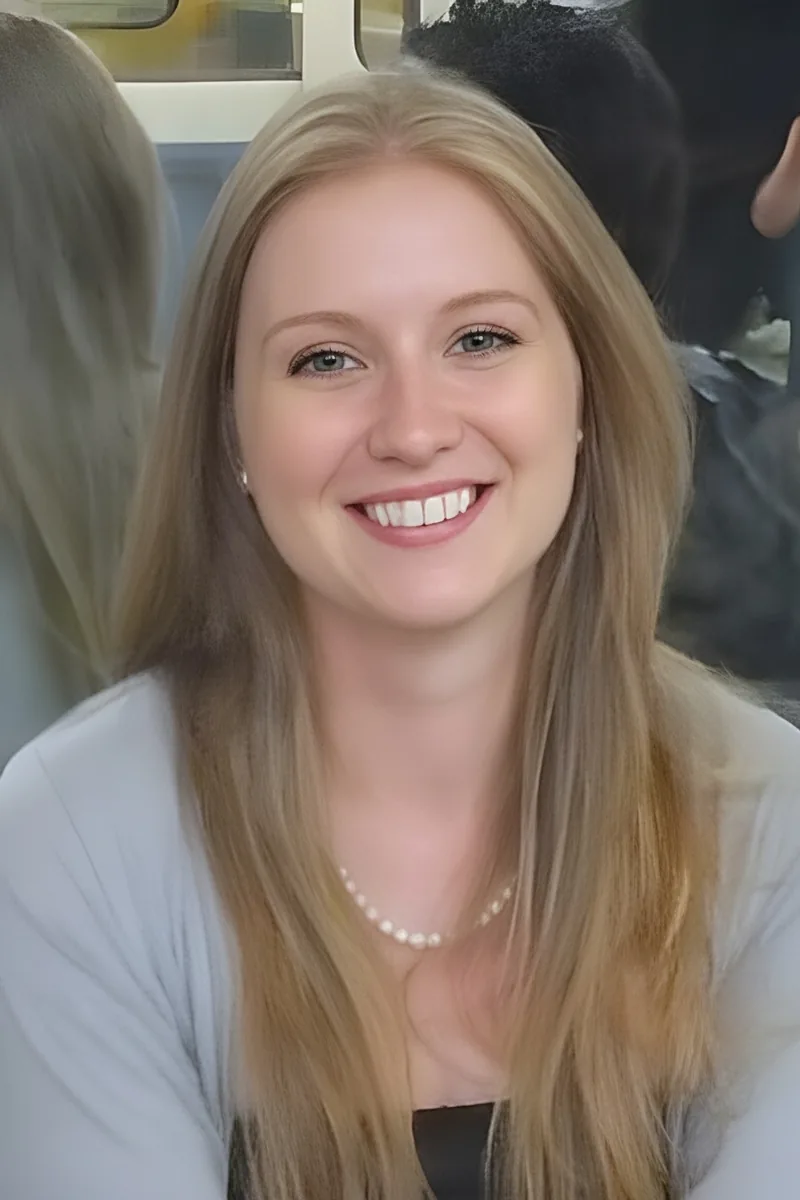
Christina's computer science background gives her an unusual edge for AP Bio's data analysis and experimental design questions — she's comfortable with statistical reasoning, interpreting graphs, and the kind of algorithmic thinking that makes tracing metabolic pathways or gene expression cascades more systematic. Her ACT score of 34 also signals strong science reading skills, which matters for an exam where decoding dense passages and pulling evidence from figures is half the battle.
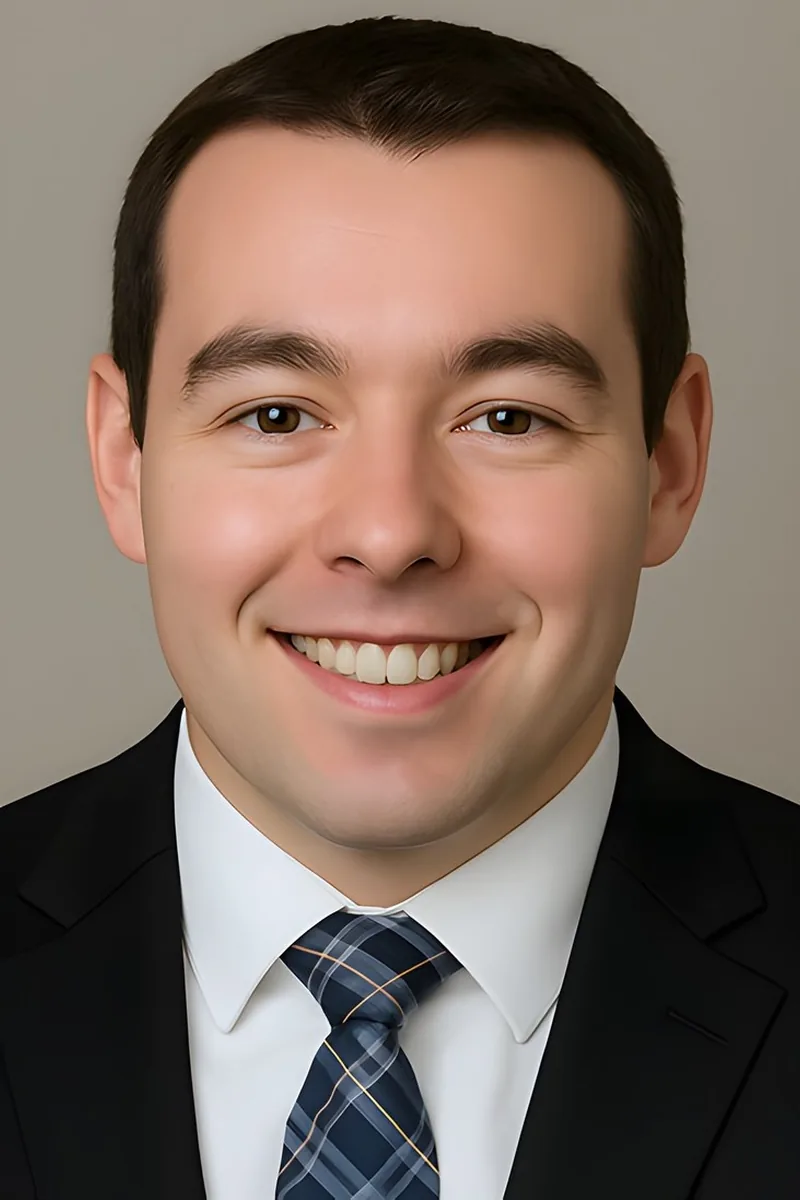
Having earned AP credit in biology himself and now deep into medical school coursework, Timothy knows exactly how the College Board tests cellular respiration, genetics, and ecology — and where students lose easy points on free-response questions. He teaches the exam's four big ideas as interconnected themes rather than isolated chapters, which is how the test actually works.
As an undergraduate teaching assistant for a developmental and physiology biology course at UCLA, Raquel spent semesters breaking down the same cellular processes, gene expression pathways, and organism-level systems that AP Bio exams test — and she did it while fielding live questions from confused students, which is a different skill than just knowing the material. Her nutrition sciences background adds an unusual edge for the metabolism and energy flow units, where she can explain why ATP yield matters in real physiological terms rather than as an abstract diagram.
Preparing for medical school meant Nicole lived inside AP Biology-level content — cellular respiration pathways, genetics, and ecological systems — long after her own AP exam. She tackles the course's toughest units, like signal transduction and gene regulation, by tying each mechanism back to a bigger biological story that makes the details easier to retain. Her public health minor also adds depth to the ecology and evolution free-response questions.
AP Biology's free-response questions demand more than memorized definitions; they require students to design experiments, interpret data, and argue from evidence. Justin studied neuroscience and physiology at the undergraduate level, so he brings firsthand fluency with cellular signaling, genetics, and ecological modeling to every session. He digs into the reasoning behind each biological system so students can handle the application-heavy format of the AP exam.
UCLA's biology program gave Nathan a thorough grounding in the lab-based side of AP Bio — dissecting ecological relationships, working through microbiology, and studying physiology systems that map directly onto the exam's organism-level questions. His additional coursework in anatomy and nutrition means he can teach students to trace how structure connects to function across biological scales, from cellular membranes up to whole-organism homeostasis.
Studying integrative biology at UC Berkeley means Jack is currently working through the same cellular processes, genetics, and ecology content that AP Bio covers — except at the college level, where he's expected to connect mechanisms across biological scales rather than treat each unit in isolation. His anthropology side adds an unusual strength on the evolution and population biology units, since he's trained to analyze how organisms — especially humans — adapt to environments over time. A 1590 SAT reflects the kind of precise, evidence-based reasoning that AP Bio's free-response questions demand.
As a former undergraduate student instructor for UC Berkeley's General Biology lab — the gateway course for aspiring bio majors — Caroline knows exactly which AP Biology concepts trip students up, from cellular respiration energetics to Hardy-Weinberg equilibrium. Her molecular biology degree means she can explain gene regulation and signal transduction at a depth that goes well beyond what most AP review books offer. She connects each unit back to experimental design, which is critical for the free-response section.
As a pre-biology student at UC Santa Barbara, Alan is working through the same college-level genetics, ecology, and cell biology material that forms the backbone of the AP Bio curriculum — so the content is current, not rusty. He's especially drawn to the ecological and evolutionary reasoning side of the course, which pairs well with students who need to strengthen their data interpretation and argument-building skills for the exam's free-response questions. Rated 4.7 by students.
Ecology and evolution are where Jonathan lights up — his integrative biology degree built around understanding how organisms interact with environments and how populations change over time, which gives him a natural entry point into AP Bio's ecology, natural selection, and speciation units. He's also comfortable with the molecular side, but his real strength is teaching students to reason through experimental design and data interpretation questions where they have to connect population-level patterns back to genetic mechanisms. Rated 4.9 by students.
Succeeding on the AP Biology exam means going beyond memorizing cell structures and metabolic pathways — it means interpreting experimental data, constructing explanations, and reasoning across biological scales from molecules to ecosystems. Jake studies Human Biology at Stanford, where his coursework in genetics, physiology, and ecology maps directly onto the AP curriculum's four big ideas.
A neuroscience degree plus a master's in biotechnology means Rithi has spent serious time with the molecular and cellular content that trips up most AP Bio students — think signal transduction pathways, gene regulation, and how neurons actually fire. She's now in medical school at Robert Wood Johnson, so she's applying these concepts daily at a level well beyond what the exam demands, which makes her especially sharp at unpacking the mechanistic "explain how" questions the free-response section loves to ask.
AP Bio covers an enormous range — from molecular genetics to ecology — and the exam rewards students who can apply concepts to unfamiliar experimental scenarios, not just recall definitions. Phillip studies biomedical engineering at Brown, so he regularly engages with cell signaling, gene expression, and physiological systems at a level well beyond the AP curriculum. He teaches students to interpret data figures and design experiments the way the free-response questions demand.
Cellular respiration, genetics, and evolution each require a different kind of thinking — sometimes quantitative, sometimes conceptual, sometimes both at once. Nima breaks down processes like the electron transport chain or Hardy-Weinberg equilibrium into logical steps, drawing on the same analytical rigor that earned him a full merit scholarship to Duke.
Todd's undergraduate biology degree from UIUC gives him the content foundation for AP Bio, but it's his 33 ACT and analytical training through his University of Chicago graduate work that sharpen how he teaches the exam's trickiest skill: translating dense lab data into clear, structured free-response answers. He zeroes in on the units where students lose the most points — cellular energetics and heredity — and builds the kind of process-level reasoning that turns memorized pathways into usable knowledge on test day.
Stephanie is a molecular biology major at Princeton who tutors biology and general chemistry at the university's peer tutoring center — meaning she's actively teaching concepts like gene regulation, enzyme kinetics, and cellular signaling to college students, then turning around and making that same material accessible for AP Bio. Her 5.0 rating speaks to how well she translates that Princeton-level depth into the kind of precise, mechanism-driven explanations the exam's free-response questions demand.
Teaching has been a lifelong passion of mine. What drives me is sharing knowledge while genuinely connecting with others. I discovered my love for tutoring in high school and have been dedicated to it ever since. At Stanford University, I earned a BS in Human Biology and Chemistry while continuing to tutor throughout, advancing to Lead Tutor. After graduation, I spent a year as a Teaching Associate, designing and delivering course content which significantly broadening my pedagogical approach. What sets me apart is my versatility. Having served as both tutor and instructor, I can adapt my teaching style to each student's unique needs, whether that be building up foundational skills or pursuing advanced mastery. I'm now pursuing graduate studies at The Johns Hopkins School of Medicine, staying engaged with cutting-edge science while maintaining my commitment to education. I look forward to helping you achieve your academic goals!
Running an immunology lab at Columbia Medical Center means Matthew doesn't just remember AP Biology content — he uses cellular signaling, gene expression, and immune system mechanics in active research. He teaches the course's trickiest units, like cell communication and ecology data analysis, by connecting textbook diagrams to what actually happens at the bench. That real-world grounding is especially useful for the AP exam's experimental-design and data-interpretation questions.
Ruthie studied the biological basis of behavior in college, which means she didn't just memorize AP Bio content like cell signaling and genetics — she had to apply it to understand how nervous systems produce behavior, how neurotransmitters cross synapses, and how gene expression shapes organisms at every level. That interdisciplinary angle is especially useful for the exam's ecology and evolution units, where students need to connect molecular mechanisms to organism-level outcomes. Rated 5.0 by students.
Environmental science coursework gave Ethan an ecology-first perspective on biology — population dynamics, energy flow through ecosystems, and the interplay between organisms and their environments — which lines up directly with AP Bio's ecology and evolution units that many science-focused tutors breeze past. He also teaches AP Statistics, so he's unusually comfortable with the data interpretation and experimental design questions that trip students up on the exam. Rated 5.0 by students.
As a pre-med biosciences major at Rice University, Tegan is studying the same cellular processes, genetics, and ecological concepts that AP Bio covers — but at the college level, which means she can explain the *why* behind topics like enzyme kinetics or signal transduction rather than just the textbook summary. She's especially good at breaking down the plant biology and photosynthesis material that many students rush past, connecting light reactions and carbon fixation to the energy flow concepts the exam circles back to repeatedly. Rated 4.9 by students.
Saniya's neuroscience degree at Rhodes College required her to learn biology from the molecular scale up — gene expression, cell signaling, neural communication — which means she's tackled AP Bio's toughest conceptual territory in a context where every pathway had to connect to a bigger physiological story. She's continued auditing advanced coursework in anatomy, histology, and embryology since graduating, so the organism-level units on body systems and development are still sharp. Rated 5.0 by students.
Testimonials
Because the right AP Biology tutor makes all the difference.
Average Session Rating – Based on 3.4M Learner Ratings
Practice AP Biology
Free practice tests, flashcards, and AI tutoring for AP Biology
Nearby AP Biology Tutors
Other Long Beach Tutors
Related Science Tutors in Long Beach
Frequently Asked Questions
AP Biology covers eight major units: chemistry of life, cell structure and function, cellular transport, cell communication and division, heredity, gene expression and regulation, natural selection, and ecology. Each unit builds on previous concepts, so a strong foundation in early topics like cell structure is essential for understanding later material like gene expression. Expert tutors can help you identify which units align with your school's pacing and prioritize your study time accordingly.
Score improvement depends on your starting point and consistency with tutoring. Students who work with tutors on targeted practice typically see gains of 1-2 score points (on the 1-5 scale), though improvement varies based on your baseline knowledge and how actively you engage with practice problems. The key is identifying your specific weak areas—whether that's lab analysis, data interpretation, or free-response writing—and building strategies to address them over several months of preparation.
Many students struggle with the volume of vocabulary and interconnected concepts—it's easy to memorize terms without understanding how they connect across units. Another major challenge is the free-response section, which requires you to explain concepts in depth and analyze experimental data, not just recall facts. Additionally, the multiple-choice questions often test application and reasoning rather than straightforward knowledge, which trips up students who rely solely on memorization. Tutors can help you move beyond memorization to develop deeper conceptual understanding and practice the analytical thinking the exam rewards.
Effective strategies include reading multiple-choice questions carefully to catch subtle wording that changes the answer, using the process of elimination to narrow down options, and practicing data interpretation with real AP released exams. For free-response questions, outline your answer before writing to organize your thoughts and ensure you address all parts of the question. Time management is critical—allocate roughly 90 minutes for the 60 multiple-choice questions and 90 minutes for the three free-response questions. Tutors can help you practice these strategies under timed conditions so they become automatic on test day.
Taking 4-6 full-length practice tests over your preparation period helps you build stamina, identify patterns in your mistakes, and adjust your strategy. Start with one practice test early to establish a baseline, then take 2-3 more while studying specific units to track improvement in those areas. In the final 2-3 weeks before the exam, take 1-2 complete tests under actual exam conditions (2 hours and 50 minutes) to simulate test day. Between practice tests, review your errors carefully—this reflection is where real learning happens, and tutors can help you understand why you missed questions and how to avoid similar mistakes.
The AP Biology exam includes questions about lab procedures, data analysis, and experimental design, making up a significant portion of both multiple-choice and free-response sections. You don't need to memorize every detail of the official AP labs, but you should understand the core concepts each lab tests—like enzyme kinetics, photosynthesis, or population genetics. Practice interpreting graphs and data tables, explaining what results mean, and designing experiments to test hypotheses. Tutors can walk you through released AP exam questions that reference lab scenarios so you're comfortable with the types of analysis the exam expects.
Ideally, begin focused exam preparation 2-3 months before the May exam date, though this depends on your current understanding of the material. If you're taking the course, use tutoring throughout the year to strengthen your foundation rather than cramming at the end. For students in Long Beach's 118 schools across 8 districts, your school's pacing may vary, so work with a tutor to align your prep schedule with when you finish each unit. Starting early gives you time to identify weak areas, take practice tests, and refine your approach without rushing.
Varsity Tutors connects you with tutors in Long Beach who have deep expertise in AP Biology, including experience with the exam format, curriculum, and common student challenges. When you get matched with a tutor, you can discuss your current level, specific weak areas, and timeline so they can tailor their instruction to your needs. Whether you need help understanding difficult concepts, practicing free-response writing, or building test-taking strategies, tutors can provide personalized 1-on-1 instruction that fits your schedule and learning style.
Let’s find your perfect tutor
Answer a few quick questions. We’ll recommend the right plan and match you with a top 5% tutor.