Award-Winning Biochemistry Tutors
serving Long Beach, CA
Biochemistry
Tutors in Long Beach
Private 1-on-1 tutoring, weekly live classes for academic support, test prep & enrichment, practice tests and diagnostics, and more to elevate grades and test scores.
Based on 3.4M Learner Ratings
UniversitiesSchools & Universities
DeliveredHours Delivered
ProficiencyGrowth in Proficiency
Who needs tutoring?
No obligation. Takes ~1 minute.

Enzyme kinetics, metabolic pathways, protein structure — biochemistry asks students to think in three dimensions and across multiple reaction steps simultaneously. Kimanthi's biomedical engineering degree and graduate work in biomedical sciences gave her daily exposure to these concepts in both classroom and lab settings. She breaks down mechanisms like glycolysis and oxidative phosphorylation into logical sequences rather than memorization marathons.
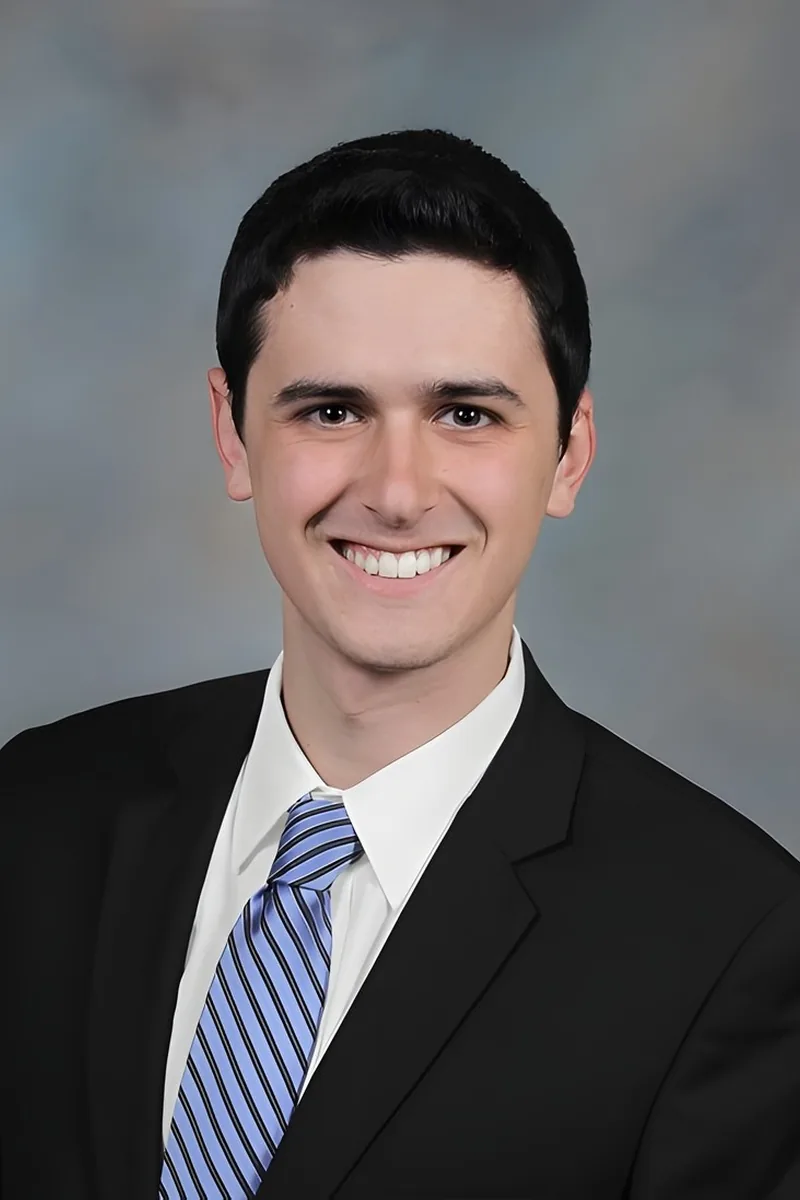
David's neuroscience training at Yale meant wrestling with biochemistry from the nervous system's perspective — neurotransmitter synthesis, ion channel biophysics, and the metabolic demands that make the brain consume a disproportionate share of the body's glucose. Now pursuing a graduate degree in bioethics, he brings that mechanistic grounding to topics like amino acid chemistry and membrane transport, connecting each reaction to the biological system it supports. Holds a 5.0 rating.
Enzyme kinetics, metabolic pathways, protein folding — biochemistry sits at the intersection of biology and chemistry, and Natasha lives at exactly that intersection as a chemical and biomolecular engineering graduate student at MIT. She unpacks reaction mechanisms and molecular interactions by encouraging students to talk through each step out loud, turning dense pathway diagrams into narratives that actually stick.
Studying neuroscience at Vanderbilt means Avi lives in biochemistry — enzyme kinetics, metabolic pathways, and protein structure are part of his daily coursework. He unpacks topics like the citric acid cycle or amino acid chemistry by tracing the logic of each reaction rather than asking students to memorize arrows on a diagram.
Enzyme kinetics, metabolic pathways, protein structure — biochemistry asks students to think about molecules as dynamic systems, not static diagrams. Tina's engineering background at Cornell and her pre-med preparation mean she can unpack topics like Michaelis-Menten kinetics or amino acid chemistry with both quantitative rigor and biological context.
Genome editing at Rice and computational neuroscience at Hopkins meant Emmanuel had to internalize biochemistry at the molecular level — from CRISPR-associated enzyme mechanisms to the metabolic pathways fueling neural tissue. That hands-on lab fluency lets him teach topics like protein structure and nucleotide chemistry by grounding each concept in the experimental context where it actually matters. Holds a 5.0 rating.
I am a PhD student at SUNY Downstate Medical Center studying Molecular & Cellular Biology. I graduated from Columbia University with a Bachelor of Arts in Biochemistry. I love to teach, mostly because of the impact of great teachers throughout my academic career. I think learning can be really fun, if teachers think outside the box and really challenge themselves to find novel ways of conveying concepts to students. Tried and true methods are always great in the classroom, but to work one-on-one with students requires a different approach. It's also critical that learning be something students want, not grudgingly sit through, so that their academic success is tied to their ability to understand and engage the material, not to what score they get on an arbitrary test.
Teaching organic chemistry recitation at the University of Kentucky while simultaneously navigating medical school gives Jason an unusually current grasp of biochemistry — he's actively working through the same metabolic regulation, amino acid structures, and enzyme mechanisms his students encounter. His biology degree and MCAT preparation anchor the molecular details, while his med school training shows him how those details play out in living systems. Rated 5.0 by students.
Enzyme kinetics, metabolic pathways, protein structure — biochemistry asks students to think across chemistry and biology simultaneously, which is exactly what Saniya's neuroscience and chemistry training prepared her for. She unpacks complex topics like Michaelis-Menten kinetics or amino acid properties by linking molecular behavior to biological function, making dense material more intuitive. Her continued coursework in physiology and histology keeps these connections sharp.
Preparing for medical school at UT Houston while finishing a chemistry degree at Rice means Asad has been living in biochemistry from both sides — the rigorous organic and physical chemistry foundations and the biological systems they plug into. He's especially sharp on the MCAT-relevant intersections, like how enzyme mechanisms tie back to organic reaction logic or how metabolic pathway regulation connects to thermodynamic principles. Rated 4.7 by students.
I am most passionate about biology and chemistry. I am a firm proponent of education, believing it to be absolutely necessary for an improved quality of life, and I try to impart this appreciation to all of my students.
As a genetics major on the pre-med track, Jaya lives in the world of biochemistry — amino acid structures, enzyme kinetics, metabolic pathways, and the molecular logic connecting DNA to protein function. She's currently preparing for the MCAT's biological and chemical foundations sections, which means this material is fresh and actively in her working memory. She unpacks complex pathways like glycolysis and the citric acid cycle by emphasizing the *why* behind each step rather than demanding rote memorization.
Testimonials
Because the right Biochemistry tutor makes all the difference.
Average Session Rating – Based on 3.4M Learner Ratings
Practice Biochemistry
Free practice tests, flashcards, and AI tutoring for Biochemistry
Nearby Biochemistry Tutors
Other Long Beach Tutors
Related Science Tutors in Long Beach
Frequently Asked Questions
Biochemistry combines abstract molecular concepts with complex problem-solving, making it challenging for many students. Common struggles include visualizing molecular structures and reaction mechanisms, balancing chemical equations, understanding metabolic pathways, and connecting theoretical concepts to real-world applications like drug design or cellular function. Personalized 1-on-1 instruction helps students build a solid foundation in these areas by breaking down complex topics into manageable pieces and using visual strategies to make abstract concepts concrete.
In a typical classroom setting, the 24:1 student-teacher ratio in Long Beach schools means students often don't get individualized feedback on their specific misconceptions. Personalized tutoring allows tutors to identify exactly where you're struggling—whether it's enzyme kinetics, protein folding, or thermodynamics—and adjust their teaching approach accordingly. This targeted instruction helps you build conceptual understanding rather than just memorizing facts, which is essential for success in biochemistry and future science courses.
Yes. Tutors can help you understand the scientific method, design experiments, interpret lab results, and connect your hands-on work to the theory you're learning in class. Whether you're struggling with data analysis, understanding why a procedure works, or preparing a lab report, personalized instruction helps you develop strong scientific reasoning skills alongside your technical knowledge. This support strengthens both your experimental skills and your ability to think like a scientist.
Rather than relying on rote memorization, expert tutors help you understand the underlying principles so concepts stick naturally. For example, instead of memorizing every step of glycolysis, you'll learn why each reaction happens and how it connects to cellular energy needs. Using strategies like spaced repetition, practice testing, and connecting new information to what you already know, tutors help you retain information more effectively and apply it to new problems—which is what biochemistry exams actually test.
Your first session focuses on understanding your specific needs and learning style. The tutor will assess your current understanding of biochemistry concepts, identify areas where you're struggling, and learn about your goals—whether that's improving your grade, preparing for an exam, or building confidence with the material. From there, they'll create a personalized plan tailored to your pace and learning preferences, so every session builds on your progress.
Varsity Tutors connects you with expert tutors who have strong backgrounds in biochemistry and experience teaching students at your level. When you get matched with a tutor, you'll have the opportunity to discuss your specific needs and learning style to ensure it's a good fit. If you'd like to work with a different tutor, that's easy to arrange—the goal is to find someone who helps you understand and succeed with the material.
Tutors use a variety of strategies to make abstract concepts tangible—drawing molecular structures, using models or animations, relating concepts to real-world examples, and working through problems step-by-step. For instance, understanding enzyme-substrate interactions becomes clearer when you can visualize the 3D shape of molecules or see how a drug molecule fits into a protein binding site. This multi-sensory approach helps your brain encode the information more deeply, making it easier to recall and apply during exams.
Results vary based on your starting point and commitment, but many students see improved grades, stronger test scores, and increased confidence with the material. More importantly, personalized instruction helps you develop a genuine understanding of biochemistry rather than just passing a class—skills that pay off in advanced science courses, research, and careers in medicine, pharmacy, or biotechnology. Most students notice the biggest gains when they're consistent with their tutoring and actively engage with the material between sessions.
Let’s find your perfect tutor
Answer a few quick questions. We’ll recommend the right plan and match you with a top 5% tutor.