Award-Winning Biochemistry Tutors
serving Concord, CA
Biochemistry
Tutors in Concord
Private 1-on-1 tutoring, weekly live classes for academic support, test prep & enrichment, practice tests and diagnostics, and more to elevate grades and test scores.
Based on 3.4M Learner Ratings
UniversitiesSchools & Universities
DeliveredHours Delivered
ProficiencyGrowth in Proficiency
Who needs tutoring?
No obligation. Takes ~1 minute.
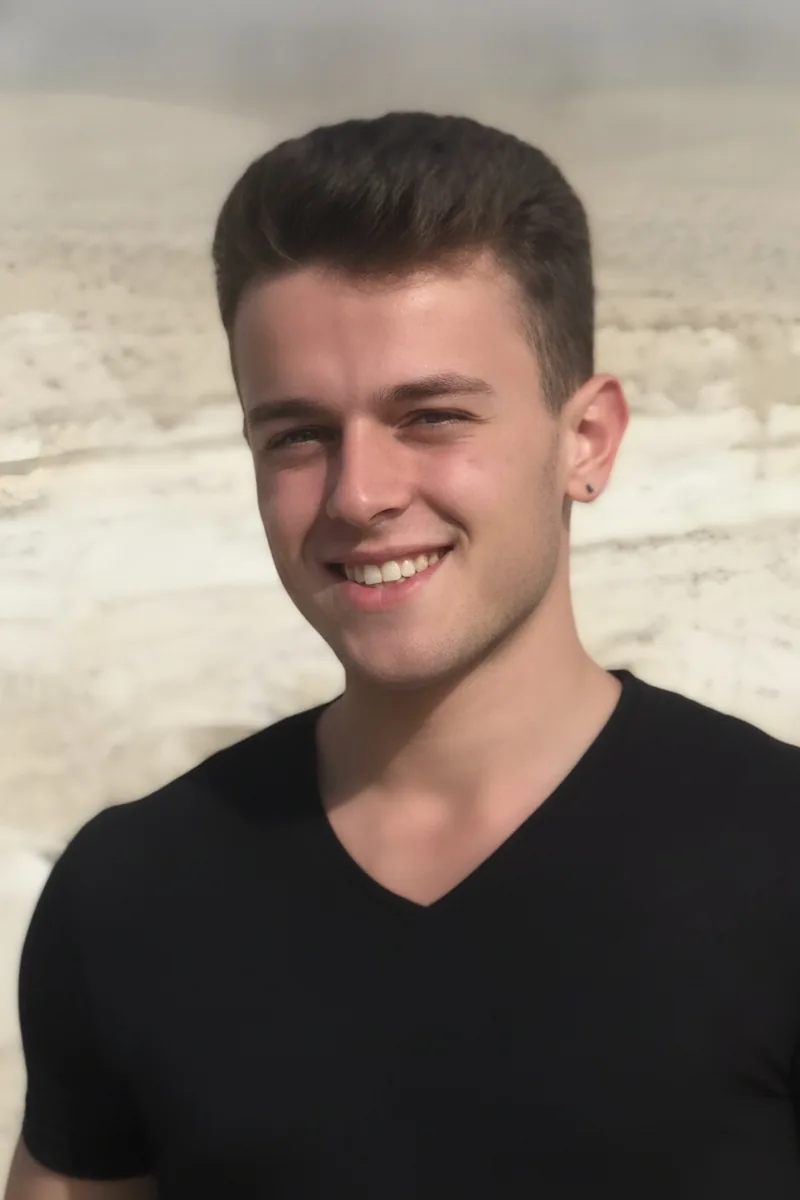
Enzyme kinetics, metabolic pathways, protein structure — biochemistry demands that students hold chemistry and biology in their heads simultaneously, which is exactly what medical school trains you to do daily. Jamie is currently at Sidney Kimmel Medical College and brings firsthand fluency with topics like Michaelis-Menten kinetics, amino acid chemistry, and the regulation of glycolysis and the citric acid cycle. He breaks down dense pathway diagrams into step-by-step logic that actually makes sense.
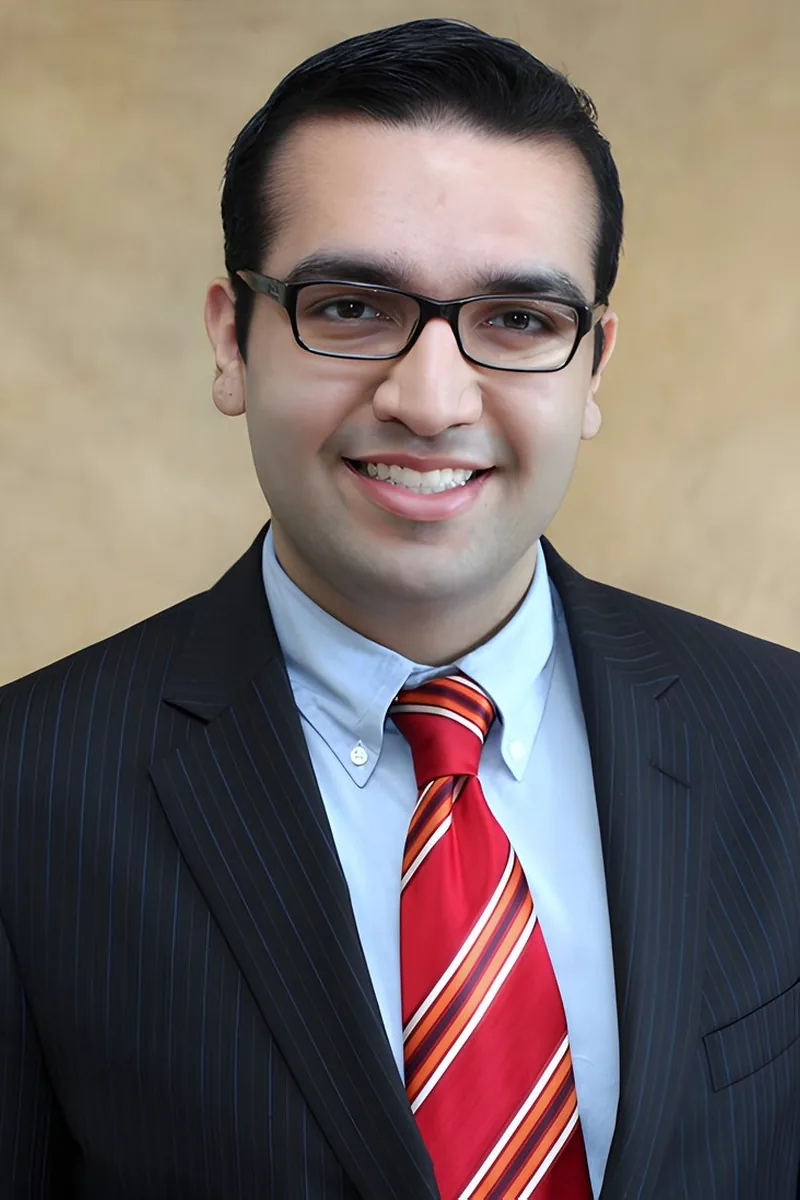
Rohan's economics training might seem distant from biochemistry, but econometrics and metabolic pathway analysis share a core skill — tracing how one variable's change cascades through an interconnected system. He applies that quantitative reasoning to topics like enzyme kinetics and metabolic regulation, breaking down rate equations and feedback loops with the same rigor he brings to economic models. Rated 4.9 by students.
Amino acid structures, enzyme kinetics, metabolic pathways — biochemistry demands that students hold molecular details and big-picture logic in their heads at the same time. Paul's biology honors work at Brown required exactly this kind of thinking, and he walks students through reaction mechanisms and pathway regulation with a clarity that makes the material stick.
David's neuroscience training at Yale meant wrestling with biochemistry from the nervous system's perspective — neurotransmitter synthesis, ion channel biophysics, and the metabolic demands that make the brain consume a disproportionate share of the body's glucose. Now pursuing a graduate degree in bioethics, he brings that mechanistic grounding to topics like amino acid chemistry and membrane transport, connecting each reaction to the biological system it supports. Holds a 5.0 rating.
Having worked in biochemical laboratories alongside his dual bachelor's degrees — including one in biochemistry — and his architecture studies at Columbia, Andrew brings a rare structural intuition to topics like protein folding and macromolecular assembly. He teaches metabolic pathways by building them up from their organic chemistry foundations, so students see each reaction as a logical next step rather than an isolated arrow on a diagram. Rated 4.9 by students.
Marc earned his bachelor's in biochemistry before entering an MD/PhD program, so enzyme kinetics, metabolic pathways, and protein structure aren't abstract topics for him — they're daily tools. He breaks down dense material like the citric acid cycle or amino acid chemistry into logical sequences that stick without brute-force memorization.
UCLA's biological sciences program gave Arshia a solid grounding in the molecular machinery of life — protein structure, metabolic pathways, and the organic chemistry that ties them together. She also tutors MCAT prep across multiple sections, which means she's used to explaining concepts like enzyme kinetics and amino acid properties at the level of detail that college biochemistry courses actually demand. Rated 5.0 by students.
Over a year of tutoring organic chemistry through UT Austin's Engineering Student Services gave Felipe a deep fluency with the reaction mechanisms that underpin biochemistry — the nucleophilic attacks in metabolic intermediates, the carbonyl chemistry driving the citric acid cycle, and the functional group transformations that distinguish one pathway step from the next. As a biomedical engineering major on the pre-med track, he's currently synthesizing this material across his own coursework, which means he knows exactly which mechanistic details professors test and which shortcuts actually hold up under pressure.
Enzyme kinetics, metabolic pathways, protein folding — biochemistry sits at the intersection of biology and chemistry, and Natasha lives at exactly that intersection as a chemical and biomolecular engineering graduate student at MIT. She unpacks reaction mechanisms and molecular interactions by encouraging students to talk through each step out loud, turning dense pathway diagrams into narratives that actually stick.
Medical school with a focus on infectious diseases means Grant thinks about biochemistry in terms of host-pathogen interactions — how bacteria hijack metabolic machinery, why certain enzyme targets make effective drug sites, and what happens to energy metabolism during sepsis. His biochemistry degree and MD training let him teach topics like amino acid pathways and enzyme inhibition by connecting each mechanism to the microbiology that brings it to life.
Cassandra's biology degree gives her the cellular and molecular grounding to teach biochemistry from the chemistry up — she walks through topics like enzyme regulation and metabolic intermediates by connecting each reaction to the organic chemistry driving it. Seven years of tutoring math and science across middle school through college means she's seen where students lose the thread, especially when pathways like gluconeogenesis start layering on exceptions and reversals. Rated 4.9 by students.
Hello! I am an Arizona State University graduate with a Bachelors of Science in Biological Science. My academic background is grounded in both technical problem-solving and a deep curiosity about how systems, whether digital or human, function. Outside the classroom, I've had the opportunity to work with students across a range of ages and abilities, from mentoring engineering and premed undergraduates at ASU to tutoring high schoolers in SAT/ACT prep, as well as K-12 students through Teach for America. I am comfortable with a range of subjects and am willing to work to meet your needs. Below are some of courses I have successfully tutored for in the past. K12 Subjects Elementary School (K5) Math (Basic Arithmetic, Word Problems) Reading & Phonics Writing & Grammar Science Social Studies Study & Organization Skills Middle School (68) Pre-Algebra Algebra I General Science (Life, Earth, Physical) English Language Arts (Reading, Writing) U.S. History & World History Intro to Coding / Computer Science High School (912) Algebra I & II Geometry Trigonometry Pre-Calculus Calculus AB/BC Biology (General, Honors) Chemistry (General, Honors) Physics (Conceptual, Algebra-Based) English Literature & Composition Essay Writing & Editing U.S. History & World History Psychology Economics & Government Health / Human Development Ethics / Philosophy Study Skills / Test Prep Standardized Test Prep SAT: Math, Reading, Writing & Language, Essay ACT: Math, Science, English, Reading, Essay PSAT MCAT (Content review & strategy) TOEFL / ESL (Certified ESL experience) AP Subjects AP Biology AP Chemistry AP Physics 1 AP Environmental Science AP Calculus AB AP Statistics AP English Language and Composition AP English Literature and Composition AP Psychology AP U.S. History AP World History AP U.S. Government & Politics AP Human Geography AP Macroeconomics / Microeconomics AP Computer Science Principles AP Seminar / Research College-Level Subjects STEM & Premed General Biology I & II Cell Biology Genetics Human Anatomy & Physiology General Chemistry I & II Organic Chemistry I & II Biochemistry Physics I & II (Algebra-Based) Calculus I & II Statistics (Introductory / Biostats) Humanities & Social Sciences Intro to Psychology Intro to Sociology Scientific Writing & Critical Thinking Medical Ethics Bioethics Philosophy of Science / Biology Research Writing & Academic Essays Business & Economics Intro to Macroeconomics Intro to Microeconomics Principles of Finance Financial Literacy / Budgeting Basics
Testimonials
Because the right Biochemistry tutor makes all the difference.
Average Session Rating – Based on 3.4M Learner Ratings
Practice Biochemistry
Free practice tests, flashcards, and AI tutoring for Biochemistry
Nearby Biochemistry Tutors
Other Concord Tutors
Related Science Tutors in Concord
Frequently Asked Questions
Biochemistry combines abstract molecular concepts with complex metabolic pathways, making it challenging to visualize how reactions actually work at the atomic level. Students often struggle with balancing chemical equations, understanding enzyme kinetics, and connecting theoretical concepts like thermodynamics to real cellular processes. Personalized tutoring helps break down these interconnected topics into manageable pieces, so you understand not just the "what" but the "why" behind biochemical reactions.
Yes. Expert tutors can help you understand the scientific method behind your experiments, interpret lab results, and connect hands-on observations to the theory you're learning in class. Whether you're analyzing protein structures, running chromatography, or measuring enzyme activity, tutors can clarify the reasoning behind experimental design and help you troubleshoot when results don't match expectations. This support strengthens both your technical skills and your scientific thinking.
Not at all. While Biochemistry has terminology and structures to learn, the real skill is understanding how and why molecules interact the way they do. Effective tutoring focuses on building conceptual understanding—like grasping how ATP powers cellular work or why enzyme active sites are so specific—rather than pure memorization. When you understand the underlying principles, remembering details becomes much easier and more meaningful.
Your first session is about understanding where you stand and what you need most help with. A tutor will ask about your current coursework, identify specific concepts that are confusing (whether it's metabolic pathways, protein synthesis, or thermodynamics), and assess your learning style. From there, you'll develop a personalized plan that targets your biggest challenges while building a stronger foundation in Biochemistry fundamentals.
Many Biochemistry students struggle with converting between moles, molarity, pH, and other units—especially when applying them to real problems. Tutors break down the logic behind these conversions and help you practice with problems that build confidence and accuracy. Rather than memorizing formulas, you'll understand what each unit represents and when to use it, making calculations feel less intimidating and more intuitive.
Biochemistry involves molecules and forces you can't see, which makes visualization critical. Expert tutors use diagrams, molecular models, animations, and real-world analogies to help you "see" how proteins fold, how substrates fit into enzyme active sites, or how electron transport chains work. Building this mental picture makes abstract concepts concrete and helps you retain information far better than reading alone.
Yes. Varsity Tutors connects you with expert tutors who understand the Biochemistry standards taught across Concord's school districts and are familiar with the typical progression from introductory chemistry through advanced biochemistry courses. Whether you're in high school AP Biology, college General Chemistry, or upper-level Biochemistry, tutors can align their instruction with your specific curriculum and course expectations.
Strong Biochemistry skills are essential for pre-med, nursing, and science majors. Personalized tutoring builds deep understanding of core concepts—not just surface-level knowledge—which prepares you for more advanced courses and standardized exams like the MCAT. Tutors help you develop scientific reasoning and problem-solving skills that colleges and medical schools value, giving you a real advantage in your academic and professional journey.
Let’s find your perfect tutor
Answer a few quick questions. We’ll recommend the right plan and match you with a top 5% tutor.