Award-Winning Biochemistry Tutors
serving Mission Viejo, CA
Biochemistry
Tutors in Mission Viejo
Private 1-on-1 tutoring, weekly live classes for academic support, test prep & enrichment, practice tests and diagnostics, and more to elevate grades and test scores.
Based on 3.4M Learner Ratings
UniversitiesSchools & Universities
DeliveredHours Delivered
ProficiencyGrowth in Proficiency
Who needs tutoring?
No obligation. Takes ~1 minute.
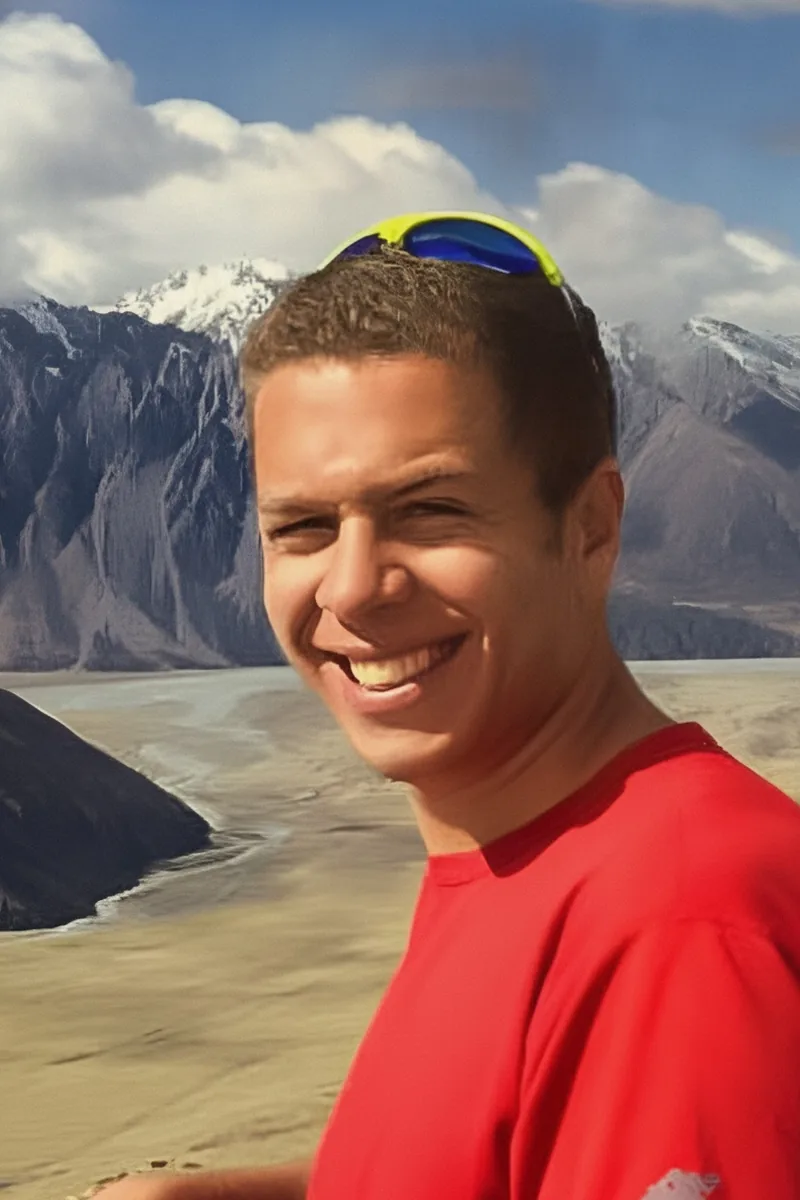
Enzyme kinetics, metabolic pathways, protein structure — biochemistry sits at the intersection of biology and chemistry, and it punishes students who try to memorize without understanding the underlying logic. Oliver earned his B.A. in Biochemistry at CU Boulder with a chemistry minor, giving him the dual lens needed to explain why Michaelis-Menten curves behave the way they do or how amino acid properties dictate protein folding.
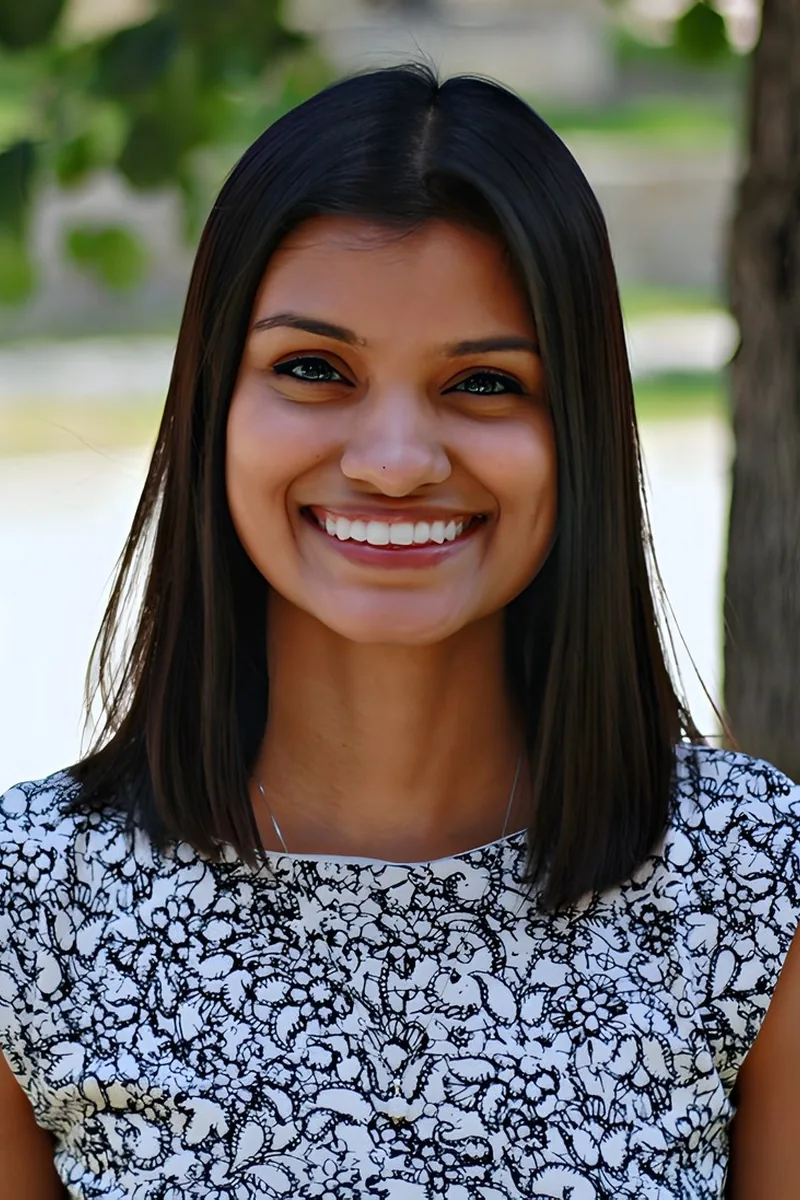
Enzyme kinetics, metabolic pathways, protein structure, nucleic acid chemistry — biochemistry demands that students hold molecular detail and big-picture logic in their heads simultaneously. Sugi graduated summa cum laude with a biochemistry degree from Rice and now applies that knowledge daily in medical school at Baylor. She teaches each pathway as a narrative with clear inputs, outputs, and regulatory checkpoints rather than a list to memorize.
Genome editing at Rice and computational neuroscience at Hopkins meant Emmanuel had to internalize biochemistry at the molecular level — from CRISPR-associated enzyme mechanisms to the metabolic pathways fueling neural tissue. That hands-on lab fluency lets him teach topics like protein structure and nucleotide chemistry by grounding each concept in the experimental context where it actually matters. Holds a 5.0 rating.
Enzyme kinetics, metabolic pathways, protein structure — biochemistry demands that students hold molecular-level detail and big-picture biological function in their heads simultaneously. Yasheen earned dual degrees in biology and cellular/molecular biology from Yale and now works in a cancer biology lab, so she lives in this material daily. She's particularly sharp on topics like amino acid chemistry, Michaelis-Menten kinetics, and the regulation of glycolysis and the citric acid cycle.
Enzyme kinetics, metabolic pathways, protein structure — biochemistry demands that students think simultaneously about chemistry and biology, which is exactly how Nathaniel trained. His degree in biochemistry and his MCAT preparation mean he can walk through everything from Michaelis-Menten plots to amino acid properties with the depth a college-level course requires.
Recent MCAT preparation gave Eric a sharp, up-to-date command of the biochemistry topics that trip students up most: enzyme kinetics, metabolic pathway regulation, and the interplay between protein structure and function. His graduate work in chemistry provides the molecular-level intuition that makes memorizing pathways feel less like brute force and more like following a logical story.
Enzyme kinetics, metabolic pathways, and protein structure all demand a student who can think across chemistry and biology simultaneously — which is exactly what Aleeza's biology degree and MCAT preparation trained her to do. She unpacks topics like Michaelis-Menten kinetics and amino acid chemistry by tying molecular details to the bigger biological picture. Students studying for upper-level biochemistry exams or the MCAT get someone who recently mastered this material herself.
Enzyme kinetics, metabolic pathways, protein structure — biochemistry asks students to think about molecules as dynamic systems, not static diagrams. Tina's engineering background at Cornell and her pre-med preparation mean she can unpack topics like Michaelis-Menten kinetics or amino acid chemistry with both quantitative rigor and biological context.
Four years of medical school means Jordan has cycled through biochemistry multiple times — first mastering it for premed coursework, then again for the MCAT, and again for USMLE Step 1 — each pass deepening his grasp of how pathways like the urea cycle and oxidative phosphorylation connect to clinical medicine. That layered repetition lets him teach metabolic integration the way it actually gets tested: not as isolated reactions, but as interconnected systems where disrupting one enzyme cascades through the whole picture. Rated 5.0 by students.
Enzyme kinetics, metabolic pathways, protein folding — biochemistry lives at the intersection of biology and chemistry, and Varshini's neuroscience major with a chemistry minor put her squarely in that overlap. She unpacks complex pathways like glycolysis and the citric acid cycle by connecting each reaction to its biological purpose, which makes the logic behind regulation and inhibition far easier to retain.
Bintou's chemistry degree from Penn covered the organic and physical chemistry backbone that biochemistry builds on — reaction mechanisms, thermodynamics, molecular structure — and her year teaching high school science sharpened her ability to break layered concepts into steps students can actually follow. She approaches topics like enzyme kinetics and metabolic regulation by first making sure the underlying chemistry clicks, then building up to how those reactions behave inside a cell.
Matt's graduate work in human nutrition required him to trace every major metabolic pathway from the molecular level up — how macronutrients get broken down, shuttled through the citric acid cycle, and ultimately converted to usable energy. That nutritional biochemistry lens means he teaches topics like lipid metabolism and amino acid catabolism with a constant eye on physiological context, making reaction sequences feel purposeful rather than arbitrary. Holds a 5.0 rating.
Testimonials
Because the right Biochemistry tutor makes all the difference.
Average Session Rating – Based on 3.4M Learner Ratings
Practice Biochemistry
Free practice tests, flashcards, and AI tutoring for Biochemistry
Nearby Biochemistry Tutors
Other Mission Viejo Tutors
Related Science Tutors in Mission Viejo
Frequently Asked Questions
Biochemistry combines abstract molecular concepts with complex metabolic pathways, making it challenging to visualize how reactions work at the atomic level. Students often struggle with balancing chemical equations, understanding enzyme kinetics, and connecting theoretical concepts like thermodynamics to real cellular processes. Personalized tutoring helps break down these interconnected topics into manageable pieces, so you can build a solid foundation before moving to more advanced material.
While Biochemistry does require learning metabolic pathways and molecular structures, true mastery comes from understanding the "why" behind reactions rather than memorizing facts. When you understand how enzyme structure relates to function, or why certain molecules interact, you can apply that knowledge to new problems and retain information long-term. Expert tutors focus on building conceptual understanding first, which makes memorization easier and helps you succeed on exams that test reasoning and application.
Biochemistry lab work reinforces classroom concepts through hands-on experimentation—from protein purification to enzyme assays. A tutor can help you understand the scientific method behind your experiments, interpret results, and connect lab observations back to theory. This bridge between classroom and lab strengthens your grasp of both content and scientific thinking skills, preparing you for more advanced coursework or research opportunities.
During your first session, a tutor will assess your current understanding of foundational chemistry concepts, identify specific topics causing difficulty (like protein folding or ATP synthesis), and learn your learning style. From there, they'll create a personalized plan targeting your weaknesses while building on your strengths. Most students find that even one session clarifies confusing concepts and provides concrete strategies for tackling difficult material.
Abstract concepts like molecular structure, enzyme-substrate interactions, and metabolic cycles are much easier to grasp when broken down visually and explained step-by-step. Expert tutors use diagrams, molecular models, and real-world analogies to make invisible processes tangible. By connecting these visualizations to actual cellular functions, you develop intuition about how biochemical systems work rather than just memorizing pathways.
Biochemistry calculations often involve unfamiliar units (molarity, pH, enzyme kinetics) and multi-step problem-solving that requires both chemistry knowledge and mathematical reasoning. Many students understand the concept but make errors in setup or unit cancellation. Tutoring helps you develop a systematic approach to calculations, recognize common problem types, and build confidence so you can focus on the biochemistry rather than getting stuck on the math.
Look for tutors with strong backgrounds in both chemistry and biology, ideally with experience teaching or tutoring at the college level. They should be able to explain complex concepts clearly, connect theory to applications, and adapt their teaching to your learning style. Varsity Tutors connects you with expert tutors who have demonstrated mastery of Biochemistry content and proven success helping students understand challenging material.
Mission Viejo's strong academic environment means many students are preparing for competitive college programs in science, medicine, or engineering where Biochemistry is foundational. Personalized tutoring ensures you master not just the content but develop the analytical and problem-solving skills colleges expect. By building deep understanding now, you'll be better prepared for advanced biology, organic chemistry, and specialized science courses in college.
Let’s find your perfect tutor
Answer a few quick questions. We’ll recommend the right plan and match you with a top 5% tutor.