Award-Winning Biochemistry Tutors
serving San Francisco, CA
Biochemistry
Tutors in San Francisco
Private 1-on-1 tutoring, weekly live classes for academic support, test prep & enrichment, practice tests and diagnostics, and more to elevate grades and test scores.
Based on 3.4M Learner Ratings
UniversitiesSchools & Universities
DeliveredHours Delivered
ProficiencyGrowth in Proficiency
Who needs tutoring?
No obligation. Takes ~1 minute.
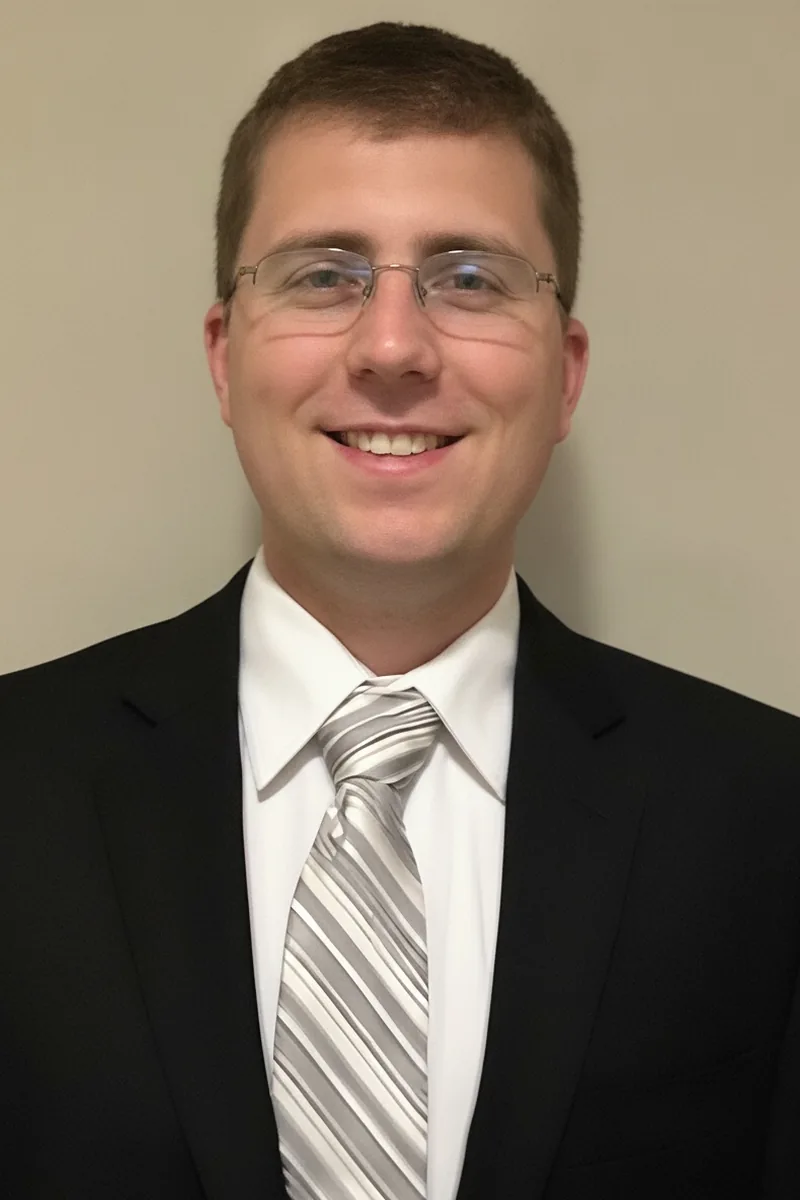
Recent MCAT preparation gave Eric a sharp, up-to-date command of the biochemistry topics that trip students up most: enzyme kinetics, metabolic pathway regulation, and the interplay between protein structure and function. His graduate work in chemistry provides the molecular-level intuition that makes memorizing pathways feel less like brute force and more like following a logical story.
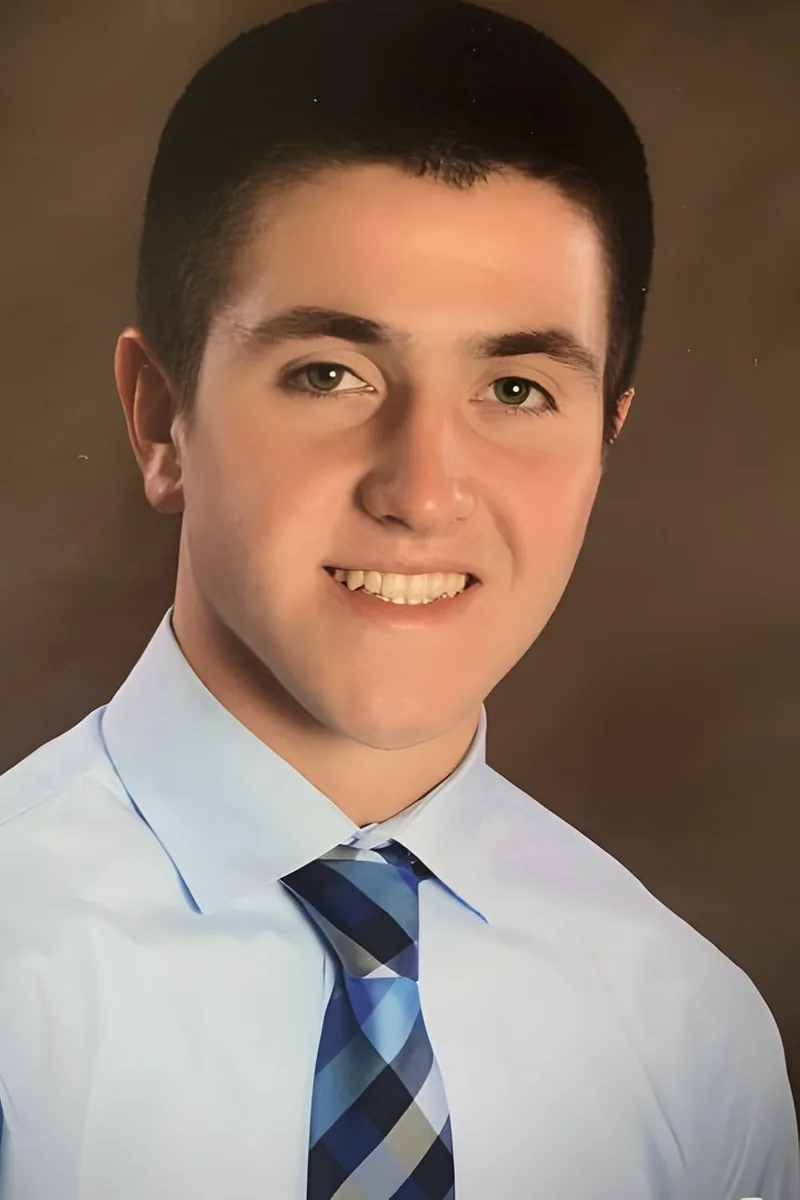
Mitchell's neuroscience degree means he learned biochemistry through the brain's lens — tracing how neurotransmitter precursors feed into synthesis pathways, how ATP production keeps neurons firing, and how lipid biochemistry shapes every membrane in the nervous system. That background lets him teach topics like oxidative phosphorylation and amino acid metabolism by connecting each reaction to the cellular machinery that depends on it.
Studying organismal physiology at Drexel meant Steven spent serious time with enzyme kinetics, metabolic pathways, and protein structure-function relationships — the core of any biochemistry course. He unpacks topics like the citric acid cycle and amino acid chemistry by tying each reaction back to its biological purpose, which makes the dense material easier to retain.
Zachary earned both his BS in Biology and a master's in Molecular Biology, which means he's traced biochemical pathways from two different altitudes — the broad cellular view and the granular molecular detail. That dual training comes through when he unpacks topics like lipid metabolism or allosteric enzyme regulation, building each concept from its chemical logic so the bigger metabolic map starts to make sense on its own.
Matt's graduate work in human nutrition required him to trace every major metabolic pathway from the molecular level up — how macronutrients get broken down, shuttled through the citric acid cycle, and ultimately converted to usable energy. That nutritional biochemistry lens means he teaches topics like lipid metabolism and amino acid catabolism with a constant eye on physiological context, making reaction sequences feel purposeful rather than arbitrary. Holds a 5.0 rating.
Rohan's economics training might seem distant from biochemistry, but econometrics and metabolic pathway analysis share a core skill — tracing how one variable's change cascades through an interconnected system. He applies that quantitative reasoning to topics like enzyme kinetics and metabolic regulation, breaking down rate equations and feedback loops with the same rigor he brings to economic models. Rated 4.9 by students.
I am very motivated to help others reach their academic goals. I am currently a master's student studying Immunology, but I have a background in general biology and chemistry, too, with a heavy emphasis on molecular biology and genetics.
Hello! I am an Arizona State University graduate with a Bachelors of Science in Biological Science. My academic background is grounded in both technical problem-solving and a deep curiosity about how systems, whether digital or human, function. Outside the classroom, I've had the opportunity to work with students across a range of ages and abilities, from mentoring engineering and premed undergraduates at ASU to tutoring high schoolers in SAT/ACT prep, as well as K-12 students through Teach for America. I am comfortable with a range of subjects and am willing to work to meet your needs. Below are some of courses I have successfully tutored for in the past. K12 Subjects Elementary School (K5) Math (Basic Arithmetic, Word Problems) Reading & Phonics Writing & Grammar Science Social Studies Study & Organization Skills Middle School (68) Pre-Algebra Algebra I General Science (Life, Earth, Physical) English Language Arts (Reading, Writing) U.S. History & World History Intro to Coding / Computer Science High School (912) Algebra I & II Geometry Trigonometry Pre-Calculus Calculus AB/BC Biology (General, Honors) Chemistry (General, Honors) Physics (Conceptual, Algebra-Based) English Literature & Composition Essay Writing & Editing U.S. History & World History Psychology Economics & Government Health / Human Development Ethics / Philosophy Study Skills / Test Prep Standardized Test Prep SAT: Math, Reading, Writing & Language, Essay ACT: Math, Science, English, Reading, Essay PSAT MCAT (Content review & strategy) TOEFL / ESL (Certified ESL experience) AP Subjects AP Biology AP Chemistry AP Physics 1 AP Environmental Science AP Calculus AB AP Statistics AP English Language and Composition AP English Literature and Composition AP Psychology AP U.S. History AP World History AP U.S. Government & Politics AP Human Geography AP Macroeconomics / Microeconomics AP Computer Science Principles AP Seminar / Research College-Level Subjects STEM & Premed General Biology I & II Cell Biology Genetics Human Anatomy & Physiology General Chemistry I & II Organic Chemistry I & II Biochemistry Physics I & II (Algebra-Based) Calculus I & II Statistics (Introductory / Biostats) Humanities & Social Sciences Intro to Psychology Intro to Sociology Scientific Writing & Critical Thinking Medical Ethics Bioethics Philosophy of Science / Biology Research Writing & Academic Essays Business & Economics Intro to Macroeconomics Intro to Microeconomics Principles of Finance Financial Literacy / Budgeting Basics
Medical school with a focus on infectious diseases means Grant thinks about biochemistry in terms of host-pathogen interactions — how bacteria hijack metabolic machinery, why certain enzyme targets make effective drug sites, and what happens to energy metabolism during sepsis. His biochemistry degree and MD training let him teach topics like amino acid pathways and enzyme inhibition by connecting each mechanism to the microbiology that brings it to life.
Having served as an undergraduate teaching assistant for introductory biochemistry at Cornell, Josef knows exactly which concepts — cofactor roles, enzyme regulation, the interplay between metabolic pathways — trip students up for the first time. He teaches by showing how biochemistry synthesizes organic chemistry, cell biology, and thermodynamics into a single coherent story, so each pathway feels like a logical extension rather than a separate thing to memorize. Rated 5.0 by students.
I am a PhD student at SUNY Downstate Medical Center studying Molecular & Cellular Biology. I graduated from Columbia University with a Bachelor of Arts in Biochemistry. I love to teach, mostly because of the impact of great teachers throughout my academic career. I think learning can be really fun, if teachers think outside the box and really challenge themselves to find novel ways of conveying concepts to students. Tried and true methods are always great in the classroom, but to work one-on-one with students requires a different approach. It's also critical that learning be something students want, not grudgingly sit through, so that their academic success is tied to their ability to understand and engage the material, not to what score they get on an arbitrary test.
Pre-med coursework at Northwestern means Manideep is actively working through the toughest parts of biochemistry right now — amino acid structures, membrane transport mechanisms, and the regulatory logic behind major metabolic pathways. That proximity to the material gives him a sharp sense of where students get stuck, especially when translating organic chemistry principles into biological contexts. Rated 5.0 by students.
Testimonials
Because the right Biochemistry tutor makes all the difference.
Average Session Rating – Based on 3.4M Learner Ratings
Practice Biochemistry
Free practice tests, flashcards, and AI tutoring for Biochemistry
Nearby Biochemistry Tutors
Other San Francisco Tutors
Related Science Tutors in San Francisco
Frequently Asked Questions
Biochemistry courses usually cover the structure and function of biological molecules, including proteins, carbohydrates, lipids, and nucleic acids. You'll also study enzyme kinetics, metabolic pathways (like glycolysis and the citric acid cycle), bioenergetics, and how cells store and use energy. Many courses include photosynthesis, protein synthesis, and cellular signaling. The curriculum emphasizes understanding how chemical reactions drive biological processes—connecting molecular-level chemistry to how living organisms actually function.
The biggest challenge is visualizing molecular structures and understanding three-dimensional interactions you can't see with the naked eye. Many students struggle with enzyme mechanisms, metabolic pathway connections, and balancing complex biochemical equations. Another common difficulty is distinguishing between memorization and genuine understanding—Biochemistry requires both knowing facts and grasping why reactions proceed the way they do. Additionally, connecting abstract concepts like binding affinity or electron transfer to real biological outcomes takes practice and guidance.
An expert tutor can break down complex pathways into understandable steps, help you visualize molecular structures, and explain the logic behind biochemical reactions rather than just memorizing them. Tutors work with you on problem-solving strategies, such as approaching enzyme kinetics problems or predicting reaction outcomes. They can also identify gaps in your chemistry foundation that might be holding you back, connect theoretical concepts to real-world applications (like how cells produce energy), and help you develop the scientific reasoning skills needed for exams and lab work. Personalized 1-on-1 instruction lets tutors adapt to your learning style and pace.
Yes. Tutors can help you understand the scientific method behind your lab experiments, interpret results, and connect what you observe in the lab to the biochemical concepts you're learning in lectures. They can guide you through data analysis, help you write lab reports that clearly explain your findings, and troubleshoot when your results don't match expectations. Whether you're learning gel electrophoresis, chromatography, spectrophotometry, or enzyme assays, tutoring helps you grasp both the hands-on technique and the underlying biochemistry.
A solid foundation in general chemistry and organic chemistry is essential. You should be comfortable with chemical bonding, acid-base chemistry, thermodynamics, and organic functional groups. Many students also benefit from reviewing general biology concepts like cell structure and the central dogma of molecular biology before diving into Biochemistry. If you feel weak in any of these areas, a tutor can help you refresh foundational knowledge so you're ready to tackle biochemical pathways and mechanisms with confidence.
San Francisco and the surrounding Bay Area are home to a thriving biotech and pharmaceutical industry, with major companies and research institutions focused on drug development, genetic engineering, and molecular medicine. Strong Biochemistry skills open doors to internships, research opportunities, and careers in these fields. Additionally, many universities in California have rigorous Biochemistry programs as prerequisites for medicine, pharmacy, and graduate science programs. Excelling in Biochemistry now gives you a competitive edge for these opportunities.
Varsity Tutors connects you with expert tutors who specialize in Biochemistry and can work with your schedule and learning goals. Whether you're looking to improve your understanding of metabolic pathways, prepare for an exam, or strengthen your lab skills, you can get matched with a tutor who fits your needs. Reach out to discuss your specific challenges, and you'll be paired with someone ready to provide personalized instruction tailored to help you succeed in your course.
Let’s find your perfect tutor
Answer a few quick questions. We’ll recommend the right plan and match you with a top 5% tutor.