Award-Winning Biochemistry Tutors
serving Fresno, CA
Biochemistry
Tutors in Fresno
Private 1-on-1 tutoring, weekly live classes for academic support, test prep & enrichment, practice tests and diagnostics, and more to elevate grades and test scores.
Based on 3.4M Learner Ratings
UniversitiesSchools & Universities
DeliveredHours Delivered
ProficiencyGrowth in Proficiency
Who needs tutoring?
No obligation. Takes ~1 minute.
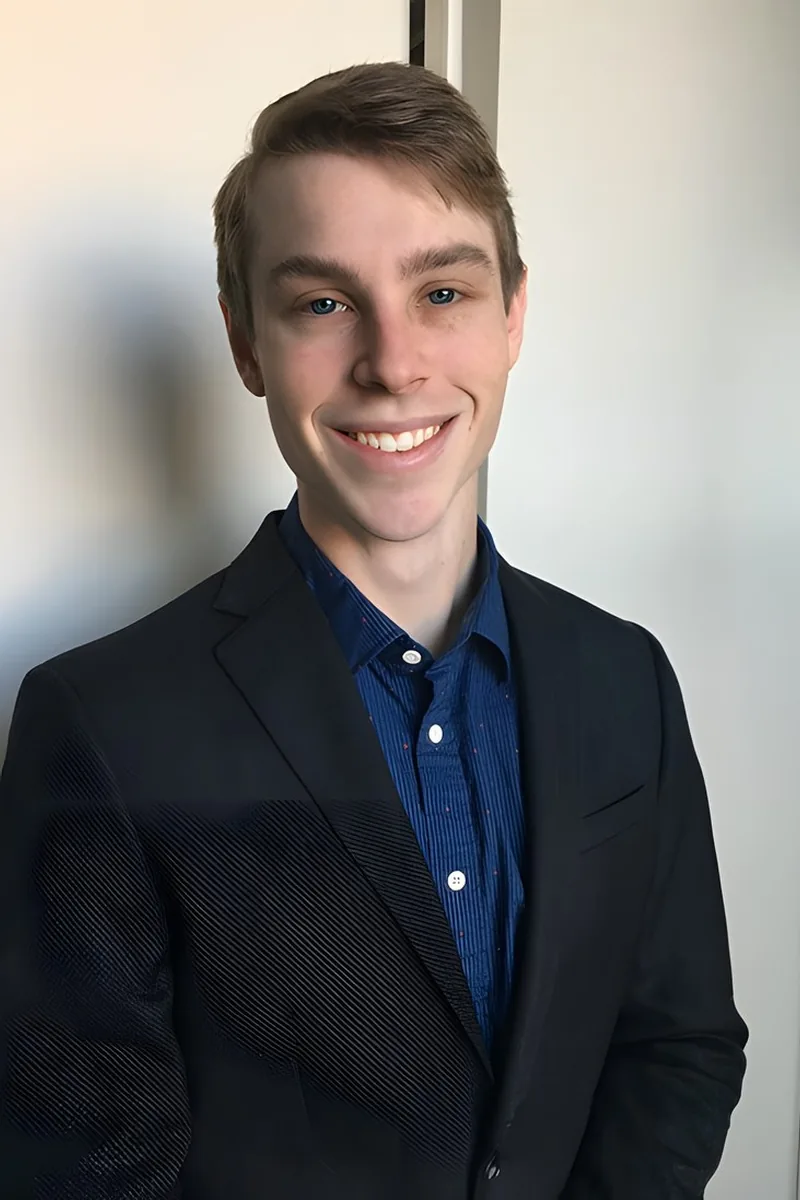
Enzyme kinetics, metabolic pathways, protein structure — biochemistry demands that students hold molecular-level details and big-picture biological function in their heads simultaneously. Gabe studied neuroscience and behavior as an undergraduate, which meant living in biochemistry coursework and understanding how molecular interactions drive everything from cellular respiration to neurotransmitter signaling. He breaks down dense pathway diagrams into cause-and-effect chains that are far easier to retain.
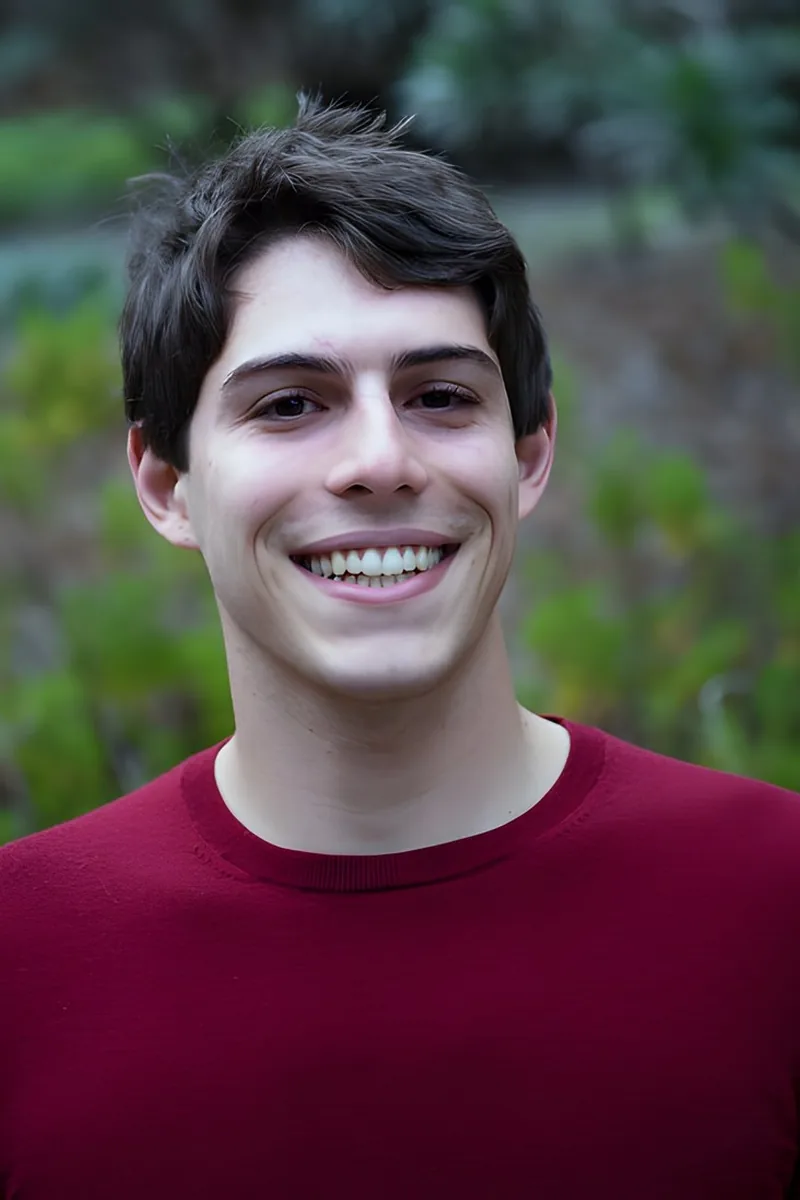
Physical chemistry PhD work at UC Berkeley means Jacob spent years quantifying the thermodynamic and kinetic principles that govern every biochemical process — from enzyme catalysis rates to the free energy changes driving metabolic pathways forward. He teaches biochemistry by unpacking the physical chemistry underneath it, so concepts like Michaelis-Menten kinetics or the energetics of oxidative phosphorylation feel like derivable logic rather than formulas to memorize. Rated 4.9 by students.
Studying cognitive science on a pre-med track at Rice means Natalie lives in the overlap between biology and chemistry every semester — enzyme kinetics, metabolic pathways, and protein structure are part of her daily coursework. She unpacks biochemistry by anchoring molecular details to the bigger biological question they answer, which makes dense material like the citric acid cycle far more digestible.
Genome editing at Rice and computational neuroscience at Hopkins meant Emmanuel had to internalize biochemistry at the molecular level — from CRISPR-associated enzyme mechanisms to the metabolic pathways fueling neural tissue. That hands-on lab fluency lets him teach topics like protein structure and nucleotide chemistry by grounding each concept in the experimental context where it actually matters. Holds a 5.0 rating.
Medical school with a focus on infectious diseases means Grant thinks about biochemistry in terms of host-pathogen interactions — how bacteria hijack metabolic machinery, why certain enzyme targets make effective drug sites, and what happens to energy metabolism during sepsis. His biochemistry degree and MD training let him teach topics like amino acid pathways and enzyme inhibition by connecting each mechanism to the microbiology that brings it to life.
Recent MCAT preparation gave Eric a sharp, up-to-date command of the biochemistry topics that trip students up most: enzyme kinetics, metabolic pathway regulation, and the interplay between protein structure and function. His graduate work in chemistry provides the molecular-level intuition that makes memorizing pathways feel less like brute force and more like following a logical story.
Dental students live in biochemistry — enzyme kinetics, metabolic pathways, amino acid structures — and Josh is right in the middle of that curriculum at Penn. He unpacks topics like glycolysis and protein folding by tying each reaction to a biological consequence, which turns a wall of chemical structures into a story that's far easier to retain.
Teaching organic chemistry recitation at the University of Kentucky while simultaneously navigating medical school gives Jason an unusually current grasp of biochemistry — he's actively working through the same metabolic regulation, amino acid structures, and enzyme mechanisms his students encounter. His biology degree and MCAT preparation anchor the molecular details, while his med school training shows him how those details play out in living systems. Rated 5.0 by students.
Having worked in biochemical laboratories alongside his dual bachelor's degrees — including one in biochemistry — and his architecture studies at Columbia, Andrew brings a rare structural intuition to topics like protein folding and macromolecular assembly. He teaches metabolic pathways by building them up from their organic chemistry foundations, so students see each reaction as a logical next step rather than an isolated arrow on a diagram. Rated 4.9 by students.
Enzyme kinetics, metabolic pathways, protein structure — biochemistry asks students to think about molecules as dynamic systems, not static diagrams. Tina's engineering background at Cornell and her pre-med preparation mean she can unpack topics like Michaelis-Menten kinetics or amino acid chemistry with both quantitative rigor and biological context.
Enzyme kinetics, metabolic pathways, and protein structure all demand a student who can think across chemistry and biology simultaneously — which is exactly what Aleeza's biology degree and MCAT preparation trained her to do. She unpacks topics like Michaelis-Menten kinetics and amino acid chemistry by tying molecular details to the bigger biological picture. Students studying for upper-level biochemistry exams or the MCAT get someone who recently mastered this material herself.
Matt's graduate work in human nutrition required him to trace every major metabolic pathway from the molecular level up — how macronutrients get broken down, shuttled through the citric acid cycle, and ultimately converted to usable energy. That nutritional biochemistry lens means he teaches topics like lipid metabolism and amino acid catabolism with a constant eye on physiological context, making reaction sequences feel purposeful rather than arbitrary. Holds a 5.0 rating.
Testimonials
Because the right Biochemistry tutor makes all the difference.
Average Session Rating – Based on 3.4M Learner Ratings
Practice Biochemistry
Free practice tests, flashcards, and AI tutoring for Biochemistry
Nearby Biochemistry Tutors
Other Fresno Tutors
Related Science Tutors in Fresno
Frequently Asked Questions
Biochemistry is the study of chemical processes within living organisms—how molecules like proteins, lipids, and carbohydrates work together to sustain life. It bridges chemistry and biology, making it essential for students pursuing careers in medicine, pharmacy, biotechnology, and research. Strong biochemistry foundations help you understand disease mechanisms, drug development, and cellular function, which are critical for success in upper-level science courses and professional programs.
Many students struggle with visualizing molecular structures and metabolic pathways—abstract concepts that are hard to grasp from textbooks alone. Balancing chemical equations, understanding enzyme kinetics, and connecting biochemical processes to real-world applications also trip up learners. Additionally, biochemistry requires both memorization of structures and mechanisms plus deep conceptual understanding, which can feel overwhelming without personalized guidance to clarify where confusion starts.
Personalized 1-on-1 instruction allows tutors to identify your specific knowledge gaps—whether that's metabolic pathways, protein folding, or exam strategy—and target those areas directly. Tutors can use visual models, real-world examples, and step-by-step problem-solving to transform abstract concepts into concrete understanding. They also help you develop scientific reasoning skills and study techniques that stick, rather than relying on cramming or surface-level memorization.
Your first session focuses on assessment and connection. A tutor will discuss your current biochemistry coursework, identify specific topics causing difficulty, and understand your learning style and goals. This helps them create a personalized plan—whether you need help with thermodynamics, cellular respiration, protein synthesis, or exam preparation—so every future session is targeted and efficient.
Yes. Tutors can help you understand the theory behind lab experiments, interpret results, and connect hands-on work to biochemical principles. Whether you're working with enzyme assays, chromatography, or spectrophotometry, personalized instruction clarifies the 'why' behind procedures and helps you troubleshoot when results don't match expectations. This strengthens both your lab skills and your conceptual understanding.
Varsity Tutors connects you with tutors who have strong backgrounds in biochemistry and experience teaching students at your level. You can specify your needs—whether it's general course support, exam prep, or lab assistance—and get matched with someone who fits your schedule and learning style. The process is straightforward: share your goals, and we handle finding the right fit.
Absolutely. Tutors help you master high-yield biochemistry topics, practice problem-solving under time pressure, and develop test-taking strategies specific to your exam. For MCAT prep, they focus on connecting biochemical concepts to physiology and clinical applications, which is how the exam tests the material. Personalized practice and feedback ensure you're not just memorizing—you're building the deep understanding that translates to strong exam performance.
Varsity Tutors offers flexible pricing based on tutor expertise, session frequency, and your specific needs. There's no long-term contract required—you can adjust your schedule as needed. To get started, share your biochemistry goals and availability, and we'll connect you with a matched tutor. You can begin with a single session to see if it's a good fit before committing to ongoing support.
Let’s find your perfect tutor
Answer a few quick questions. We’ll recommend the right plan and match you with a top 5% tutor.