Award-Winning AP Environmental Science Tutors
serving Mission Viejo, CA
AP Environmental Science
Tutors in Mission Viejo
Private 1-on-1 tutoring, weekly live classes for academic support, test prep & enrichment, practice tests and diagnostics, and more to elevate grades and test scores.
Based on 3.4M Learner Ratings
UniversitiesSchools & Universities
DeliveredHours Delivered
ProficiencyGrowth in Proficiency
Who needs tutoring?
No obligation. Takes ~1 minute.

Between his Biology Honors program at UIUC and his time hiking and studying ecosystems firsthand, Ian tackles AP Environmental Science with both academic rigor and genuine enthusiasm for the material. He breaks down FRQ-heavy topics like biogeochemical cycles, biodiversity loss, and environmental legislation so students can construct the kind of evidence-based arguments the exam rewards.
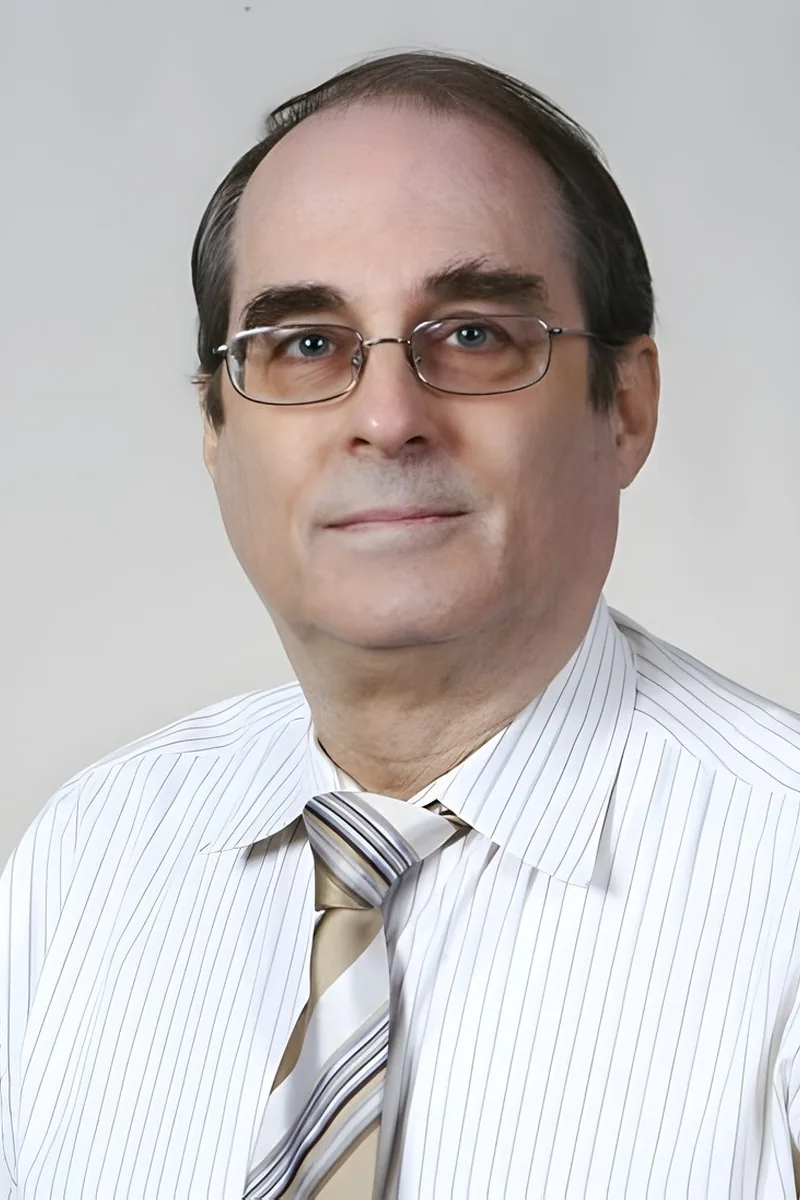
Brett earned three bachelor's degrees and a master's in biology, which means topics like biogeochemical cycles, ecosystem energy flow, and population ecology aren't just APES vocabulary for him — they're concepts he studied repeatedly across multiple degree programs. He brings that layered understanding to the lab-design and data-analysis questions where students need to explain mechanisms, not just label diagrams. Rated 5.0 by students.
Eric's degree in Ecology & Evolutionary Biology means he studied the actual science behind APES — population ecology, species interactions, and ecosystem-level processes — not just the survey-course version. He teaches students to think about environmental problems the way an ecologist would, tracing how a disturbance like deforestation or nutrient loading ripples through trophic levels and feedback loops until the full picture clicks.
Creative writing isn't the obvious path to APES, but Sydney's strength is in the skill most students neglect: constructing clear, evidence-driven free-response answers that earn full credit instead of rambling through half-remembered vocabulary. Her 35 ACT and 1600 SAT reflect the kind of analytical reading ability that translates directly to interpreting experimental designs and data sets on the exam. Rated 4.9 by students.
Kelsey earned her Master of Science in Environmental Sciences and Policy from Johns Hopkins, which means she doesn't just know the APES curriculum — she's done the fieldwork and data analysis behind it. From biogeochemical cycles to environmental legislation and ecological footprint calculations, she teaches students to think like environmental scientists, not just memorize vocabulary for the exam. Rated 4.9 by students.
Studying biological sciences means Liana is learning the underlying mechanisms — cellular respiration, nutrient cycling, population growth models — that APES questions are built on, rather than encountering them as isolated vocabulary terms. She breaks down topics like energy flow and species interactions using the same biological logic her college coursework demands, which pays off on free-response questions that ask students to explain processes rather than just name them. Rated 4.9 by students.
Most APES tutors come at the subject from biology or policy — Courage holds a Master's in Environmental Science, meaning he studied climate systems, land degradation, and resource management as his primary discipline, not a sidebar. He digs into the interconnections between Earth systems that the exam's free-response questions demand, teaching students to trace how a single disruption — deforestation, nutrient runoff, atmospheric CO₂ increases — ripples across multiple units.
Chellam earned her Environmental Science degree from UC Berkeley with a biological science concentration, which means AP Environmental Science isn't a subject she studied once — it was her entire academic focus. She breaks down everything from biogeochemical cycles to environmental policy analysis with the depth of someone who's done the fieldwork and the lab work behind the textbook diagrams.
Neuroscience teaches you to think about interconnected systems — how a single disruption cascades through networks of dependent processes — and Ankit applies that same framework to APES topics like trophic cascades, biogeochemical disruptions, and feedback loops in climate systems. His dual background in neuroscience and computer science at Duke, combined with a perfect 36 ACT, means he's comfortable with both the conceptual modeling and the quantitative problem-solving the exam demands.
Organismal physiology — Steven's concentration at Drexel — is essentially the study of how living systems respond to their environments, which maps directly onto APES topics like how pollutants move through organisms, how species adapt to habitat changes, and why bioaccumulation works the way it does. That biological depth, paired with a 34 ACT and 5.0 tutoring rating, means he can teach both the conceptual ecology and the math-heavy questions on energy calculations and resource analysis that the exam increasingly emphasizes.
Most APES students can memorize vocabulary lists but freeze when a free-response question asks them to explain how a neurotoxin moves through a food web or why bioaccumulation affects top predators disproportionately — Jhonatan's neuroscience specialization means he actually understands those biological mechanisms at the molecular level. He teaches students to trace environmental disruptions through living systems rather than treating each unit as isolated content, which is the connective thinking the exam scores highest. Rated 5.0 by students.
Scott earned his Master's in Ecology studying exactly the systems the AP Environmental Science exam tests — biogeochemical cycles, biodiversity loss, population dynamics, and resource management. He breaks down free-response questions by teaching students to connect data interpretation with the underlying ecological principles, which is where most points are won or lost on exam day.
Testimonials
Because the right AP Environmental Science tutor makes all the difference.
Average Session Rating – Based on 3.4M Learner Ratings
Practice AP Environmental Science
Free practice tests, flashcards, and AI tutoring for AP Environmental Science
Nearby AP Environmental Science Tutors
Other Mission Viejo Tutors
Related Science Tutors in Mission Viejo
Frequently Asked Questions
The AP Environmental Science exam covers eight major units: energy resources and consumption, ecosystems and biodiversity, populations and communities, earth systems and resources, land and water use, atmospheric composition and climate change, aquatic and terrestrial pollution, and human impacts on the environment. Each unit requires both conceptual understanding and the ability to apply environmental science principles to real-world scenarios. Tutors can help you master these topics systematically and connect them to the exam's emphasis on data analysis and environmental problem-solving.
Score improvement depends on your starting point and how consistently you engage with tutoring. Students who work with tutors typically see gains of 2-4 points on the 1-5 scale, though improvement varies based on your baseline knowledge and study habits. The key is identifying which units are causing the most difficulty—whether that's quantitative analysis, essay writing, or conceptual understanding—and targeting those areas with focused practice. Personalized 1-on-1 instruction helps you develop the specific skills the exam rewards.
Many students struggle with the quantitative components—calculating population growth rates, interpreting graphs, and working through multi-step environmental calculations. Others find the breadth of content overwhelming, since the course covers everything from cellular respiration to climate policy. The free-response section also challenges students who aren't used to explaining environmental concepts clearly and supporting their answers with specific examples. Tutors can break down these challenging areas, teach efficient problem-solving strategies, and help you practice until these skills feel automatic.
The multiple-choice section (100 questions in 90 minutes) requires quick decision-making—spend about 50 seconds per question, and skip difficult ones to return to later. For free-response questions, read the prompt carefully, organize your answer before writing, and use specific terminology and data to support your points. A tutor can teach you pacing strategies through timed practice tests, show you how to identify what each question is really asking, and help you develop a template for strong free-response answers that earn maximum points.
Ideally, you should take 4-6 full-length practice tests under timed conditions in the weeks leading up to the exam. This builds stamina, helps you identify remaining weak spots, and lets you practice test-day timing and strategies. After each practice test, review every question you missed—not just the wrong answers, but also questions you guessed on correctly. Tutors can help you analyze your practice test results to spot patterns in your mistakes and adjust your study plan accordingly.
Strong AP Environmental Science essays use specific terminology, include relevant data or examples, and directly address the question asked. Many students lose points by being too vague or by explaining concepts without connecting them to the prompt. Practice writing essays under timed conditions (typically 10-15 minutes per essay) and learn to structure your response: state your main idea clearly, provide 2-3 supporting points with evidence, and conclude by connecting back to the question. Tutors can review your practice essays, give you targeted feedback, and help you develop a writing approach that maximizes your score.
You'll need to interpret graphs, calculate rates of change, work with exponential and logistic growth models, and analyze environmental data sets. The exam frequently asks you to identify trends, calculate percentages, and make predictions based on data patterns. Many students underestimate how much math is involved—you don't need calculus, but you do need comfort with algebra and graphing. A tutor can walk you through the most common calculation types, teach you how to extract information from complex graphs quickly, and build your confidence with quantitative questions.
Most students benefit from starting focused exam prep 6-8 weeks before the test, though consistent studying throughout the course is more important than cramming at the end. A typical study schedule includes reviewing one unit per week, taking practice tests every 1-2 weeks, and dedicating extra time to your weakest areas. For students in Mission Viejo with access to personalized tutoring, working with a tutor 1-2 times per week during this prep period helps you stay on track, clarify difficult concepts quickly, and build the skills and confidence you need for test day.
Let’s find your perfect tutor
Answer a few quick questions. We’ll recommend the right plan and match you with a top 5% tutor.