Award-Winning AP Chemistry Tutors
serving San Diego, CA
AP Chemistry
Tutors in San Diego
Private 1-on-1 tutoring, weekly live classes for academic support, test prep & enrichment, practice tests and diagnostics, and more to elevate grades and test scores.
Based on 3.4M Learner Ratings
UniversitiesSchools & Universities
DeliveredHours Delivered
ProficiencyGrowth in Proficiency
Who needs tutoring?
No obligation. Takes ~1 minute.
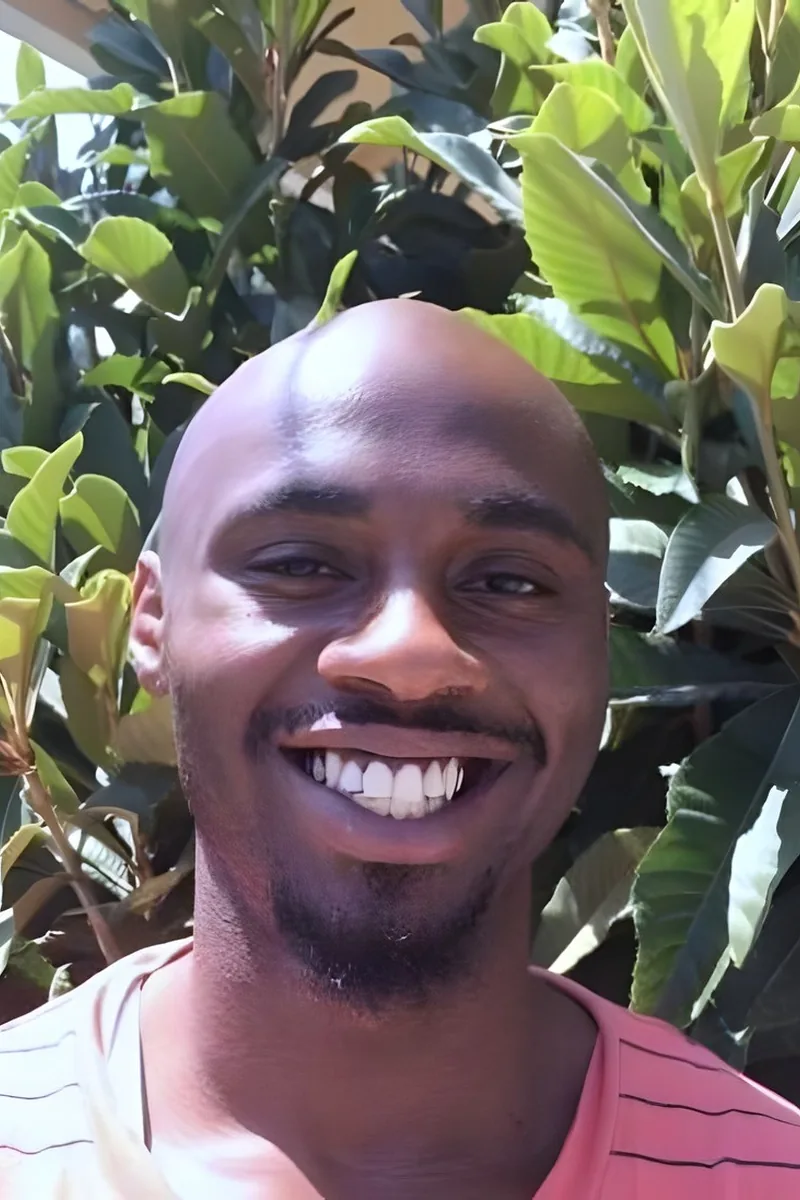
AP Chemistry's toughest sections — equilibrium, thermodynamics, electrochemistry — demand both conceptual understanding and fast quantitative reasoning. Brian brings strong analytical instincts from his Caltech science training, where rigorous problem-solving across disciplines was the norm. He breaks down multi-step free-response problems into the kind of logical chains that earn full credit on exam day.
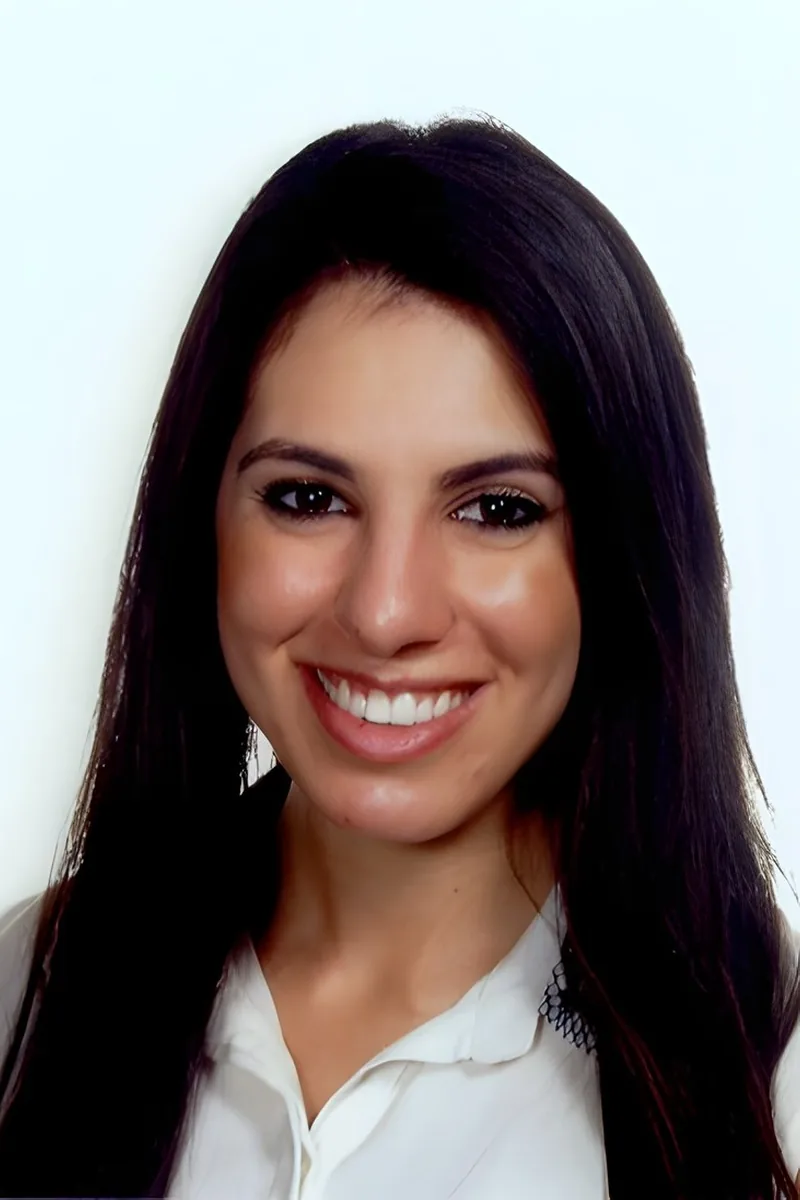
AP Chemistry's jump from memorizing formulas to applying thermodynamic and equilibrium concepts trips up most students around Unit 5 or 6. Nicole's pre-med science preparation at UCLA gave her deep practice with these exact topics — stoichiometry, reaction kinetics, and acid-base equilibria — and she teaches students to reason through multi-step problems rather than hunt for a formula to plug into.
Thermodynamics, equilibrium, and electrochemistry each layer new math onto already complex chemical concepts — and AP Chemistry tests all of it under time pressure. Justin's dual background in neuroscience and physiology means he spent years applying stoichiometry, acid-base chemistry, and kinetics in lab settings before ever tutoring them. He teaches students to read AP-style problems strategically, identifying what's actually being asked before diving into calculations.
Stoichiometry, equilibrium, and thermodynamics each demand a different kind of thinking — quantitative precision, conceptual flexibility, and the ability to link microscopic behavior to macroscopic observations. Jack tackles AP Chemistry by identifying which of those skills a student needs to sharpen, then drilling into that area with targeted problem sets. His science coursework at UC Berkeley, spanning biology, physics, and chemistry, gives him a cross-disciplinary perspective that clarifies why each concept matters.
As a chemistry major at Occidental College, Chandler is working through the same material AP Chemistry covers — but at the college level, where concepts like Le Chatelier's principle and reaction spontaneity get tested in lab settings, not just on paper. That firsthand experience means he can unpack the logic behind free-response questions, particularly those involving equilibrium shifts and enthalpy diagrams, in ways that stick. His 34 ACT and 4.5 rating back up a sharp, methodical approach to exam prep.
I'm an affable chemistry-loving person whose joy come from delivering knowledge :D
Running an immunology lab at Columbia University Medical Center means Matthew deals with chemical assays, buffer systems, and reaction protocols daily — the kind of hands-on chemistry that makes AP topics like acid-base equilibria and reaction energetics feel concrete rather than abstract. His physics degree also sharpens how he teaches the thermodynamics and kinetics portions of the exam, where understanding energy relationships mathematically is just as important as knowing the chemistry. A 35 ACT and 1540 SAT reflect the analytical precision he brings to exam preparation.
As an Academic Fellow at Rice, Maddie tutors college-level chemistry and biochemistry, so she's deeply familiar with the rigor AP Chemistry demands — from equilibrium calculations to thermodynamics and electrochemistry. She tackles the toughest free-response questions by teaching students to connect conceptual reasoning with precise mathematical setups, the combination the exam rewards most.
Teaching 12th grade Chemistry at a high-performing Philadelphia magnet school means Kathleen sees exactly which AP Chemistry concepts — from equilibrium reasoning to periodic trends — trip students up on exams, and she's built classroom-tested strategies for each one. Her Penn M.S.Ed in Secondary Science Education and her chemistry degree give her both the content depth and the pedagogical training to explain why a reaction proceeds the way it does, not just how to get the right answer. Rated 5.0 by students.
A PhD student at UT Southwestern with a Master's in Biotechnology from Johns Hopkins and a biochemistry degree from SMU, Pauline has lived the full chemistry pipeline — from general chem through organic and into the graduate-level biochemistry that AP Chemistry is preparing students for. She zeroes in on the conceptual leaps that cause the most trouble, like connecting Le Chatelier's principle to actual equilibrium math or translating Lewis structures into predictions about molecular polarity. Her experience tutoring across Algebra, Chemistry, and Organic Chemistry means she can catch when a student's real gap is mathematical rather than conceptual — and fix both.
Neuroscience at Duke required Ankit to master chemistry at the molecular level — understanding how ions cross membranes, how neurotransmitters bind receptors, and how electrochemical gradients drive cellular processes. That gives him a concrete, biology-rooted way to teach AP Chemistry topics like oxidation-reduction reactions and intermolecular forces, where seeing the real-world consequences makes the theory click. His 1580 SAT and 4.8 rating back up the depth he brings to exam preparation.
The AP Chemistry exam demands fluency with topics like electrochemistry, kinetics, and thermodynamic favorability — not just memorized formulas but the ability to explain why a reaction proceeds. Shawn earned his Master's in Chemistry, which means he can unpack the theory behind Le Chatelier shifts or galvanic cell potentials at whatever depth a student needs. His approach prioritizes the conceptual reasoning the free-response section rewards.
Pratik's strongest subject is chemistry, and it shows — he tutors it at both the high school and college level from his home base as a premed biology major at Cornell. He digs into the conceptual logic behind equilibrium, thermodynamics, and electrochemistry so that students can reason through unfamiliar free-response prompts instead of relying on memorized shortcuts.
Enric earned his PhD in Chemistry, which means AP Chem topics like equilibrium, thermodynamics, and kinetics aren't just exam material — they're the foundation of his professional expertise. He knows which free-response question styles the College Board favors and teaches students to connect particulate-level reasoning to macroscopic observations, the skill that separates 4s from 5s. Rated 5.0.
Thermodynamics, electron orbitals, kinetics — AP Chemistry sits right at the intersection of Dennis's physics and math training. His research simulating turbulent plasmas and designing optical filters required deep fluency with atomic behavior and energy transfer, so he explains concepts like equilibrium and electrochemistry through the underlying physics rather than just memorized rules.
Cornell's chemical engineering program put Rahul through physical chemistry, thermodynamics, and reaction engineering courses where AP Chemistry concepts like enthalpy, equilibrium, and kinetics were just the starting point — so he can teach those topics with the depth that makes free-response questions feel manageable. He's especially sharp on thermochemistry, his self-described favorite, and connects energy diagrams and Hess's law to the industrial-scale processes he studied as an engineer. Rated 4.9 by students.
Three semesters as a college chemistry TA gave Joshua deep familiarity with the exact concepts that stump AP students: equilibrium calculations, thermodynamics, and electrochemistry. He knows how free-response questions are structured and teaches students to connect mathematical problem-solving with the conceptual reasoning the AP exam rewards.
Few AP Chemistry tutors have actually written and graded college chemistry exams for years. Jeremy, a Yale-trained Ph.D. who has taught General Chemistry at the college level many times, knows precisely how equilibrium, thermodynamics, and kinetics questions are designed to test conceptual understanding versus rote calculation. He breaks down free-response strategies and teaches students to connect the big ideas the exam rewards.
Testimonials
Because the right AP Chemistry tutor makes all the difference.
Average Session Rating – Based on 3.4M Learner Ratings
Practice AP Chemistry
Free practice tests, flashcards, and AI tutoring for AP Chemistry
Nearby AP Chemistry Tutors
Other San Diego Tutors
Related Science Tutors in San Diego
Frequently Asked Questions
Score improvement depends on your starting point and commitment level, but students typically see meaningful gains within 4-8 weeks of consistent tutoring. A tutor can help you identify weak areas—whether that's equilibrium concepts, thermodynamics, or lab calculations—and build targeted practice around those topics. The key is focusing on the question types and topics that appear most frequently on the AP exam, rather than trying to review everything at once.
Many students struggle with the conceptual foundations—especially equilibrium, kinetics, and thermodynamics—because these topics require understanding abstract relationships rather than memorizing facts. The AP exam also tests your ability to apply concepts to unfamiliar lab scenarios and multi-step problems, which trips up students who've only practiced straightforward textbook problems. Time management is another major challenge; you have about 1.5 minutes per multiple-choice question and need to balance careful reading with quick decision-making on the free-response section.
Start by tackling multiple-choice questions in the order that works for you—skip harder conceptual questions initially and come back to them, since all questions are worth the same points. On free-response, read the entire question before writing anything, underline what's being asked, and show all your work (partial credit is available). Practice tests are essential; take at least 3-4 full exams under timed conditions so you can identify pacing issues and get comfortable with the question formats before test day.
Ideally, start tutoring 3-4 months before the exam if you're aiming for a score of 4 or 5, which gives you time to build conceptual understanding and practice problem-solving. If you're starting closer to test day, even 6-8 weeks of focused tutoring can help you shore up weak units and improve your test-taking strategy. The frequency matters too—meeting 1-2 times per week is more effective than sporadic sessions, since chemistry concepts build on each other and regular practice helps cement understanding.
The lab section makes up about 25% of the AP exam and tests your ability to interpret experimental data, design procedures, and apply chemistry concepts to real-world scenarios. Many students underestimate this section because they focus only on theory; a tutor can help you practice analyzing graphs, calculating percent error, and explaining experimental results in the language the AP graders expect. If your school has limited lab access, tutoring can fill that gap by walking you through common lab types and helping you understand what examiners are looking for.
Varsity Tutors connects you with expert tutors in San Diego who specialize in AP Chemistry and understand the specific topics and question types on the exam. When you get matched with a tutor, you can discuss your current score level, which units you find most challenging, and your target score so they can tailor their approach. Many tutors have experience with San Diego's school curricula and can align their teaching with what you're learning in class.
The official College Board AP Chemistry exam description and released free-response questions are essential—these show you exactly what graders expect. The Barron's or Princeton Review study guides offer good practice problems organized by topic, and Khan Academy has solid conceptual videos if you need to review a topic before your tutoring session. Your tutor can recommend which resources match your learning style and help you use them efficiently rather than just grinding through random problems.
Your first session is typically a diagnostic conversation where a tutor learns about your current chemistry background, reviews your recent test scores or practice exam results, and identifies which topics are causing the most trouble. They'll ask about your target score and how much time you have to prepare, then create a personalized study plan that focuses on your weak areas rather than reviewing material you already know well. You'll likely walk through a few practice problems together to see how you approach chemistry questions and where you need the most support.
Let’s find your perfect tutor
Answer a few quick questions. We’ll recommend the right plan and match you with a top 5% tutor.