Award-Winning AP English Literature and Composition Tutors
serving Atlanta, GA
AP English Literature and Composition
Tutors in Atlanta
Private 1-on-1 tutoring, weekly live classes for academic support, test prep & enrichment, practice tests and diagnostics, and more to elevate grades and test scores.
Based on 3.4M Learner Ratings
UniversitiesSchools & Universities
DeliveredHours Delivered
ProficiencyGrowth in Proficiency
Who needs tutoring?
No obligation. Takes ~1 minute.

AP Lit asks students to do something genuinely difficult: read a poem or prose passage cold and produce a polished literary argument in forty minutes. Jean's dual background in history and law sharpened her ability to construct tight, evidence-driven arguments under pressure — exactly the skill this exam rewards. She teaches students to move past plot summary and dig into how literary devices like imagery, tone shifts, and narrative structure create meaning.
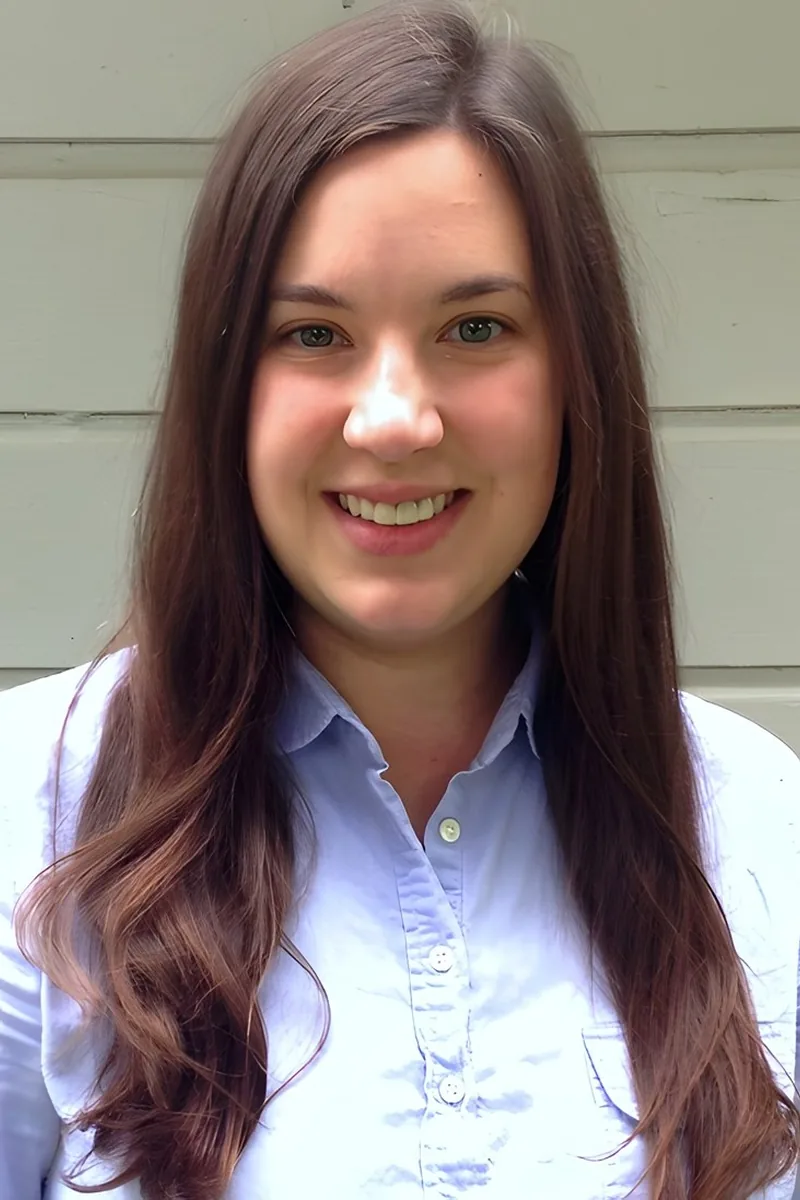
Teaching literature courses at UVA and the North Carolina Governor's School gave Anna a front-row seat to the exact skills AP Lit demands: reading a poem or passage cold, identifying how literary devices generate meaning, and building an argument about it under time pressure. Her dissertation on 20th-century American fiction means she's deeply familiar with the novels and movements that frequently appear on the exam. She treats literary analysis as a learnable craft, not an innate talent.
AP English Lit asks students to do something genuinely difficult: write a persuasive literary argument under timed conditions about a poem or passage they've never seen before. Paula's approach digs into close reading techniques — tracking imagery patterns, shifts in tone, narrative perspective — so that students walk into the exam knowing how to generate an original thesis on the spot. Her background in both Psychology and Communication Studies sharpens the way she unpacks character motivation and authorial intent.
AP Lit asks students to do something genuinely difficult: read a poem or prose passage cold and produce a polished analytical essay under time pressure. Merav's MFA in Theater Arts means she spent years dissecting dramatic texts for subtext, imagery, and structural choices — exactly the interpretive muscles this exam tests. She teaches students to build a thesis from a single, well-chosen literary device rather than summarizing plot.
A double background in English and philosophy makes David especially effective at teaching the kind of close reading AP Lit demands — pulling apart a poem's imagery, tracking a novel's thematic arc, and building a thesis under timed conditions. He digs into how literary devices function within a text, not just what they're called.
AP Lit asks students to do something genuinely difficult: read a poem or passage cold and produce a polished argument about how literary devices create meaning — all under time pressure. Caitlyn's linguistics background gives her a precise vocabulary for explaining how syntax, diction, and figurative language function in a text, which translates directly into stronger close-reading paragraphs. She digs into the mechanics of crafting a thesis that goes beyond plot summary.
AP Lit demands more than just reading novels — it asks students to construct timed essays that make precise claims about how authors use literary devices, structure, and tone. Elisabeth graduated summa cum laude from Georgia State's Psychology program, which sharpened her ability to analyze complex texts and argue a thesis under pressure. She teaches students to move from vague observations to the kind of specific, evidence-driven analysis that earns high marks on the exam.
AP Lit asks students to do something most English classes don't prepare them for: write a timed literary argument with zero outside sources. Akshadha teaches close-reading strategies — tracking imagery patterns, narrative voice shifts, and structural choices — that give students concrete evidence to build essays around. Her approach turns vague "theme" responses into precise, text-grounded analysis.
AP Lit asks students to do something most high schoolers haven't practiced: read a poem or prose passage cold and produce a polished analytical essay in forty minutes. Sylvan's film background sharpens his eye for narrative structure, symbolism, and tone — tools he applies to close-reading exercises that prepare students for both the multiple-choice and free-response sections.
AP Lit asks students to do something most find uncomfortable: defend an interpretation of a poem or novel passage with specific textual evidence, under time pressure. As a licensed attorney who argues from evidence for a living, Ryan unpacks how to build a thesis around literary devices like imagery, tone shifts, and narrative structure — then support it in a timed essay that actually earns high rubric scores.
AP English Literature asks students to do what Whitney has trained to do for over a decade: read a poem or prose passage closely, identify how literary devices create meaning, and write a timed analytical essay that actually argues something. Her MA in Writing and her experience teaching both high school and college English mean she can tackle everything from poetry explication to the open-ended essay with real depth. She treats each free-response prompt as a chance to sharpen a student's interpretive voice, not just check a rubric box.
Studying English Language and Literature at the University of Chicago means Davis spends his days doing exactly what the AP Lit exam tests — building interpretive arguments about how writers use language to create meaning, then defending those arguments with precise textual evidence. He brings that daily practice to teaching students how to read a poem or passage for its deeper mechanics rather than just its surface narrative. His comfort with both canonical and contemporary literature gives him range across the full-work essay question, where choosing the right novel and framing a sharp thesis makes all the difference.
Close reading is the backbone of AP Lit, and Elena's graduate training in art history taught her to analyze visual and written texts with the same forensic attention to detail. She teaches students to unpack poetic structure, narrative voice, and figurative language in ways that translate directly into high-scoring free-response essays. Her approach treats each passage like an artifact worth investigating, not just a prompt to answer.
AP Lit asks students to do something uncomfortable: defend an interpretation of a poem or passage they've never seen before, in forty minutes, with textual evidence. Cassandra approaches this as an analytical challenge, teaching students to identify literary devices like tone shifts and figurative language and then convert those observations into a coherent argument. Her science background actually sharpens this process — she treats close reading like hypothesis testing.
AP Lit's free-response questions reward students who can move beyond plot summary and build an argument about how literary devices shape meaning — a skill that takes practice with close reading and thesis construction. Emerson scored a 1560 on the SAT and studied at the University of Chicago, where rigorous textual analysis is woven into nearly every course. Rated 5.0 by students, he brings that analytical precision to poetry explication, prose passage work, and the open-ended essay.
AP Lit asks students to do something most haven't practiced — write analytically about how a poem's structure or a novel's narrative technique creates meaning, not just summarize plot. As a Yale humanities student and avid reader, Tessa digs into the close-reading skills that earn high marks on the poetry free-response and the open-ended essay. She's particularly sharp on teaching students to move from observation ('there's a metaphor here') to argument ('here's what it does and why it matters').
AP English Literature asks students to do exactly what Winnie was trained for: read a poem or prose passage cold and produce a sharp, thesis-driven essay under time constraints. Her comparative literature background means she can teach students to analyze imagery, narrative voice, and structural choices across traditions — from Victorian novels to postcolonial fiction — with the specificity the exam demands.
Poetry analysis is where Carla comes alive. Her deep background in English literature means she can teach students to unpack a Dickinson poem's slant rhyme or trace the symbolic architecture of a Toni Morrison novel — exactly the kind of close reading that earns high marks on AP Lit free-response essays. She also coaches students on managing the multiple-choice section's time pressure without sacrificing careful reading.
AP Lit asks students to do something genuinely difficult: read a poem or prose passage cold and produce a polished analytical essay under time pressure. Noelle unpacks literary devices like imagery, tone shifts, and narrative structure by showing how each one serves the author's larger argument — the kind of close reading that earns high marks on the free-response questions. Her love of reading and writing gives her a natural ear for the nuances the exam rewards.
AP English Lit asks students to do something genuinely difficult: read a poem or prose passage cold and produce a polished analytical essay under time pressure. Alex studied English and Theater at Bowdoin, which means he approaches texts through both literary close reading and the performative question of how language creates effect. He walks students through crafting thesis-driven essays that move beyond plot summary into real interpretive argument.
AP English Literature asks students to do something most haven't been trained for: write a polished literary argument under time pressure about a poem or passage they've never seen. Maddy wrote an honors thesis on art criticism at Harvard and spent years analyzing fiction, poetry, and Shakespeare — she teaches the close-reading instincts and essay structures that earn high scores on the free-response section.
AP Lit asks students to do something most high schoolers haven't practiced: read a poem or prose passage cold and immediately build an argument about how its literary devices create meaning. Jake tackles this by teaching close-reading techniques — tracking shifts in tone, identifying figurative patterns, and connecting formal choices to thematic claims — so the timed essay feels less like a scramble and more like a structured conversation with the text.
Hello, students! My name is Pranav, and I'm so excited to be tutoring with Varsity Tutors. I have vast experience tutoring both personally and professionally; I've held officer positions in several nonprofit organizations, including STEMpals and The Do Re Mi Project, teaching courses ranging from biology to music theory. I took 16 AP courses throughout high school with all 5s, and I earned a 1570 on my SAT, so I'm pretty familiar with the majority of academic subjects! I have experience tutoring any and all skill levels, and I'm always open to expanding my horizons, so please don't hesitate to book your first lesson. I'm looking forward to meeting with you!
Testimonials
Because the right AP English Literature and Composition tutor makes all the difference.
Average Session Rating – Based on 3.4M Learner Ratings
Practice AP English Literature and Composition
Free practice tests, flashcards, and AI tutoring for AP English Literature and Composition
Nearby AP English Literature and Composition Tutors
Other Atlanta Tutors
Related English Tutors in Atlanta
Frequently Asked Questions
Score improvement depends on your starting point and how actively you engage with tutoring. Many students see meaningful gains by focusing on the areas where they struggle most—whether that's analyzing poetry, understanding author's purpose, or managing time during the exam. A tutor can help you identify which essay types (argument, narrative, or personal narrative) are holding you back and develop targeted strategies to strengthen those skills. Consistent practice combined with personalized feedback typically yields the best results.
Each essay requires a different skill set. The poetry analysis essay rewards close reading and understanding literary devices; the prose analysis essay tests your ability to examine how an author builds meaning; and the open-ended literary argument essay lets you choose your text but demands a clear, defensible thesis. The key across all three is spending your time wisely—roughly 40 minutes per essay allows time to read carefully, plan your response, and write with clarity. A tutor can help you develop a reliable essay structure, practice under timed conditions, and learn which literary concepts to emphasize for maximum impact.
Multiple choice success comes down to careful reading and understanding question formats. Many students rush through the passages and miss nuance—authors' tone, irony, and implicit meaning matter as much as explicit content. The exam rewards precision: you need to identify not just what happens, but how and why it's written that way. Practice tests are essential here; they help you see patterns in what the test makers ask and build speed without sacrificing accuracy. A tutor can teach you strategies like annotating as you read, eliminating obviously wrong answers, and recognizing common question traps.
Yes. Tutors connecting with Varsity Tutors are experienced with AP English Literature and Composition coursework as taught across Georgia's school districts, including the 19 districts throughout Atlanta. They understand both the AP curriculum framework and how Georgia educators typically scaffold the course. This means they can work with you on exactly what your class covers while also preparing you for the specific demands of the AP exam—which includes close reading, rhetorical analysis, and literary argument skills emphasized statewide.
Pacing is one of the biggest challenges students face on AP English Literature. You have roughly 8-10 minutes per passage to read, annotate, and answer 4-5 questions—and you can't afford to reread everything. The solution is strategic annotation: mark shifts in tone, key literary devices, and the author's purpose as you read the first time. Then when you hit a tricky question, you already know where to look. A tutor can teach you annotation techniques specific to poetry vs. prose, help you practice with real AP passages under timed conditions, and build your confidence so anxiety doesn't slow you down further.
The AP exam focuses on how authors use language and structure to create meaning, so you need to recognize devices like imagery, metaphor, allusion, foreshadowing, point of view, and tone—but more importantly, you need to explain why an author uses them. The test prioritizes understanding rhetorical choices and their effect rather than memorizing device names. You should also be comfortable with concepts like characterization, symbolism, and theme. A tutor can help you move beyond definition-level knowledge to actual analysis: analyzing a poem or passage and explaining how specific word choices or structural decisions shape the reader's experience.
The ideal approach depends on when you start and your current skill level. If you're working toward the exam in May, consistent weekly sessions (1-2 hours) spread over several months allows time to build close reading skills, practice essays under timed conditions, and review weak areas before test day. Many students benefit from increasing frequency in the final month. Between tutoring sessions, you should do regular practice: reading passages, timing yourself on essay practice, and working through past AP exam questions. A tutor can create a personalized study plan based on where you are now and help you stay accountable to it.
Let’s find your perfect tutor
Answer a few quick questions. We’ll recommend the right plan and match you with a top 5% tutor.