Award-Winning Microbiology Tutors
serving Detroit, MI
Microbiology
Tutors in Detroit
Private 1-on-1 tutoring, weekly live classes for academic support, test prep & enrichment, practice tests and diagnostics, and more to elevate grades and test scores.
Based on 3.4M Learner Ratings
UniversitiesSchools & Universities
DeliveredHours Delivered
ProficiencyGrowth in Proficiency
Who needs tutoring?
No obligation. Takes ~1 minute.
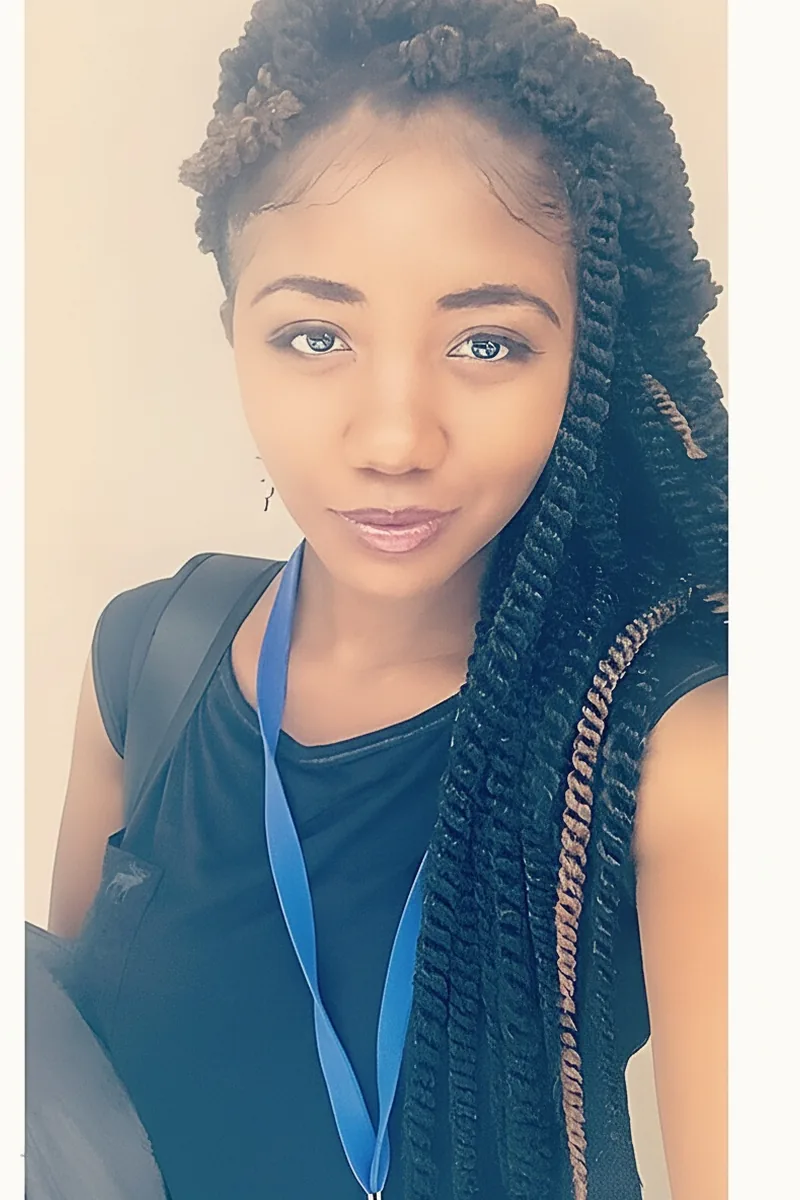
Studying neuroscience at Dartmouth meant spending serious time with bacterial cell structure, viral replication cycles, and immune response pathways — exactly the material that defines a microbiology course. Arianna digs into topics like gram staining logic, metabolic diversity in prokaryotes, and how antibiotic resistance develops at the molecular level. She connects each concept back to real clinical and research contexts that make the detail-heavy content easier to retain.
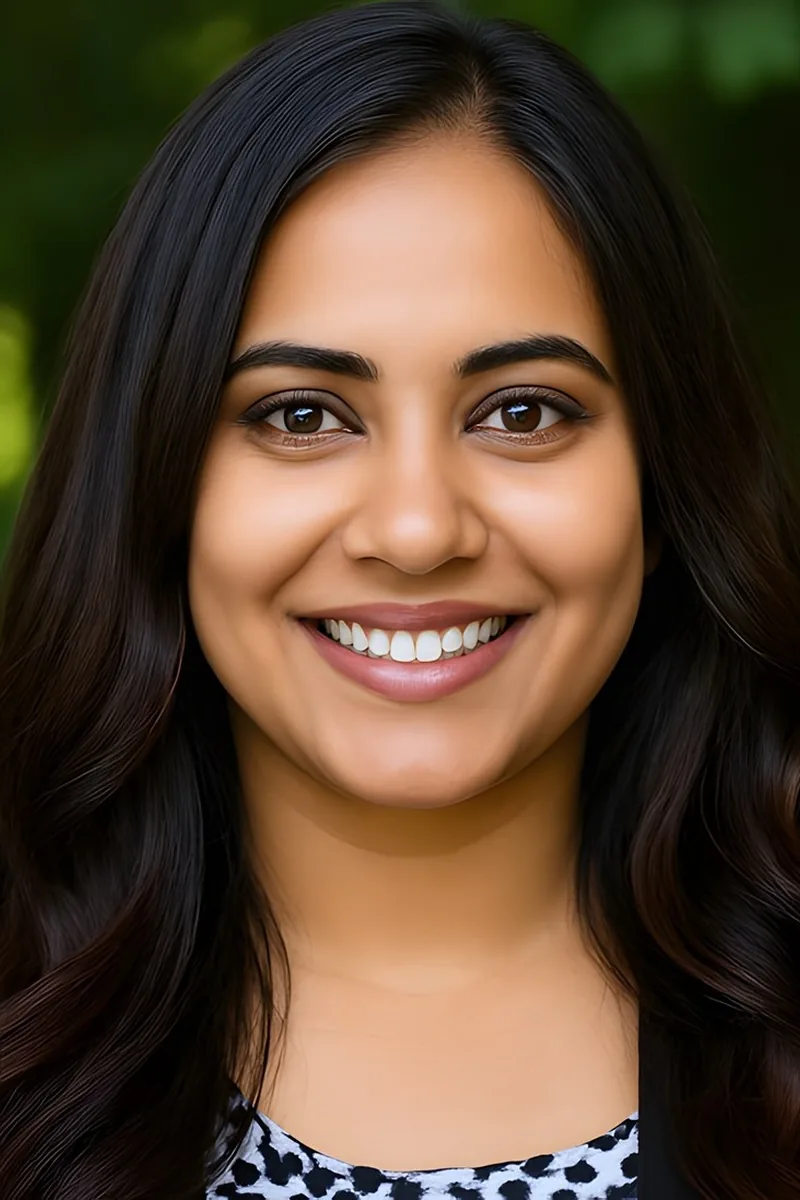
Earning a Bachelor of Science in Microbiology from Arizona State's Honors College, Surina spent years immersed in bacterial genetics, virology, immunology, and lab techniques that most tutors only know from a textbook chapter. She explains concepts like gram staining, microbial metabolism, and pathogenesis by tying them to clinical and real-world scenarios — an instinct sharpened by her current dental training at the University of Michigan. Rated 5.0 by students.
Memorizing bacterial species, Gram stain results, and virulence factors can feel endless without a framework to organize it all. Macklin, currently a third-year medical student, learns microbiology the way clinicians use it — grouping organisms by mechanism of pathogenesis, transmission route, and treatment — which turns a wall of facts into logical categories. He brings that clinical structure directly into tutoring sessions.
I am passionate about. Throughout my education, even in elementary school, I would love helping my friends do better in their schooling, whether that be by just answering a few questions they had, some one-on-one time, or a group study session.
I have eight years of experience teaching and tutoring Science, Math, and English to students ranging from middle school to college. I graduated with my PhD in Molecular Biology/Microbiology in 2020 from Wayne State University. During my graduate studies I taught undergraduate Introductory Biology Labs. I also served as a lead lecturer for Microbiology for one semester. Prior to graduate school, I received my BSc in Biology from University of Michigan, Dearborn in 2014. During my undergraduate studies, I tutored peers primarily in Biology and English courses. I also taught swim lessons to children of all ages for 5 years. I have worked with several ESL students, especially in English, Reading, and Writing. I also worked extensively with a peer who was visually impaired, which allowed me to come up with creative teaching strategies, such as building a cardboard model of a cell instead of looking at a cell through a microscope. Additionally, I have a 4-year old son with autism, have a deep understanding of his learning struggles, and have learned a wide variety of strategies to help him learn at his full potential. Thank you for taking the time to read about by background; I am excited to begin working with you!
I am eternally grateful! I minored in Chemistry after getting interested in the inner workings of organic chemistry. While going to college I earned money by tutoring classes I had already taken. I also offered "supplemental instruction" which were informal classroom question and answer sessions. I worked in a research lab after earning an undergraduate research fellowship and explored Physiology at the School of Medicine. Then went on to study Toxicology at the University of Wisconsin, Madison. While there a decision appeared clear between focusing on research or teaching. I like teaching better. I truly enjoy spreading knowledge about Biology and Chemistry and finding fun ways to introduce people to these (often difficult) subjects.
Studying microbiology at the college level means juggling bacterial classification, metabolic pathways, virulence factors, and immune response mechanisms all at once. Kristin earned her biology degree at the University of Chicago and now applies microbiology daily in her nursing graduate program at Penn, where pathogen behavior and infection control are part of clinical reality rather than just textbook diagrams.
Bioengineering trains you to think about microorganisms as systems — how bacterial metabolism, gene regulation, and surface interactions can be modeled, measured, and manipulated. Casey applies that engineering mindset to microbiology topics like growth kinetics and sterilization techniques, breaking down each process into the quantitative and biological components that actually explain it. Her parallel background in physiology and organic chemistry lets her trace microbial behavior from the molecular scale up to host-level effects.
Few tutors have a dedicated microbiology credential — Felix earned an Associate in Science specifically in microbiology and taught biology at the university level as a TA. He digs into bacterial morphology, staining techniques, metabolic pathways, and microbial genetics with the kind of detail that lecture halls often gloss over. Whether it's understanding biofilm formation or interpreting antibiotic susceptibility results, he connects lab concepts to the underlying theory.
Between his biochemistry degree from Rice and his medical school training, Sanjay has spent years immersed in the microbial world — bacterial cell structure, pathogenic mechanisms, antimicrobial resistance, and the metabolic pathways that distinguish different organisms. He connects microbiology concepts to clinical scenarios, which makes memorizing genera, gram stain results, and virulence factors far more intuitive.
The IB Biology program — both SL and HL — drills deep into microbial topics like cell theory, pathogen classification, and antibiotic resistance, and Kinjal completed that rigorous track before earning her biology degree at Texas A&M. That combination means she can walk through bacterial structure, microbial metabolism, and host-pathogen dynamics with the kind of layered understanding that comes from studying the material twice at increasing depth. Rated 5.0 by students.
Medical school at Penn's Perelman School of Medicine gave Daniel hands-on exposure to microbiology that goes well beyond a standard textbook — from bacterial virulence factors to antibiotic resistance mechanisms to the clinical presentations they produce. He connects microbial physiology to real infectious disease scenarios, which makes distinguishing gram-positive from gram-negative organisms or understanding viral replication cycles far more intuitive.
Between her molecular biology degree and her current biomedical science graduate program, Sierra has spent years working with bacterial physiology, microbial genetics, and host-pathogen interactions. She explains dense topics like gram staining protocols, metabolic pathways, and antimicrobial resistance mechanisms by tying them back to real clinical and research scenarios that make the material stick.
A Stanford-trained biologist, Abhinav digs into microbiology topics like bacterial cell structure, metabolic pathways, and host-pathogen interactions with the detail they demand. He connects concepts across scales — linking molecular mechanisms like quorum sensing to broader outcomes like biofilm formation — so students see microbiology as a story rather than a catalog of organisms.
Medical school gave Kruti an unusually practical understanding of microbiology — she learned bacteria, viruses, fungi, and parasites not as abstract taxonomy but as organisms that cause specific diseases through specific mechanisms. She digs into concepts like virulence factors, antibiotic resistance pathways, and immune evasion strategies with the kind of detail that sticks. Students preparing for college-level micro exams or USMLE-style questions get someone who's recently navigated both.
Understanding microbiology means keeping dozens of organisms, metabolic pathways, and virulence mechanisms straight — and knowing when the differences actually matter. Jonathan's human biology training and pre-med preparation at Cornell gave him a clinical lens for bacterial genetics, host-pathogen interactions, and antimicrobial resistance that makes the material more intuitive than rote flashcard review.
A Harvard-trained biologist with classroom teaching experience, Elizabeth digs into microbial structure, metabolism, and pathogenesis with genuine enthusiasm for the subject. She's particularly strong at connecting micro-level processes — bacterial gene regulation, viral replication cycles — to the bigger biological picture. Her science teaching background means she can unpack dense material without losing the thread.
I'm a current medical student at VCU School of Medicine, and a graduate of Johns Hopkins University. I received my Bachelor of Science in Molecular and Cellular Biology. I've had the pleasure of tutoring a diverse range of students for 5 years; while I tutor a broad set of subjects, I'm most passionate about biology, psychology, and chemistry. I'm a big proponent of ensuring understanding over memorization and teaching concepts that last for years to come (particularly for other students interested in medicine!) In my free time, I love to write poetry, edit essays, and gush about game writing with friends.
Testimonials
Because the right Microbiology tutor makes all the difference.
Average Session Rating – Based on 3.4M Learner Ratings
Other Detroit Tutors
Related Science Tutors in Detroit
Frequently Asked Questions
Microbiology courses generally cover cell structure and function, bacterial morphology and classification, viral structure and replication, fungi and parasites, and microbial genetics. Advanced courses dive into microbial metabolism, pathogenesis, immunology, and applied microbiology in areas like food safety and environmental science. For students in Detroit taking these courses, personalized tutoring can help clarify how these microscopic organisms connect to real-world applications—from antibiotic resistance to water treatment—making abstract concepts more concrete and memorable.
Microbiology labs require both technical skill and conceptual understanding—from proper aseptic technique to interpreting staining results and analyzing bacterial growth patterns. Tutors can help you understand the "why" behind each procedure, prepare for lab reports, troubleshoot unexpected results, and connect lab observations to theory. For students in Detroit working through challenging experiments like gram staining or culture identification, a tutor can break down the scientific method step-by-step and help you develop the critical thinking skills needed to design experiments independently.
Microbiology deals with organisms and structures far too small to see with the naked eye, making it difficult to build mental models of how bacteria reproduce, how viruses infect cells, or how immune responses work at the molecular level. Expert tutors help by using diagrams, animations, analogies, and real-world examples to make these invisible processes tangible. Breaking down complex processes like DNA replication or the lytic cycle into step-by-step explanations—and asking you to explain concepts back in your own words—builds the deeper understanding needed for both exams and actual microbiology practice.
Effective microbiology learning is about understanding mechanisms, not just memorizing facts. You need to know key concepts—like how bacterial cell walls differ from eukaryotic ones and why that matters for antibiotics—but memorizing every species name or metabolic pathway isn't practical or useful. Tutors help you identify what's essential to know cold versus what you should understand conceptually, and teach you how to reason through problems you haven't seen before. This approach is especially valuable in microbiology, where understanding the underlying principles lets you apply knowledge to new pathogens, resistance mechanisms, or clinical scenarios.
Students often struggle with understanding bacterial genetics and gene expression, grasping viral replication cycles, visualizing immune system responses, and connecting microbiology to disease pathogenesis. Unit conversions (like calculating bacterial concentration from dilutions) and interpreting microscopy images also trip up many learners. Personalized tutoring addresses these pain points by using targeted practice, visual aids, and real-world medical or environmental applications to make concepts stick. With Detroit's strong medical and research institutions, tutors can sometimes connect these concepts to local examples that resonate with your interests.
Effective exam prep goes beyond reviewing notes—it requires practicing retrieval (answering questions without looking at answers), spaced repetition over time, and taking full-length practice tests under timed conditions. For microbiology specifically, focus on understanding mechanisms first, then practice applying that knowledge to clinical scenarios, case studies, or novel organisms. Tutors can provide targeted feedback on where your understanding breaks down, help you identify high-yield topics, and teach test-taking strategies specific to how microbiology questions are asked. Starting prep several weeks in advance with consistent study beats cramming every time.
Look for tutors with strong credentials in microbiology or related sciences (biology, biochemistry, or medical training), classroom teaching experience, and the ability to explain complex concepts in clear, relatable ways. Your ideal tutor should be able to connect theory to real-world applications, guide your thinking rather than just giving answers, and adjust their teaching style to match how you learn best. Varsity Tutors connects you with expert tutors for students in Detroit who have the subject expertise and teaching experience to accelerate your progress, whether you're taking a high school biology elective, a college course, or preparing for professional licensing exams.
Let’s find your perfect tutor
Answer a few quick questions. We’ll recommend the right plan and match you with a top 5% tutor.