Award-Winning AP Pre-Calculus Tutors
serving Minneapolis, MN
AP Pre-Calculus
Tutors in Minneapolis
Private 1-on-1 tutoring, weekly live classes for academic support, test prep & enrichment, practice tests and diagnostics, and more to elevate grades and test scores.
Based on 3.4M Learner Ratings
UniversitiesSchools & Universities
DeliveredHours Delivered
ProficiencyGrowth in Proficiency
Who needs tutoring?
No obligation. Takes ~1 minute.
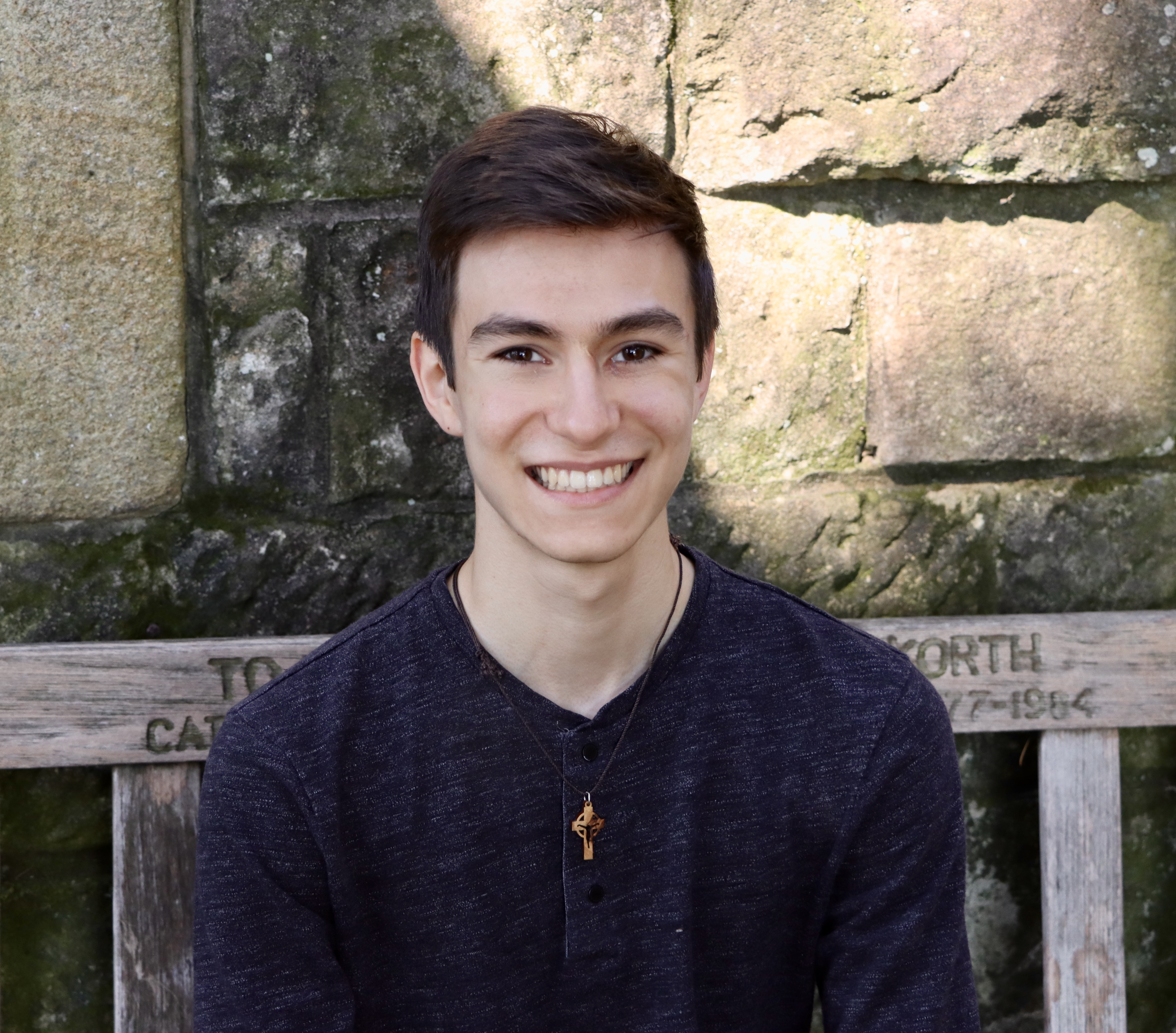
Hi! My name is Oscar, and I grew up in Washington, DC. I attended St. Olaf College and graduated Magna Cum Laude with a degree in mathematics in 2023. That year I started tutoring students online and I now have two years of post-college tutoring experience. Math is a subject many students find stressful or intimidating. It might make them anxious, or math might be their least favorite class, or both! No matter where a student is coming from, my goal is to create a low-stress environment where he or she feels comfortable making mistakes and asking questions. I've worked with students from elementary school through college, often on Algebra or Algebra 2. I've helped students improve grades, understand tough homework and class concepts, prepare for the SAT and Regents exams, and get ahead by teaching future material.
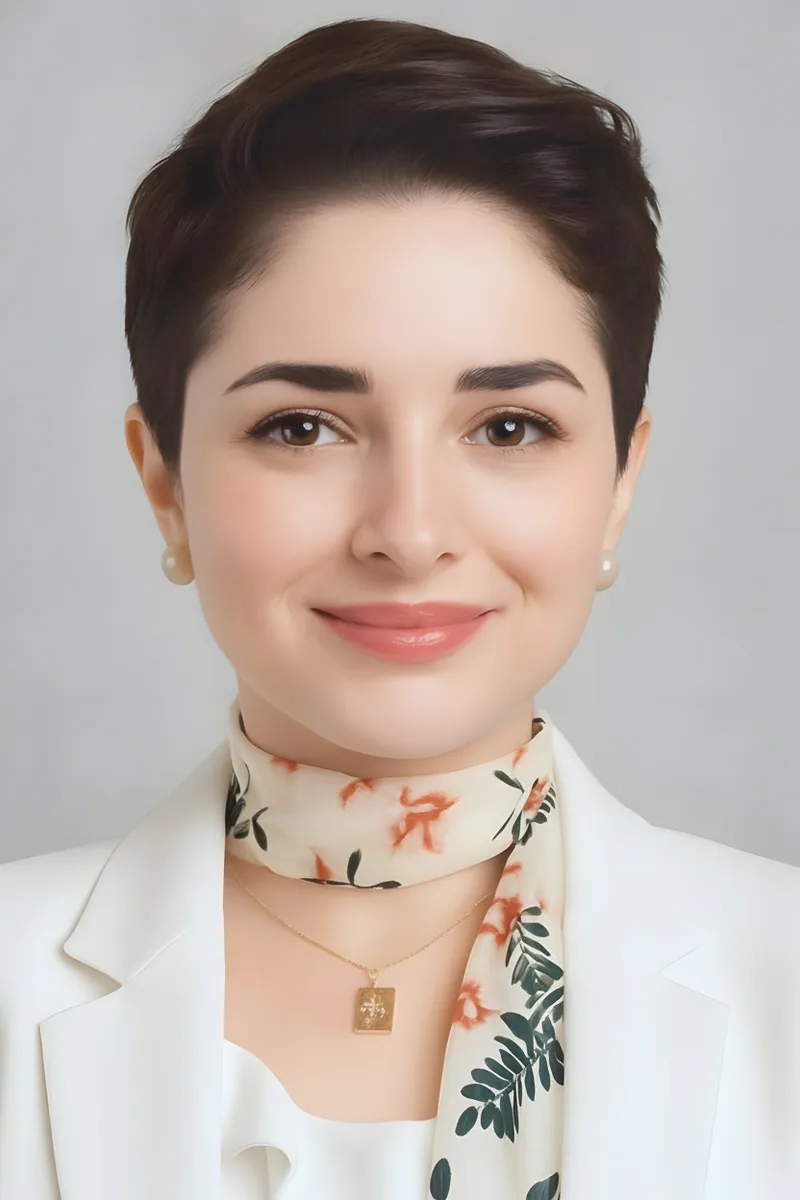
I have a Master's degree in Chemical Engineering, with additional graduate studies in Chemical Engineering and Computer Science, and over 10 years of experience teaching and tutoring STEM subjects. I work with students of different ages, backgrounds, and learning styles in mathematics, physics, chemistry, and related subjects. I believe the best tutoring starts with understanding how each student thinks. My goal is to identify where a concept becomes unclear, explain it from the student's perspective, and help them build both understanding and confidence. I want my students to learn not just how to find the right answer, but why it is the right answer and how to approach similar problems independently. I believe there is always learning in teaching, and that is one of the reasons I continue to enjoy working with students after all these years.
I am excited to help students further their education through tutoring. I believe that any student can succeed as long as they are given access to a teaching style that they understand, and that is what I am striving to provide.
When I was in high school, I remember seeing the joy of my math teachers when they would teach in class. This inspired me to become a high school math teacher. The first step was becoming a peer tutor to my classmates. This lead to tutoring math to college students. Then tutoring students while working as a TA. Then I worked as a data scientist which not only did I understand more how to apply math in the workspace, but also learned how to explain math concepts to coworkers without a strong math background. This helped me to shape my tutoring philosophy to relate to the person being tutored and this opened the door to me teaching high school calculus 1 & calculus 2! I am currently teaching precalculus at a community college.
I am a graduate of Rice University with a Bachelor of Science in Physics, a Bachelors of Arts in Philosophy, and a minor in Neuroscience. My previous tutoring experiences have primarily focused on college level physics, math, and chemistry; AP Calculus, AP Physics, and AP Chemistry; the ACT and SAT college entrance exams; general mathematics at the high school level; and middle school level math and english for state standardized testing. Additionally, I have experience working with students with learning differences including dyslexia, ADHD, and ASD. As someone who loves learning, I am a firm believer in making our meetings enjoyable as well as educational. STEM subjects in particular have the reputation for being boring and complicated, but I love that as a tutor I can help students make sense of the topics and find the fun!
I am a career Mathematics teacher, specializing in IB AA and AI, both at the SL and HL levels. If I have to sum up my professional life, I would say the following about my experience: Examiner with the International Baccalaureate Organization (IBO) for Higher Level (AA) Mathematics. Massachusetts State Teaching Certification: Licensed to teach Mathematics (6-12). Massachusetts State Teaching Certification: Licensed to teach Physics. Training: IB (Physics), IT (Industry). MBA in Finance. BS in Pure and Applied Mathematics. Diverse Classroom Experience spanning over 30 years teaching in USA, China, UAE, Qatar, Syria and Egypt within the IB (Analysis and Approaches as well as Applications and Interpretations), IGCSE and US HS (including AP) Diploma curricula. Multilingual capability with fluency in English and Urdu, and in Hindi. Familiarity with various world cultures and their values; well- traveled in Far East, South Asia, Middle East, North Africa, Europe and North America. I will be most happy to expand on any of the above as needed.
Hi! I love to help students with the subject I love most: Math. I find joy in finding patterns, providing explanation in the world around me, and above all else, learning something new. I have my Bachelor's Degree in Mathematics (concentration in Statistics) at the University of Texas Rio Grande Valley. I've tutored virtually every high school/introductory college course available for about 4 years, from Algebra I to Calculus (I , II , III) to Introductory Statistics. I believe in not only teaching how to solve a problem, but making sure that a student truly understands *why* a given method works. Instead of just learning how to drive the metaphorical car, I show the student what happens under the hood. This philosophy has resulted in every single one of my students not only improving their scores, but more importantly attaining an underlying confidence in the subject material.
Mechanical engineering at UT means Yucheng works with polynomial, exponential, and trigonometric models in applied settings — designing systems where function behavior isn't abstract but determines whether something actually works. He brings that practical lens to AP Pre-Calculus, breaking down the course's modeling and rate-of-change questions so students see the reasoning the exam rewards. Rated 4.9 by students.
Having earned a BS in Biology with High Honors from New Mexico State, Kayley knows the math-science pipeline firsthand — AP Pre-Calculus concepts like exponential growth models and trigonometric cycles showed up constantly in her genetics and ecology coursework. She leans into that cross-disciplinary angle, using real biological scenarios to make abstract function behavior feel concrete. Her approach zeroes in on building the graphical intuition the AP framework rewards, especially around transformations and end behavior.
As a dedicated tutor with over 7 years of experience, I hold a Bachelor's degree in Biophysics from UCLA as well as a M.S. in Medical Science from Baylor University which underpins my expertise in subjects like AP Biology, AP Calculus BC, and College Physics. My teaching philosophy centers on fostering a supportive and engaging learning environment where students feel comfortable exploring complex concepts. I am passionate about helping students achieve their academic goals and develop a genuine interest in the sciences and mathematics. I strive to connect with each student individually, tailoring my approach to their unique learning styles and needs. I love inspiring the next "Aha" moment in my students and helping them not only succeed in their classes but build a deeper appreciation and passion for the material. Outside of tutoring, I enjoy hiking and reading, which helps me bring real-world context into my lessons, making learning both relevant and enjoyable.
Unlock your academic potential with a tutor who bridges the gap between elite performance and foundational mastery. As a National AP Scholar with advanced coursework in Multivariable Calculus and Data Structures, I bring high-level expertise to your studies. Whether you are tackling complex algorithms or advanced math, I provide the precise guidance you need to excel. My experience at Kumon and Mathnasium taught me that even the most complex goals start with strong basics. I believe in both individual learning as well learning through guided practice, so whatever your way to learn I can accomodate to help you do the very best.
Hello! My name is AJ Eustace. I have five years of private tutoring experience working with students from middle school through college. I graduated from the University of Virginia with a double major in Statistics and Economics, and I'm currently enrolled in a Master of Social Work program at Ohio State. I specialize in helping students succeed in their math courses, particularly in algebra, geometry, and pre-calculus.
As a passionate tutor with a Master's degree in Computer Science from the University of Ottawa, I have over 2 years of experience in teaching Python. My approach focuses on fostering a supportive learning environment where students feel empowered to explore concepts and ask questions. I believe in tailoring my teaching methods to meet each student's unique learning style, ensuring they grasp the material thoroughly. I am motivated by the joy of seeing my students achieve their goals and develop a love for programming. In my free time, I enjoy exploring new technologies and engaging in coding challenges, which further enrich my tutoring sessions.
Testimonials
Because the right AP Pre-Calculus tutor makes all the difference.
Average Session Rating – Based on 3.4M Learner Ratings
Nearby AP Pre-Calculus Tutors
Other Minneapolis Tutors
Related Math Tutors in Minneapolis
Frequently Asked Questions
AP Pre-Calculus covers polynomial and rational functions, exponential and logarithmic functions, trigonometry, sequences and series, and parametric equations. Students in Minneapolis commonly find trigonometric identities and function transformations challenging, particularly when they require connecting multiple concepts. These topics often feel abstract without concrete visualization and practice, which is why personalized instruction can help clarify the connections between concepts and build confidence.
Most students benefit from consistent, weekly tutoring sessions combined with independent practice. The ideal frequency depends on your current math level and test date—students starting 4-6 months before the exam typically see meaningful improvement with one to two sessions per week. Your tutoring plan should balance addressing weak areas with reinforcing foundational skills, so you're building confidence alongside mastery. A tutor can help you develop a realistic study schedule that fits your other commitments.
AP Pre-Calculus is designed to prepare you for the AP exam and moves at a faster pace with greater depth on function analysis and problem-solving. Regular Pre-Calculus covers foundational concepts without the AP exam focus or the rigorous practice with multiple-choice and free-response question formats. If you're enrolled in AP Pre-Calculus, tutoring should include practice with actual AP question types and exam timing strategies, not just content review.
The best approach is to take a full-length practice test under exam conditions and analyze your results by topic. This reveals patterns—whether you're missing questions on specific functions, struggle with pacing, or make careless errors under time pressure. Tutors can help you interpret these results and prioritize what to study, ensuring your remaining prep time targets your actual weak spots rather than topics you've already mastered.
Test anxiety often stems from uncertainty about the material or unfamiliarity with the exam format. Regular practice tests, strategic review of past mistakes, and learning test-taking techniques (like pacing and problem-solving strategies) can significantly reduce anxiety. Working with a tutor gives you someone to process concerns with and helps you develop a pre-exam routine that reinforces your preparation, so you feel ready and in control when test day arrives.
Personalized tutoring focuses on your specific gaps and learning style rather than generic review. A tutor will assess your strengths and weaknesses, explain concepts in ways that click for you, and provide targeted practice on the topics where you struggle most. You'll also learn test-taking strategies, work through practice questions similar to the actual exam, and build the confidence that comes from truly understanding the material.
Ideally, start tutoring at least 3-4 months before the AP exam in May, which means beginning in January or February. This timeframe allows you to address foundational gaps, build deeper understanding of complex topics, and complete multiple practice tests to refine your exam strategy. If your exam is sooner, starting immediately still makes a difference—even a few focused weeks of tutoring can help you tackle your biggest weak spots and improve your pacing.
Let’s find your perfect tutor
Answer a few quick questions. We’ll recommend the right plan and match you with a top 5% tutor.