Award-Winning AP Spanish Literature and Culture Tutors
serving Charlotte, NC
AP Spanish Literature and Culture
Tutors in Charlotte
Private 1-on-1 tutoring, weekly live classes for academic support, test prep & enrichment, practice tests and diagnostics, and more to elevate grades and test scores.
Based on 3.4M Learner Ratings
UniversitiesSchools & Universities
DeliveredHours Delivered
ProficiencyGrowth in Proficiency
Who needs tutoring?
No obligation. Takes ~1 minute.
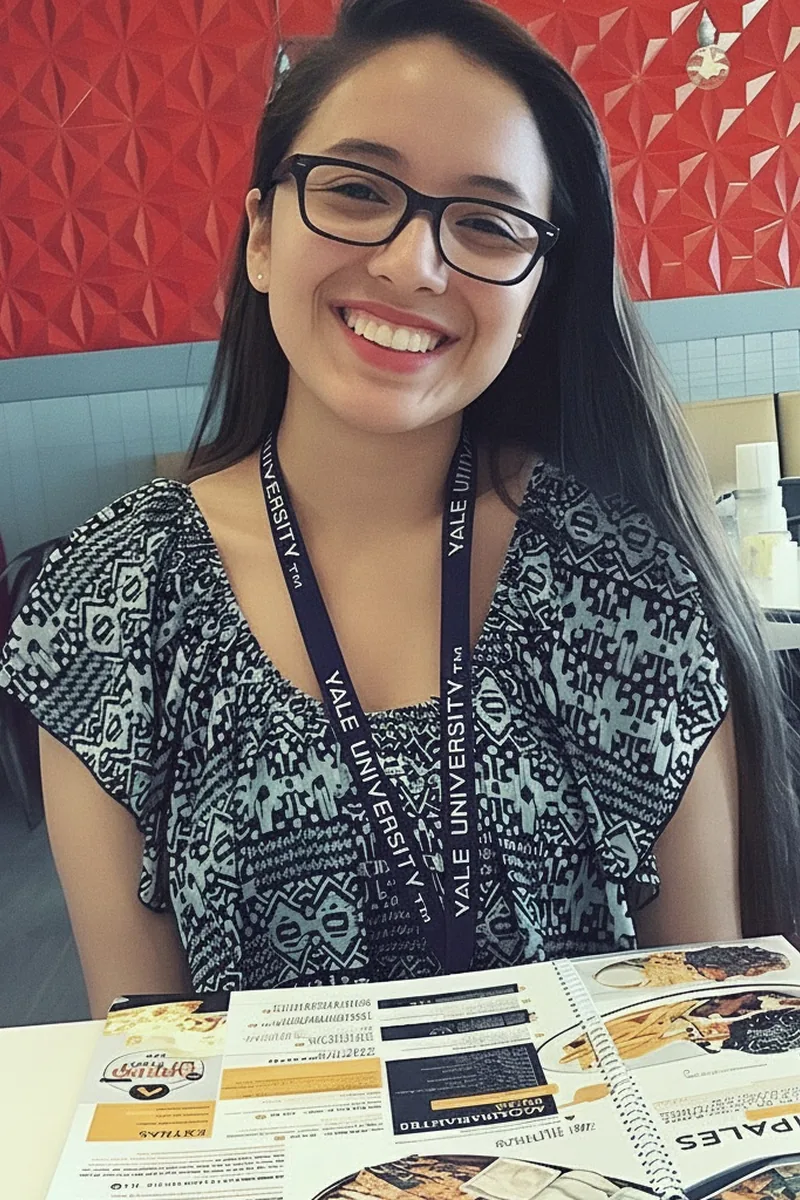
As a native Spanish speaker studying at Yale, Stephanie brings both cultural fluency and literary analysis skills to AP Spanish Literature and Culture — from close readings of García Márquez and Sor Juana to writing persuasive essays in Spanish about themes like "las sociedades en contacto." Her IB Diploma background means she's intimately familiar with the kind of rigorous textual analysis the AP exam demands. Rated 5.0 by students.
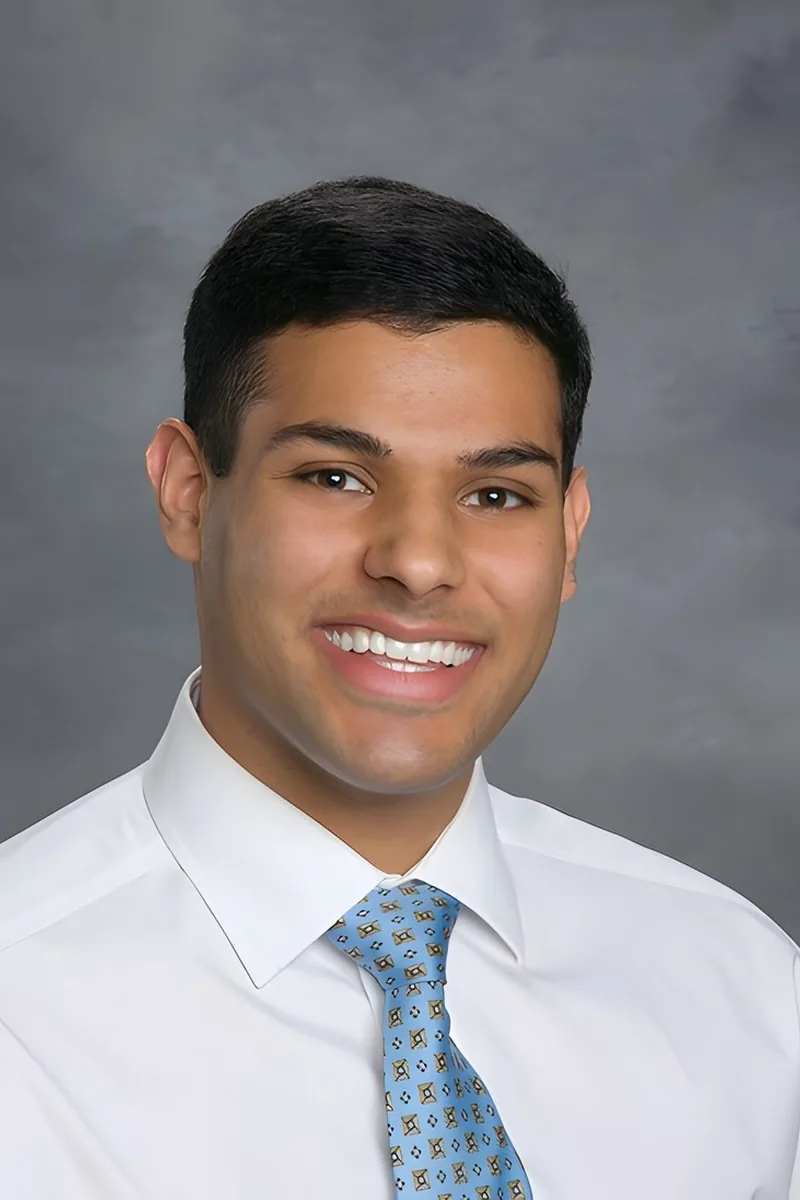
Learning Spanish from scratch starting in second grade and continuing through a medical Spanish interpreting internship at Rice, Sanjay knows exactly where non-native speakers stumble when reading dense literary texts — the archaic syntax in a Cervantes passage or the layered metaphor in a Darío poem. That outsider-turned-fluent trajectory gives him a toolbox of strategies for breaking down AP reading list works into manageable pieces, especially for students who feel intimidated writing timed analytical essays entirely in Spanish. His biochemistry and molecular biology degree from Rice also means he's no stranger to rigorous close reading across disciplines.
Growing up as a native Spanish speaker and completing AP Spanish Literature coursework through the IB program, Solange reads and analyzes texts by authors like Cervantes and Borges in their original language without defaulting to English translation as a bridge. She teaches students to move between close reading of poetic form and constructing timed analytical essays — the exact skill set the exam's free-response section rewards. Rated 5.0 by students.
Pre-med and AP Spanish Literature don't seem like natural companions, but Franshesca's coursework across all levels of Spanish — from introductory through AP — means she's built the language proficiency needed to read and discuss reading list texts in Spanish. Her science-trained habit of methodical analysis carries over surprisingly well to breaking down how a poet structures an argument or how a narrator's choices reveal theme, and she coaches students on organizing timed essays with that same precision. Rated 4.8 by students.
Richard's engineering background at the University of Tulsa might seem far from literary analysis, but his Spanish coursework through advanced levels and his instinct for systematic problem-solving give him a practical angle on the AP exam's timed essays — particularly breaking a prompt into a clear thesis, supporting claims, and organizing evidence under pressure. He's upfront that this isn't his deepest subject, so he's best suited for students who already read comfortably in Spanish and need help with the structural mechanics of constructing analytical arguments on exam day.
AP Spanish Literature and Culture asks students to analyze works from Cervantes to García Márquez in the target language — a challenge that demands both literary skill and genuine fluency. Philip is a fluent Spanish speaker who has also tutored the language at Carnegie Mellon for over a year, so he can unpack themes like "las sociedades en contacto" and rhetorical devices without defaulting to English. He teaches students to write analytical commentary in Spanish that earns top marks on the free-response sections.
Double-majoring in English and Spanish at Butler — with a history minor and honors program work — meant Darby spent four years reading literature through both linguistic and cultural lenses simultaneously, a habit that translates directly to analyzing AP reading list texts where literary movements cross national and language boundaries. She teaches essay construction in Spanish with a creative writer's attention to how an author's formal choices (imagery, tone, narrative voice) carry argumentative weight in timed free-response writing. Rated 5.0 by students.
Studying psychology alongside Spanish through AP-level coursework gives Marissa a particular angle on the reading list's most character-driven texts — she's sharp at teaching students how to articulate a character's internal conflict or a poet's emotional logic in timed analytical essays written entirely in Spanish. Her 35 ACT reflects the kind of disciplined, evidence-based reasoning she brings to constructing thesis statements and weaving in textual support under exam pressure.
Margaret's psychology training gives her a specific angle on AP reading list texts — she teaches students to analyze how authors construct identity, trauma, and power dynamics in works by Burgos, Quiroga, and others, building the kind of psychologically grounded arguments that stand out in timed free-response essays. Her Spanish coursework through AP-level and her 1550 SAT sharpen the analytical reading and structured writing skills the exam demands, even if literature isn't her primary lane.
Growing up as a native speaker of Spanish and Galician — two languages with deeply intertwined literary traditions — Andrea brings an intuitive ear for the register shifts, regional idioms, and poetic rhythms that surface in AP reading list texts from both Peninsular and Latin American canons. Her International Relations studies at Princeton, paired with a certificate in Spanish, trained her to read literature through the political and social forces behind it, which strengthens the kind of culturally grounded essay arguments the free-response section rewards. Rated 5.0 by students.
Analytical chemistry and Spanish literature sound worlds apart, but Hannahlore's 35 ACT and 5.0 rating reflect the same precise, evidence-driven thinking that timed AP literary essays demand — identifying a pattern in a text and building a structured argument around it, much like interpreting data in a lab. For students who already have strong Spanish language skills and need coaching on the mechanics of constructing a thesis, selecting textual evidence, and writing a coherent analytical essay under time pressure, her systematic approach translates effectively to the free-response format.
A double major in Spanish and Government means Sarah studied the language at an advanced level while also learning to build the kind of thesis-driven, evidence-based arguments that the AP exam's free-response essays demand. She's taught across every level of Spanish from introductory through AP Literature and Culture, so she knows exactly where students stumble — whether it's parsing Sor Juana's baroque syntax or structuring a timed essay on "el tiempo y el espacio" without slipping into summary. Rated 5.0 by students.
Testimonials
Because the right AP Spanish Literature and Culture tutor makes all the difference.
Average Session Rating – Based on 3.4M Learner Ratings
Nearby AP Spanish Literature and Culture Tutors
Other Charlotte Tutors
Related Languages Tutors in Charlotte
Frequently Asked Questions
The AP Spanish Literature and Culture exam tests your ability to read, analyze, and discuss Spanish-language literature across different time periods and regions. You'll encounter poetry, prose, drama, and essays, and you'll need to demonstrate comprehension, literary analysis skills, and cultural understanding. The exam includes multiple-choice questions, free-response essays, and a spoken component where you discuss and defend interpretations of texts.
A tutor can help you develop close-reading strategies specific to literary analysis, build vocabulary in context, and practice essay writing under timed conditions. Personalized 1-on-1 instruction allows a tutor to identify which literary periods, genres, or analytical skills need the most work, then tailor practice materials to strengthen those areas. This targeted approach is especially valuable for AP Spanish Literature, where cultural context and nuanced interpretation are just as important as language proficiency.
Many students struggle with the pace of reading complex literary texts in Spanish—especially older works with unfamiliar vocabulary and cultural references. Understanding what examiners are looking for in literary analysis essays is another common challenge; students often summarize plot instead of analyzing theme, symbolism, or author's purpose. Time management during the exam is also critical, since you need to read passages carefully, answer multiple-choice questions, and write coherent essays within the allotted time.
Score improvement depends on your starting point and how consistently you apply strategies learned in tutoring sessions. Students who work with a tutor to identify weak areas—whether that's analyzing certain literary devices, managing essay timing, or building cultural knowledge—typically see meaningful gains by focusing practice on those specific skills. Most students benefit from starting tutoring 2-3 months before the exam to allow time for strategy development and repeated practice with authentic AP materials.
Effective AP Spanish Literature essays require you to make a clear argument about a text and support it with specific evidence—not just describe what happens. A tutor can teach you how to quickly identify the prompt's focus, plan your response with a thesis statement, and structure paragraphs around textual evidence. Practicing timed essays with feedback is crucial; you'll learn to write coherently under pressure while maintaining grammatical accuracy and using sophisticated vocabulary.
AP Spanish Literature and Culture isn't just about reading comprehension—it's about understanding how historical, social, and cultural contexts shape literature. Questions often ask you to connect a text to its time period, region, or cultural movement, so knowing the context helps you interpret symbolism, themes, and author's intent more accurately. A tutor can help you build this contextual knowledge alongside your reading skills, so you're prepared to discuss both the "what" and the "why" of Spanish-language literature.
Practice tests are most effective when you treat them like the real exam—take them under timed conditions without interruptions, then review every question you missed or found difficult. A tutor can help you analyze your practice test results to identify patterns: Are you struggling with certain genres, time periods, or question types? Do you run out of time on essays? Once you pinpoint weak areas, you can focus subsequent practice sessions on those specific skills rather than reviewing everything. Spacing out practice tests over several weeks also helps reinforce learning through repeated exposure.
Varsity Tutors connects you with expert tutors who specialize in AP Spanish Literature and Culture and understand the specific demands of this exam. When you reach out, you can share your current level, goals, and preferred schedule, and we'll match you with a tutor whose expertise aligns with your needs. Whether you're starting from scratch or fine-tuning your skills a few weeks before the exam, personalized instruction can be customized to fit your timeline and learning style.
Let’s find your perfect tutor
Answer a few quick questions. We’ll recommend the right plan and match you with a top 5% tutor.