Award-Winning Japanese Tutors
serving Charlotte, NC
Japanese
Tutors in Charlotte
Private 1-on-1 tutoring, weekly live classes for academic support, test prep & enrichment, practice tests and diagnostics, and more to elevate grades and test scores.
Based on 3.4M Learner Ratings
UniversitiesSchools & Universities
DeliveredHours Delivered
ProficiencyGrowth in Proficiency
Who needs tutoring?
No obligation. Takes ~1 minute.

Zhaleh is actively studying Japanese at Carnegie Mellon University, which means she's navigating the same kanji memorization strategies, grammar particle distinctions, and reading comprehension challenges her students face. She breaks down tricky structures like て-form conjugations and は vs. が usage in ways that make the logic behind the language click.
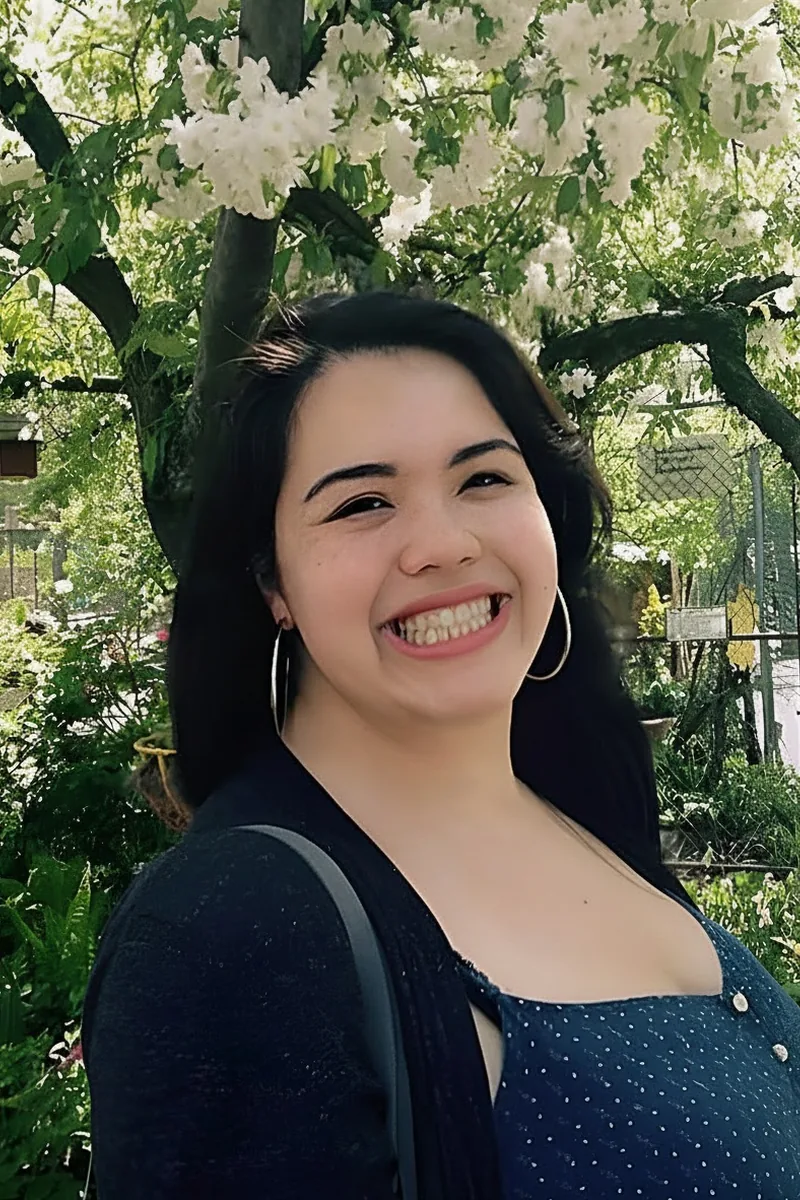
Though her degrees are in biology and science education, Sarah lists Japanese among her interests and brings a teacher's instinct for breaking complex systems into learnable parts — useful when students are wrestling with hiragana stroke order or the logic behind particle placement. Her 5.0 rating and four years of classroom teaching mean she knows how to pace a lesson and adjust when something isn't landing.
Earning a full bachelor's degree in Japanese — not just a minor or a few semesters — means Jina can teach well beyond survival phrases into kanji readings, grammar particles like は vs. が, and the nuances of keigo (formal speech). She brings the same analytical rigor from her science training to breaking down sentence structure and verb conjugation patterns.
Learning Japanese means juggling three writing systems, honorific levels, and grammar that works nothing like English — and Karen tackles all of it from firsthand experience using the language abroad. Whether a student is memorizing their first hundred kanji or practicing particle usage in complex sentences, she builds each lesson around practical communication skills.
A PhD in linguistics means Lewis doesn't just know languages — he understands how they work structurally, which is exactly what you need when Japanese throws you grammar that has zero English parallels. He applies that analytical framework to breaking down sentence-final particles, SOV word order, and the logic behind verb conjugation so the patterns become predictable rather than random. His experience teaching ESL/ELL also means he's practiced at bridging the gap between how English and non-European languages organize meaning.
I am a current student at the University of Vermont. I am completing two Bachelors in Linguistics and Japanese, and am a researcher for both departments. From high school to the present day I have tutored people my age and younger, and I have experience working with refugee/ELL students; I have collected 2 years of experience. Though I can tutor several subjects, I am most passionate for Japanese, and feel it is my true calling. In my experience helping those who want to learn a foreign language like Japanese, I have found that scaffolding, or building off of, your interests in film, food, literature and culture has a profound and positive effect on your learning. I love education and learning for the sake of learning, and I will soon graduate and plan to teach English in Japan; sharing language and culture is my way of helping others and the world.
I am an experienced tutor and teacher from Okinawa, Japan who recently graduated from Brown University and now lives in Brooklyn.
I'm back at school at NYU, studying for a more general liberal arts degree.
Rachel's International Relations coursework exposes her to multiple language systems and cross-cultural communication, which she channels into teaching Japanese fundamentals like hiragana recognition, basic particle usage, and everyday vocabulary. Her relaxed, adaptive style — reflected in a 5.0 rating — is especially useful for beginners who tense up when faced with an entirely new writing system and unfamiliar grammar order.
Hi! It's Wataru. I am originally from Japan and have been living in New York since 2000. I had a career as an industrial newspaper pressman/editor in Tokyo so that I know newspaper level strict grammar and manner of business speech. I watch anime and I can talk about Japanese subculture with you if you like. I have been teaching Japanese language in person and online. I have taught from beginners to JLPT N3 certificate prep students. I've taught American, Canadian, English, Indian, German, Australian, Mexican, and so on. Teaching is one of my way to feel the joy of supporting people. I'll help you master the language and dive into Japanese culture and subculture. Once you start to think in Japanese, you will notice that your way of communication changes. English is good for business, law, and science while Japanese is more about sharing feelings. The waiters in Japan may be reluctant to serve your table, but my students prepare well to make them feel at ease and they have fantastic travel in Japan.
Having taught himself Japanese alongside his formal studies in public policy and education, James knows firsthand where English speakers get tripped up — especially with particles, basic verb conjugation, and the leap from hiragana to katakana. His education background means he's trained to spot where understanding breaks down and adjust his explanations on the fly, which is exactly what beginners need when nothing about Japanese grammar maps onto what they already know.
Learning Japanese means juggling three writing systems, unfamiliar sentence structures, and layers of politeness that don't exist in English. Aki breaks down hiragana, katakana, and basic kanji recognition alongside grammar patterns like particle usage and verb conjugation, building reading and conversational skills in parallel.
Testimonials
Because the right Japanese tutor makes all the difference.
Average Session Rating – Based on 3.4M Learner Ratings
Other Charlotte Tutors
Related Languages Tutors in Charlotte
Frequently Asked Questions
Your first session is an opportunity for a tutor to understand your current level, learning goals, and preferred pace. Whether you're starting from scratch or building on classroom learning, the tutor will assess your strengths in reading, writing, speaking, and listening, then create a personalized plan tailored to your needs. This initial conversation helps ensure you get matched with someone who's the right fit for your Japanese learning journey.
In a classroom setting, most students get limited time to actually speak Japanese aloud. With personalized 1-on-1 instruction, you have dedicated time for conversation practice every session, allowing a tutor to correct your pronunciation in real-time and help you build confidence speaking. This consistent, interactive practice is one of the most effective ways to develop natural fluency and reduce accent concerns.
Japanese grammar—especially verb conjugation, particles, and sentence structure—is often the biggest hurdle for learners. Expert tutors break down complex patterns into manageable pieces and show you how grammar rules work in real conversation, not just in textbook exercises. With targeted practice and immediate feedback, you'll move from memorizing rules to understanding how they naturally fit together in spoken and written Japanese.
Building vocabulary is a marathon, not a sprint—research on language learning shows spaced repetition and retrieval practice are the most effective methods. A tutor can help you develop a personalized system for learning kanji, hiragana, katakana, and everyday words, then reinforce them through conversation and contextual use rather than isolated flashcard drills. This approach moves vocabulary from short-term memory into active, usable knowledge.
Language and culture are deeply connected—understanding Japanese customs, etiquette, and cultural references makes both the language and your learning experience richer. Many tutors weave cultural context into lessons, helping you understand why certain phrases are used in specific situations and how context shapes meaning. This immersion-style approach helps you communicate not just grammatically correct Japanese, but culturally appropriate Japanese.
Absolutely. Charlotte has over 200 schools across 31 districts, and many offer Japanese language programs. Whether you're in a high school Japanese class or an advanced program, Varsity Tutors connects you with tutors who understand typical Japanese curriculum and can provide targeted support—whether that's preparing for tests, mastering specific units, or deepening your understanding of material covered in class.
Learning to read and write hiragana, katakana, and kanji requires consistent, guided practice. A tutor can help you build these skills systematically, starting with character recognition and progressing to reading sentences, short passages, and eventually longer texts. Writing practice goes beyond copying—tutors help you understand stroke order, character composition, and how to write naturally, preparing you for both academic and real-world communication.
The best Japanese tutors combine native or near-native fluency with teaching experience and an understanding of how English speakers learn Japanese. Look for tutors who can explain grammar clearly, have experience with your specific goals (conversational fluency, test prep, academic support), and can adapt their teaching style to your learning pace. Varsity Tutors connects you with experienced tutors who meet these standards and can provide personalized instruction tailored to your needs.
Let’s find your perfect tutor
Answer a few quick questions. We’ll recommend the right plan and match you with a top 5% tutor.