Award-Winning AP English Literature and Composition Tutors
serving Winston-Salem, NC
AP English Literature and Composition
Tutors in Winston-Salem
Private 1-on-1 tutoring, weekly live classes for academic support, test prep & enrichment, practice tests and diagnostics, and more to elevate grades and test scores.
Based on 3.4M Learner Ratings
UniversitiesSchools & Universities
DeliveredHours Delivered
ProficiencyGrowth in Proficiency
Who needs tutoring?
No obligation. Takes ~1 minute.
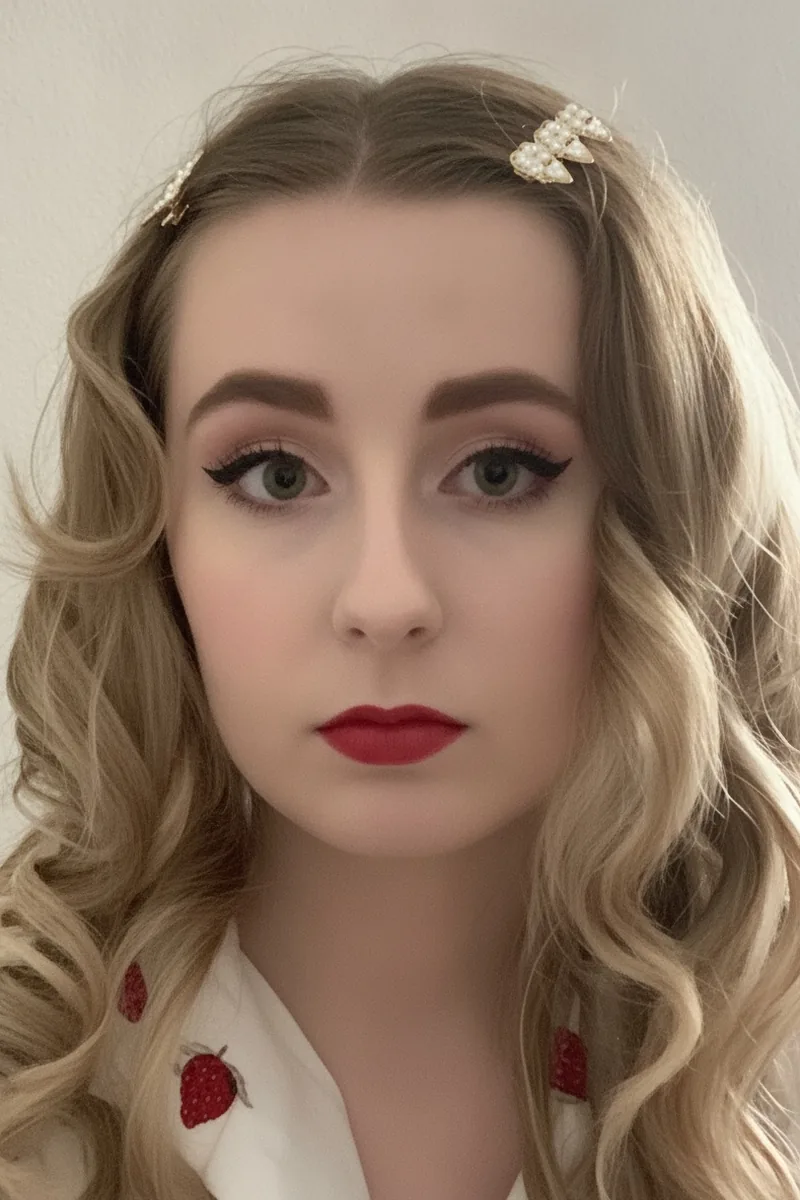
AP Lit asks students to do something genuinely difficult: read a poem or passage they've never seen before and build an analytical argument about it under time pressure. Sydny approaches each essay prompt by teaching students to identify literary devices — imagery, tone shifts, narrative structure — and convert those observations into a thesis that actually says something specific.

AP Lit rewards the kind of close reading Lisa has practiced for years as a published author and journal editor — noticing how a writer's diction, imagery, or syntax creates meaning beyond the surface. She digs into poetry and prose with students, teaching them to build essay arguments around specific literary devices rather than vague thematic summaries. Her 4.9 rating speaks to how well that approach lands.
AP Lit asks students to do something genuinely difficult: read a poem or prose passage cold and produce a polished analytical essay under time pressure. Wallis studied Russian and Art History at Sewanee, which means she spent four years dissecting literary and visual texts for symbolism, tone, and structural choices. She teaches students to build arguments around specific textual evidence rather than vague thematic summaries.
AP Lit demands more than plot summary — it asks students to analyze how an author's choices with diction, structure, and figurative language create meaning. As an English major at Boston College with a creative writing concentration, Lexy reads literature the way the exam expects: closely, with attention to craft. She teaches students to build tight, evidence-driven essays on poetry and prose passages under timed conditions.
I am an enthusiastic and detail-oriented English and test prep tutor with a strong academic background in communications.
Close reading is where Tristan thrives. His dual background in French literature and linguistics means he can unpack how an author's diction, syntax, and figurative language create meaning — exactly the kind of analysis the AP Lit free-response questions demand. He teaches students to build arguments about a text's craft rather than just summarizing its plot.
AP Lit demands more than summarizing a novel — it asks students to argue how literary devices create meaning, whether they're dissecting a Shakespearean soliloquy or an unfamiliar poem on exam day. Brielle's English education at NC State and her experience teaching both literature and analytical writing make her especially effective at coaching the free-response essays, where strong thesis construction and textual evidence separate 4s and 5s from lower scores.
Journalism training at UNC Chapel Hill sharpens one skill AP Lit also rewards: reading a text critically and building a clear, evidence-backed argument about what it's doing and why. Molly applies that same analytical discipline to poetry and prose passages, teaching students to identify how tone, diction, and figurative language work together — then translate those observations into timed essays with real interpretive stakes. Her double major in French adds comfort with the kind of cross-cultural literary works that often appear on the full-work essay question.
AP English Literature asks students to do something genuinely difficult: read a poem or prose passage they've never seen and produce a polished analytical essay in under forty minutes. As a PhD candidate in American Literature at UConn, Meghan digs into the specific skills the exam rewards — thesis construction, close reading of figurative language, and integrating textual evidence without plot summary. She keeps sessions dynamic by rotating through poetry, drama, and fiction so students build range across genres.
AP English Lit demands more than plot summary — it asks students to analyze how literary devices create meaning in poetry and prose, then argue that analysis under timed conditions. Jonathan's University of Chicago education, heavy in literature and philosophy, trained him to do exactly that: construct a tight, evidence-driven essay about tone, imagery, or narrative structure in under forty minutes. His debate background also sharpens the thesis-building skills that earn top scores on the free-response section.
AP Lit is Meagen's sweet spot. As an English major at Carleton College who genuinely lights up over close reading, she digs into how literary devices function within a text — not just identifying a metaphor but explaining what it accomplishes in the passage's argument or characterization. Her sessions on the free-response essays zero in on crafting a defensible thesis and weaving textual evidence into every body paragraph.
AP English Literature asks students to do something genuinely difficult: read a poem or prose passage they've never seen and write a polished analytical essay in forty minutes. Amy digs into the specific skills that earn high scores — identifying literary devices like free indirect discourse or shifts in tone, then weaving those observations into a thesis-driven argument. As a college English major and lifelong reader, she knows this territory intimately.
AP English Literature asks students to do something genuinely hard: read a poem or passage cold and produce a coherent analytical essay under time pressure. Kahini earned her English degree at Brown, where close reading of literary form — meter, narrative structure, figurative language — was the daily expectation. She teaches students to build an argument from a single textual detail outward rather than summarizing plot.
Teaching high school English while holding an MA in English with a focus on feminist critical theory, Danah knows exactly what AP Lit readers reward: thesis specificity, embedded textual evidence, and sophisticated literary analysis that goes beyond plot summary. She unpacks how to write a compelling free-response essay on poetry, prose, and open-prompt questions under timed conditions. Rated 5.0 by students.
Studying English Language and Literature at the University of Chicago means Davis spends his days doing exactly what the AP Lit exam tests — building interpretive arguments about how writers use language to create meaning, then defending those arguments with precise textual evidence. He brings that daily practice to teaching students how to read a poem or passage for its deeper mechanics rather than just its surface narrative. His comfort with both canonical and contemporary literature gives him range across the full-work essay question, where choosing the right novel and framing a sharp thesis makes all the difference.
AP English Lit asks students to do something genuinely difficult: write a persuasive analytical essay about a poem or passage they've never seen, under time pressure. Elijah's MFA in Acting means he's spent years unpacking subtext, figurative language, and narrative structure in scripts — the same close-reading muscles the exam demands. He teaches students to build arguments around literary devices like imagery, tone shifts, and irony rather than defaulting to plot summary.
AP Lit essays live or die on how well a student can connect a specific literary device — a symbol, a shift in narrative voice, an ironic reversal — to the work's larger meaning. Julie's philosophy background at Princeton trained her to construct tight, thesis-driven arguments from textual evidence, exactly the skill the exam's free-response questions demand.
AP Lit asks students to do something genuinely difficult: read a poem or prose passage cold and produce a polished literary argument in forty minutes. Jean's dual background in history and law sharpened her ability to construct tight, evidence-driven arguments under pressure — exactly the skill this exam rewards. She teaches students to move past plot summary and dig into how literary devices like imagery, tone shifts, and narrative structure create meaning.
Spending a semester at Madrid's top-ranked university reading literature alongside Spanish students sharpened Meghan's ability to dissect texts across cultural contexts — exactly the close-reading skill AP Lit demands. She teaches students to build thesis-driven essays around literary devices like imagery, tone shifts, and narrative structure, not just plot summary. Her 5.0 rating speaks to how well that translates in practice.
AP English Literature asks students to do exactly what Winnie was trained for: read a poem or prose passage cold and produce a sharp, thesis-driven essay under time constraints. Her comparative literature background means she can teach students to analyze imagery, narrative voice, and structural choices across traditions — from Victorian novels to postcolonial fiction — with the specificity the exam demands.
Testimonials
Because the right AP English Literature and Composition tutor makes all the difference.
Average Session Rating – Based on 3.4M Learner Ratings
Practice AP English Literature and Composition
Free practice tests, flashcards, and AI tutoring for AP English Literature and Composition
Nearby AP English Literature and Composition Tutors
Other Winston-Salem Tutors
Related English Tutors in Winston-Salem
Frequently Asked Questions
Varsity Tutors matches Winston-Salem students with expert AP English Literature and Composition tutors for 1-on-1 instruction. We pair each student with a tutor based on their specific needs, learning style, and goals.
Whether you need homework help, exam prep, or want to get ahead, our AP English Literature and Composition tutors are ready to help.
Common challenges include gaps from earlier material, difficulty with specific concepts, and trouble applying learning to new problems. These issues can snowball quickly in AP English Literature and Composition.
A tutor identifies where you're stuck, fills in gaps, and provides targeted practice. The 1-on-1 format means you get help exactly where you need it.
Tutors work with your student's actual coursework—homework assignments, class notes, and upcoming tests. This keeps tutoring directly relevant to what's happening in the classroom.
When you share information about your student's school and curriculum, we can match you with a tutor who has relevant experience.
All tutors complete background checks, credential verification, and teaching evaluation. Many of our AP English Literature and Composition tutors hold advanced degrees or have years of teaching experience.
You can review tutor profiles to find someone with the right background for your student's level and needs.
Many students see improved grades within a few weeks, along with better understanding of AP English Literature and Composition concepts and more confidence tackling challenging material.
Tutors track progress and adjust their approach to ensure continued improvement.
Most students benefit from 1-2 sessions per week. More frequent sessions help if your student is significantly behind or has an important exam coming up.
Your tutor can recommend a schedule based on your student's specific situation and goals.
Tutoring is purchased in packages of hours, with rates varying by tutor experience. Varsity Tutors offers several options to fit different budgets and needs.
You can discuss pricing during your consultation to find what works best.
Your tutor will assess where your student is, discuss goals, and start working on priority areas. Most students bring current homework or upcoming test material to focus on.
By the end, you'll have a clear sense of how the tutor can help and a plan for moving forward.
Let’s find your perfect tutor
Answer a few quick questions. We’ll recommend the right plan and match you with a top 5% tutor.