Award-Winning Special Education Tutors
serving Knoxville, TN
Special Education
Tutors in Knoxville
Private 1-on-1 tutoring, weekly live classes for academic support, test prep & enrichment, practice tests and diagnostics, and more to elevate grades and test scores.
Based on 3.4M Learner Ratings
UniversitiesSchools & Universities
DeliveredHours Delivered
ProficiencyGrowth in Proficiency
Who needs tutoring?
No obligation. Takes ~1 minute.
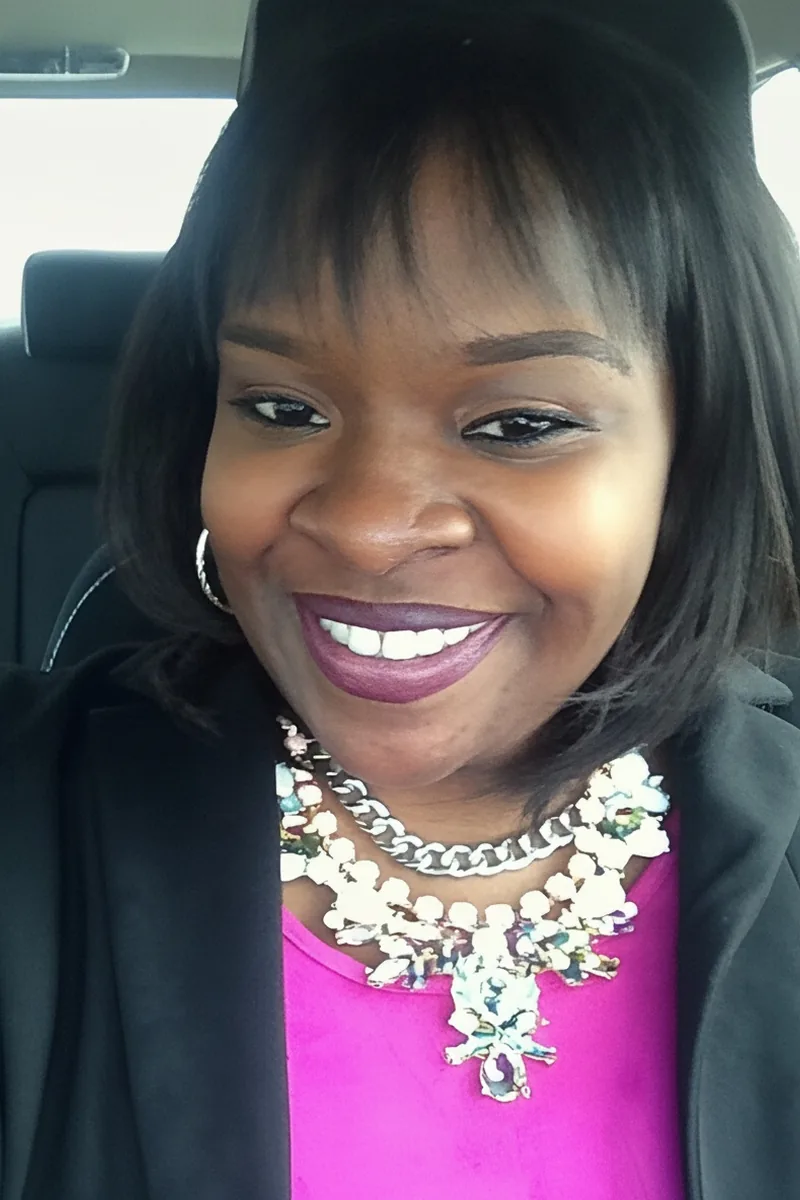
I am able to create quality, yet comprehensive curriculum for my students that will thrust them to succeed. I am very detailed oriented, creative, and have a passion for ensuring student success. It is my endeavor to combine my range of experience with my wealth of education. This includes being a loving, motivating, supporting, fun, and integral educator who will make a positive contribution to each student. I want to help all students build confidence, which will enhance their self esteem as well as personal values. Reaching this objective will directly reflect in the progression of their academic success.
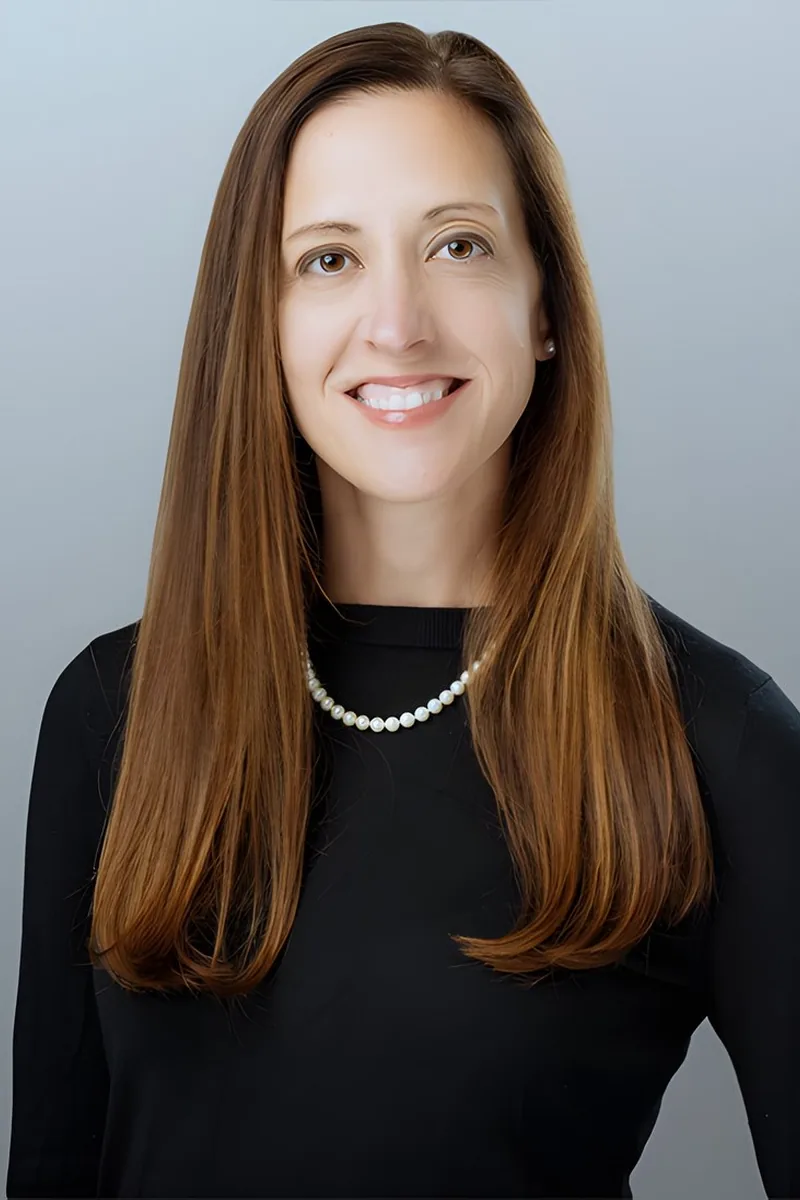
As a Vanderbilt-trained and Tennessee-licensed special educator, Megan understands the full landscape — IEP goal writing, behavior intervention plans, differentiated instruction, and the legal framework of IDEA and Section 504. She tailors her approach to each learner's profile, whether that means building phonemic awareness for a student with dyslexia or creating visual math supports for a student who processes information differently. Her 5.0 rating speaks to how well that individualized approach works.
As a certified Special Education teacher and Board Certified Behavior Analyst, Kate designs instruction around how each learner actually processes information — not around a one-size-fits-all curriculum. She adapts academic content across subjects like reading, math, and writing while building the self-regulation and executive functioning skills that underpin classroom success. Her dual expertise in special education and applied behavior analysis means interventions are both evidence-based and practical.
Trained in special education at Vanderbilt and currently teaching in the field, Alexandra designs instruction around how each learner processes information — not around a one-size-fits-all curriculum. She adapts materials for students with learning disabilities, ADHD, and other differences, breaking academic content into manageable, scaffolded steps that build genuine understanding.
I am able to get back to my passion of teaching students.
During her years teaching second through fourth grade, Molly worked daily with students who had a wide range of learning needs, from reading intervention to modified math instruction. She pulls from multiple curricula and adapts materials on the fly — adjusting pacing, breaking tasks into smaller steps, and using multisensory approaches to make concepts accessible. Her 5.0 rating speaks to how well that individualized approach works.
Clinical psychology training fundamentally changes how you understand a struggling learner — Danny's PhD work gives him insight into the cognitive, emotional, and behavioral dimensions that shape how students with learning differences engage with academic material. He draws on formal counseling psychology methods to identify what's actually getting in the way, then adapts instruction accordingly, whether the barrier is processing speed, attention, anxiety around schoolwork, or something else entirely. Rated 5.0 by families.
A psychology degree gave Maggie a deep understanding of how learning differences — from ADHD to processing disorders — affect the way students absorb and retain information. She adapts lessons using multi-sensory techniques, scaffolded instructions, and frequent check-ins that keep students engaged without overwhelming them. Her approach is patient and structured, building skills at a pace that respects each learner's needs.
Brendan holds a Master's in Special Education, which means he's trained in differentiated instruction, IEP goal alignment, and evidence-based interventions for learning disabilities like dyslexia and dyscalculia. He adapts lessons to match each student's processing style — whether that means multisensory math manipulatives, graphic organizers for writing, or modified pacing for reading tasks. His experience spans a wide range of ages and ability levels.
Liz holds a master's in Special Education (Mild to Moderate Disabilities, grades 5–12) from Simmons College and has worked extensively with students who have learning disabilities, ADHD, dyslexia, and emotional impairments. That clinical training, paired with her hands-on experience teaching and directing tutors at a charter school in Boston, means she knows how to adapt instruction on the fly — whether that's restructuring a math lesson for a student with dyscalculia or building reading fluency strategies for a student with dyslexia. She designs individualized approaches grounded in each student's IEP goals and actual learning profile.
Liz has hands-on experience working with children and young adults with ADHD, autism spectrum needs, and other learning and behavioral differences. She adapts pacing, instructions, and materials to each student's processing style — whether that means building in movement breaks, using visual organizers, or restructuring a task so it feels less overwhelming. Rated 4.9 by families she's worked with.
Sophia earned her Master's in Education with a focus that included understanding diverse learning profiles — from dyslexia and ADHD to processing differences that require adapted instruction. She modifies reading and writing lessons using multisensory techniques, scaffolded tasks, and individualized pacing so students with IEPs or 504 plans can access grade-level content on their own terms.
Kim's approach starts with identifying the specific barrier a student faces — whether it's processing speed, attention, or difficulty transferring skills across contexts — and then adapting instruction around it. Her background spanning anthropology and business gives her an unusually flexible toolkit for reframing concepts in ways that click for different learners. She holds a 5.0 rating across her students.
Grant has spent two decades working successfully with students across a wide range of learning differences, from processing disorders to ADHD to math-specific anxiety. His approach strips away the shame many students carry — he slows down, re-explains using different models, and builds lessons around how each individual learner actually thinks rather than forcing a one-size-fits-all method.
A PhD in neuropsychology means Bill understands learning differences — ADHD, dyslexia, processing speed challenges — at the neurological level, not just as labels on an IEP. He adapts his teaching to how each student's brain actually processes information, whether that means restructuring how material is presented or building in specific compensatory strategies for memory and attention.
Every learner processes information differently, and Jessica adapts her teaching style accordingly — breaking concepts into smaller steps, using visual organizers, or finding alternative explanations when the standard one doesn't click. Her science and economics training means she can support students across multiple subjects while keeping the focus on building confidence and independence. She's patient, structured, and attentive to what each individual student actually needs to move forward.
Teaching across dozens of NYC public schools exposed James to students with a wide range of learning differences, from processing delays to attention challenges. He builds individualized approaches — breaking instructions into smaller steps, using multi-sensory reinforcement, and adjusting pacing in real time. His current doctoral work in physical therapy deepens his understanding of how neurological and developmental factors shape the way students learn.
Testimonials
Because the right Special Education tutor makes all the difference.
Average Session Rating – Based on 3.4M Learner Ratings
Nearby Special Education Tutors
Other Knoxville Tutors
Related Learning Differences Tutors in Knoxville
Frequently Asked Questions
Special education tutoring provides personalized 1-on-1 instruction tailored to a student's individual learning needs, IEP goals, and learning style. Tutors work with students across a range of areas—including reading, math, executive functioning, social-emotional skills, and test preparation—adapting their approach based on each student's strengths and challenges. This focused, individualized attention helps students build confidence and make measurable progress toward their specific academic and developmental goals.
Personalized tutoring complements your child's IEP by providing targeted practice and reinforcement in specific skill areas outlined in their plan. Tutors can work directly on IEP objectives—whether that's phonics, math fluency, organization skills, or social communication—in a low-pressure environment where your child can move at their own pace. Many families find that 1-on-1 instruction accelerates progress toward IEP milestones and helps students generalize skills learned in the classroom.
In a classroom of 13-14 students per teacher (the average in Knoxville schools), it's challenging for teachers to provide the individualized attention every learner needs. Personalized tutoring removes distractions and allows tutors to adjust pacing, break down concepts into smaller steps, repeat explanations in different ways, and celebrate small wins—all critical for students with learning differences. This customized approach helps students build foundational skills and confidence in ways that traditional classroom instruction often cannot.
Students with special needs often struggle with foundational skills like decoding and fluency in reading, number sense and fact fluency in math, working memory and organization, and managing transitions between tasks or settings. Many students also face challenges with self-advocacy, building confidence after repeated academic struggles, and generalizing skills across different contexts. Personalized tutoring addresses these specific barriers by breaking skills into manageable steps, providing frequent feedback, and building a supportive relationship that boosts motivation and self-esteem.
The first session focuses on building rapport and understanding your child's learning profile—including their strengths, challenges, interests, and current academic level. Tutors will ask about your child's IEP, any diagnoses, what's working well at school, and specific areas where your family wants to see improvement. This foundation allows the tutor to design a personalized plan that targets your child's most pressing needs while building on what they do well.
Tutors who work with special education students bring specialized training and experience in areas like learning disabilities, autism spectrum disorder, ADHD, dyslexia, and evidence-based intervention strategies. Many hold certifications in special education, speech-language pathology, or other related fields, and have direct experience implementing IEPs and working with diverse learners. Varsity Tutors connects you with tutors whose expertise and teaching style match your child's specific needs.
Progress in special education tutoring shows up in multiple ways: improved performance on classroom assessments, increased confidence and willingness to engage with academic tasks, better organization and follow-through on assignments, and measurable movement toward IEP goals. Tutors track progress regularly through informal assessments, work samples, and observations, and share updates with families so you can see exactly where your child is improving. Many families also notice positive changes in their child's attitude toward learning and school.
Getting started is simple: share information about your child's learning profile, IEP goals, and what you'd like to focus on, and Varsity Tutors will connect you with a tutor whose expertise aligns with your child's needs. You can then meet with the tutor to discuss your child's specific challenges and goals before committing to ongoing sessions. Most families begin with weekly sessions and adjust frequency based on their child's progress and needs.
Let’s find your perfect tutor
Answer a few quick questions. We’ll recommend the right plan and match you with a top 5% tutor.