Award-Winning Special Education Tutors
serving Nashville, TN
Special Education
Tutors in Nashville
Private 1-on-1 tutoring, weekly live classes for academic support, test prep & enrichment, practice tests and diagnostics, and more to elevate grades and test scores.
Based on 3.4M Learner Ratings
UniversitiesSchools & Universities
DeliveredHours Delivered
ProficiencyGrowth in Proficiency
Who needs tutoring?
No obligation. Takes ~1 minute.
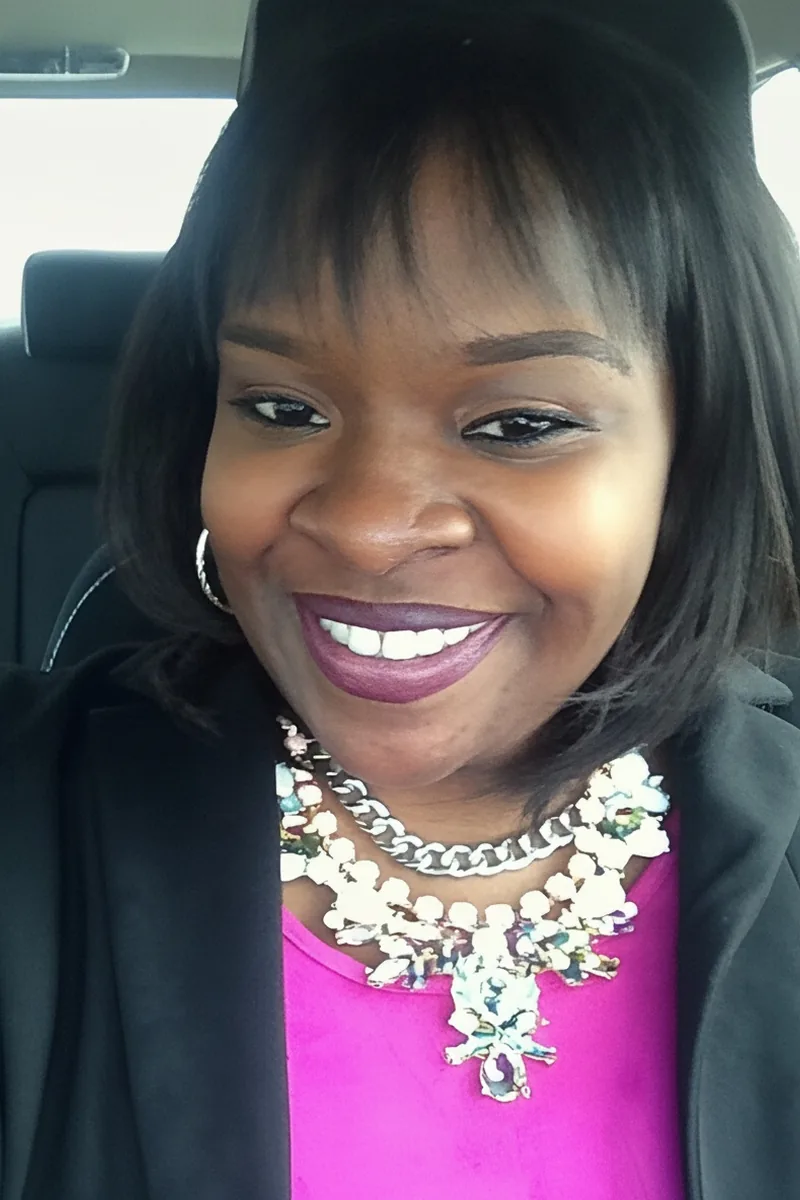
I am able to create quality, yet comprehensive curriculum for my students that will thrust them to succeed. I am very detailed oriented, creative, and have a passion for ensuring student success. It is my endeavor to combine my range of experience with my wealth of education. This includes being a loving, motivating, supporting, fun, and integral educator who will make a positive contribution to each student. I want to help all students build confidence, which will enhance their self esteem as well as personal values. Reaching this objective will directly reflect in the progression of their academic success.

As a certified Special Education teacher and Board Certified Behavior Analyst, Kate designs instruction around how each learner actually processes information — not around a one-size-fits-all curriculum. She adapts academic content across subjects like reading, math, and writing while building the self-regulation and executive functioning skills that underpin classroom success. Her dual expertise in special education and applied behavior analysis means interventions are both evidence-based and practical.
I am able to get back to my passion of teaching students.
As a Vanderbilt-trained and Tennessee-licensed special educator, Megan understands the full landscape — IEP goal writing, behavior intervention plans, differentiated instruction, and the legal framework of IDEA and Section 504. She tailors her approach to each learner's profile, whether that means building phonemic awareness for a student with dyslexia or creating visual math supports for a student who processes information differently. Her 5.0 rating speaks to how well that individualized approach works.
Trained in special education at Vanderbilt and currently teaching in the field, Alexandra designs instruction around how each learner processes information — not around a one-size-fits-all curriculum. She adapts materials for students with learning disabilities, ADHD, and other differences, breaking academic content into manageable, scaffolded steps that build genuine understanding.
Ivan holds a master's degree in both General and Special Education for grades 5–9 and has taught in self-contained classrooms, Collaborative Team Teaching settings, and Resource Rooms across New York City. That range means he can adapt pacing, modify assignments, and scaffold reading or writing tasks based on each student's IEP goals and learning profile. Rated 4.8 by families he's worked with.
Patrick earned his Master's in Special Education from UIC's MEd + Licensure program, which means he's trained in differentiated instruction, IEP development, and evidence-based interventions for learning differences like dyslexia and ADHD. His undergraduate psychology degree adds a layer of understanding around how attention, memory, and motivation shape each student's learning profile.
During her year as a teaching assistant in a first-grade classroom, Molly worked directly with students with special needs, adapting lessons and tracking individual progress toward IEP goals. Her dual major in elementary and special education gives her formal training in differentiated instruction, multisensory learning strategies, and behavior support frameworks. She understands how to modify materials so that a student can access the same content their peers are learning, just through a different pathway.
Lena's daily experience as a middle school teacher means she's practiced at adapting lessons on the fly when a student needs a different entry point into material. She breaks tasks into smaller, clearly sequenced steps and uses patient repetition and multi-sensory techniques to reinforce skills in reading, writing, and math. Her approach prioritizes building confidence alongside academic progress.
A PhD in neuropsychology means Bill understands learning differences — ADHD, dyslexia, processing speed challenges — at the neurological level, not just as labels on an IEP. He adapts his teaching to how each student's brain actually processes information, whether that means restructuring how material is presented or building in specific compensatory strategies for memory and attention.
Every learner processes information differently, and Professor Florence draws on her psychology training at UCLA to identify where a student's understanding is breaking down and restructure the material accordingly. She adapts pacing, visual aids, and practice strategies to match each student's learning profile, whether the challenge involves processing speed, attention, or executive function.
Victoria spent three years as a certified classroom teacher through Teach for America, working with first through third graders who had a wide range of learning needs, including IEP-supported students. She adapts lessons to different processing styles and paces, breaking academic content into structured, manageable steps that build genuine understanding rather than frustration.
Navian has firsthand experience supporting a family member with autism, which shaped how he adapts explanations, pacing, and encouragement to each learner's needs. He breaks concepts into smaller, concrete steps and checks understanding frequently — building confidence alongside comprehension rather than rushing through material.
I am a teacher who is certified in all core subjects for grades 4 through 8, Special Education, and English as a Second Language. I am eager for the opportunity to tutor you or your student, because I feel that small group instruction is the single best tool in increasing understanding. I love lesson design and as your tutor, I will be sure to work with you to create lessons that you find both engaging and effective.
A PhD in neuroscience means Elliot understands learning differences at the biological level — how attention, working memory, and processing speed vary across brains and what that means for instruction. He explicitly welcomes learners on the spectrum and tailors pacing, scaffolding, and sensory considerations to each student rather than defaulting to one-size-fits-all methods. His 5.0 rating speaks to that individualized care.
Katie's Master of Social Work gives her structured training in individualized support, behavioral strategies, and understanding how learning differences like ADHD, dyslexia, and processing disorders affect a student's experience in the classroom. She adapts lessons to each student's pace and learning style, breaking tasks into smaller steps and using multisensory techniques to reinforce concepts. That combination of clinical knowledge and teaching experience makes her especially effective with students who need more than a one-size-fits-all approach.
Every learner processes information differently — some through auditory explanation, some through visual mapping, others through hands-on activity — and Harry builds each session around identifying what actually works for that student. His background in theater and education at Northwestern trained him to read an audience and adapt in real time, a skill that translates directly to adjusting pacing, modality, and complexity for students with diverse learning needs.
Testimonials
Because the right Special Education tutor makes all the difference.
Average Session Rating – Based on 3.4M Learner Ratings
Nearby Special Education Tutors
Other Nashville Tutors
Related Learning Differences Tutors in Nashville
Frequently Asked Questions
Special education tutoring is designed specifically for students with documented disabilities or learning differences, such as dyslexia, ADHD, autism spectrum disorder, or processing disorders. Unlike general tutoring, special education tutoring incorporates evidence-based interventions, accommodations, and modifications tailored to each student's Individualized Education Program (IEP) or 504 Plan. Tutors work directly with the strategies outlined in your student's plan to reinforce learning and build confidence in areas where they struggle.
Varsity Tutors connects you with tutors who understand IEP and 504 Plan requirements and can reinforce the goals and accommodations outlined in your student's plan. Before starting, tutors review relevant documentation to understand your student's specific needs, learning style, and any accommodations (extended time, alternative formats, assistive technology, etc.). This ensures tutoring sessions directly support what's happening in the classroom and help your student make measurable progress toward their IEP goals.
Students with learning differences often struggle with reading fluency, math computation, executive function skills like organization and time management, or processing information at the pace of a typical classroom. With a 18.3:1 student-teacher ratio across Nashville schools, classroom teachers have limited time to provide individualized support. Personalized 1-on-1 instruction allows tutors to break concepts into smaller steps, use multi-sensory approaches, and provide immediate feedback—strategies that research shows are particularly effective for students with learning disabilities.
During the first session, the tutor will get to know your student, assess their current skill level, and discuss their learning strengths and challenges. They'll ask about your student's IEP or 504 Plan, preferred learning styles, and specific academic or behavioral goals. This initial meeting helps the tutor create a personalized plan and establish rapport, which is especially important for students who may feel discouraged or anxious about academics.
Look for tutors with specialized training in special education, knowledge of evidence-based interventions (like Orton-Gillingham for dyslexia or structured literacy approaches), and experience working with your student's specific disability or learning difference. Many tutors hold special education certifications, speech-language pathology degrees, or training in educational psychology. When you connect with Varsity Tutors, you can discuss your student's needs and find tutors whose expertise matches your situation.
Progress in special education tutoring should align with your student's IEP goals and can be measured through improved grades, higher test scores, increased fluency or accuracy on specific tasks, and greater confidence and engagement in learning. Good tutors track progress regularly using assessments, work samples, and informal observations, and share updates with you so you can see concrete improvements. You should also notice changes in your student's attitude toward school—reduced frustration, increased willingness to attempt challenging tasks, and better self-advocacy skills.
Absolutely. Many students with IEPs or 504 Plans have accommodations like extended time, alternative testing formats, or assistive technology, but they need support learning how to use them effectively. Tutors can teach your student strategies for managing accommodations, build confidence with assistive tools, and help them understand their own learning needs. This builds self-advocacy skills that benefit your student not just in tutoring, but throughout their academic career.
Start by reaching out to Varsity Tutors with information about your student's learning difference, current grade level, and specific academic or skill goals. Share details about their IEP or 504 Plan if you have one. Varsity Tutors will match you with a qualified tutor whose expertise aligns with your student's needs, and you can discuss your student's situation in detail before the first session begins.
Let’s find your perfect tutor
Answer a few quick questions. We’ll recommend the right plan and match you with a top 5% tutor.