Award-Winning AP English Literature and Composition Tutors
serving Nashville, TN
AP English Literature and Composition
Tutors in Nashville
Private 1-on-1 tutoring, weekly live classes for academic support, test prep & enrichment, practice tests and diagnostics, and more to elevate grades and test scores.
Based on 3.4M Learner Ratings
UniversitiesSchools & Universities
DeliveredHours Delivered
ProficiencyGrowth in Proficiency
Who needs tutoring?
No obligation. Takes ~1 minute.

Having earned dual degrees in English and Spanish — with an MA in Creative Writing from the University of Birmingham — Darby reads literature the way the AP exam demands: with an eye for how authors use structure, diction, and figurative language to build meaning. She teaches students to write timed literary analysis essays that move beyond plot summary into genuine argument. Rated 5.0 by students.
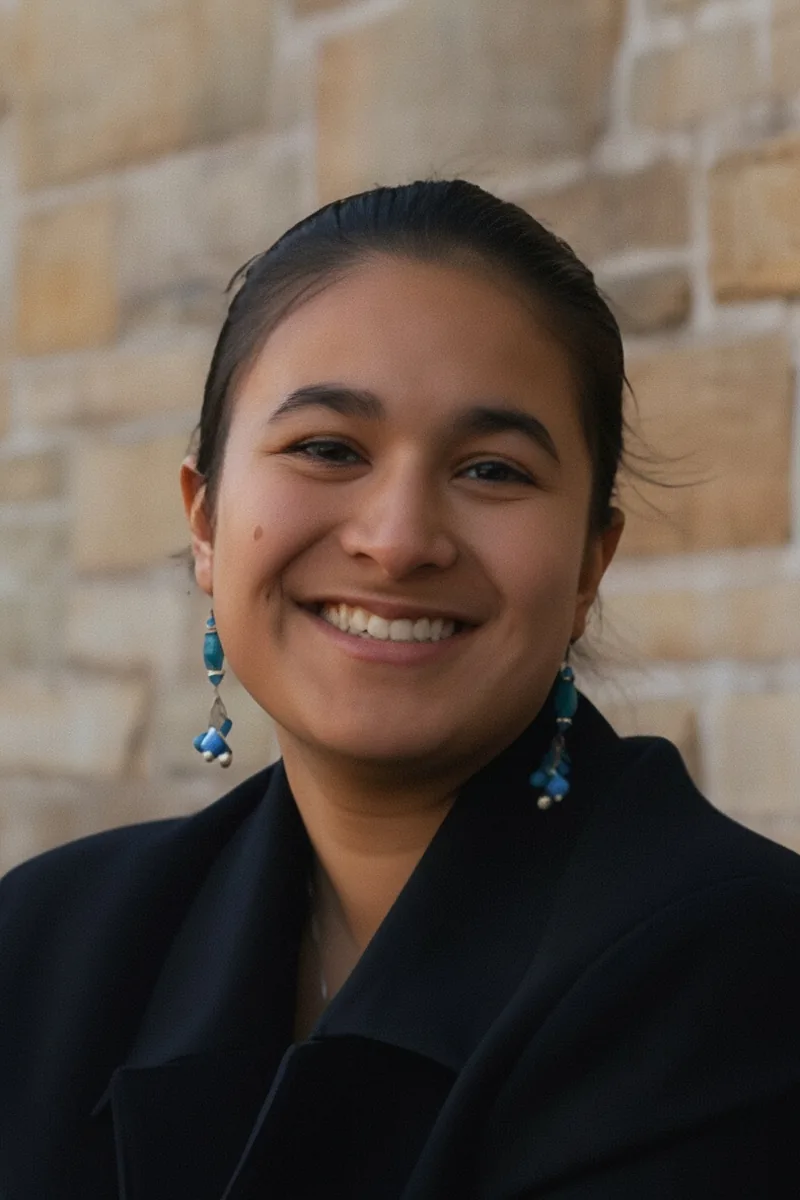
AP Lit asks students to do something most haven't practiced — write analytically about how a poem's structure or a novel's narrative technique creates meaning, not just summarize plot. As a Yale humanities student and avid reader, Tessa digs into the close-reading skills that earn high marks on the poetry free-response and the open-ended essay. She's particularly sharp on teaching students to move from observation ('there's a metaphor here') to argument ('here's what it does and why it matters').
AP English Lit asks students to do something genuinely difficult: write a persuasive literary argument under timed conditions about a poem or passage they've never seen before. Paula's approach digs into close reading techniques — tracking imagery patterns, shifts in tone, narrative perspective — so that students walk into the exam knowing how to generate an original thesis on the spot. Her background in both Psychology and Communication Studies sharpens the way she unpacks character motivation and authorial intent.
AP Lit asks students to do something most high schoolers haven't practiced: build an argument about how a poem or passage works, not just what it means. Brittany's Yale literature background and college-level teaching experience mean she can walk through the difference between summary and analysis, then show how to structure a timed essay that earns top marks on the rubric.
AP English Literature asks students to do something genuinely difficult: read a poem or prose passage they've never seen and produce a polished analytical essay under time pressure. Muriel's degree in Spanish and Italian literature means she's spent years doing exactly this kind of close reading across multiple literary traditions, spotting how imagery, tone, and structure carry meaning. She teaches students to build arguments around textual evidence rather than plot summary — the skill that separates 3s from 5s.
AP English Lit asks students to do something Malina has done thousands of times: take a piece of literature apart and explain how its language creates meaning. Her Yale Classics training in close reading poetry and prose — tracking meter, diction, imagery, and narrative structure — maps directly onto the skills the free-response essays demand. She's particularly strong at teaching students to write thesis-driven analyses under timed conditions.
A PhD in Religion and a bachelor's in philosophy gave Chang deep experience doing exactly what AP Lit demands: close reading of complex texts and constructing interpretive arguments under pressure. He teaches students to move beyond plot summary and build thesis-driven essays that analyze literary devices, narrative structure, and authorial intent with real textual evidence.
AP English Literature demands more than summarizing a novel — it requires close reading that connects imagery, diction, and structure to a text's deeper argument. Stephanie's Princeton coursework sharpened her ability to analyze poetry and prose at the college level, and she applies that same rigor when walking students through timed essay responses and multiple-choice passage analysis.
AP English Lit asks students to do something genuinely difficult: read a poem or passage cold and produce a polished analytical essay under time pressure. Sarah's BA in English from Oberlin and her ongoing PhD work at Harvard mean she can teach students to unpack figurative language, track shifts in tone, and build thesis-driven arguments about texts they've never seen before. Her poetry background is especially useful for the notoriously challenging poetry analysis prompt.
AP Lit's free-response questions reward students who can move beyond plot summary and build arguments around literary devices — symbolism, tone shifts, narrative structure. Priscilla's Harvard coursework in government and economics trained her to construct tight, evidence-driven essays under pressure, a skill she applies directly to poetry and prose analysis on exam day.
AP Lit's free-response questions demand more than plot summary — they require students to argue how literary devices create meaning within a specific passage. Nicole earned her English Literature degree from McGill, where close reading of poetry, drama, and prose fiction was the daily expectation. She teaches students to build essays around a controlling interpretation rather than defaulting to vague thematic statements.
AP Lit's free-response questions reward students who can move past plot summary and build an argument about how literary techniques create meaning. Andrew studied literature at the undergraduate level and later sharpened his argumentative writing through law school, so he teaches students to construct thesis-driven essays that connect imagery, diction, and structure to a poem's or novel's larger purpose. That combination of literary knowledge and persuasive writing skill shows in his 4.8 rating.
AP English Literature demands more than summarizing a novel — it asks students to dissect how imagery, tone, and narrative structure produce meaning in a specific passage. David's English degree and his graduate work with rare books and manuscripts gave him a close-reading discipline that translates directly into the kind of textual analysis the free-response essays reward. He teaches students to build arguments from the text outward, anchoring every claim in concrete literary evidence.
Testimonials
Because the right AP English Literature and Composition tutor makes all the difference.
Average Session Rating – Based on 3.4M Learner Ratings
Practice AP English Literature and Composition
Free practice tests, flashcards, and AI tutoring for AP English Literature and Composition
Nearby AP English Literature and Composition Tutors
Other Nashville Tutors
Related English Tutors in Nashville
Frequently Asked Questions
The AP English Literature and Composition exam tests your ability to analyze and interpret literature through close reading and writing. The exam has three sections: multiple-choice questions on poetry and prose passages (45%), free-response essays analyzing provided texts (20% each for two essays), and a third essay synthesizing your own literary examples (15%). Success requires mastery of literary devices, textual analysis, and the ability to construct compelling arguments under timed conditions.
Score improvement depends on your starting point and effort level, but students who work with personalized 1-on-1 instruction typically see meaningful gains by focusing on their specific weaknesses. Many students struggle with either the analytical reading section or essay construction—identifying which area needs work and practicing targeted strategies can shift you from a 3 to a 4 or 5. Consistent practice with released exams and feedback on your essays are key to measurable improvement.
The most common challenges are managing the 55-minute multiple-choice section (students rush through complex passages and miss nuance), writing timed essays that demonstrate sophisticated analysis, and understanding what the College Board means by "textual evidence." Many students also struggle with unfamiliar or challenging texts and need help developing strategies to extract meaning quickly. A tutor can help you build a systematic approach to close reading and essay planning that works under pressure.
Strong AP essays require a clear thesis, specific textual evidence, and analysis that explains why the evidence matters—not just what it shows. Many students lose points by summarizing the text instead of analyzing literary devices and their effects. Working with personalized instruction helps you develop an essay template that works across all three prompts, practice outlining under timed conditions, and learn to balance thorough analysis with time management. Regular practice essays with detailed feedback are essential.
The exam gives you 3 hours total: 1 hour for 55 multiple-choice questions and 2 hours for three essays (roughly 40 minutes each). Many students spend too long on difficult multiple-choice questions and rush through essays. A smart strategy is to spend 50-55 minutes on multiple-choice (moving past questions you can't answer quickly), then allocate your essay time based on prompt difficulty. Practicing with full-length timed tests helps you find the pacing rhythm that works for you.
Most students benefit from 3-4 months of focused preparation, though this varies based on your starting point and course rigor. If you're taking the AP English Literature course, your teacher provides foundational preparation throughout the year—supplemental tutoring works best in the final 8-12 weeks to refine strategies and build confidence. Starting with a practice test helps identify your specific weak areas so tutoring can be targeted and efficient.
Look for tutors with strong AP English Literature exam experience, familiarity with the current exam format and rubrics, and a track record helping students improve their scores. Ideal tutors understand both the analytical reading skills and essay-writing techniques the College Board rewards, and can diagnose whether your struggles are with comprehension, analysis, or time management. Varsity Tutors connects you with expert tutors who can provide personalized strategies based on your specific challenges.
Your first session typically includes a diagnostic assessment—either a practice multiple-choice section or a timed essay—to identify your strengths and gaps. The tutor will discuss your goals, current score, and timeline, then develop a personalized study plan focused on the areas that will have the biggest impact on your score. This might include strategies for specific question types, essay structure practice, or close-reading techniques tailored to your learning style.
Let’s find your perfect tutor
Answer a few quick questions. We’ll recommend the right plan and match you with a top 5% tutor.