Award-Winning Japanese Tutors
serving Austin, TX
Japanese
Tutors in Austin
Private 1-on-1 tutoring, weekly live classes for academic support, test prep & enrichment, practice tests and diagnostics, and more to elevate grades and test scores.
Based on 3.4M Learner Ratings
UniversitiesSchools & Universities
DeliveredHours Delivered
ProficiencyGrowth in Proficiency
Who needs tutoring?
No obligation. Takes ~1 minute.

Emily minored in Japanese at Texas A&M and continues to engage with the language through media and self-study. She teaches hiragana, katakana, and foundational grammar patterns like particle usage with the same structured approach she applies to her other languages, making the writing systems feel systematic rather than overwhelming.
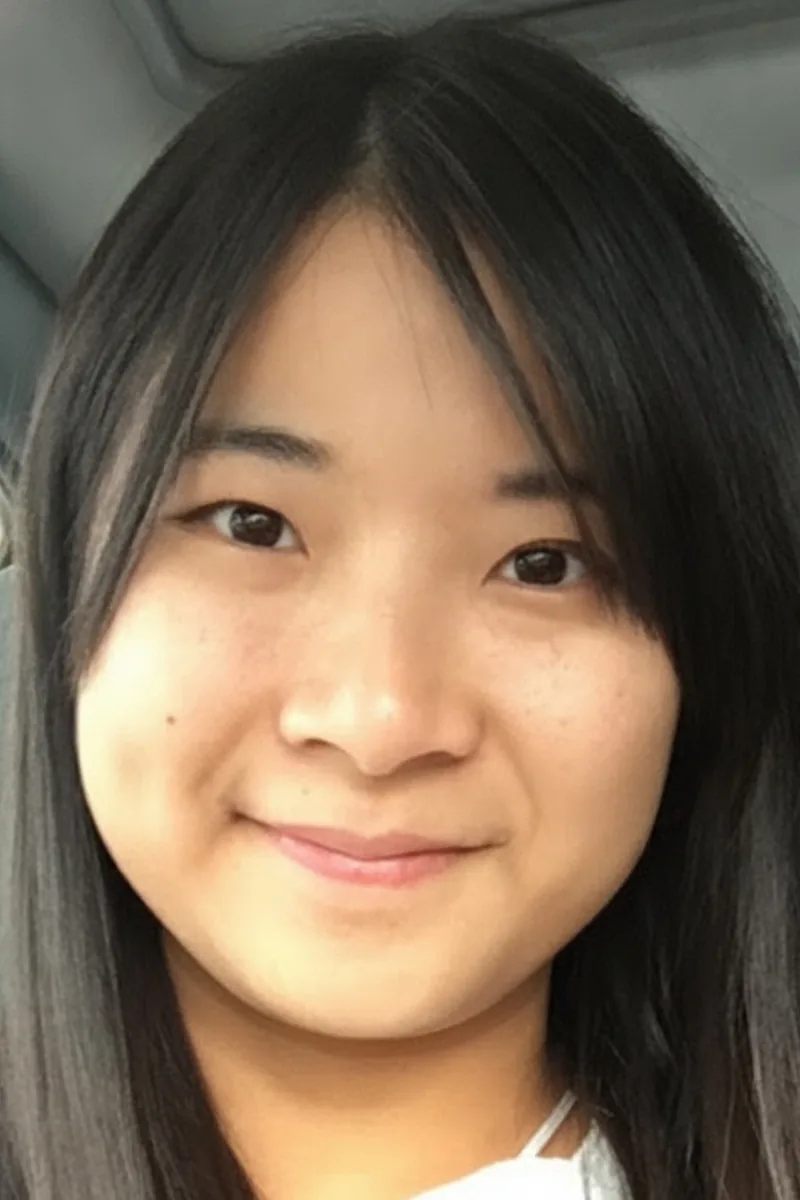
I am also fluent (reading/listening/writing) in Cantonese and mandarin Chinese because of my upbringing. Half of my childhood education was received in Hong Kong and the other half was in Australia.
A PhD in linguistics means Lewis doesn't just know languages — he understands how they work structurally, which is exactly what you need when Japanese throws you grammar that has zero English parallels. He applies that analytical framework to breaking down sentence-final particles, SOV word order, and the logic behind verb conjugation so the patterns become predictable rather than random. His experience teaching ESL/ELL also means he's practiced at bridging the gap between how English and non-European languages organize meaning.
Learning Japanese means juggling three writing systems, unfamiliar sentence structures, and particles that don't map neatly onto English — Rex tackles each layer separately so students can build real reading and conversational ability. His communication design background also gives him a unique perspective on how visual layout and typography work in Japanese media, which keeps lessons engaging and culturally grounded.
Learning Japanese means juggling three writing systems, honorific levels, and grammar that works nothing like English — and Karen tackles all of it from firsthand experience using the language abroad. Whether a student is memorizing their first hundred kanji or practicing particle usage in complex sentences, she builds each lesson around practical communication skills.
An Asian Studies degree gave Andrew sustained exposure to Japanese language and culture throughout his undergraduate work, and he pairs that academic grounding with fluency in Mandarin Chinese to bring a comparative lens to East Asian language learning. He's particularly good at creating a low-pressure environment for speaking and reading practice — the kind of space where students actually start producing sentences instead of freezing up over perfect particle placement.
Jacob's degree in East Asian Languages and Civilizations from the University of Chicago means his Japanese instruction is rooted in deep study of the culture, history, and linguistic traditions behind the language. He connects vocabulary and grammar to their cultural logic — explaining why certain verb endings carry social weight or how kanji compounds reflect Chinese origins — giving students a richer understanding than drills alone provide. Rated 5.0 by students.
I'm a student at Brown University with an eclectic set of interests. I am trilingual, analytical, and creative and look forward to tutoring you! :)
Having completed an Asian Languages minor at UCLA, Abrahim brings formal training in Japanese grammar, kanji acquisition, and reading comprehension to his tutoring. He approaches the language methodically — building from particle usage and verb conjugation patterns up to reading authentic texts — which works especially well for students who want structure rather than immersion-only learning.
Learning Japanese means juggling three writing systems, unfamiliar sentence structures, and layers of politeness that don't exist in English. Aki breaks down hiragana, katakana, and basic kanji recognition alongside grammar patterns like particle usage and verb conjugation, building reading and conversational skills in parallel.
Darin brings an analytical learner's perspective to Japanese, tackling the language's grammar patterns and writing systems with the same systematic approach he applied to his scientific training. For students working through hiragana, katakana, kanji recognition, or verb conjugation, he offers structured methods that make consistent progress feel achievable.
Earning a full bachelor's degree in Japanese — not just a minor or a few semesters — means Jina can teach well beyond survival phrases into kanji readings, grammar particles like は vs. が, and the nuances of keigo (formal speech). She brings the same analytical rigor from her science training to breaking down sentence structure and verb conjugation patterns.
Cori is pursuing a Japanese minor at MIT, which means she's actively working through the grammar structures, kanji readings, and particle usage that trip up most learners. That proximity to the learning process gives her a practical sense of what sticks and what needs extra repetition.
Brian prepared for and took the SAT Subject Test in Japanese with Listening, which means he's worked through the grammar structures, kanji recognition, and listening comprehension challenges that define intermediate Japanese study. He approaches language learning with the same systematic thinking he applied to economics and CS at Caltech — breaking down sentence patterns and verb conjugations into logical rules rather than pure memorization.
Testimonials
Because the right Japanese tutor makes all the difference.
Average Session Rating – Based on 3.4M Learner Ratings
Nearby Japanese Tutors
Other Austin Tutors
Related Languages Tutors in Austin
Frequently Asked Questions
In a classroom of 20+ students, speaking practice is limited. With personalized 1-on-1 instruction, you get dedicated conversation time every session—a critical advantage for developing natural fluency. Tutors can focus on your pronunciation, help you think through responses in real time, and adjust the difficulty to match your level, making speaking practice feel less intimidating and more productive than classroom settings allow.
Japanese verb conjugation can feel overwhelming because verbs change based on tense, formality, and context. The most effective approach combines pattern recognition with repeated practice—learning the logic behind conjugations rather than memorizing rules in isolation. Expert tutors help you understand the underlying structure, then build fluency through guided exercises and real conversation, so grammar becomes intuitive rather than mechanical.
Vocabulary sticks best when you encounter words in context and use them repeatedly. Tutors can help you build vocabulary through conversation, reading materials matched to your interests, and spaced repetition strategies—reviewing words at intervals that strengthen memory. This approach is far more effective than memorizing word lists, and personalized instruction means you focus on vocabulary that's actually relevant to your goals.
Reading and writing in Japanese requires mastery of three writing systems—hiragana, katakana, and kanji—which is a significant challenge. Tutors break this into manageable steps, starting with foundational scripts and gradually introducing kanji in context. With personalized guidance, you can practice reading authentic materials (news, manga, literature) and writing at your level, building confidence in both skills simultaneously.
Several Austin-area schools offer Japanese language programs, from middle school through high school levels. If you're taking Japanese in school, tutoring provides extra support for challenging concepts like grammar and kanji, plus additional conversation practice that classroom time can't accommodate. If your school doesn't offer Japanese, personalized tutoring is an excellent way to learn from scratch or prepare for AP Japanese exams.
Language and culture are deeply connected—understanding Japanese honorifics, formality levels, and communication styles makes the language make sense. Expert tutors weave cultural context into lessons, explaining why certain phrases are used in specific situations and how respect and relationships shape the language. This cultural foundation helps you communicate authentically and appreciate the nuances that classroom textbooks sometimes miss.
Reaching conversational fluency typically requires 600+ hours of study according to language learning research. With consistent personalized tutoring—say 2-3 sessions per week combined with self-study—most students can achieve basic conversation skills within 6-12 months, depending on their starting point and study intensity. The key is regular practice with a tutor who can correct mistakes and push you toward natural, spontaneous speech.
Look for tutors with native or near-native fluency, teaching experience, and ideally background in Japanese language education or linguistics. For students preparing for AP Japanese or standardized tests, verify that your tutor has exam preparation experience. Varsity Tutors connects you with expert tutors in Austin who are vetted for their language expertise and teaching ability, so you can focus on learning rather than vetting credentials.
Let’s find your perfect tutor
Answer a few quick questions. We’ll recommend the right plan and match you with a top 5% tutor.