Award-Winning Japanese Tutors
serving Fort Worth, TX
Japanese
Tutors in Fort Worth
Private 1-on-1 tutoring, weekly live classes for academic support, test prep & enrichment, practice tests and diagnostics, and more to elevate grades and test scores.
Based on 3.4M Learner Ratings
UniversitiesSchools & Universities
DeliveredHours Delivered
ProficiencyGrowth in Proficiency
Who needs tutoring?
No obligation. Takes ~1 minute.

Emily minored in Japanese at Texas A&M and continues to engage with the language through media and self-study. She teaches hiragana, katakana, and foundational grammar patterns like particle usage with the same structured approach she applies to her other languages, making the writing systems feel systematic rather than overwhelming.
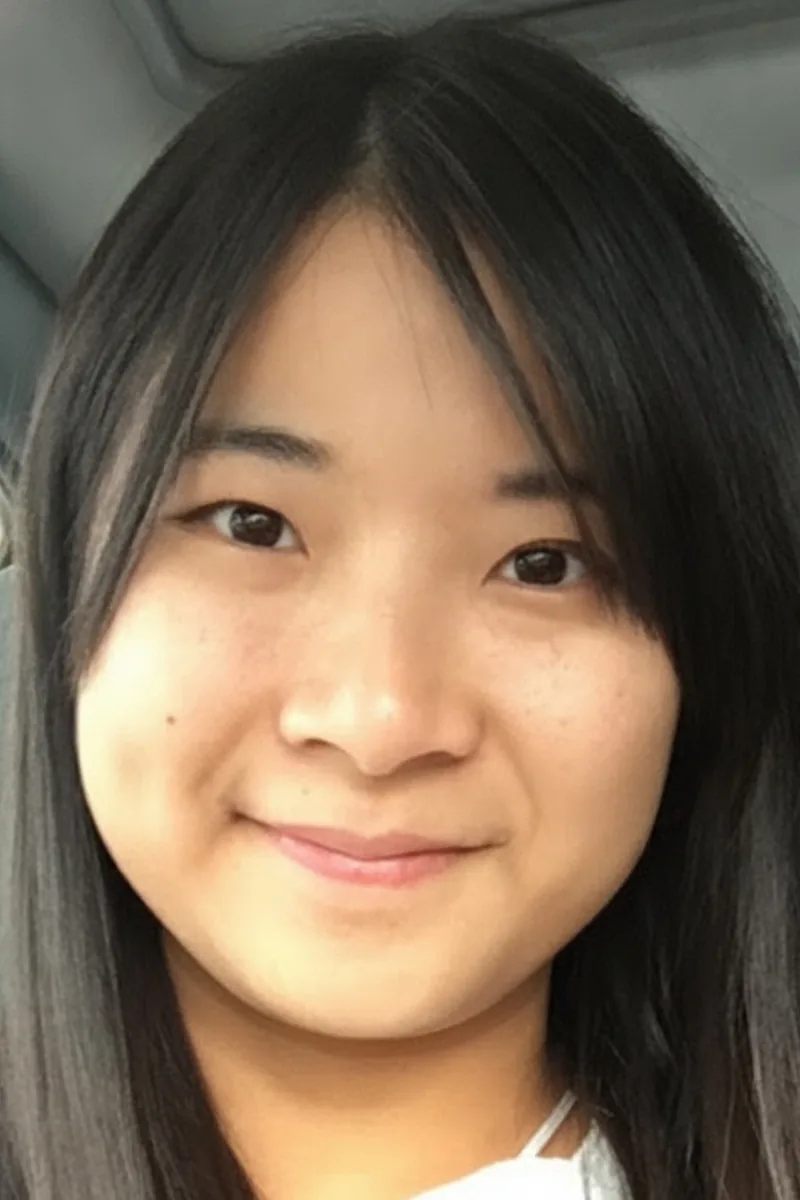
I am also fluent (reading/listening/writing) in Cantonese and mandarin Chinese because of my upbringing. Half of my childhood education was received in Hong Kong and the other half was in Australia.
Learning Japanese means juggling three writing systems, honorific levels, and grammar that works nothing like English — and Karen tackles all of it from firsthand experience using the language abroad. Whether a student is memorizing their first hundred kanji or practicing particle usage in complex sentences, she builds each lesson around practical communication skills.
Earning a full bachelor's degree in Japanese — not just a minor or a few semesters — means Jina can teach well beyond survival phrases into kanji readings, grammar particles like は vs. が, and the nuances of keigo (formal speech). She brings the same analytical rigor from her science training to breaking down sentence structure and verb conjugation patterns.
As an Asian Studies major at Duke, Caitlin engages with Japanese language in an academic context that goes beyond textbook dialogues — she understands how kanji, hiragana, and katakana each function within the writing system and why particles like は and が trip up English speakers. She walks through sentence structure and honorific levels with cultural context that makes the grammar patterns memorable.
I am an experienced tutor and teacher from Okinawa, Japan who recently graduated from Brown University and now lives in Brooklyn.
Sho teaches Japanese with attention to the details that trip up English speakers most — particle usage, verb conjugation groups, and the shift between casual and polite registers. Whether a student is learning hiragana for the first time or working through intermediate kanji and grammar patterns, he brings structured practice to a language that rewards consistency.
Most students stall in Japanese once they move past hiragana and katakana into kanji recognition and grammatical particles like は versus が. Wahala minors in Japanese at Indiana University Bloomington and treats the language as a system to decode — connecting sentence structure, verb conjugation patterns, and cultural context so that reading and conversation reinforce each other.
Triple-majoring in Japanese, linguistics, and computer science at UMass Amherst, Connor brings both fluency and analytical rigor to teaching the language. He unpacks grammar patterns like particle usage and verb conjugation groups by connecting them to the underlying logic of how Japanese sentences are built — making new structures easier to internalize and recall.
Zhaleh is actively studying Japanese at Carnegie Mellon University, which means she's navigating the same kanji memorization strategies, grammar particle distinctions, and reading comprehension challenges her students face. She breaks down tricky structures like て-form conjugations and は vs. が usage in ways that make the logic behind the language click.
Holding a degree in Japanese Studies, Andrew brings deep familiarity with not just hiragana, katakana, and kanji but also the cultural context that shapes how the language actually works — keigo politeness levels, sentence-ending particles, and the logic behind counter words. He connects grammar patterns to real conversation so students internalize structures instead of just drilling flashcards.
Few Japanese tutors can combine formal academic study with real teaching experience in Japan — Sophie has both. Her East Asian Studies work at Princeton included intensive Japanese language training, and she spent time teaching English in Japan, which gave her deep familiarity with how the two languages map onto (and diverge from) each other. She tackles everything from hiragana and katakana basics to particle usage and keigo politeness levels.
I am open to tutoring in a broad range of subjects, including Algebra, Spanish I/II, ESL and Biology (SAT II, AP, and MCAT).
Most students learning Japanese hit a wall somewhere between mastering hiragana and actually constructing sentences with particles, verb conjugations, and counters. Kai has been teaching Japanese through the student organization meetings on campus, building lessons that move learners from basic self-introductions to reading short passages and holding simple conversations.
Testimonials
Because the right Japanese tutor makes all the difference.
Average Session Rating – Based on 3.4M Learner Ratings
Nearby Japanese Tutors
Other Fort Worth Tutors
Related Languages Tutors in Fort Worth
Frequently Asked Questions
Fluency depends on your starting point and learning intensity, but reaching professional proficiency typically requires 600-750 hours of focused study according to language learning research. With personalized 1-on-1 instruction, you can accelerate progress by targeting your specific weak areas—whether that's kanji recognition, verb conjugation, or natural conversation flow. Most students see conversational ability within 3-6 months of consistent practice combined with expert guidance.
In a classroom of 20+ students, you might only speak Japanese for a few minutes per session. With personalized instruction, you get continuous speaking practice tailored to your level—whether you're working on pronunciation, natural response patterns, or complex discussions. Tutors can also provide immediate feedback on your accent and grammar in real conversation, which is difficult to get in group settings and essential for developing authentic fluency.
Rather than memorizing kanji in isolation, expert tutors connect characters to real vocabulary and usage patterns you'll actually encounter. For verb conjugation, the key is understanding the underlying system (present, past, negative forms) rather than treating each conjugation as separate rules. Personalized tutoring helps you build these mental frameworks through spaced repetition and practice testing—proven techniques that stick better than cramming.
Language and culture are deeply connected, especially with Japanese. Understanding cultural context helps you grasp why certain phrases are used in specific situations, how politeness levels work, and what makes communication feel natural rather than robotic. Tutors can weave cultural insights into lessons—explaining honorifics, social norms, and communication styles—which makes both the language and your ability to use it authentically much stronger.
Most Fort Worth schools in the 12 school districts follow standards-based curricula focusing on the four language skills: reading, writing, speaking, and listening. However, pacing and depth vary widely depending on whether it's an introductory or advanced course. Personalized tutoring complements your school's curriculum by filling gaps, accelerating progress in areas you find challenging, or preparing you for AP Japanese exams if your school offers them.
Vocabulary sticks best when you encounter words in meaningful context and use them actively in conversation—not through isolated flashcard drilling. Expert tutors use retrieval practice and spaced repetition, bringing up words you've learned in new conversational scenarios to strengthen your memory. They also help you build vocabulary around topics relevant to your interests, making the words more memorable and useful.
Your first session focuses on assessment and connection. The tutor will evaluate your current level across reading, writing, speaking, and listening to understand where you are and where you want to go. They'll also learn about your goals—whether that's conversational ability, academic performance, or test preparation—so they can create a personalized learning plan that matches your needs and learning style.
Yes—this is one of the biggest advantages of 1-on-1 tutoring. Tutors can identify exactly which sounds are challenging for you (like the subtle differences in Japanese vowel length or the 'r' sound) and give you targeted exercises to improve. With consistent feedback and practice in a low-pressure environment, most students develop much more natural pronunciation and accent within weeks, which significantly boosts confidence in real conversations.
Let’s find your perfect tutor
Answer a few quick questions. We’ll recommend the right plan and match you with a top 5% tutor.