Award-Winning Biochemistry Tutors
serving Mesa, AZ
Biochemistry
Tutors in Mesa
Private 1-on-1 tutoring, weekly live classes for academic support, test prep & enrichment, practice tests and diagnostics, and more to elevate grades and test scores.
Based on 3.4M Learner Ratings
UniversitiesSchools & Universities
DeliveredHours Delivered
ProficiencyGrowth in Proficiency
Who needs tutoring?
No obligation. Takes ~1 minute.
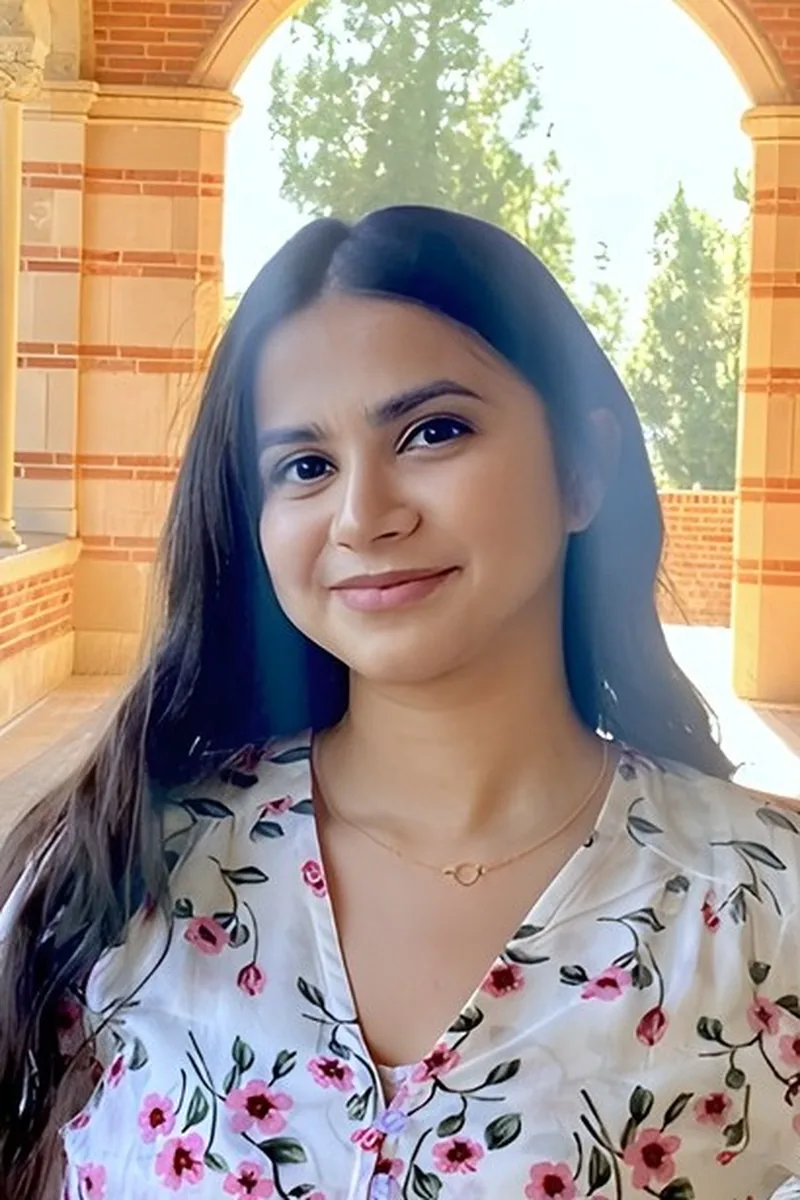
UCLA's biological sciences program gave Arshia a solid grounding in the molecular machinery of life — protein structure, metabolic pathways, and the organic chemistry that ties them together. She also tutors MCAT prep across multiple sections, which means she's used to explaining concepts like enzyme kinetics and amino acid properties at the level of detail that college biochemistry courses actually demand. Rated 5.0 by students.
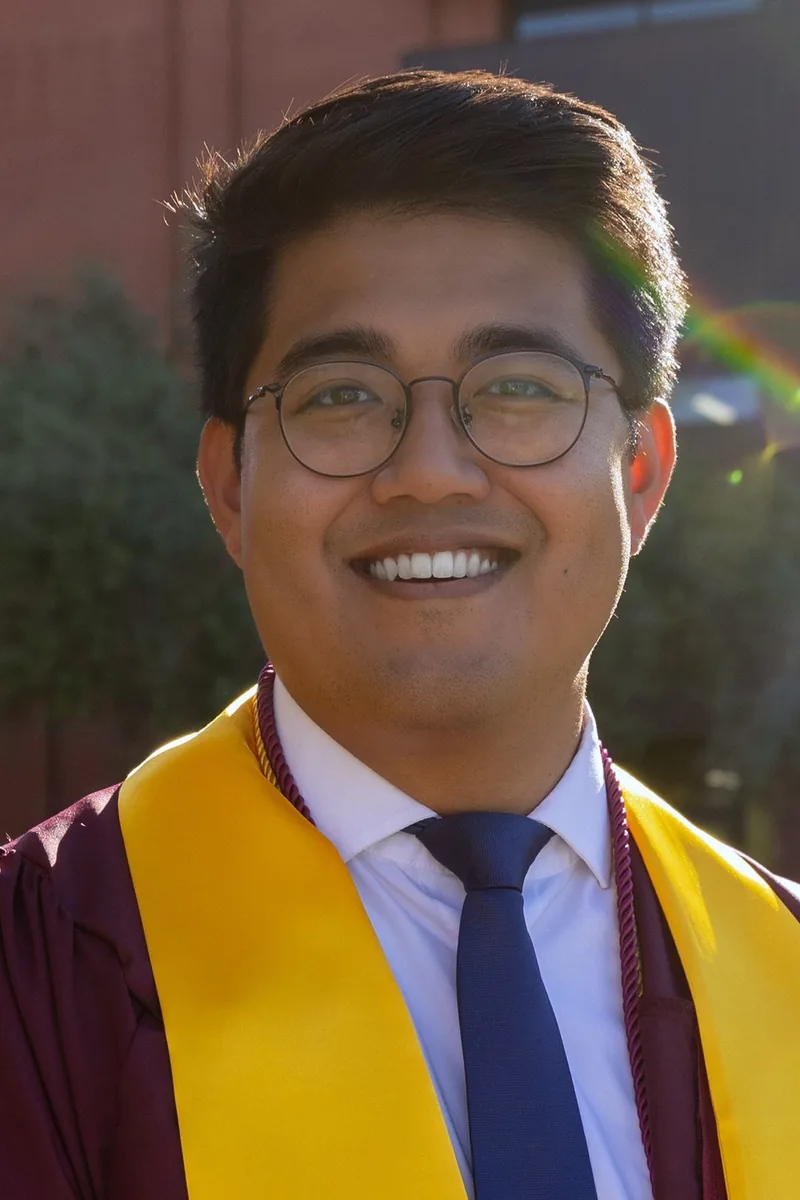
Hello! I am an Arizona State University graduate with a Bachelors of Science in Biological Science. My academic background is grounded in both technical problem-solving and a deep curiosity about how systems, whether digital or human, function. Outside the classroom, I've had the opportunity to work with students across a range of ages and abilities, from mentoring engineering and premed undergraduates at ASU to tutoring high schoolers in SAT/ACT prep, as well as K-12 students through Teach for America. I am comfortable with a range of subjects and am willing to work to meet your needs. Below are some of courses I have successfully tutored for in the past. K12 Subjects Elementary School (K5) Math (Basic Arithmetic, Word Problems) Reading & Phonics Writing & Grammar Science Social Studies Study & Organization Skills Middle School (68) Pre-Algebra Algebra I General Science (Life, Earth, Physical) English Language Arts (Reading, Writing) U.S. History & World History Intro to Coding / Computer Science High School (912) Algebra I & II Geometry Trigonometry Pre-Calculus Calculus AB/BC Biology (General, Honors) Chemistry (General, Honors) Physics (Conceptual, Algebra-Based) English Literature & Composition Essay Writing & Editing U.S. History & World History Psychology Economics & Government Health / Human Development Ethics / Philosophy Study Skills / Test Prep Standardized Test Prep SAT: Math, Reading, Writing & Language, Essay ACT: Math, Science, English, Reading, Essay PSAT MCAT (Content review & strategy) TOEFL / ESL (Certified ESL experience) AP Subjects AP Biology AP Chemistry AP Physics 1 AP Environmental Science AP Calculus AB AP Statistics AP English Language and Composition AP English Literature and Composition AP Psychology AP U.S. History AP World History AP U.S. Government & Politics AP Human Geography AP Macroeconomics / Microeconomics AP Computer Science Principles AP Seminar / Research College-Level Subjects STEM & Premed General Biology I & II Cell Biology Genetics Human Anatomy & Physiology General Chemistry I & II Organic Chemistry I & II Biochemistry Physics I & II (Algebra-Based) Calculus I & II Statistics (Introductory / Biostats) Humanities & Social Sciences Intro to Psychology Intro to Sociology Scientific Writing & Critical Thinking Medical Ethics Bioethics Philosophy of Science / Biology Research Writing & Academic Essays Business & Economics Intro to Macroeconomics Intro to Microeconomics Principles of Finance Financial Literacy / Budgeting Basics
Enzyme kinetics, amino acid structures, metabolic pathways — biochemistry demands that students hold chemistry and biology in their heads simultaneously. Pooja's dual immersion in biology coursework and science tutoring gives her a practical way of connecting molecular interactions to the bigger biological picture, so Michaelis-Menten plots and glycolysis diagrams start making sense together.
Co-teaching an organic chemistry lab at UC Berkeley — fielding questions, demonstrating techniques, working alongside a graduate TA — gave Yuxuan a fluency with reaction mechanisms that translates directly into how he teaches biochemistry topics like metabolic pathways and enzyme catalysis. His biochemistry degree means he can trace each step of something like the citric acid cycle back to the organic chemistry logic driving it, making dense pathway diagrams feel like a sequence of familiar reactions. Rated 4.9 by students.
Having served as an undergraduate teaching assistant for introductory biochemistry at Cornell, Josef knows exactly which concepts — cofactor roles, enzyme regulation, the interplay between metabolic pathways — trip students up for the first time. He teaches by showing how biochemistry synthesizes organic chemistry, cell biology, and thermodynamics into a single coherent story, so each pathway feels like a logical extension rather than a separate thing to memorize. Rated 5.0 by students.
Enzyme kinetics, metabolic pathways, and protein structure all demand a kind of thinking that sits right at the intersection of biology and chemistry — exactly where Jhonatan's neuroscience training lives. He unpacks topics like Michaelis-Menten kinetics and amino acid chemistry by connecting molecular details to the larger biological question of why a cell needs this reaction in the first place. Rated 5.0 by students.
Claire's chemistry degree and incoming medical school training at the University of Illinois College of Medicine mean she's worked through biochemistry from both the bench and the clinical side — enzyme mechanisms, metabolic regulation, and the molecular logic connecting organic chemistry to living systems. She breaks down dense pathways like the citric acid cycle or amino acid catabolism by mapping each step back to the underlying reaction chemistry, so students can reconstruct a pathway from principles instead of flashcards. Rated 5.0 by students.
Enzyme kinetics, metabolic pathways, amino acid chemistry — biochemistry sits right at the intersection of Alex's Bio-Organic Chemistry training. He teaches students to trace the logic of each pathway, connecting molecular structure to biological function so that something like the citric acid cycle becomes a series of predictable chemical transformations rather than an overwhelming diagram to memorize.
Earning a BS in Biochemistry from Boston College and then completing a PhD in molecular biology means Monika has spent years immersed in enzyme kinetics, metabolic pathways, and protein structure-function relationships. She tackles tough topics like the citric acid cycle and Michaelis-Menten kinetics by connecting each reaction to its biological purpose, turning rote memorization into logical storytelling.
Enzyme kinetics, metabolic pathways, protein structure — biochemistry demands that students hold molecular-level detail and big-picture biological function in their heads simultaneously. Yasheen earned dual degrees in biology and cellular/molecular biology from Yale and now works in a cancer biology lab, so she lives in this material daily. She's particularly sharp on topics like amino acid chemistry, Michaelis-Menten kinetics, and the regulation of glycolysis and the citric acid cycle.
Enzyme kinetics, metabolic pathways, protein structure, nucleic acid chemistry — biochemistry demands that students hold molecular detail and big-picture logic in their heads simultaneously. Sugi graduated summa cum laude with a biochemistry degree from Rice and now applies that knowledge daily in medical school at Baylor. She teaches each pathway as a narrative with clear inputs, outputs, and regulatory checkpoints rather than a list to memorize.
Enzyme kinetics, metabolic pathways, protein structure — biochemistry demands that students hold chemistry and biology in their heads simultaneously, which is exactly what medical school trains you to do daily. Jamie is currently at Sidney Kimmel Medical College and brings firsthand fluency with topics like Michaelis-Menten kinetics, amino acid chemistry, and the regulation of glycolysis and the citric acid cycle. He breaks down dense pathway diagrams into step-by-step logic that actually makes sense.
Rohan's economics training might seem distant from biochemistry, but econometrics and metabolic pathway analysis share a core skill — tracing how one variable's change cascades through an interconnected system. He applies that quantitative reasoning to topics like enzyme kinetics and metabolic regulation, breaking down rate equations and feedback loops with the same rigor he brings to economic models. Rated 4.9 by students.
Amino acid structures, enzyme kinetics, metabolic pathways — biochemistry demands that students hold molecular details and big-picture logic in their heads at the same time. Paul's biology honors work at Brown required exactly this kind of thinking, and he walks students through reaction mechanisms and pathway regulation with a clarity that makes the material stick.
David's neuroscience training at Yale meant wrestling with biochemistry from the nervous system's perspective — neurotransmitter synthesis, ion channel biophysics, and the metabolic demands that make the brain consume a disproportionate share of the body's glucose. Now pursuing a graduate degree in bioethics, he brings that mechanistic grounding to topics like amino acid chemistry and membrane transport, connecting each reaction to the biological system it supports. Holds a 5.0 rating.
Having worked in biochemical laboratories alongside his dual bachelor's degrees — including one in biochemistry — and his architecture studies at Columbia, Andrew brings a rare structural intuition to topics like protein folding and macromolecular assembly. He teaches metabolic pathways by building them up from their organic chemistry foundations, so students see each reaction as a logical next step rather than an isolated arrow on a diagram. Rated 4.9 by students.
Testimonials
Because the right Biochemistry tutor makes all the difference.
Average Session Rating – Based on 3.4M Learner Ratings
Practice Biochemistry
Free practice tests, flashcards, and AI tutoring for Biochemistry
Other Mesa Tutors
Related Science Tutors in Mesa
Frequently Asked Questions
Biochemistry combines chemistry and biology to study how molecules and chemical reactions work within living organisms—from protein synthesis to cellular respiration. Students often find it challenging because it requires understanding both abstract chemical concepts (like molecular structure and equilibrium) and how those concepts apply to biological systems. Success comes from connecting theory to real-world applications rather than memorizing isolated facts.
Students typically struggle with visualizing molecular structures and reaction mechanisms, balancing complex biochemical equations, and understanding metabolic pathways without seeing how each step connects to the bigger picture. Many also find it difficult to move beyond memorization to truly understand *why* reactions occur the way they do. Personalized tutoring helps by breaking down these abstract concepts into manageable pieces and showing the logic behind each process.
During an initial session, a tutor will assess your current understanding of foundational chemistry and biology concepts, identify specific areas where you're struggling, and learn about your learning style and goals. They'll then create a personalized plan that might include reviewing prerequisite material, tackling challenging topics like enzyme kinetics or protein folding, or preparing for exams. This tailored approach ensures every session builds directly on what you need most.
Yes. Tutors can help you understand lab protocols, interpret experimental results, and connect what you're observing in the lab to the biochemical principles you're learning in class. They can also guide you through the scientific method, help you troubleshoot when experiments don't go as planned, and prepare you to think critically about your findings—skills that are just as important as the lab techniques themselves.
No. While biochemistry does require knowing some key structures, pathways, and mechanisms, the focus should be on understanding *how* and *why* rather than pure memorization. Expert tutors help you build mental models of biochemical processes so you can reason through problems and apply concepts to new situations. When you understand the underlying logic, you'll retain information better and perform stronger on exams and in real-world applications.
Varsity Tutors connects you with expert tutors in Mesa who specialize in biochemistry and understand the specific curriculum and challenges you're facing. You can discuss your goals, learning style, and schedule preferences, and we'll match you with someone who has the expertise and teaching approach that works best for you. The right tutor will make complex concepts click and help you build genuine understanding.
Tutors use multiple strategies to make abstract concepts concrete—drawing out molecular structures, walking through reaction mechanisms step-by-step, using analogies to connect to things you already understand, and sometimes using molecular models or online visualization tools. By seeing these concepts from different angles and explaining them in your own words, you'll develop a clearer mental picture of how biochemical systems actually work.
Starting 4-6 weeks before a major exam gives you time to work through challenging topics systematically, identify knowledge gaps, and build confidence through practice problems and review. However, even a few weeks of focused tutoring can make a meaningful difference, especially if you target your weakest areas. The key is consistent practice and feedback—tutors help you study smarter, not just longer.
Let’s find your perfect tutor
Answer a few quick questions. We’ll recommend the right plan and match you with a top 5% tutor.