Award-Winning Microbiology Tutors
serving Mesa, AZ
Microbiology
Tutors in Mesa
Private 1-on-1 tutoring, weekly live classes for academic support, test prep & enrichment, practice tests and diagnostics, and more to elevate grades and test scores.
Based on 3.4M Learner Ratings
UniversitiesSchools & Universities
DeliveredHours Delivered
ProficiencyGrowth in Proficiency
Who needs tutoring?
No obligation. Takes ~1 minute.
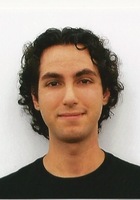
Daniel earned his bachelor's degree in microbiology before completing dental school, giving him deep familiarity with bacterial morphology, metabolic pathways, and host-pathogen interactions. He approaches topics like gram staining protocols and viral replication cycles with the kind of specificity that turns a dense subject into something students can reason through rather than just memorize.
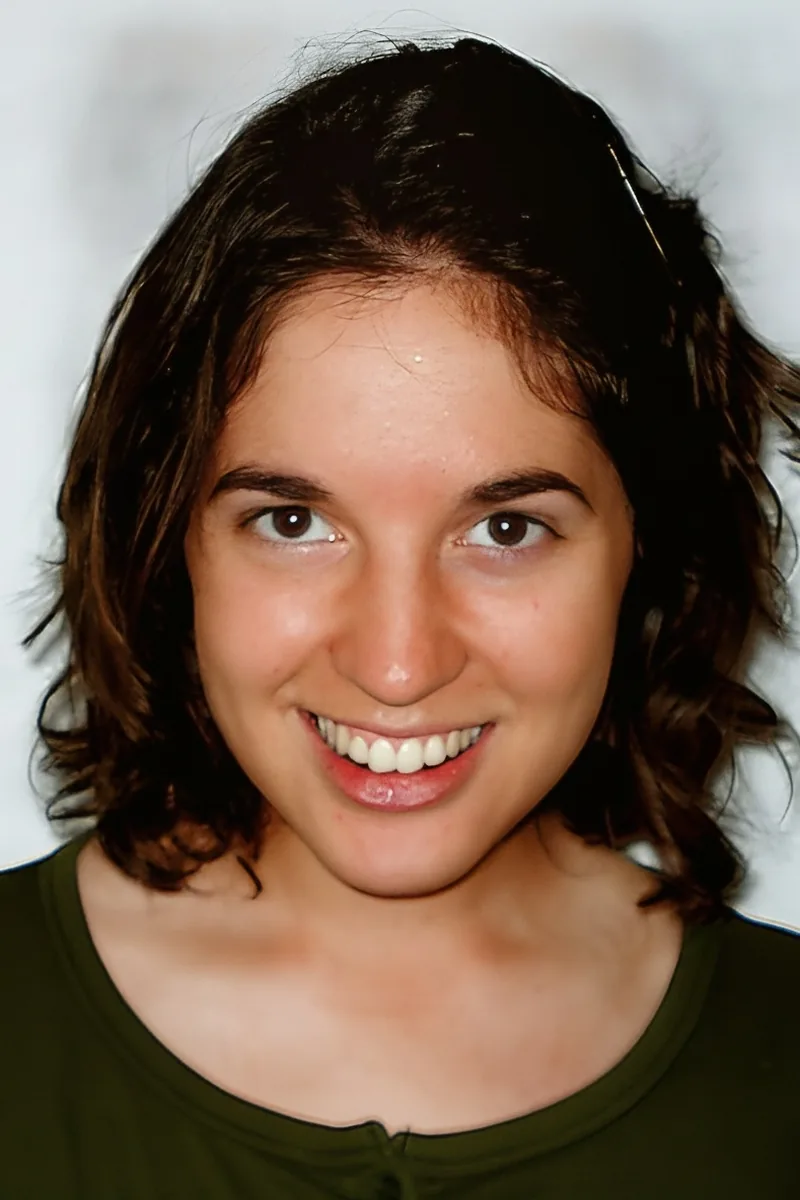
Studying both anthropology and biology gave Amanda an unusual lens on microbiology — she understands microorganisms not just as cellular machines but as agents that shaped human evolution, migration, and disease ecology across populations. That dual training, plus her physiology and anatomy teaching, means she can trace how pathogens interact with host systems at the tissue level while connecting microbial concepts like virulence and transmission to the bigger biological picture. Rated 4.9 by students.
An applied mathematics degree heavy on physics might not scream microbiology, but Madeleine's broad science coursework — spanning chemistry, biology, nutrition, and anatomy — means she's tackled the cellular and metabolic concepts that make microbial processes make sense. She's especially sharp at breaking down quantitative aspects like bacterial growth curves and population dynamics, where her math training turns intimidating data into clear, logical patterns. Rated 5.0 by students.
As a third-year D.O. student, Claire encounters microbiology in a clinical context every day — identifying pathogens, understanding antibiotic resistance mechanisms, and connecting bacterial virulence factors to patient symptoms. She teaches micro by organizing organisms around the patterns that actually matter for exams: gram stain characteristics, toxin types, and transmission routes. Rated 5.0 by her students.
I am a fourth-year medical student at a U.S. MD program with plans to pursue a career in cardiology. I am passionate about working with learners and helping them reach their academic goals. My strengths include standardized test preparation for the ACT, MCAT, and USMLE Step 1 and Step 2, as well as core subjects such as medicine, anatomy, physiology, pharmacology, biology, chemistry, biochemistry, physics, psychology, etc. In addition, I have extensive experience helping students craft compelling essays for college and medical school applications. I look forward to supporting you in achieving your next academic milestone!
Paul's biology degree gives him the cellular and molecular groundwork to break down microbiology's trickiest material — from endospore formation and metabolic diversity in prokaryotes to the mechanisms behind biofilm development. He also teaches organic chemistry, which means he can trace antimicrobial action and resistance at the chemical level when students need that deeper explanation. Rated 5.0 by students.
Josef's life sciences research at Cornell gave him hands-on familiarity with microbial systems, from bacterial cell structure and gram staining to pathogenic mechanisms and antibiotic resistance. He teaches microbiology by linking each organism's biology to its clinical or ecological significance, which makes classification and virulence factors far easier to retain.
Ryan's master's work in cellular and molecular biology at Stanford, combined with hands-on synthetic biology research at NASA Ames, gave him deep fluency in microbial genetics, metabolic pathways, and laboratory techniques like PCR and gene cloning. He unpacks topics like bacterial pathogenesis and antimicrobial resistance by connecting them to the molecular mechanisms driving each process. Rated 5.0 by students.
Understanding microbiology means getting comfortable with organisms you can't see — bacterial cell structure, viral replication cycles, and the metabolic pathways that keep microbes alive. Varuna's graduate work in biomedical engineering at Tufts involved the biological mechanisms that underpin infection and immunity, giving her a practical lens for teaching concepts like gram staining, antibiotic resistance, and microbial genetics.
A Harvard-trained biologist with classroom teaching experience, Elizabeth digs into microbial structure, metabolism, and pathogenesis with genuine enthusiasm for the subject. She's particularly strong at connecting micro-level processes — bacterial gene regulation, viral replication cycles — to the bigger biological picture. Her science teaching background means she can unpack dense material without losing the thread.
Michelle's PhD thesis centered on bacterial infections, so microbiology isn't a textbook subject for her — it's the system she lived in for years. She digs into topics like biofilm formation, antimicrobial resistance mechanisms, and host-pathogen dynamics with the kind of specificity that comes from designing experiments around those exact processes.
Understanding microbiology means keeping dozens of organisms, metabolic pathways, and virulence mechanisms straight — and knowing when the differences actually matter. Jonathan's human biology training and pre-med preparation at Cornell gave him a clinical lens for bacterial genetics, host-pathogen interactions, and antimicrobial resistance that makes the material more intuitive than rote flashcard review.
A Stanford-trained biologist, Abhinav digs into microbiology topics like bacterial cell structure, metabolic pathways, and host-pathogen interactions with the detail they demand. He connects concepts across scales — linking molecular mechanisms like quorum sensing to broader outcomes like biofilm formation — so students see microbiology as a story rather than a catalog of organisms.
A Stanford Human Biology degree with a concentration in bioinformatics gave Matthew a computational angle on microbiology — he thinks about microbial populations in terms of gene expression data, genomic analysis, and the quantitative patterns underlying concepts like antibiotic resistance and pathogen evolution. That top-down, systems-level perspective is especially useful for students who struggle to see how individual topics like bacterial metabolism or viral replication fit into the bigger biological picture. Rated 4.9 by students.
Understanding microbiology means more than memorizing bacterial classifications — it requires seeing how metabolic pathways, genetic regulation, and environmental pressures shape microbial behavior. Alec studied genetics, genomics, and development at Cornell and taught biology content in both lecture and small-group settings, giving him a knack for making concepts like quorum sensing or virulence factor regulation feel intuitive rather than overwhelming.
Haley's day job in a public health laboratory gives her hands-on experience with the bacterial cultures, staining techniques, and antimicrobial susceptibility testing that microbiology courses cover in theory. She brings real bench context to topics like gram-negative vs. gram-positive classification, metabolic pathways, and pathogenesis — turning textbook organisms into something tangible. Rated 5.0 by students.
Bioengineering trains you to think about microorganisms as systems — how bacterial metabolism, gene regulation, and surface interactions can be modeled, measured, and manipulated. Casey applies that engineering mindset to microbiology topics like growth kinetics and sterilization techniques, breaking down each process into the quantitative and biological components that actually explain it. Her parallel background in physiology and organic chemistry lets her trace microbial behavior from the molecular scale up to host-level effects.
Medical school gave Kruti an unusually practical understanding of microbiology — she learned bacteria, viruses, fungi, and parasites not as abstract taxonomy but as organisms that cause specific diseases through specific mechanisms. She digs into concepts like virulence factors, antibiotic resistance pathways, and immune evasion strategies with the kind of detail that sticks. Students preparing for college-level micro exams or USMLE-style questions get someone who's recently navigated both.
Testimonials
Because the right Microbiology tutor makes all the difference.
Average Session Rating – Based on 3.4M Learner Ratings
Other Mesa Tutors
Related Science Tutors in Mesa
Frequently Asked Questions
Microbiology students often struggle with visualizing microscopic organisms and cellular processes that can't be seen with the naked eye, making abstract concepts difficult to grasp. Additionally, many students find it challenging to connect theoretical knowledge—like metabolic pathways and genetic mechanisms—to real-world applications in medicine, food safety, and environmental science. Personalized 1-on-1 instruction helps break down these complex topics into manageable pieces and uses visual aids and real-world examples to make concepts click.
Tutors help students understand the scientific method, proper experimental design, and how to interpret lab results—skills that go beyond just following procedures. Whether you're learning to culture bacteria, use microscopy techniques, or analyze microbial growth patterns, personalized tutoring clarifies the 'why' behind each step and helps you troubleshoot when experiments don't go as planned. This deeper understanding makes lab work more meaningful and prepares you for both assessments and future coursework in health sciences or research.
While Microbiology does involve learning terminology and facts, the real skill is understanding how microorganisms function, interact with their environment, and affect human health and ecosystems. Expert tutors help you move beyond memorization by teaching you to connect concepts—like how antibiotic resistance develops or why certain bacteria thrive in specific conditions—so you can apply knowledge to new situations. This conceptual approach not only improves test performance but builds the scientific reasoning skills you'll need in advanced courses or careers in healthcare and research.
Your first session is about understanding your specific challenges and learning goals—whether that's preparing for an exam, mastering difficult concepts like bacterial genetics, or building confidence with lab reports. The tutor will assess your current understanding, identify knowledge gaps, and create a personalized plan tailored to your needs and learning style. You'll likely work through a specific topic or problem together to establish how the tutor can best support your success in Microbiology.
With 37 school districts and 194 schools across Mesa, students encounter different Microbiology programs and standards. Varsity Tutors connects you with expert tutors who are familiar with various curricula—whether you're in high school biology with a microbiology unit, a college-level microbiology course, or a specialized program in health sciences. Tutors adapt their instruction to match your specific course requirements, textbook, and teacher's expectations.
One of the biggest hurdles in Microbiology is understanding structures and processes you can't see directly—from bacterial cell walls to viral replication. Tutors use diagrams, animations, models, and real microscopy images to help you build mental pictures of these microscopic worlds. By connecting what you see under a microscope to the underlying biology, personalized instruction transforms abstract concepts into concrete understanding you can apply to exams and lab work.
Absolutely. Tutors help you identify which topics are most likely to appear on your exam, practice applying concepts to different scenarios, and develop strategies for tackling challenging questions. Rather than cramming isolated facts, you'll build connected knowledge where understanding one concept helps you grasp related ones—a much more effective approach for retaining information and performing well on exams. Practice testing and retrieval practice are key strategies tutors use to strengthen your long-term retention.
Varsity Tutors makes it easy to connect with expert tutors who specialize in Microbiology and understand the needs of Mesa-area students. You'll tell us about your specific goals—whether that's mastering a particular unit, improving exam scores, or building foundational understanding—and we'll match you with a tutor whose expertise and teaching style fit your needs. From there, you can start personalized 1-on-1 instruction at a pace and schedule that works for you.
Let’s find your perfect tutor
Answer a few quick questions. We’ll recommend the right plan and match you with a top 5% tutor.