Award-Winning Microbiology Tutors
serving Tucson, AZ
Microbiology
Tutors in Tucson
Private 1-on-1 tutoring, weekly live classes for academic support, test prep & enrichment, practice tests and diagnostics, and more to elevate grades and test scores.
Based on 3.4M Learner Ratings
UniversitiesSchools & Universities
DeliveredHours Delivered
ProficiencyGrowth in Proficiency
Who needs tutoring?
No obligation. Takes ~1 minute.
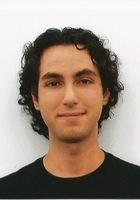
Daniel earned his bachelor's degree in microbiology before completing dental school, giving him deep familiarity with bacterial morphology, metabolic pathways, and host-pathogen interactions. He approaches topics like gram staining protocols and viral replication cycles with the kind of specificity that turns a dense subject into something students can reason through rather than just memorize.
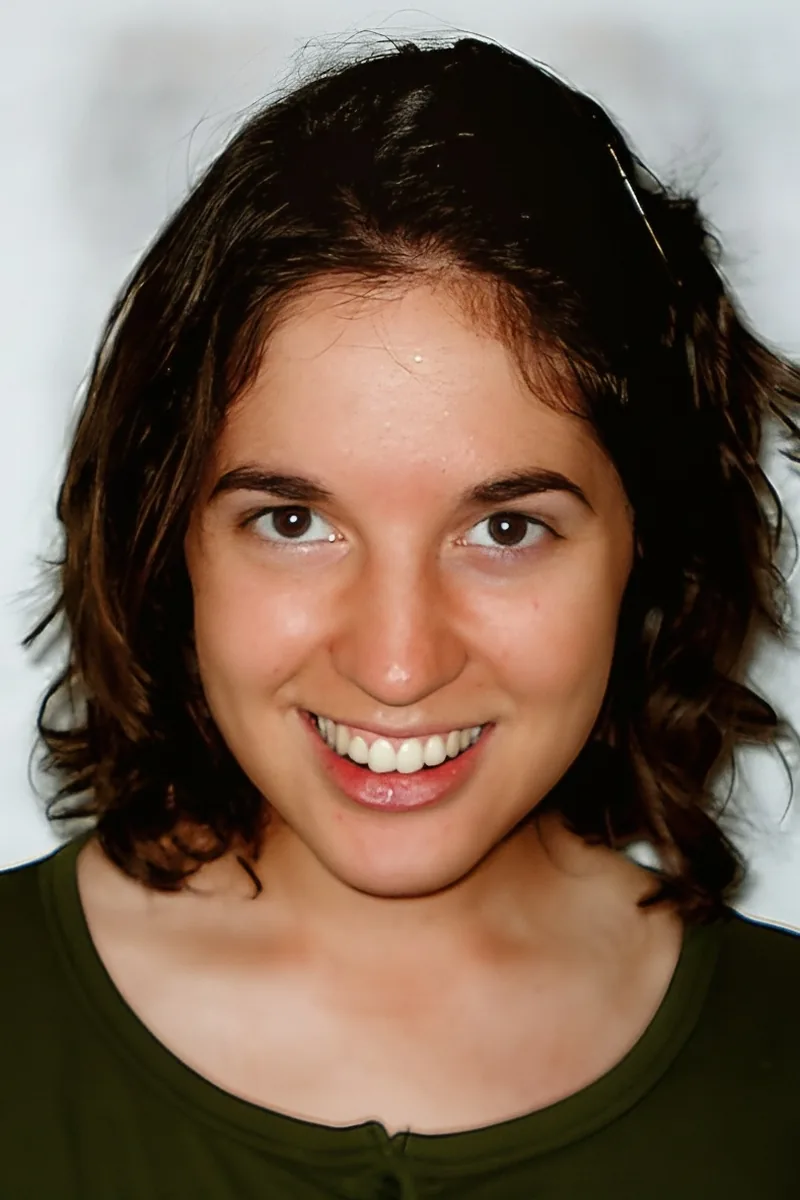
Studying both anthropology and biology gave Amanda an unusual lens on microbiology — she understands microorganisms not just as cellular machines but as agents that shaped human evolution, migration, and disease ecology across populations. That dual training, plus her physiology and anatomy teaching, means she can trace how pathogens interact with host systems at the tissue level while connecting microbial concepts like virulence and transmission to the bigger biological picture. Rated 4.9 by students.
An applied mathematics degree heavy on physics might not scream microbiology, but Madeleine's broad science coursework — spanning chemistry, biology, nutrition, and anatomy — means she's tackled the cellular and metabolic concepts that make microbial processes make sense. She's especially sharp at breaking down quantitative aspects like bacterial growth curves and population dynamics, where her math training turns intimidating data into clear, logical patterns. Rated 5.0 by students.
As a third-year D.O. student, Claire encounters microbiology in a clinical context every day — identifying pathogens, understanding antibiotic resistance mechanisms, and connecting bacterial virulence factors to patient symptoms. She teaches micro by organizing organisms around the patterns that actually matter for exams: gram stain characteristics, toxin types, and transmission routes. Rated 5.0 by her students.
I am a fourth-year medical student at a U.S. MD program with plans to pursue a career in cardiology. I am passionate about working with learners and helping them reach their academic goals. My strengths include standardized test preparation for the ACT, MCAT, and USMLE Step 1 and Step 2, as well as core subjects such as medicine, anatomy, physiology, pharmacology, biology, chemistry, biochemistry, physics, psychology, etc. In addition, I have extensive experience helping students craft compelling essays for college and medical school applications. I look forward to supporting you in achieving your next academic milestone!
Paul's biology degree gives him the cellular and molecular groundwork to break down microbiology's trickiest material — from endospore formation and metabolic diversity in prokaryotes to the mechanisms behind biofilm development. He also teaches organic chemistry, which means he can trace antimicrobial action and resistance at the chemical level when students need that deeper explanation. Rated 5.0 by students.
From bacterial gene regulation to viral replication strategies, microbiology demands comfort with both molecular detail and big-picture ecology. Zachary's graduate work in molecular biology gave him hands-on familiarity with the techniques and concepts — Gram staining, quorum sensing, antibiotic resistance mechanisms — that form the backbone of most microbiology courses.
Studying both Biology and Political Science at the college level, Andrea is immersed in microbiology coursework — from bacterial cell structure and metabolic pathways to viral replication cycles. She unpacks dense material by tying molecular-level processes to bigger-picture concepts like immune response and antibiotic resistance, which makes the details easier to retain.
Before pursuing her graduate degree, Kelsey taught microbiology at a community college, designing her own review materials and walking students through bacterial metabolism, microbial genetics, and lab techniques like Gram staining and culture analysis. That classroom experience means she knows which concepts trip students up — and how to explain them differently the second time around. Rated 4.9 by students.
Medical school at Jefferson means Jamie is learning microbiology the way clinicians actually use it — identifying pathogens, understanding infection mechanisms, and connecting antimicrobial treatments to the specific vulnerabilities of each organism. That clinical lens, built on top of pre-med coursework in biology, biochemistry, and physiology, lets her trace a concept like bacterial virulence from the molecular machinery driving it all the way to the patient outcome it produces.
Studying biomedical engineering means Cassandra has spent serious time with microbial physiology, from bacterial cell structure and metabolic pathways to how pathogens interact with host immune systems. She teaches microbiology by linking each organism's characteristics to the mechanisms that make it clinically or industrially relevant, turning dense material into a coherent story.
I'm a current medical student at VCU School of Medicine, and a graduate of Johns Hopkins University. I received my Bachelor of Science in Molecular and Cellular Biology. I've had the pleasure of tutoring a diverse range of students for 5 years; while I tutor a broad set of subjects, I'm most passionate about biology, psychology, and chemistry. I'm a big proponent of ensuring understanding over memorization and teaching concepts that last for years to come (particularly for other students interested in medicine!) In my free time, I love to write poetry, edit essays, and gush about game writing with friends.
As a fourth-year medical student at Thomas Jefferson University, Anshel has spent years immersed in bacterial pathogenesis, antimicrobial mechanisms, and the clinical consequences of infections that microbiology courses describe in the abstract. He connects concepts like gram staining, virulence factors, and antibiotic resistance to the patient scenarios that make them memorable. That clinical lens turns dense microbiology material into something students can actually reason through on exams.
Understanding microbiology means keeping dozens of organisms, metabolic pathways, and virulence mechanisms straight — and knowing when the differences actually matter. Jonathan's human biology training and pre-med preparation at Cornell gave him a clinical lens for bacterial genetics, host-pathogen interactions, and antimicrobial resistance that makes the material more intuitive than rote flashcard review.
I believe every student can make meaningful progress when instruction is tailored to their starting point, goals, and learning style. With more than 15 years of tutoring and teaching experience, including SAT, ACT, MCAT, and medical licensing examinations, along with a background teaching chemistry and physics, I help students strengthen academic skills, improve test-taking strategies, and build confidence. My approach is individualized and results-focused. I identify strengths and knowledge gaps, then create a clear plan targeting content, problem-solving, timing, organization, and study habits. I am patient, encouraging, and experienced working with diverse learning needs, including ADHD, as well as students who struggle with test anxiety, focus, or confidence. I also value clear communication with students and families so everyone understands the student's goals, progress, and next steps.
Understanding bacterial metabolism, viral replication cycles, and immune response pathways requires more than memorizing diagrams — it requires seeing how microorganisms interact with living systems. Li's training in both speech-and-hearing science and medicine gives her a clinical lens that makes microbiology concepts feel relevant and interconnected.
Understanding microbiology means more than memorizing bacterial classifications — it requires seeing how metabolic pathways, genetic regulation, and environmental pressures shape microbial behavior. Alec studied genetics, genomics, and development at Cornell and taught biology content in both lecture and small-group settings, giving him a knack for making concepts like quorum sensing or virulence factor regulation feel intuitive rather than overwhelming.
Between her Columbia nutrition degree and her PA training at Rutgers, Victoria has spent years studying bacterial metabolism, host-pathogen interactions, and immune responses at the cellular level. She unpacks microbiology concepts like gram staining protocols, virulence factors, and microbial genetics by tying them to clinical scenarios that make the material stick.
Testimonials
Because the right Microbiology tutor makes all the difference.
Average Session Rating – Based on 3.4M Learner Ratings
Other Tucson Tutors
Related Science Tutors in Tucson
Frequently Asked Questions
Microbiology requires understanding both microscopic structures you can't see with the naked eye and complex metabolic processes happening at the cellular level. Students often struggle with visualizing bacterial cell structures, grasping how pathogens cause disease, and connecting lab observations to theoretical concepts. Personalized tutoring helps bridge the gap between memorizing facts and truly understanding how microorganisms function and interact with their environments.
Expert tutors can help you design experiments properly, understand the scientific method as it applies to microbiology, and interpret lab results with confidence. Whether you're culturing bacteria, performing staining techniques, or analyzing microscope observations, personalized instruction helps you connect hands-on work to the underlying microbiology principles. This strengthens both your experimental skills and your ability to think scientifically about microbial behavior.
Microbiology is far more than memorization—it's about understanding how microorganisms function, interact, and impact human health and the environment. While there are facts to learn (like bacterial structures and metabolic pathways), the real skill is applying that knowledge to explain why certain organisms behave certain ways or how antibiotics work at the molecular level. Tutors help you build conceptual frameworks so you can reason through problems rather than rely on rote memory.
Many students struggle with visualizing things too small to see with the naked eye—from bacterial flagella to viral replication. Expert tutors use diagrams, models, and real microscope images to help you build mental pictures of these structures and processes. Breaking down complex mechanisms into smaller, understandable steps makes abstract concepts concrete, so you can confidently explain what's happening at the microscopic level.
Microbiology courses generally cover bacterial structure and function, viral biology, fungal and parasitic organisms, microbial genetics, metabolism, and how microorganisms interact with hosts and environments. Most courses also include practical applications like antibiotic resistance, food safety, and disease transmission. For students in Tucson taking high school or college-level Microbiology, personalized tutoring can help you master each unit and see how topics connect to real-world scenarios.
Your first session is about understanding where you are and where you want to go. A tutor will assess your current understanding of microbiology concepts, identify specific challenges (whether it's bacterial taxonomy, disease mechanisms, or lab techniques), and create a personalized plan tailored to your goals. This might include reviewing recent coursework, discussing upcoming exams or projects, and establishing a study strategy that works for your learning style.
Look for tutors with strong backgrounds in microbiology or related sciences—ideally with college-level coursework or professional experience working with microorganisms. The best tutors can explain complex concepts clearly, relate theory to real-world applications, and guide you through lab work confidently. Varsity Tutors connects you with expert tutors who understand both the subject matter and how to help students develop genuine understanding rather than surface-level knowledge.
Tutors help you identify which concepts you truly understand versus which ones you're just memorizing, then focus study time on areas that need work. They can walk you through practice problems, explain why certain answers are correct, and teach you strategies for tackling different question types on exams. With personalized instruction, you'll develop the deeper understanding needed to answer application-based questions, not just recall facts.
Let’s find your perfect tutor
Answer a few quick questions. We’ll recommend the right plan and match you with a top 5% tutor.