Award-Winning AP English Literature and Composition Tutors
serving Concord, CA
AP English Literature and Composition
Tutors in Concord
Private 1-on-1 tutoring, weekly live classes for academic support, test prep & enrichment, practice tests and diagnostics, and more to elevate grades and test scores.
Based on 3.4M Learner Ratings
UniversitiesSchools & Universities
DeliveredHours Delivered
ProficiencyGrowth in Proficiency
Who needs tutoring?
No obligation. Takes ~1 minute.
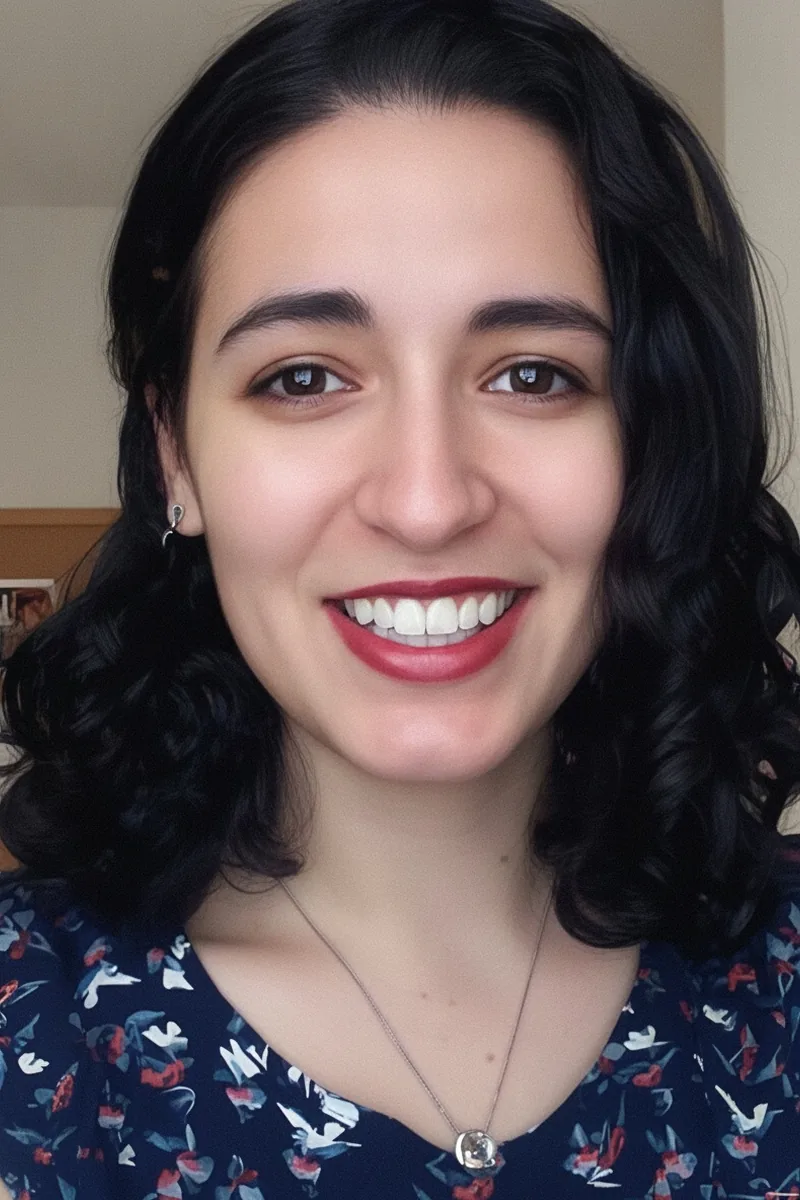
Poetry analysis is where Carla comes alive. Her deep background in English literature means she can teach students to unpack a Dickinson poem's slant rhyme or trace the symbolic architecture of a Toni Morrison novel — exactly the kind of close reading that earns high marks on AP Lit free-response essays. She also coaches students on managing the multiple-choice section's time pressure without sacrificing careful reading.
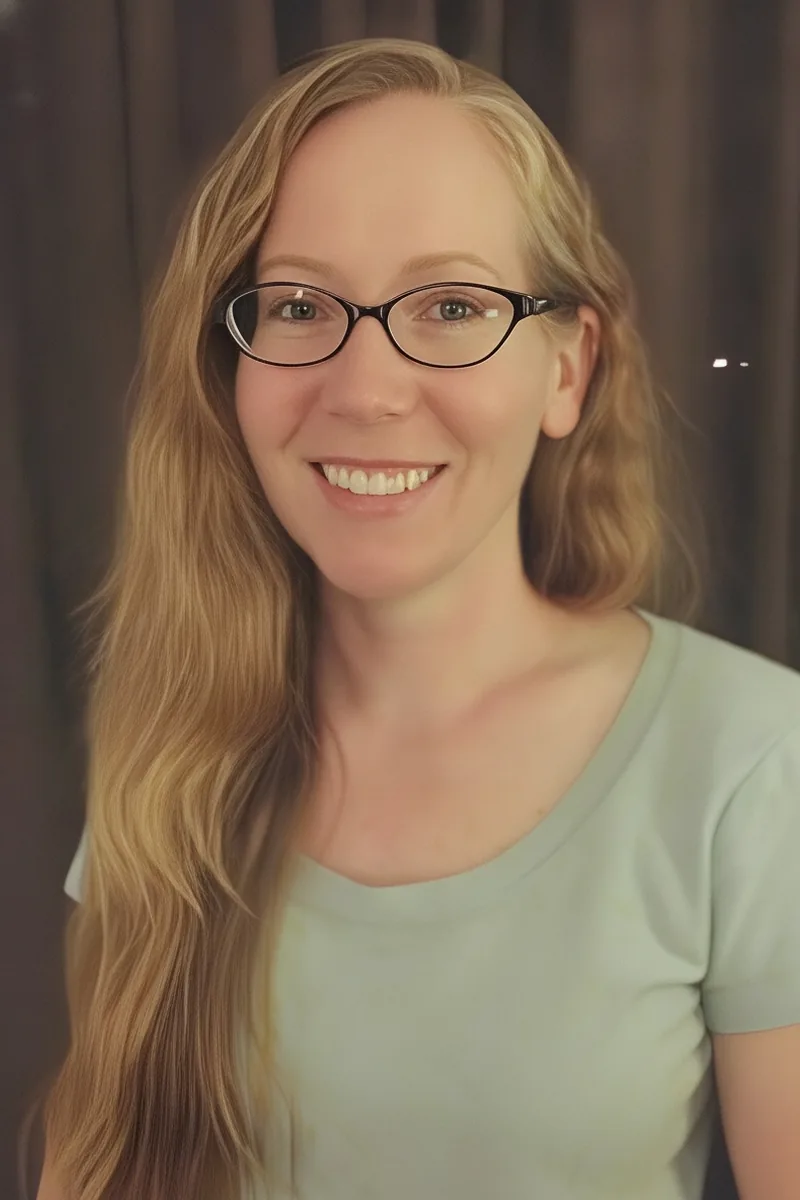
AP Lit's free-response questions reward students who can move past plot summary and build an argument about how literary devices shape meaning — identifying how a shift in tone or a recurring symbol drives a poem's central tension. Dorothy's English degree and deep reading background mean she teaches students to dissect prose and poetry passages with the specificity that earns 7s, 8s, and 9s on exam essays.
AP English Literature demands more than close reading — it requires building an argument about a text under time pressure, which is essentially a performance. Michael trained at NYU's Atlantic Acting School and Experimental Theatre Wing, where he spent years dissecting scripts for subtext, symbolism, and authorial intent — the same analytical muscles the AP Lit exam tests. He teaches students to craft thesis-driven free-response essays that move beyond plot summary into genuine literary analysis.
AP Lit essays live or die on how well a student can move from observation to interpretation — noticing a shift in meter or a recurring image is only the beginning; the real work is arguing what it means. Patrick earned his MFA in Creative Writing, which means he reads poetry and fiction the way the exam expects students to: as carefully constructed texts where every choice matters. He digs into close reading techniques for the free-response essays while also drilling the multiple-choice skills that anchor a strong composite score.
AP Lit asks students to do something genuinely difficult: read a poem or prose passage cold and produce a polished analytical essay in 40 minutes. Jonathan teaches a close-reading method that starts with identifying a text's central tension — between characters, images, or tonal shifts — and builds every paragraph around that thread. His own writing background in college English and essay composition keeps his feedback specific and actionable.
AP Lit's free-response questions reward students who can do more than summarize — they need to build an argument about how literary devices create meaning within a passage. Max teaches students to dissect prose and poetry prompts by identifying tone shifts, narrative structure, and figurative language, then weaving those observations into a cohesive thesis. His background teaching both history and English in a Boston high school means he's coached students through the exact pressure of timed analytical writing.
AP Lit demands more than knowing what a poem or novel is about — it requires writing about how literary choices create meaning under serious time pressure. Rebecca's English degree from Notre Dame, paired with her deep reading background in comparative literature and philosophy, gives her a sharp eye for the kind of close-reading analysis that earns high marks on poetry and prose essays.
AP Lit's free-response questions demand more than plot summary — they require students to argue how literary devices create meaning within a specific passage. Nicole earned her English Literature degree from McGill, where close reading of poetry, drama, and prose fiction was the daily expectation. She teaches students to build essays around a controlling interpretation rather than defaulting to vague thematic statements.
AP Lit asks students to do something genuinely difficult: read a poem or prose passage cold and produce a polished analytical essay under time pressure. Merav's MFA in Theater Arts means she spent years dissecting dramatic texts for subtext, imagery, and structural choices — exactly the interpretive muscles this exam tests. She teaches students to build a thesis from a single, well-chosen literary device rather than summarizing plot.
AP Lit asks students to do something genuinely difficult: read a poem or prose passage cold and produce a polished literary argument in forty minutes. Jean's dual background in history and law sharpened her ability to construct tight, evidence-driven arguments under pressure — exactly the skill this exam rewards. She teaches students to move past plot summary and dig into how literary devices like imagery, tone shifts, and narrative structure create meaning.
AP Lit asks students to do something genuinely difficult: read a poem or prose passage cold and produce a polished analytical essay under time pressure. Noelle unpacks literary devices like imagery, tone shifts, and narrative structure by showing how each one serves the author's larger argument — the kind of close reading that earns high marks on the free-response questions. Her love of reading and writing gives her a natural ear for the nuances the exam rewards.
AP English Literature asks students to do exactly what Winnie was trained for: read a poem or prose passage cold and produce a sharp, thesis-driven essay under time constraints. Her comparative literature background means she can teach students to analyze imagery, narrative voice, and structural choices across traditions — from Victorian novels to postcolonial fiction — with the specificity the exam demands.
AP Lit asks students to do something most high schoolers haven't practiced: read a poem or prose passage cold and immediately build an argument about how its literary devices create meaning. Jake tackles this by teaching close-reading techniques — tracking shifts in tone, identifying figurative patterns, and connecting formal choices to thematic claims — so the timed essay feels less like a scramble and more like a structured conversation with the text.
AP English Literature demands more than summarizing a novel — it asks students to dissect how imagery, tone, and narrative structure produce meaning in a specific passage. David's English degree and his graduate work with rare books and manuscripts gave him a close-reading discipline that translates directly into the kind of textual analysis the free-response essays reward. He teaches students to build arguments from the text outward, anchoring every claim in concrete literary evidence.
AP Lit asks students to do something most high schoolers haven't practiced: build an argument about how a poem or passage works, not just what it means. Brittany's Yale literature background and college-level teaching experience mean she can walk through the difference between summary and analysis, then show how to structure a timed essay that earns top marks on the rubric.
Hello, students! My name is Pranav, and I'm so excited to be tutoring with Varsity Tutors. I have vast experience tutoring both personally and professionally; I've held officer positions in several nonprofit organizations, including STEMpals and The Do Re Mi Project, teaching courses ranging from biology to music theory. I took 16 AP courses throughout high school with all 5s, and I earned a 1570 on my SAT, so I'm pretty familiar with the majority of academic subjects! I have experience tutoring any and all skill levels, and I'm always open to expanding my horizons, so please don't hesitate to book your first lesson. I'm looking forward to meeting with you!
Analyzing how a poet's syntax mirrors emotional tension, or tracing a novel's symbolic architecture across 300 pages — AP Lit demands close reading at a level most high schoolers haven't encountered before. Martha's experience writing analytical papers at Duke and editing college essays sharpens her ability to teach students how to build a thesis from textual evidence and defend it in a timed essay.
Testimonials
Because the right AP English Literature and Composition tutor makes all the difference.
Average Session Rating – Based on 3.4M Learner Ratings
Practice AP English Literature and Composition
Free practice tests, flashcards, and AI tutoring for AP English Literature and Composition
Nearby AP English Literature and Composition Tutors
Other Concord Tutors
Related English Tutors in Concord
Frequently Asked Questions
The AP English Literature and Composition exam tests your ability to analyze poetry, prose, and drama through close reading and literary interpretation. The exam includes a multiple-choice section (45 questions in 60 minutes) and a free-response section with three essays: one analyzing a provided poem, one analyzing a prose passage, and one argument essay on a work of your choice. Success requires understanding literary devices, rhetorical strategies, and the ability to support interpretations with textual evidence.
Score improvement depends on your starting point and how consistently you engage with practice. Many students see gains of 1-2 score points (on the 1-5 scale) when they work with a tutor to identify weak areas—whether that's analyzing complex poetry, managing essay timing, or strengthening textual evidence in arguments. The key is targeted practice: understanding why you missed questions, learning to recognize common question patterns, and building confidence in your analysis skills before test day.
Students often struggle with three main areas: managing the pacing of the multiple-choice section (45 questions in 60 minutes leaves little margin for error), developing sophisticated literary analysis beyond surface-level observations, and crafting well-organized essays under timed pressure. Additionally, many students find poetry analysis particularly challenging because it requires identifying subtle devices and explaining their purpose. Personalized tutoring helps you develop strategies for each section and build the analytical confidence you need.
Varsity Tutors connects you with expert tutors who assess your current skills through practice tests and sample essays, then create a personalized study plan targeting your weak areas. Whether you need help understanding literary devices, improving your essay structure, or developing faster reading strategies for the multiple-choice section, tutors work with you on real exam materials and provide detailed feedback on your practice work. Sessions typically include analyzing released AP exam questions, writing and revising essays, and building test-taking strategies.
Strong AP essays require a clear thesis, specific textual evidence, and sophisticated analysis that explains why the evidence matters. Many students lose points by summarizing the text instead of analyzing it, or by choosing weak evidence that doesn't directly support their argument. A tutor can help you develop a formula for organizing your ideas quickly under pressure, teach you how to select the most powerful quotes, and show you how to write analysis that goes beyond plot summary to explore literary meaning and effect.
The multiple-choice section rewards careful, strategic reading. Rather than rushing through passages, skilled test-takers annotate as they read to identify tone, literary devices, and the author's purpose—then answer questions with confidence. Common mistakes include choosing answers that are true but don't address what the question asks, or overthinking questions with clear textual support. Tutors can teach you to recognize question patterns, eliminate distractors effectively, and manage your 60 minutes so you have time to check your work on challenging questions.
Most students benefit from starting tutoring 2-3 months before the exam, though starting earlier gives you more time to build analytical skills and practice under timed conditions. A typical study schedule includes weekly tutoring sessions combined with independent practice: reading and annotating sample passages, writing timed essays, and reviewing practice test questions. The goal is consistent, focused practice rather than cramming—this approach builds the deep reading habits and analytical confidence that lead to higher scores.
Varsity Tutors connects you with expert tutors for students in Concord who specialize in AP English Literature and Composition and understand the specific demands of the exam. You can describe your goals and challenges, and we'll match you with a tutor who fits your learning style and schedule. Whether you need help with a particular section, want comprehensive exam prep, or are looking to boost your score in the final weeks before the test, you can get started with personalized tutoring tailored to your needs.
Let’s find your perfect tutor
Answer a few quick questions. We’ll recommend the right plan and match you with a top 5% tutor.