Award-Winning AP English Literature and Composition Tutors
serving San Jose, CA
AP English Literature and Composition
Tutors in San Jose
Private 1-on-1 tutoring, weekly live classes for academic support, test prep & enrichment, practice tests and diagnostics, and more to elevate grades and test scores.
Based on 3.4M Learner Ratings
UniversitiesSchools & Universities
DeliveredHours Delivered
ProficiencyGrowth in Proficiency
Who needs tutoring?
No obligation. Takes ~1 minute.
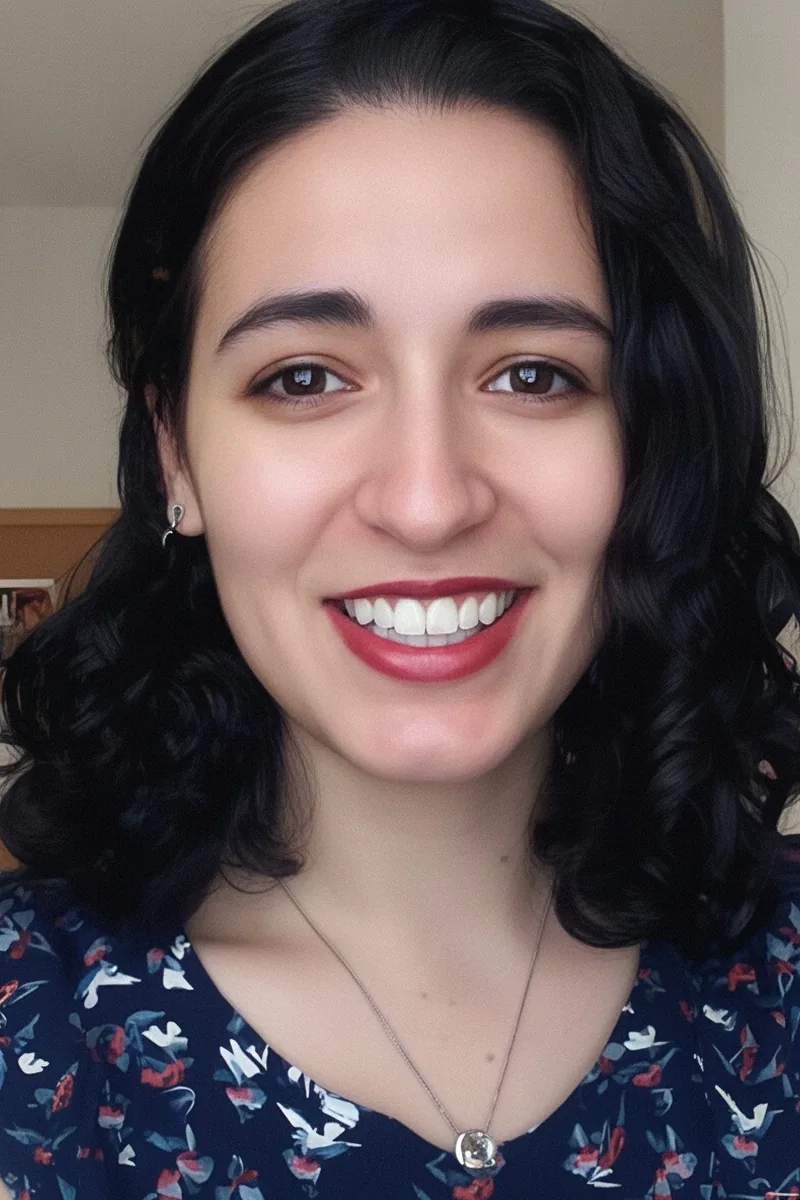
Poetry analysis is where Carla comes alive. Her deep background in English literature means she can teach students to unpack a Dickinson poem's slant rhyme or trace the symbolic architecture of a Toni Morrison novel — exactly the kind of close reading that earns high marks on AP Lit free-response essays. She also coaches students on managing the multiple-choice section's time pressure without sacrificing careful reading.
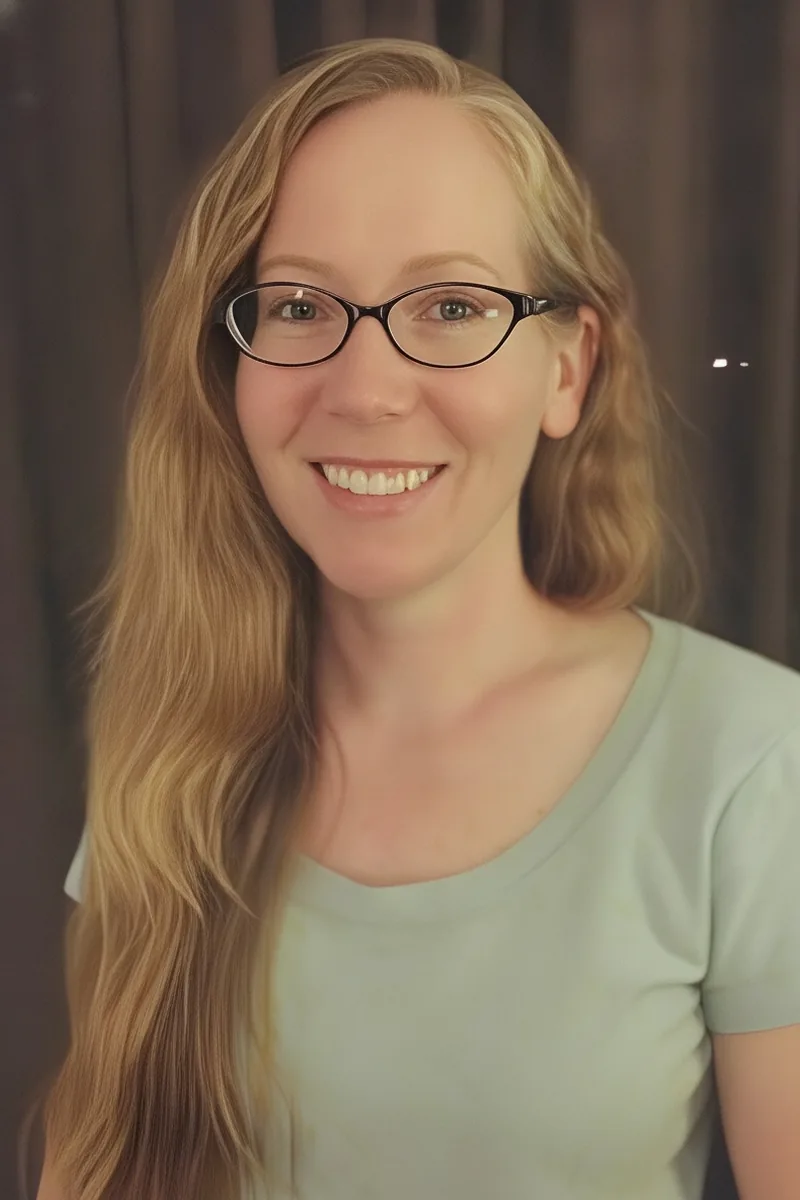
AP Lit's free-response questions reward students who can move past plot summary and build an argument about how literary devices shape meaning — identifying how a shift in tone or a recurring symbol drives a poem's central tension. Dorothy's English degree and deep reading background mean she teaches students to dissect prose and poetry passages with the specificity that earns 7s, 8s, and 9s on exam essays.
AP English Literature demands more than close reading — it requires building an argument about a text under time pressure, which is essentially a performance. Michael trained at NYU's Atlantic Acting School and Experimental Theatre Wing, where he spent years dissecting scripts for subtext, symbolism, and authorial intent — the same analytical muscles the AP Lit exam tests. He teaches students to craft thesis-driven free-response essays that move beyond plot summary into genuine literary analysis.
AP Lit essays live or die on how well a student can move from observation to interpretation — noticing a shift in meter or a recurring image is only the beginning; the real work is arguing what it means. Patrick earned his MFA in Creative Writing, which means he reads poetry and fiction the way the exam expects students to: as carefully constructed texts where every choice matters. He digs into close reading techniques for the free-response essays while also drilling the multiple-choice skills that anchor a strong composite score.
AP Lit asks students to do something genuinely difficult: read a poem or prose passage cold and produce a polished analytical essay in 40 minutes. Jonathan teaches a close-reading method that starts with identifying a text's central tension — between characters, images, or tonal shifts — and builds every paragraph around that thread. His own writing background in college English and essay composition keeps his feedback specific and actionable.
AP Lit demands more than understanding a poem — it requires writing a timed, thesis-driven essay that makes an interpretive argument about how literary techniques create meaning. Jamie's English degree from Birmingham-Southern and law training at Fordham built exactly that skill set: close reading combined with persuasive, evidence-based writing under pressure. Rated 4.9 by students.
I'm a current PhD student in the history department at Georgetown University who is also an experienced instructor with Varsity Tutors. As a recipient of several degrees, the most recent being a BA in history from Hillsdale College and a MA in Russian, East European, and Eurasian Studies from Stanford University, I have long sought to make teaching my profession. Meanwhile, as a volunteer grade school teacher and a tutor with this company, I have many years' experience helping students reach their full potential. I am capable of teaching students in many subjects, including reading, mathematics, test prep, Latin, and especially writing, history, and literature. In practice, I am comfortable adapting to different learning styles and specific student preferences. Outside of my academic and career endeavors, I enjoy cooking, reading, and listening to and making music.
AP Lit asks students to do something genuinely difficult: read a poem or prose passage cold and produce a polished analytical essay under time pressure. Wallis studied Russian and Art History at Sewanee, which means she spent four years dissecting literary and visual texts for symbolism, tone, and structural choices. She teaches students to build arguments around specific textual evidence rather than vague thematic summaries.
AP Lit asks students to do something genuinely difficult: read a poem or prose passage cold and produce a polished analytical essay under time pressure. Merav's MFA in Theater Arts means she spent years dissecting dramatic texts for subtext, imagery, and structural choices — exactly the interpretive muscles this exam tests. She teaches students to build a thesis from a single, well-chosen literary device rather than summarizing plot.
AP English Lit demands more than plot summary — it asks students to analyze how literary devices create meaning in poetry and prose, then argue that analysis under timed conditions. Jonathan's University of Chicago education, heavy in literature and philosophy, trained him to do exactly that: construct a tight, evidence-driven essay about tone, imagery, or narrative structure in under forty minutes. His debate background also sharpens the thesis-building skills that earn top scores on the free-response section.
AP English Literature rewards the kind of close, critical reading Victoria has spent years perfecting as a PhD candidate at Columbia, where she routinely dissects dense ethnographic and theoretical texts. She teaches students to build literary arguments that go beyond plot summary — analyzing how imagery, structure, and narrative voice create meaning in poetry and prose. Rated 5.0 by students.
AP Lit asks students to do something genuinely difficult: read a poem or prose passage cold and produce a polished literary argument in forty minutes. Jean's dual background in history and law sharpened her ability to construct tight, evidence-driven arguments under pressure — exactly the skill this exam rewards. She teaches students to move past plot summary and dig into how literary devices like imagery, tone shifts, and narrative structure create meaning.
AP English Literature asks students to do something genuinely hard: read a poem or passage cold and produce a coherent analytical essay under time pressure. Kahini earned her English degree at Brown, where close reading of literary form — meter, narrative structure, figurative language — was the daily expectation. She teaches students to build an argument from a single textual detail outward rather than summarizing plot.
AP Lit's free-response questions reward students who can move past plot summary and build an argument about how literary techniques create meaning. Andrew studied literature at the undergraduate level and later sharpened his argumentative writing through law school, so he teaches students to construct thesis-driven essays that connect imagery, diction, and structure to a poem's or novel's larger purpose. That combination of literary knowledge and persuasive writing skill shows in his 4.8 rating.
AP Lit asks students to do something genuinely difficult: read a poem or prose passage cold and produce a polished analytical essay under time pressure. Noelle unpacks literary devices like imagery, tone shifts, and narrative structure by showing how each one serves the author's larger argument — the kind of close reading that earns high marks on the free-response questions. Her love of reading and writing gives her a natural ear for the nuances the exam rewards.
Spending a semester at Madrid's top-ranked university reading literature alongside Spanish students sharpened Meghan's ability to dissect texts across cultural contexts — exactly the close-reading skill AP Lit demands. She teaches students to build thesis-driven essays around literary devices like imagery, tone shifts, and narrative structure, not just plot summary. Her 5.0 rating speaks to how well that translates in practice.
Earning a Secondary Teacher's certification while studying English means Hailey is learning not just how to analyze literature but how to teach that analysis — breaking down why a particular stanza's enjambment or a narrator's shifting reliability matters, then coaching students to articulate those insights in timed, thesis-driven essays. Her 32 ACT and 5.0 tutoring rating back up an approach rooted in making the leap from 'I noticed something' to 'here's my argument about what it means.'
Testimonials
Because the right AP English Literature and Composition tutor makes all the difference.
Average Session Rating – Based on 3.4M Learner Ratings
Practice AP English Literature and Composition
Free practice tests, flashcards, and AI tutoring for AP English Literature and Composition
Nearby AP English Literature and Composition Tutors
Other San Jose Tutors
Related English Tutors in San Jose
Frequently Asked Questions
The AP English Literature and Composition exam tests your ability to analyze and interpret literature across multiple genres—poetry, prose, and drama. The exam has two sections: a multiple-choice section where you analyze prose and poetry passages (45 minutes), and a free-response section with three essays (2 hours 15 minutes) covering close reading, comparative analysis, and argument-based writing. Success requires both strong reading comprehension and the ability to support literary analysis with specific textual evidence.
Score improvement depends on your starting point and commitment to targeted practice. Students who work with tutors on identifying weak areas—whether that's analyzing poetry, managing essay timing, or strengthening textual evidence in arguments—typically see meaningful gains. Many students benefit from focused preparation on the specific question formats and essay rubrics, combined with regular practice essays that receive detailed feedback. Consistent practice with real AP prompts, ideally 4-8 weeks before the exam, yields the strongest results.
Students often struggle with time management—the three essays in 2 hours 15 minutes require careful pacing and planning. Another common challenge is moving beyond basic plot summary to deeper literary analysis that identifies how authors use techniques like imagery, tone, and structure to create meaning. Many students also find the poetry section intimidating because they're less familiar with analyzing verse. Working with a tutor on essay planning strategies, close reading techniques, and timed practice can directly address these pain points.
Your first session typically involves assessing your current strengths and identifying specific areas for improvement—whether that's close reading skills, essay structure, or managing test anxiety. A tutor will likely review a practice essay or passage analysis you've completed to understand your writing style and analytical approach. From there, you'll work together to create a personalized study plan that targets your weak areas, establishes a practice schedule leading up to test day, and builds confidence through targeted feedback on real AP prompts.
Strong AP essays require a clear thesis, specific textual evidence, and analysis that explains how the evidence supports your argument—not just what the text says, but why it matters. Tutors help students develop efficient essay planning strategies, such as spending 3-5 minutes outlining before writing to avoid rambling or getting off-track. Regular timed practice with actual AP prompts, combined with detailed feedback on your thesis clarity and evidence selection, builds the skills and confidence needed to write compelling essays under pressure.
Ideally, you should complete at least 3-4 full-length practice exams in the 4-8 weeks leading up to test day, with at least one every 2 weeks. This gives you multiple opportunities to practice pacing, identify patterns in your mistakes, and build test-day stamina. Between full practice tests, focus on targeted drills for your weaker areas—whether that's multiple-choice passages or specific essay types. A tutor can help you analyze your practice test results to pinpoint exactly what to focus on next, making your study time more efficient.
While AP English Literature is the same exam nationwide, Varsity Tutors connects San Jose students with tutors who understand the specific curricula and teaching styles across the area's 58 school districts. Tutors can align their instruction with what you're learning in your school, help you catch up if you're behind, or accelerate your preparation if you're ahead. This personalized approach means you get support tailored to your exact situation and timeline leading up to the exam.
Look for tutors with strong backgrounds in literature analysis, essay writing, and ideally experience helping students prepare for the AP exam. They should be able to explain not just what makes an essay strong, but why—and provide specific, actionable feedback on your work. The best tutors understand the AP rubrics deeply, can identify your specific weaknesses quickly, and adapt their teaching style to how you learn best. Varsity Tutors connects you with experienced tutors who specialize in AP English Literature and can provide the targeted support you need.
Let’s find your perfect tutor
Answer a few quick questions. We’ll recommend the right plan and match you with a top 5% tutor.