Award-Winning Statistics Tutors
serving Long Beach, CA
Statistics
Tutors in Long Beach
Private 1-on-1 tutoring, weekly live classes for academic support, test prep & enrichment, practice tests and diagnostics, and more to elevate grades and test scores.
Based on 3.4M Learner Ratings
UniversitiesSchools & Universities
DeliveredHours Delivered
ProficiencyGrowth in Proficiency
Who needs tutoring?
No obligation. Takes ~1 minute.
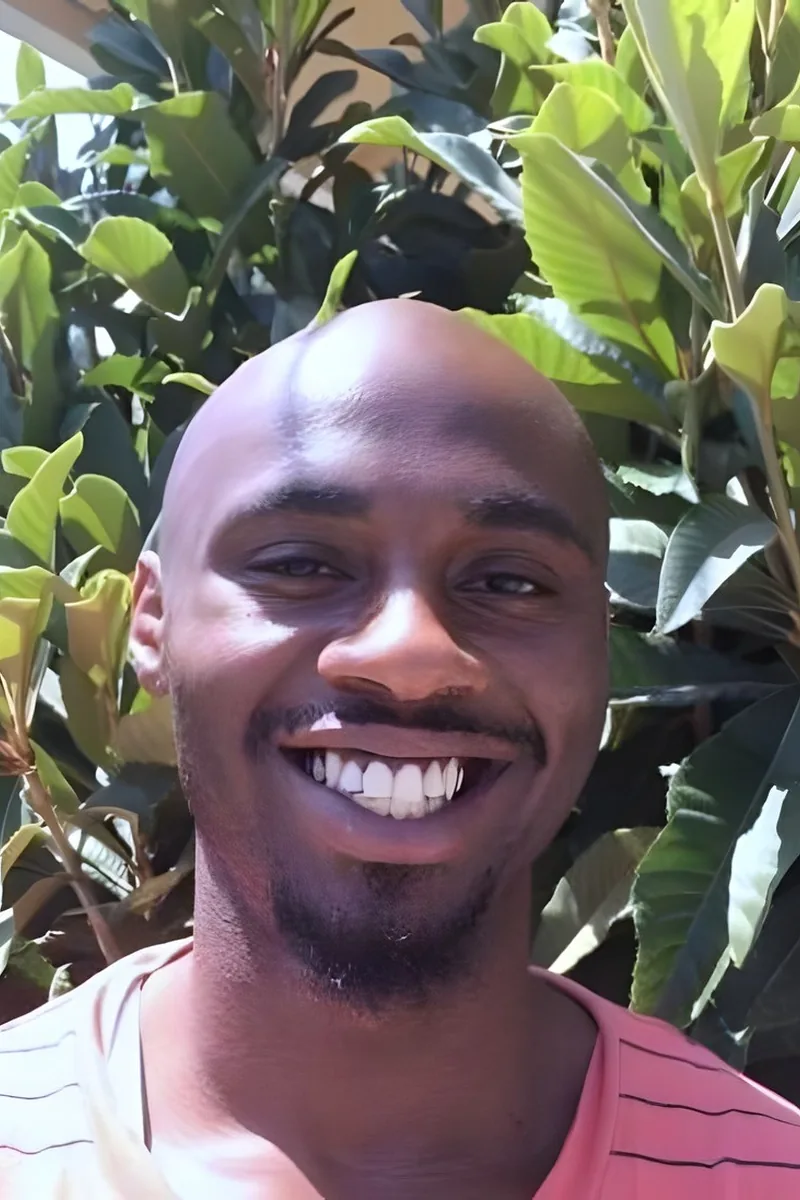
Understanding when to use a t-test versus a z-test, or why a sampling distribution behaves the way it does, requires more than formula sheets — it takes genuine statistical intuition. Brian built that intuition through his economics coursework at Caltech, where statistical analysis was a daily tool, and he walks students through each concept with concrete data examples.

Probability distributions, hypothesis testing, and confidence intervals all require a different kind of mathematical thinking — less computation, more interpretation. Mitch approaches statistics by teaching students to read what the numbers actually claim, drawing on the data analysis skills he built during his engineering degree.
Probability distributions and hypothesis testing require a different kind of mathematical thinking than most students are used to — less computation, more interpretation. Gerardo approaches statistics by anchoring every concept in a concrete scenario, whether that's reading a p-value in context or deciding which test applies to a given dataset. His teaching certification and physics training give him a structured, evidence-driven style that clicks for students who struggle with the "why" behind statistical reasoning.
Probability distributions, hypothesis testing, and confidence intervals each demand a different kind of reasoning than the algebra most students are used to. Joanne approaches statistics by grounding every formula in what it actually measures, making it easier to choose the right test and interpret results correctly.
Reading a statistics problem correctly matters as much as running the calculation, which is why Lizzy spends time on interpreting what a question actually asks before touching any formulas. She walks through probability distributions, hypothesis testing, and confidence intervals with an emphasis on understanding what the numbers mean in context.
Planning to pursue graduate work in mathematical game theory, Alain brings a probabilistic mindset to statistics that most business-econ majors don't — his math minor at UCLA meant he studied the theoretical machinery behind expected value, distributions, and hypothesis testing rather than just applying them in a spreadsheet. He teaches students to trace each statistical concept back to the underlying math so they can adapt when problems don't look like textbook examples.
The jump from calculating a mean to interpreting a confidence interval trips up students who never built intuition for what variability actually means. Mariapaz unpacks concepts like standard deviation, probability distributions, and hypothesis testing by grounding them in real data scenarios before introducing formulas. Her background teaching math across middle and high school levels means she can identify exactly where a student's conceptual understanding breaks down.
Probability distributions, hypothesis testing, and confidence intervals all hinge on understanding what the numbers actually represent — not just which formula to grab. Sarah's mathematics background at Clark University gave her the rigor to unpack statistical reasoning clearly, and her physics training means she's comfortable with real-world data that doesn't behave perfectly.
Probability distributions, hypothesis testing, and regression analysis all require a kind of structured thinking that Florence sharpened through her computer science degree at Duke. She teaches statistics by grounding each concept in real data scenarios — building intuition for what a p-value actually means before diving into formulas. Her 5.0 client rating speaks to how well that approach lands.
An economics degree means Maggie didn't just study statistics in a textbook — she applied distributions, hypothesis testing, and regression analysis to real datasets. She teaches students to interpret what a p-value actually tells them and how to choose the right test for a given scenario, building the kind of statistical intuition that carries through exams and research projects alike.
Probability distributions, hypothesis testing, and regression analysis each require a different kind of thinking — and Rahi distinguishes clearly between the conceptual reasoning and the mechanical calculation so students know which skill a problem is actually testing. His applied mathematics background means he can explain the logic behind formulas like the Central Limit Theorem instead of just handing students a recipe to follow.
A year as a course assistant in Harvard's math department gave Richard a front-row seat to where students get tripped up — and in statistics, it's almost always the jump from computing a value to interpreting what it means. He teaches concepts like variability, correlation, and probability by connecting the math to the kind of data-driven arguments he encounters in his government coursework, where a misread confidence interval can derail an entire policy claim.
A political science degree from Brown meant Lyall spent years interpreting polling data, regression models, and probability distributions in real research contexts. He brings that applied lens to statistics tutoring, connecting concepts like standard deviation and confidence intervals to situations where the numbers actually matter. Students get someone who treats stats as a tool for making arguments, not just a formula sheet to memorize.
Studying Comparative Human Development at the doctoral level means Gabriel has spent years designing studies, interpreting data sets, and running statistical analyses firsthand. He teaches statistics by grounding concepts like probability distributions, hypothesis testing, and regression in real research questions rather than abstract formulas. That practical lens makes the subject click for students who struggle with the textbook approach.
Probability distributions, hypothesis testing, and confidence intervals make a lot more sense when you've actually used them to analyze real data. Emma applied statistical methods throughout her biology research at Duke — including fieldwork on Hawaiian monk seals — so she teaches stats as a practical tool rather than an abstract formula sheet. Rated 4.9 by students.
During her psychology degree at Penn, Brittany used statistics constantly — hypothesis testing, probability distributions, regression analysis — as core tools for understanding research. She also tutored middle schoolers in introductory statistics as a volunteer in West Philadelphia, so she's comfortable adjusting her explanations whether someone is learning mean and median or wrestling with p-values.
Understanding when to use a standard deviation versus an interquartile range — or why a skewed distribution changes your entire analysis — requires more than formula memorization. Vinson approaches statistics through data interpretation first, walking through probability distributions, hypothesis testing, and regression with an emphasis on what the numbers actually tell you. He's studying computational math at Rice, where statistical reasoning is woven into his daily coursework.
Engineering Physics at Cornell requires serious statistical reasoning — error analysis, probability distributions, hypothesis testing — so Daniel brings a practical lens to statistics rather than a purely textbook one. He walks through concepts like standard deviation, regression, and confidence intervals by tying them to real data questions, which makes the logic behind each formula click.
As a Statistics major at Northwestern, Jake lives in this material daily — regression analysis, probability distributions, confidence intervals, and hypothesis testing are part of his coursework, not just something he once studied for a test. That proximity to the subject means he explains concepts with the kind of fluency that comes from constant use. He holds a 5.0 client rating.
Understanding why you'd choose a t-test over a z-test, or what a standard deviation actually tells you about a dataset, matters more than plugging numbers into formulas. Blake runs statistical analyses as part of his neuroscience research at Vanderbilt, so he teaches distributions, hypothesis testing, and regression from firsthand experience with real data. He holds a 5.0 rating from students.
Testimonials
Because the right Statistics tutor makes all the difference.
Average Session Rating – Based on 3.4M Learner Ratings
Practice Statistics
Free practice tests, flashcards, and AI tutoring for Statistics
Nearby Statistics Tutors
Other Long Beach Tutors
Related Math Tutors in Long Beach
Frequently Asked Questions
Statistics requires both conceptual understanding and practical application—students often struggle with interpreting what statistical measures actually mean rather than just calculating them. Common challenges include understanding probability concepts, working with data sets and distributions, interpreting graphs and charts accurately, and applying the right statistical test to real-world scenarios. Many students also find it difficult to connect abstract statistical concepts to concrete examples, which is where personalized instruction can help bridge that gap.
While Algebra focuses on solving equations and manipulating symbols, Statistics emphasizes data analysis, probability, and making inferences from information—requiring a different type of mathematical thinking. Statistics demands stronger conceptual understanding rather than just procedural skills; students need to think critically about what data tells us and why certain methods matter. A tutor experienced in Statistics can help students develop this analytical mindset and avoid the common trap of memorizing formulas without understanding when and why to use them.
Yes. Varsity Tutors connects students with tutors who understand the Statistics curriculum taught across Long Beach's 8 school districts, whether you're in AP Statistics, honors Statistics, or introductory courses. Tutors can work with your student's specific textbook, assignments, and course expectations to provide targeted support that complements classroom learning. This alignment ensures tutoring reinforces what's being taught in school rather than introducing conflicting approaches.
Word problems require students to translate real-world scenarios into statistical language and choose appropriate methods—a skill that benefits greatly from guided practice and feedback. A tutor can help your student develop a systematic approach: identifying what information is given, determining what the question is asking, selecting the right statistical tool, and interpreting results in context. Through worked examples and problem-solving strategies tailored to your student's learning style, tutors help build confidence and competence with word problems.
In Statistics, showing work demonstrates your student's reasoning and helps identify where misunderstandings occur—it's not just about the final answer. Tutors emphasize clear communication of statistical thinking: explaining why a particular method was chosen, documenting each calculation step, and interpreting results meaningfully. This approach builds stronger conceptual understanding and prepares students for exams and higher-level coursework where justification is essential.
Absolutely. Statistics anxiety often stems from feeling lost in abstract concepts or overwhelmed by unfamiliar terminology—personalized tutoring addresses both by breaking concepts into manageable pieces and building confidence through success. Tutors create a low-pressure environment where students can ask questions freely, work through problems at their own pace, and see patterns and connections that make Statistics feel less intimidating. Many students discover that Statistics is actually more intuitive than other math subjects once they understand the underlying logic.
The first session is typically diagnostic and collaborative. A tutor will assess your student's current understanding of Statistics concepts, identify specific areas of struggle, and learn about their learning style and goals. Together, they'll create a personalized plan focused on the most impactful areas—whether that's probability foundations, hypothesis testing, or data interpretation. This foundation ensures all future sessions build directly on what your student needs most.
Varsity Tutors matches students with qualified tutors who have expertise in Statistics and understand Long Beach's educational landscape. You can get started by sharing details about your student's current level, specific challenges, and availability. From there, we handle the matching process so your student can begin personalized instruction tailored to their unique needs and goals.
Let’s find your perfect tutor
Answer a few quick questions. We’ll recommend the right plan and match you with a top 5% tutor.