Award-Winning AP Chinese Language and Culture Tutors
serving San Diego, CA
AP Chinese Language and Culture
Tutors in San Diego
Private 1-on-1 tutoring, weekly live classes for academic support, test prep & enrichment, practice tests and diagnostics, and more to elevate grades and test scores.
Based on 3.4M Learner Ratings
UniversitiesSchools & Universities
DeliveredHours Delivered
ProficiencyGrowth in Proficiency
Who needs tutoring?
No obligation. Takes ~1 minute.
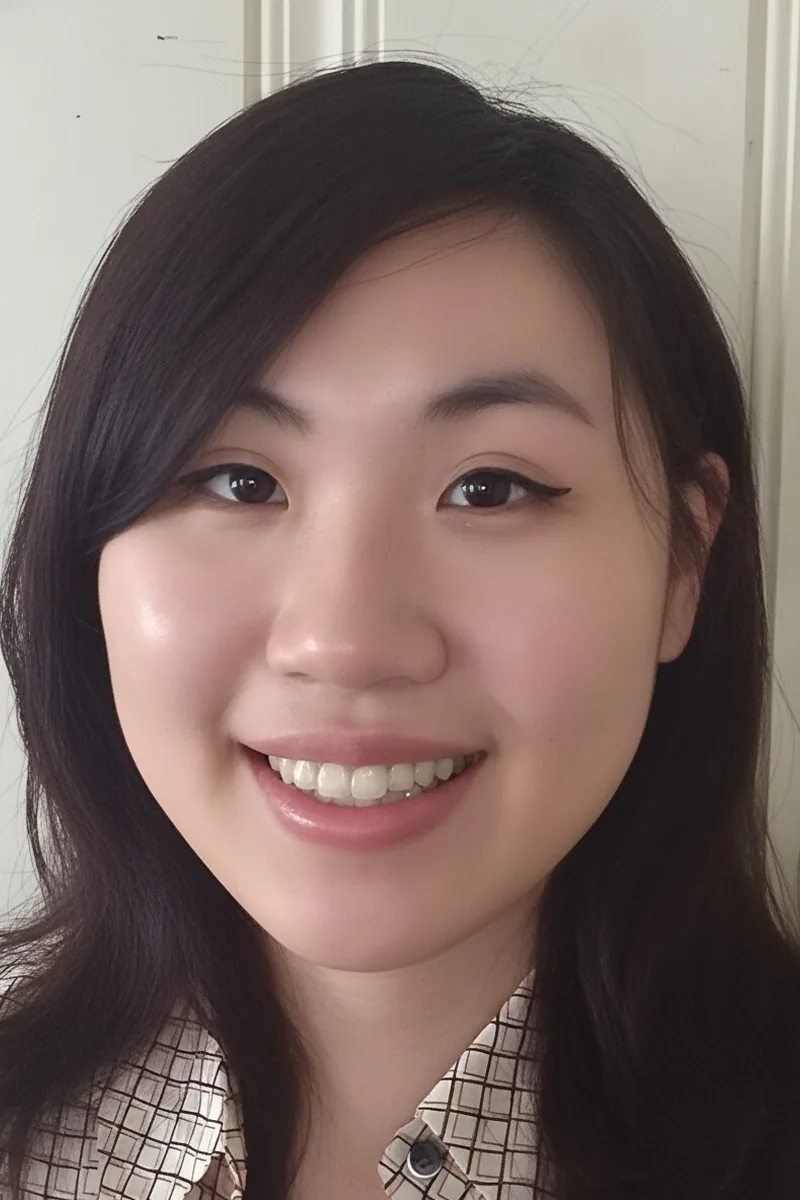
A molecular biology degree from UC Berkeley might seem unrelated to AP Chinese, but Caroline's background teaching Mandarin across four levels — plus her fluency in the language — means she knows how to bridge the gap between conversational Mandarin and the formal, academic register the exam's interpretive reading and listening sections demand. She's particularly effective at coaching students through the exam's interpersonal tasks, where her experience mentoring K-12 students in Oakland translates into patient, structured practice that builds confidence under timed conditions. Rated 5.0 by students.

As a native Mandarin speaker who has passed China's national proficiency test and written her own leveled grammar curriculum, Tina knows exactly what AP Chinese examiners expect in listening, reading, and presentational writing. She drills the cultural comparison essay format and interpersonal speaking prompts so students walk into the exam with a rehearsed strategy, not just vocabulary lists.
With an economics degree and fluency across four levels of Mandarin Chinese, Alexander brings a practical, content-rich angle to AP Chinese prep — particularly the interpretive listening passages, where students need to process real-world topics like trade, policy, and social trends discussed in rapid, formal Mandarin. He also tackles the exam's cultural comparison essays by drawing on his cross-cultural academic background to teach students how to move beyond surface-level observations and anchor their responses in specific, substantive examples.
Eric teaches across three levels of Mandarin Chinese and coaches AP Chinese Language and Culture with a particular edge on the interpersonal speaking tasks, where his conversational fluency and 36 ACT verbal instincts help students think on their feet during timed prompts. His biomedical engineering coursework at Duke also means he can introduce technical and academic vocabulary that gives cultural comparison essays unexpected depth — discussing China's healthcare system, STEM education culture, or scientific collaboration norms rather than recycling the same festival examples every other student writes about.
Because Karen teaches both traditional and simplified characters — and has tutored business Chinese alongside academic prep — her AP Chinese students get comfortable with the full range of written forms and registers the exam throws at them, from formal presentational writing to the interpretive reading passages that mix literary and contemporary styles. As a native Mandarin speaker with direct experience preparing students for the AP level, she zeroes in on the tonal precision and grammatical control that separate a 4 from a 5.
Minoring in Chinese at Northeastern while pursuing a pharmacy degree, Amy uses the language daily in academic contexts — reading research, discussing coursework — which builds the kind of formal register fluency the AP Chinese exam's interpretive reading and presentational writing sections actually test. Her 4.9 rating from students reflects a knack for breaking complex characters and grammatical structures into manageable patterns, and she draws on her own experience as a heritage learner to bridge gaps between conversational Mandarin and the academic-level precision the exam demands.
The AP Chinese exam's cultural comparison essays reward students who can draw on genuine cross-cultural experience — and as a Mandarin Chinese speaker studying at the University of Minnesota, Amy lives that dual perspective daily. She also teaches across multiple Mandarin levels, so she can identify gaps in a student's formal written register or listening comprehension and target those specific weaknesses before exam day.
The cultural component of AP Chinese Language and Culture trips up students who only study vocabulary lists — the exam expects nuanced comparisons between Chinese and American cultural practices, from family structures to educational values. Li connects language instruction to these cultural contexts, drawing on her own bicultural academic experience across speech science and medicine.
The AP Chinese Language and Culture exam tests more than vocabulary — it demands cultural literacy, formal register switching, and the ability to compare Chinese and American perspectives in real time. Ya grew up in Taiwan and earned her master's in Foreign Language Education (Chinese) at NYU, so she teaches students to navigate the interpersonal and presentational speaking tasks with native-level cultural nuance. She also drills the specific reading and listening strategies that trip up heritage and non-heritage speakers alike.
Most AP Chinese prep zeroes in on language mechanics, but the exam's interpersonal speaking prompts also reward the kind of natural conversational flow that comes from genuine cultural immersion — something Yuyi brings as a native Mandarin speaker who also studied English and psychology at the university level. That dual-language academic background makes her especially effective at coaching students through the interpretive reading section, where parsing formal written Mandarin requires more than character recognition.
Fluent in Mandarin and experienced with the AP Chinese exam format, JF tackles the presentational writing and interpersonal speaking components that trip up even heritage speakers. He digs into the cultural comparison prompts specifically, showing students how to structure responses that hit every rubric criterion.
A literature degree paired with fluency in both Mandarin and Cantonese gives Bronwen an unusual edge on the AP Chinese exam's interpretive reading section, where students encounter texts that demand literary analysis skills — not just language ability. She teaches across all four Mandarin levels and scored 1530 on the SAT, reflecting the kind of close-reading discipline she brings to coaching students through the exam's densest written passages. Rated 5.0 by students.
Scoring well on the AP Chinese exam means toggling between reading comprehension, cultural knowledge, and spontaneous speaking — all in one test. Nicole is fluent in both Mandarin and Cantonese and teaches students to navigate the interpersonal and presentational communication tasks the exam demands. She puts particular emphasis on the cultural comparison essay, where strong structure makes all the difference.
Testimonials
Because the right AP Chinese Language and Culture tutor makes all the difference.
Average Session Rating – Based on 3.4M Learner Ratings
Nearby AP Chinese Language and Culture Tutors
Other San Diego Tutors
Related Languages Tutors in San Diego
Frequently Asked Questions
The AP Chinese Language and Culture exam tests proficiency across five key skills: listening, reading, writing, speaking, and cultural knowledge. The exam includes multiple-choice sections for listening and reading comprehension, a free-response section with email writing and presentational speaking tasks, and interpersonal speaking components. Success requires not just language skills but also deep familiarity with Chinese-speaking cultures, current events, and social practices.
Most students benefit from 6-12 months of focused preparation, though this varies based on your starting proficiency level and prior Chinese study. The AP Chinese exam requires approximately 150 hours of classroom instruction according to College Board guidelines, but personalized tutoring can help you use study time more efficiently by targeting your specific weak areas. Many San Diego students find that combining regular tutoring sessions with consistent daily practice yields the strongest results.
The speaking and writing sections challenge most students, as they require spontaneous, accurate production rather than recognition of language. Many students also struggle with the cultural component—understanding contemporary Chinese society, idioms, and cultural references requires exposure beyond textbook material. Additionally, the exam's fast-paced listening section demands strong comprehension skills and test-taking stamina, which benefits greatly from targeted practice and strategy coaching.
AP Chinese scores range from 1-5, with a 3 considered passing and a 5 representing mastery. Score improvement is very realistic with focused preparation—students often gain 1-2 points by identifying weak sections and drilling those skills systematically. Personalized tutoring helps you pinpoint whether you need more listening practice, writing refinement, speaking fluency, or cultural knowledge, allowing you to concentrate effort where it matters most.
Your first session typically includes an assessment of your current proficiency level across all five skill areas—listening, reading, writing, speaking, and cultural knowledge. A tutor will identify your strongest areas and pinpoint specific gaps, then work with you to create a customized study plan aligned with the AP exam format. This foundation helps ensure every future session builds directly toward your score goals.
Practice tests are essential for AP Chinese success—they familiarize you with the exam's pacing, question formats, and cultural content while revealing which sections need the most work. Rather than taking full-length tests randomly, space them out strategically: take a diagnostic early to identify weak areas, then use section-specific practice tests to drill those skills, and save full-length tests for final review. A tutor can help you analyze your practice test results and adjust your study strategy accordingly.
Speaking and writing improve through repeated, scaffolded practice with immediate feedback—exactly what personalized tutoring provides. For speaking, you'll benefit from practicing the interpersonal conversation and presentational speaking tasks with someone who can correct pronunciation, grammar, and fluency in real-time. For writing, working through email and essay prompts with a tutor who provides detailed feedback on organization, grammar, and cultural appropriateness accelerates improvement far more than solo practice.
AP Chinese emphasizes contemporary culture, so you need exposure to current events, social media trends, and everyday life in Chinese-speaking regions—not just historical or classical content. A tutor can guide you to authentic resources like Chinese news outlets, podcasts, and social media, help you understand cultural nuances in exam passages, and explain idioms and references that appear in test questions. This targeted cultural preparation ensures you're not just translating words but truly comprehending the context behind them.
Let’s find your perfect tutor
Answer a few quick questions. We’ll recommend the right plan and match you with a top 5% tutor.